 Instalab
Vitamin D
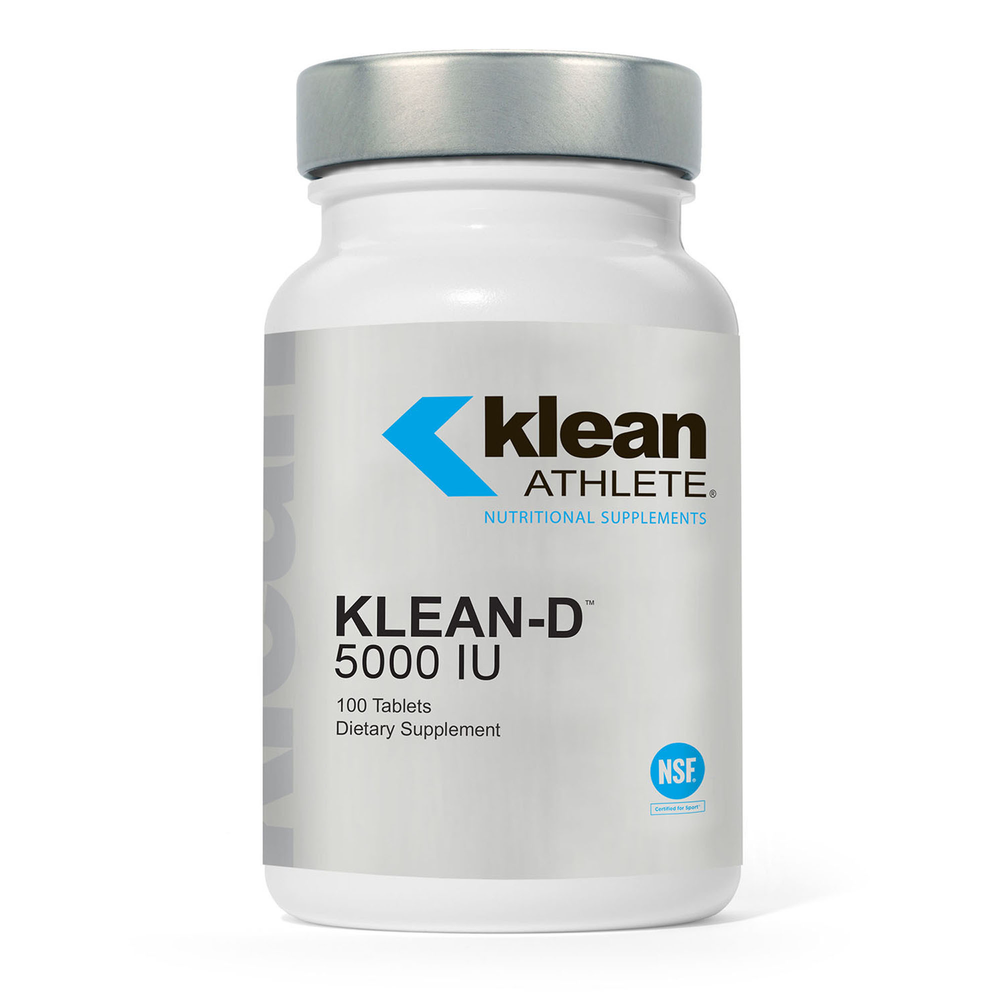
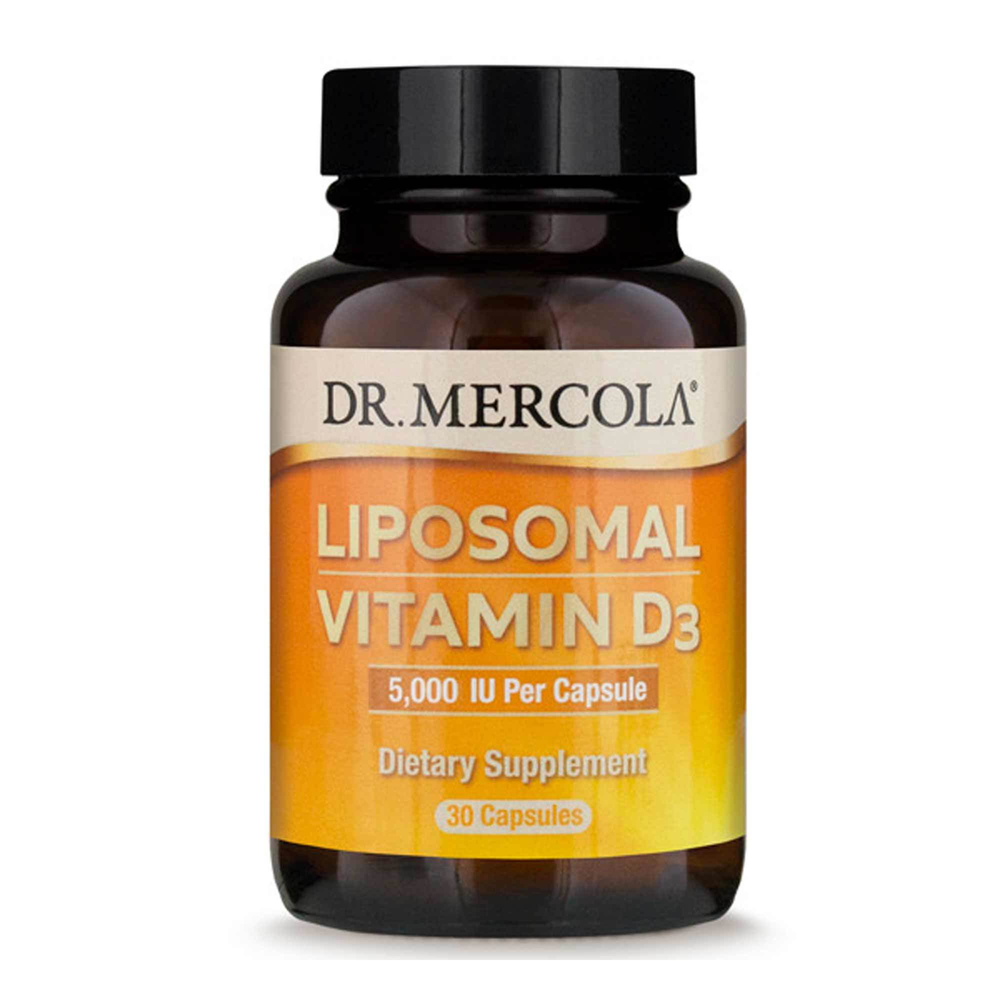
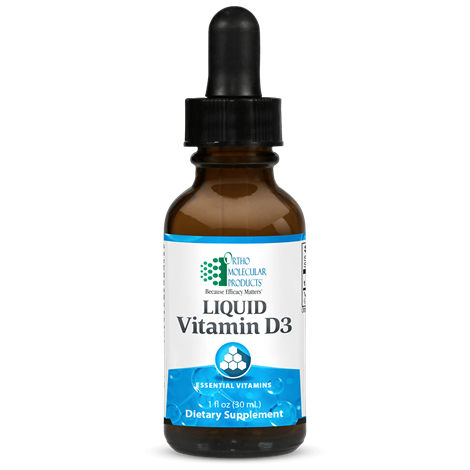
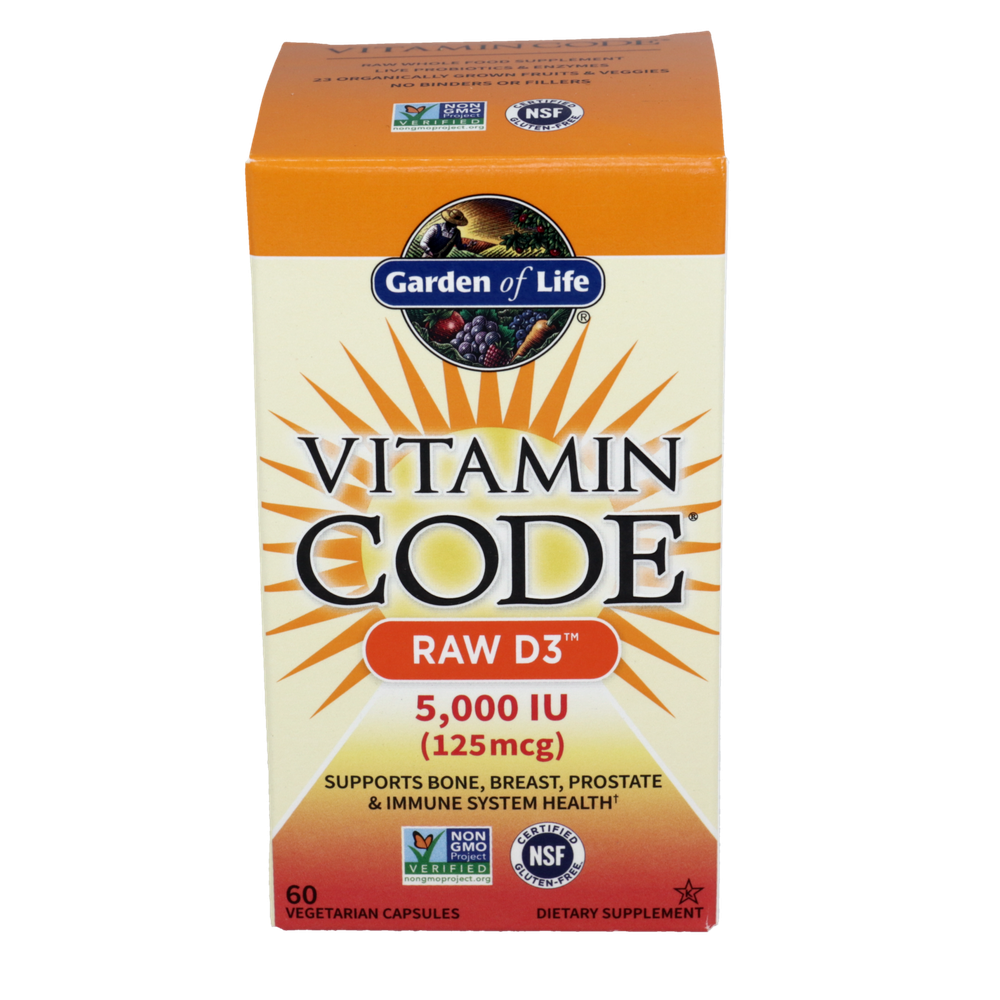
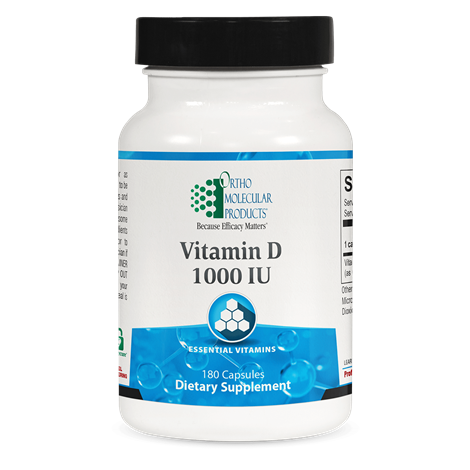
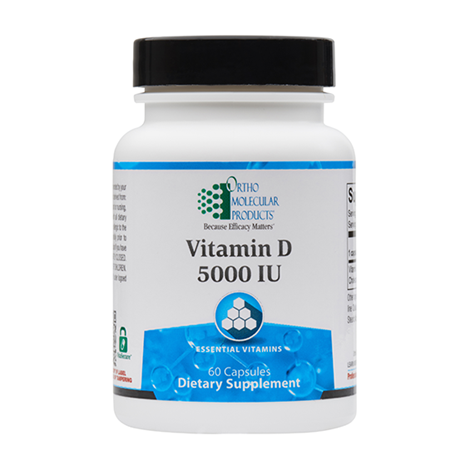
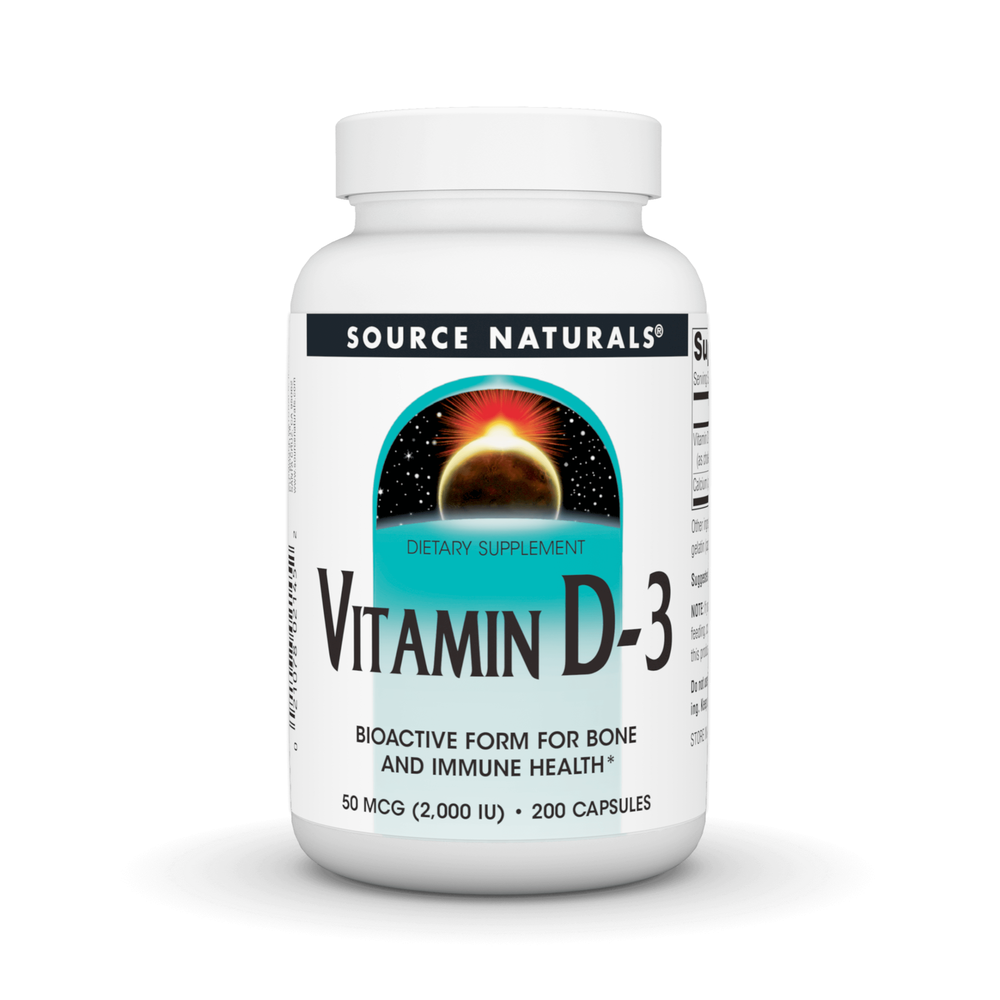
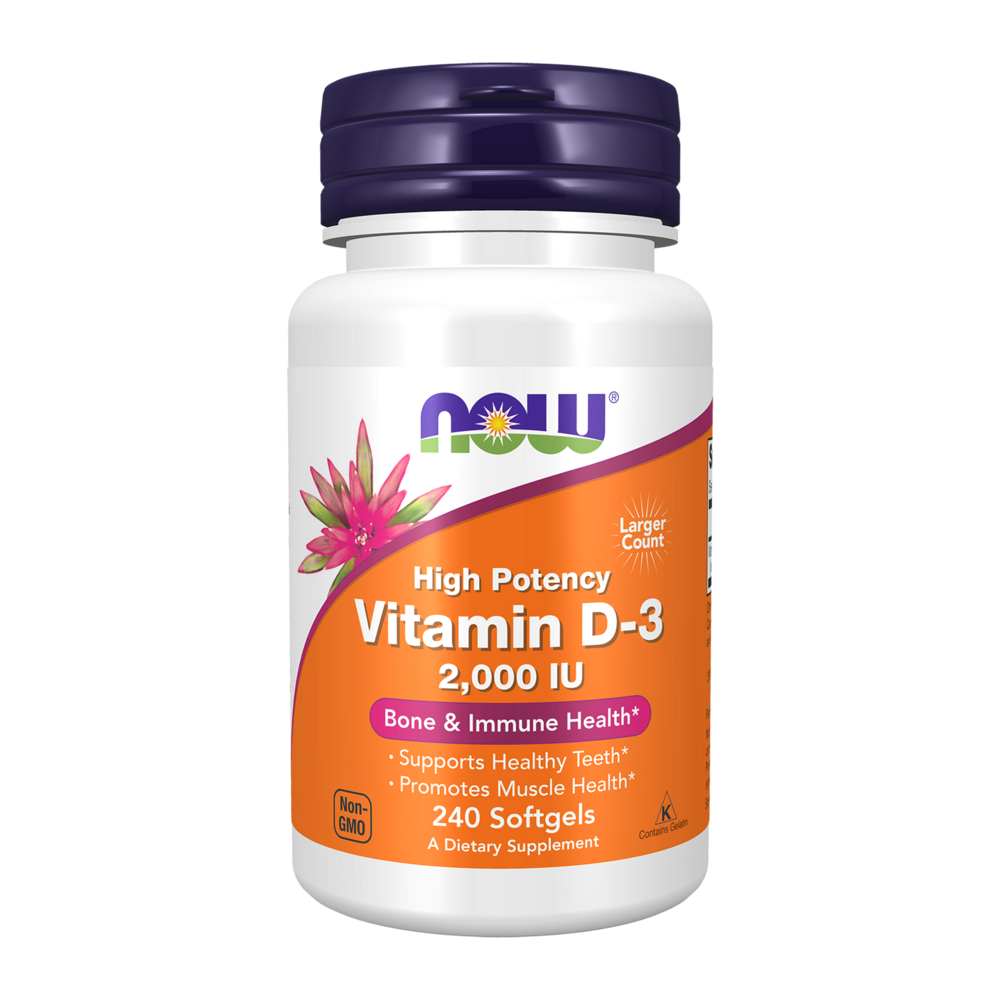
Vitamin D3 supports bone, immune, and mood health.
Our vetting standard
Every vitamin d formula here clears the same bar.
- Clinically studied, effective doses
- Bioavailable, well-absorbed forms
- Practitioner-grade, trusted brands
- Third-party tested for identity and potency
See if it's actually working
Three months is when a dose change shows up in 25-OH vitamin D; a falling PTH is the sign your body considers the new level sufficient.
Vitamin D FAQs
How much vitamin D should I take?
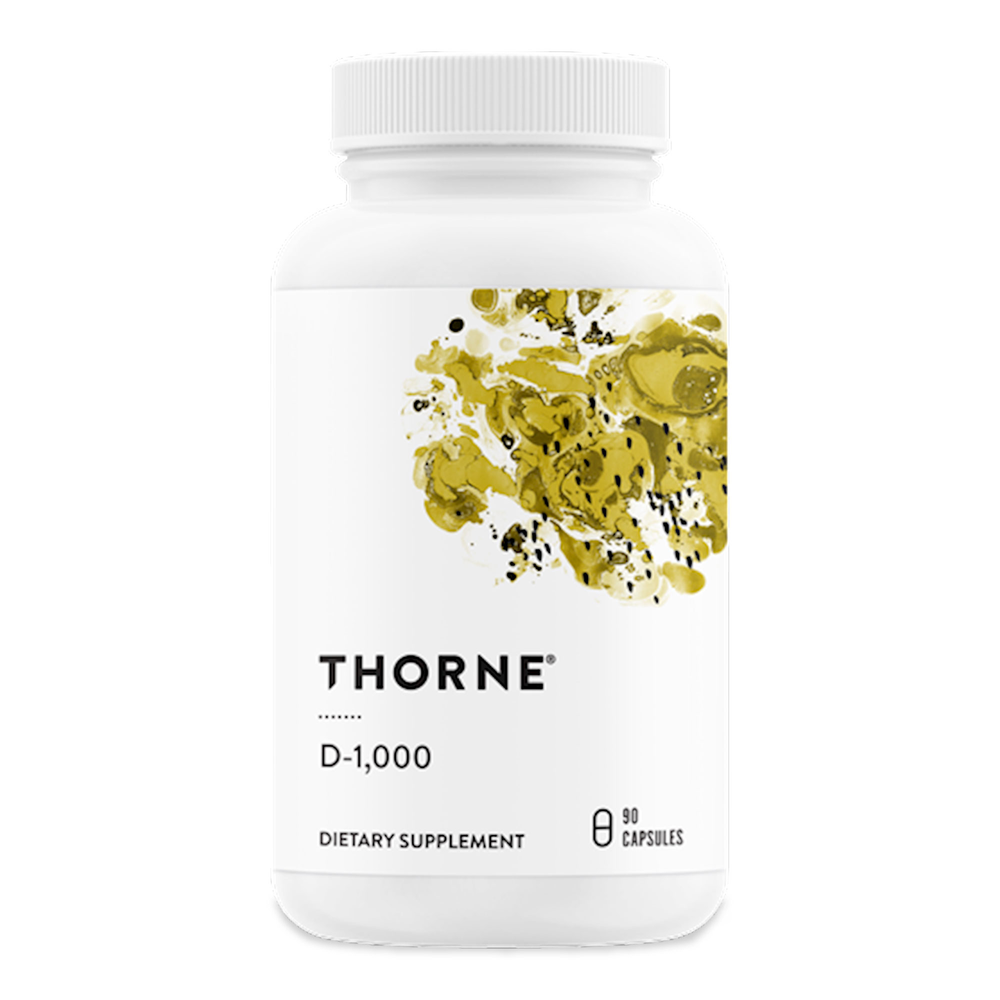
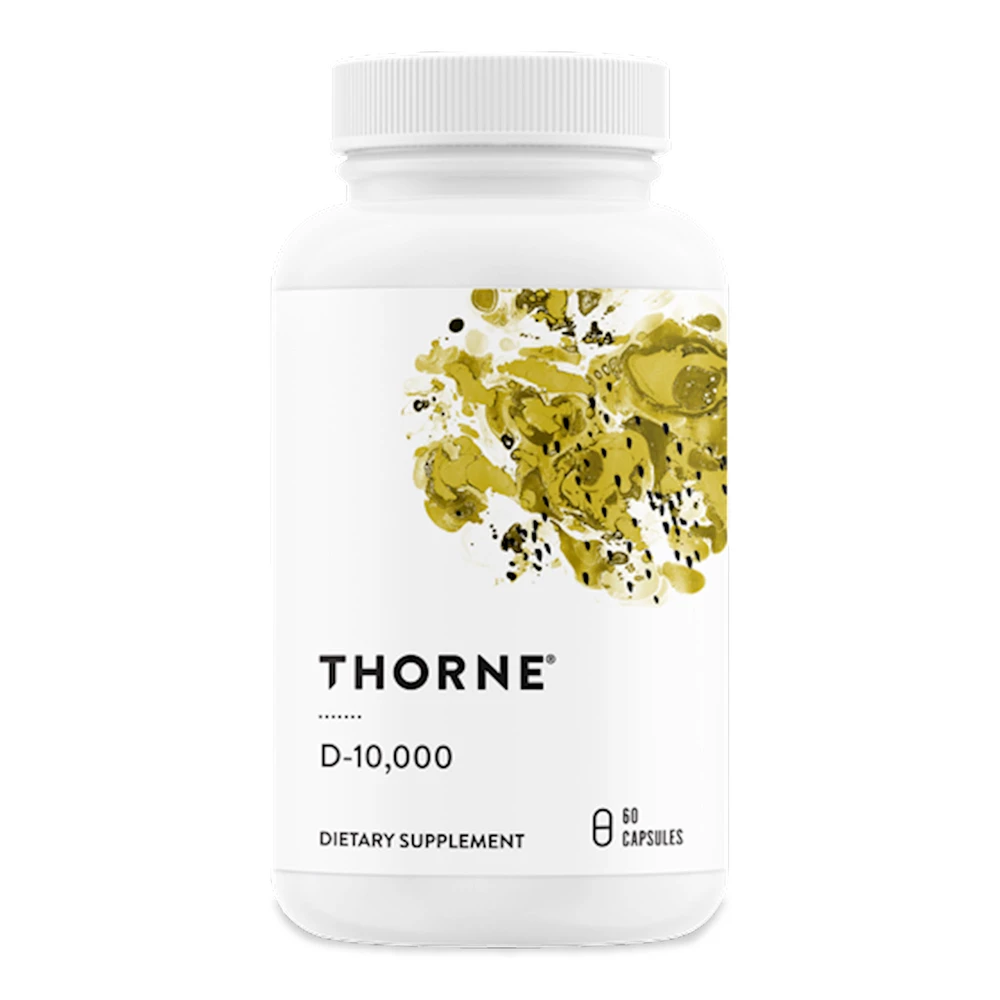
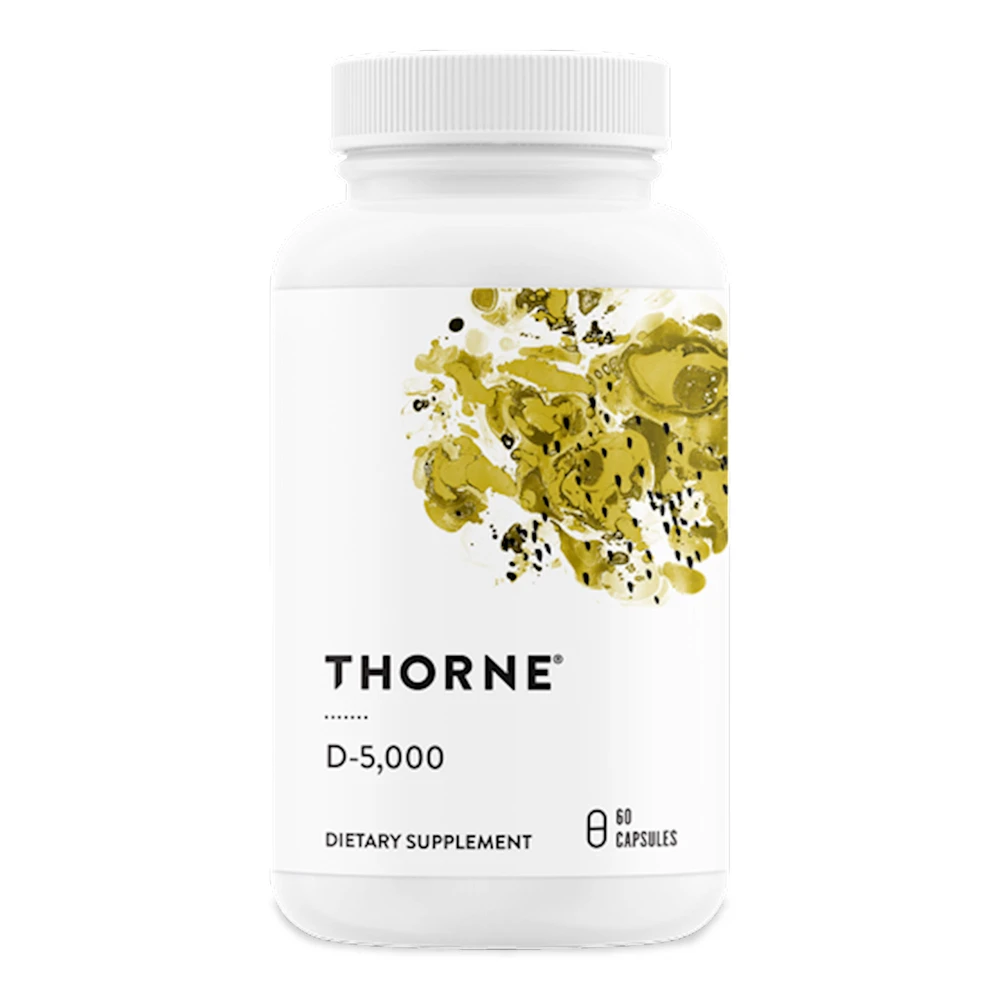
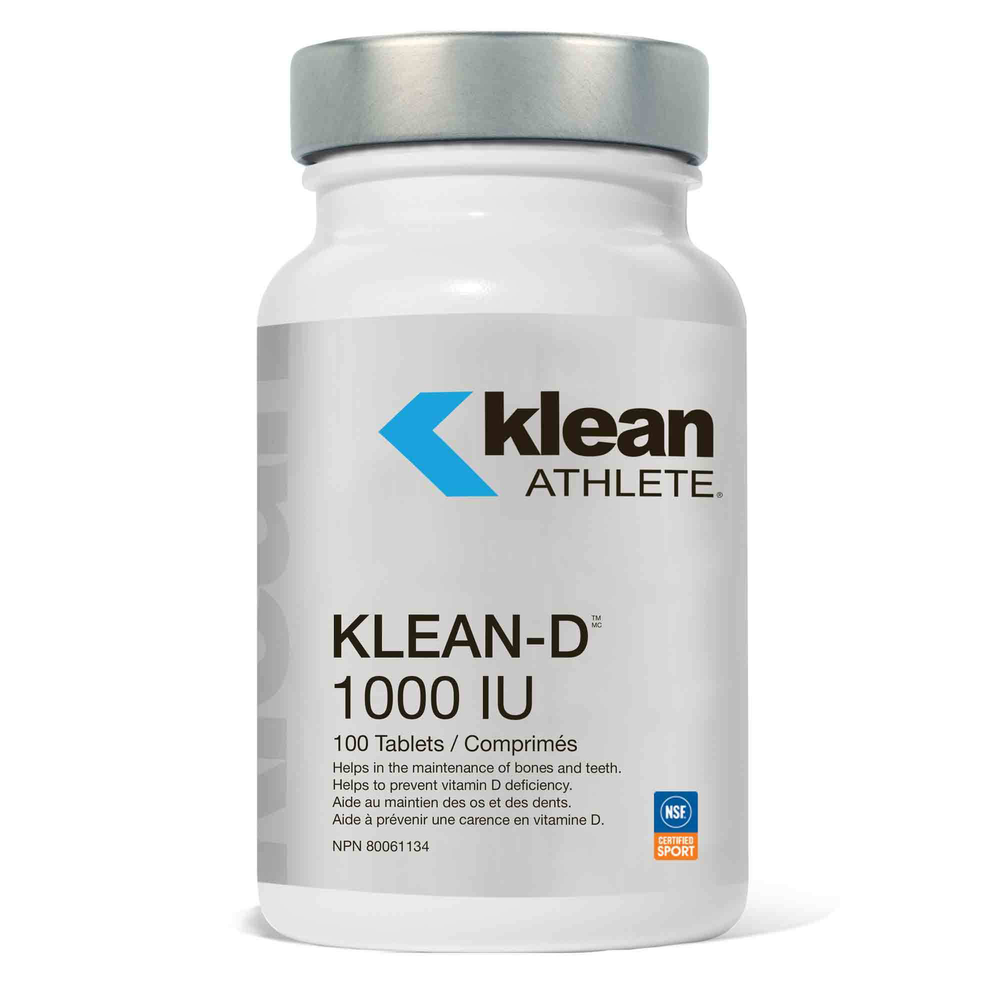
Most adults need 1,000–4,000 IU/day to maintain optimal blood levels (40–60 ng/mL). People with documented deficiency may need 5,000–10,000 IU/day until levels normalize, then a maintenance dose. Test 25-hydroxy vitamin D to guide dosing.
D2 or D3 — which is better?
D3 (cholecalciferol) is more effective than D2 (ergocalciferol) at raising and maintaining blood levels. Always choose D3 unless you specifically need a vegan source (algae-derived D3 is now widely available).
Should I pair vitamin D with anything?
Yes. Vitamin K2 (especially MK-7) directs calcium away from arteries and toward bones. Magnesium activates vitamin D — low magnesium prevents D from working properly. Many quality products combine D3 + K2; magnesium is usually a separate supplement.
Can I get enough vitamin D from sun?
Sometimes — 10–30 minutes of midday sun on uncovered skin produces 1,000–10,000 IU depending on skin tone, latitude, season, age, and sunscreen use. Most people in northern latitudes don't make enough D from October to April even with daily exposure.
What's the optimal vitamin D level?
Most experts target 25-hydroxy vitamin D between 40 and 60 ng/mL. The conventional 'normal' range starts at 30 ng/mL but research suggests 40+ is better for immune, bone, and cardiovascular function. Avoid going above 100 ng/mL.
Can I take too much vitamin D?
Yes, but it's hard. Toxicity typically requires sustained doses above 40,000 IU/day for months, leading to dangerously high calcium levels. Standard supplemental doses (up to 10,000 IU/day) are safe for most adults. Check 25-OH-D every 3–6 months when on higher doses.
Does vitamin D help immunity?
Yes — vitamin D modulates immune function. Adequate levels are linked to fewer respiratory infections, better autoimmune outcomes, and lower COVID-19 severity. Optimizing D status (above 40 ng/mL) is one of the simplest immune supports.
How long until I feel a difference?
Most people don't feel acute changes — D levels build over weeks. Mood improvements can appear in 4–8 weeks. Bone, immune, and metabolic benefits build over 3–6 months. Don't expect dramatic immediate changes.
Should I take vitamin D in summer?
It depends on your blood level. If you spend significant time outdoors in midday sun, you may need less or no supplementation in summer. Test 25-OH-D in late summer to gauge. Most people stay at the same dose year-round for simplicity.