 Instalab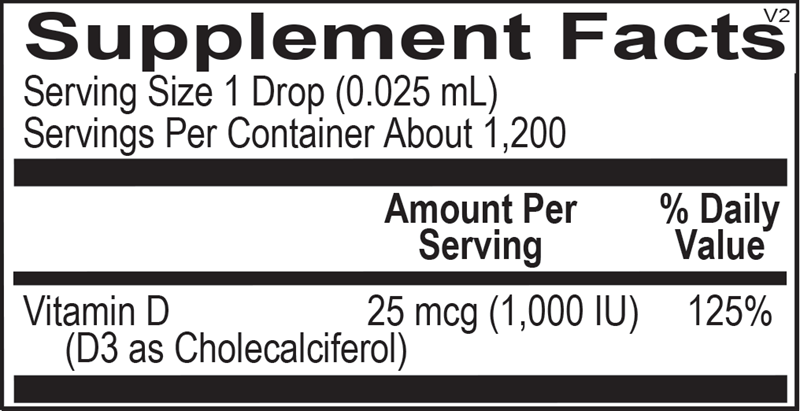

Ortho Molecular Products
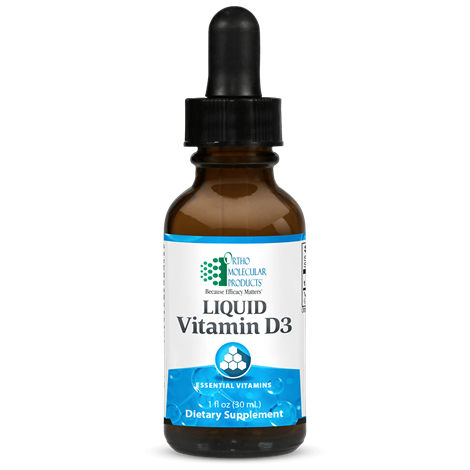
Liquid Vitamin D3 1000 IU (25 mcg) by Ortho Molecular Products
30 milliliters · 1200-day supply
Essential Vitamin D3 for Bone, Immune, and Mood Support$39.46
Purchase options
Practitioner-grade brand3rd-party testedFree shipping $50+
Gluten Free·Corn Free·Yeast Free·Artificial Color Free·Artificial Flavor Free
Ortho Molecular Products Liquid Vitamin D3 overview
Vitamin D3 drops fit adults whose Vitamin D, 25-Hydroxy is in the lower part of the normal range and who want a simple maintenance dose. They’re practical if you get little sun, have darker skin, use sunscreen consistently, live at northern latitudes, or just dislike pills. People with higher body weight often need more than 1,000 IU for upkeep. If your level is meaningfully low or you have malabsorption (celiac, inflammatory bowel disease, or after bariatric surgery), this maintenance dose is usually too low without clinician-guided repletion.
Cholecalciferol (vitamin D3) is the form your skin makes from sunlight and is better at raising and sustaining blood levels than D2. Your liver and kidneys convert it into the active hormone that boosts calcium absorption from the gut and helps regulate bone turnover. Adequate D3 suppresses parathyroid hormone (the signal that pulls calcium from bone), which is why bone density benefits track with improved labs. Enthusiasm for D3 as an infection cure-all outpaced the evidence; for immune health, think of it as filling a deficiency, not as a standalone therapy.
One drop provides 1,000 IU, a true maintenance-level dose. Take it on the tongue or mixed into a beverage with a meal that includes some fat, which improves absorption. Morning or midday suits most people. Recheck your Vitamin D, 25-Hydroxy within 8 to 12 weeks to confirm it’s working. If your level doesn’t budge, consider adherence, taking with food, or drug interactions like orlistat (a fat blocker) before increasing the dose with your clinician.
Skip unsupervised D3 if you’ve had high calcium, recurrent calcium kidney stones, primary hyperparathyroidism, or granulomatous disease such as sarcoidosis, as you’re prone to overshoot. Use caution with thiazide diuretics (they can raise calcium), digoxin (arrhythmia risk rises with high calcium), and bile acid binders or orlistat (they reduce absorption). Long-term steroids or certain anti-seizure drugs increase vitamin D needs. Pregnancy and breastfeeding are fine at typical intakes, but confirm dosing with your OB.
Frequently asked questions
Is 1,000 IU of vitamin D3 enough?
It’s a maintenance dose for many adults whose Vitamin D, 25-Hydroxy is low-normal. If your level is clearly low or you have malabsorption or higher body weight, you’ll likely need a higher repletion plan with a clinician, then step down to 1,000 IU.
How long do vitamin D3 drops take to raise levels?
Most people see a measurable change within 8–12 weeks. Your starting level, body weight, consistency, and taking it with food affect the rise. Recheck Vitamin D, 25-Hydroxy after that window to decide on next steps.
Do I need to take vitamin D3 with food?
Yes, ideally with a meal that contains some fat. Vitamin D is fat-soluble, and taking it with food improves absorption. Taking it on an empty stomach is more likely to underperform.
Are vitamin D3 drops better than capsules?
Drops are equally effective when taken with food and make dose titration easy. They’re handy if you dislike pills. Absorption hinges more on taking D3 with fat than on liquid versus softgel.
What are signs I’m taking too much vitamin D3?
Symptoms relate to high calcium: nausea, constipation, excessive thirst or urination, and fatigue. This is uncommon at maintenance doses but possible with stacking products. If you notice these, stop and check calcium and Vitamin D, 25-Hydroxy.
Which medications interact with vitamin D3?
Orlistat and bile acid binders reduce absorption. Thiazide diuretics can raise calcium when combined with high D3. Long-term steroids and some anti-seizure drugs increase vitamin D needs. If you’re on digoxin, avoid high calcium states.
Do I need vitamin K2 with vitamin D3?
K2 and D3 are often paired for bone health, but K2 isn’t required to take D3. If you use a K2 supplement and take warfarin, coordinate closely with your prescriber because K2 affects anticoagulation.
Does vitamin D3 affect sleep or mood?
Correcting low vitamin D may help mood in some people, but results are mixed. It isn’t a primary sleep aid. If you notice stimulation when dosing at night, take it with breakfast instead.
How to take it & ingredients
Suggested use: Take 1 drop (0.025 mL) per day or as recommended by your health care provider. Can be taken directly on the tongue and swallowed or mixed with the beverage of your choice.
Active ingredients
1 drop = 0.025 mL per serving · 1200 servings
Vitamin D
D3 as Cholecalciferol
D3 as Cholecalciferol
1000 IU, 25 mcg
Other ingredients: Medium Chain Triglycerides
Certifications
Benefits
Warnings