 Instalab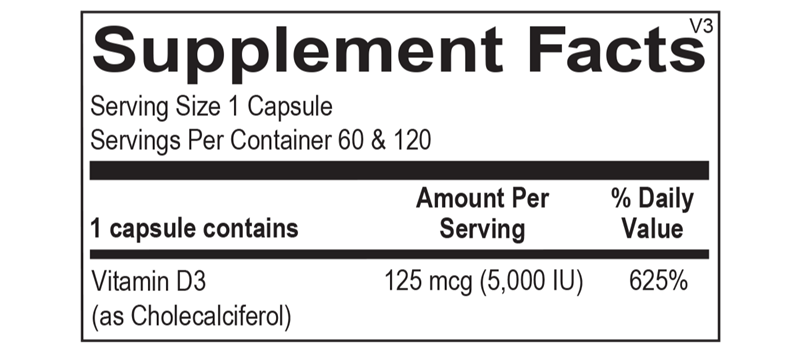

Ortho Molecular Products
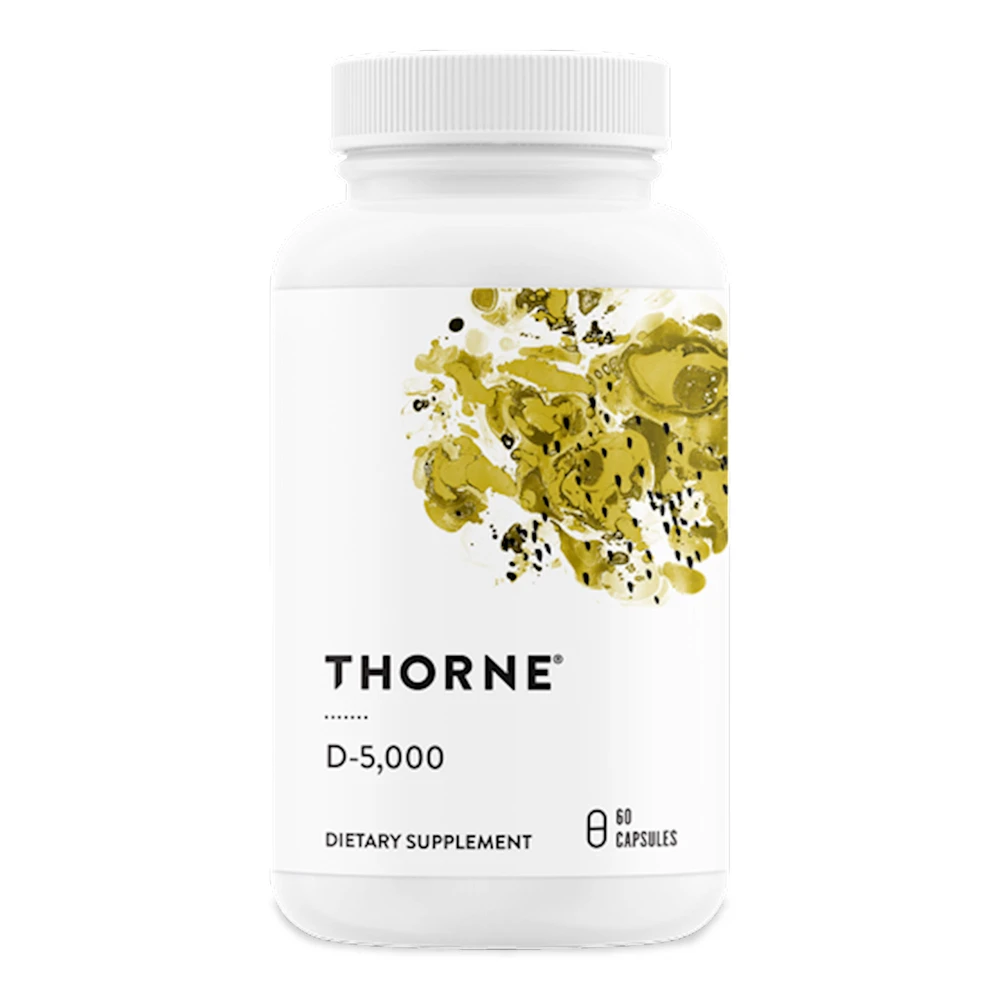
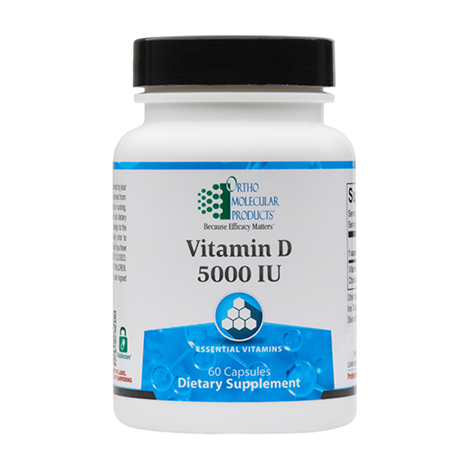
Vitamin D 5,000 IU by Ortho Molecular Products
120 capsules · 120-day supply
Essential Vitamin D for Bone, Immune, and Mood Support$42.35
Purchase options
Practitioner-grade brand3rd-party testedFree shipping $50+
Gluten Free·Yeast Free·Artificial Color Free·Artificial Flavor Free
Ortho Molecular Products Vitamin D 5,000 IU overview
Adults whose Vitamin D, 25-Hydroxy is low or low-normal often need vitamin D3 5000 IU for a period of repletion. It’s a good fit if you get little sun, have darker skin, live at northern latitudes, work indoors, or are older. Higher body weight, fat malabsorption (including after bariatric surgery), and long-term steroids or certain seizure medicines raise requirements. If your level is already adequate, this is usually more than a maintenance dose.
Cholecalciferol (vitamin D3) is the form your skin makes from sunlight and is better at raising levels than D2 (ergocalciferol). Your liver and kidneys convert D3 into the hormone that boosts calcium absorption and keeps parathyroid hormone (the signal that pulls calcium from bone) in check, supporting bone turnover. Evidence for infection prevention is mixed; large trials haven’t shown broad protection, though those with low levels sometimes see modest benefits.
Take one capsule daily with a meal that contains fat for better absorption; time of day doesn’t matter. Expect Vitamin D, 25-Hydroxy to rise within 4 to 12 weeks, then retest to adjust. Many people step down to a lower maintenance dose once replete. Magnesium status matters because it’s used to activate vitamin D, so ensure your dietary intake is solid before assuming you’re a "non-responder."
Vitamin D3 raises blood calcium. Skip high doses if you’ve had high calcium, recurrent kidney stones, sarcoidosis, or other granulomatous disease, unless managed by a clinician. Thiazide diuretics (for blood pressure) increase calcium, so combine with caution. Orlistat and bile acid binders reduce absorption—separate by several hours. Long-term steroids and some antiepileptics increase vitamin D needs. Pregnancy and nursing: use only with testing and clinician guidance.
Frequently asked questions
Is 5000 IU of vitamin D3 safe to take every day?
For many adults with low Vitamin D, 25-Hydroxy, 5000 IU daily is used short term to replete levels, then tapered. If your level is already adequate, this can overshoot. Retest in 4–12 weeks and adjust with your clinician.
How long does vitamin D3 take to work?
Blood levels usually rise within 4–12 weeks. That’s why clinicians often recheck Vitamin D, 25-Hydroxy after 8–12 weeks and adjust the dose to a lower maintenance amount once replete.
Should I take vitamin D3 with food or on an empty stomach?
Take it with a meal that contains fat for better absorption. Vitamin D3 is fat-soluble, so a snack with healthy fats (eggs, yogurt, olive oil, nuts) improves uptake.
Do I need vitamin K2 with vitamin D3?
Not required, but reasonable if your diet is low in K-rich foods. Vitamin K helps direct calcium into bone. If you take warfarin or other vitamin K–affected drugs, do not add K2 without medical advice.
What are signs of too much vitamin D?
High vitamin D can raise calcium, causing nausea, constipation, thirst, frequent urination, or confusion. If you notice these, stop and get labs: Vitamin D, 25-Hydroxy and serum calcium. This is uncommon with monitored use.
Does vitamin D3 help mood or seasonal blues?
If your Vitamin D, 25-Hydroxy is low, normalizing it can modestly help mood for some, especially in low-sun months. Effects are variable, and vitamin D is not a stand-alone treatment for depression.
Which medications interact with vitamin D3?
Thiazide diuretics raise calcium, increasing risk when combined with high-dose D3. Orlistat and bile acid binders reduce absorption. Long-term steroids and some antiepileptics increase vitamin D needs. Ask your clinician about timing and dose.
How to take it & ingredients
Suggested use: Take 1 capsule per day or as recommended by your health care professional.
Active ingredients
1 capsule per serving · 120 servings
Vitamin D
D3 as Cholecalciferol
D3 as Cholecalciferol
125 mcg, 5000 IU
Other ingredients: Microcrystalline Cellulose, Hypromellose (Natural Vegetable Capsule), Magnesium Stearate, Silicon Dioxide, Stearic Acid
Certifications
Benefits
Warnings