 Instalab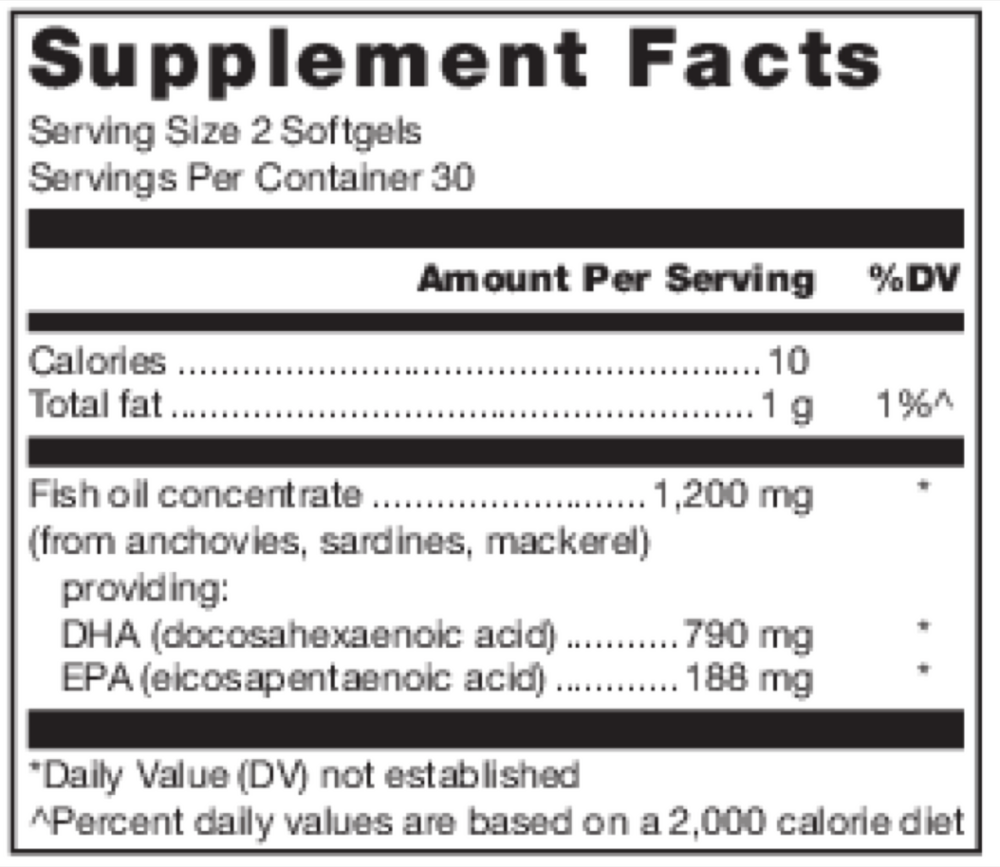


Klean Athlete
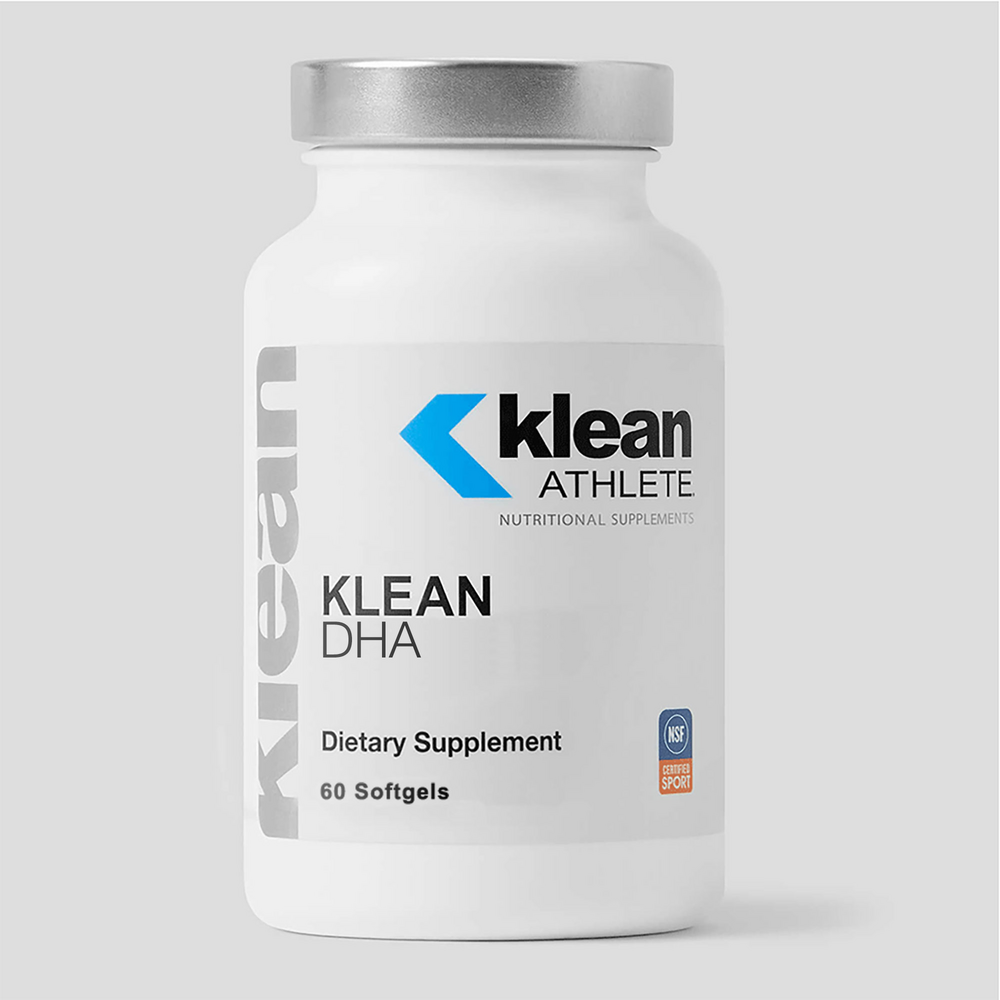
Klean DHA 978 mg by Klean Athlete
60 softgels · 30-day supply
Premium Omega-3 Support for Heart, Brain, and Joint Health$55.50
Purchase options
Practitioner-grade brand3rd-party testedFree shipping $50+
Gluten Free
Klean Athlete Klean DHA overview
If you eat little seafood and want a direct way to raise your DHA fish oil intake, this is a good fit. It’s aimed at people looking to improve their Omega-3 Index (the blood measure of long‑chain omega‑3 status) for brain and eye health more than for triglyceride lowering. It also suits athletes in heavy training, students during intense focus periods, and adults planning pregnancy who aren’t eating fish regularly. If your triglycerides are elevated, this maintenance-level dose is usually too low for reduction on its own.
DHA is the omega‑3 your brain and retina build into cell membranes, where it improves membrane fluidity and the way nerve signals fire. Compared with EPA, DHA is the structural workhorse, so it’s the form most likely to move cognitive and visual markers when your baseline intake is low. As your tissues incorporate DHA over weeks, labs often show a higher Omega-3 Index and, in some responders, small drops in hs-CRP (a blood marker of inflammation). For triglyceride reduction, EPA‑heavier omega‑3 formulas at higher doses do better.
Take two capsules daily with a meal, ideally one that contains fat, which improves omega‑3 absorption. Most people take it with breakfast or dinner; consistency matters more than time of day. Expect blood levels to rise within 4 to 12 weeks, which you can confirm with an Omega-3 Index test. If you get fishy burps, take the capsules mid‑meal or at night, or keep the bottle in the fridge.
Skip fish oil if you have a fish allergy. If you’re on blood thinners like warfarin or high‑dose aspirin, talk to your clinician, as omega‑3s can modestly increase bleeding time. Stop one week before surgery unless your surgeon says otherwise. For those targeting triglyceride reduction, look for 2–4 grams per day of combined EPA+DHA under medical guidance, then consider this dose for maintenance.
Frequently asked questions
What does DHA fish oil do for the brain?
DHA is a structural fat in brain cell membranes. Raising DHA improves membrane fluidity and signaling, which is why low‑seafood eaters often report clearer thinking over weeks as their Omega‑3 Index rises.
How long does DHA fish oil take to work?
Blood levels change within 4–12 weeks. You can track this with an Omega-3 Index test. Cognitive or visual benefits usually follow the same timeline as tissues incorporate DHA into membranes.
Is this dose enough to lower triglycerides?
Usually not. Around 1 gram of omega‑3 per day is a maintenance dose. Triglyceride reduction typically needs 2–4 grams per day of EPA+DHA, confirmed on a lipid panel after 8–12 weeks.
Does fish oil thin your blood?
Omega‑3s can slightly increase bleeding time. For most healthy people this isn’t clinically important, but combine cautiously with warfarin, high‑dose aspirin, or clopidogrel, and pause before surgery.
What’s the difference between DHA and EPA?
DHA is more structural, building brain and eye membranes. EPA is more functional, influencing signaling molecules and doing more of the triglyceride lowering at higher doses. Many people benefit from both.
Can I take DHA fish oil with antidepressants?
Yes in most cases, and omega‑3s are often studied alongside SSRIs. The main interaction concern is with blood thinners, not antidepressants. Always confirm with your prescriber.
Any side effects or tips to avoid fishy burps?
Mild reflux or fishy taste can occur. Take with meals, split the dose, or refrigerate the capsules. If burps persist, try bedtime dosing or a different brand with enteric coating.
Is DHA fish oil safe in pregnancy?
DHA is commonly used in pregnancy for fetal brain and eye development, especially when fish intake is low. Choose purified products and review dosing with your obstetric clinician.
How to take it & ingredients
Suggested use: As a dietary supplement, take 2 capsules daily with a meal.
Active ingredients
2 softgels per serving · 30 servings
▼
Total Omega-3 Fatty Acids
From anchovies, sardines, and mackerel
From anchovies, sardines, and mackerel
978 mg
DHA (Docosahexaenoic Acid)
790 mg
EPA (Eicosapentaenoic Acid)
188 mg
Other ingredients: Fish (tilapia) gelatin capsule (gelatin, glycerin, water), Natural tocopherols, Rosemary leaf extract
Certifications
Benefits
Warnings
Customers also considered
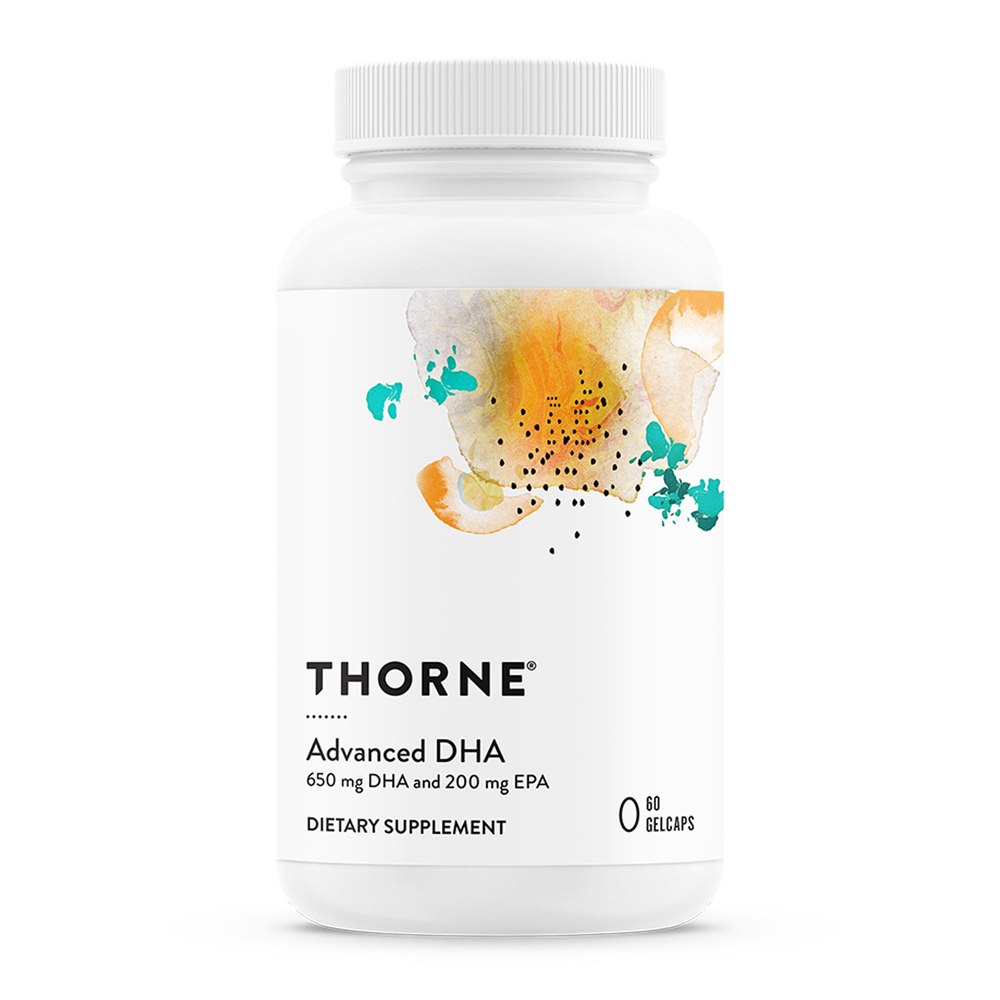
Advanced DHA
Thorne
60 gelcaps
$30.00$27.00 with Subscribe & Save
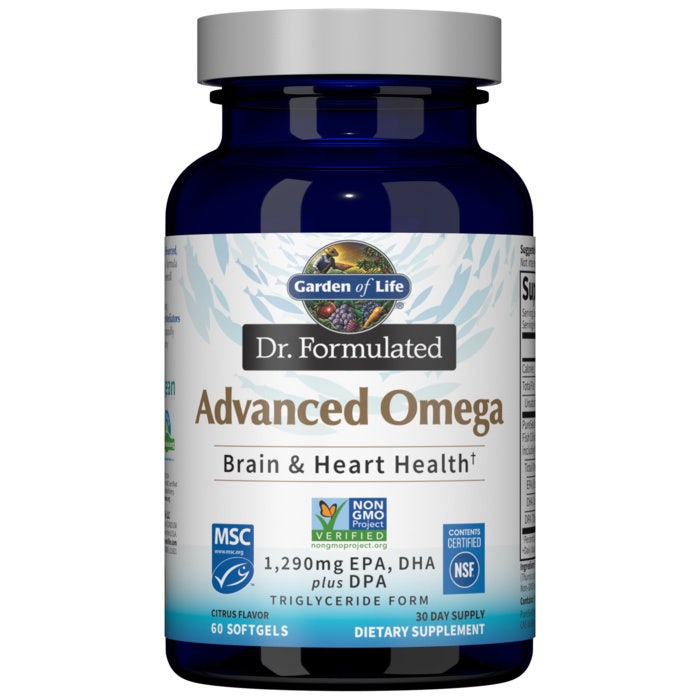
Dr. Formulated Advanced Omega
Garden of Life
60 softgels
$31.99$25.99 with Subscribe & Save
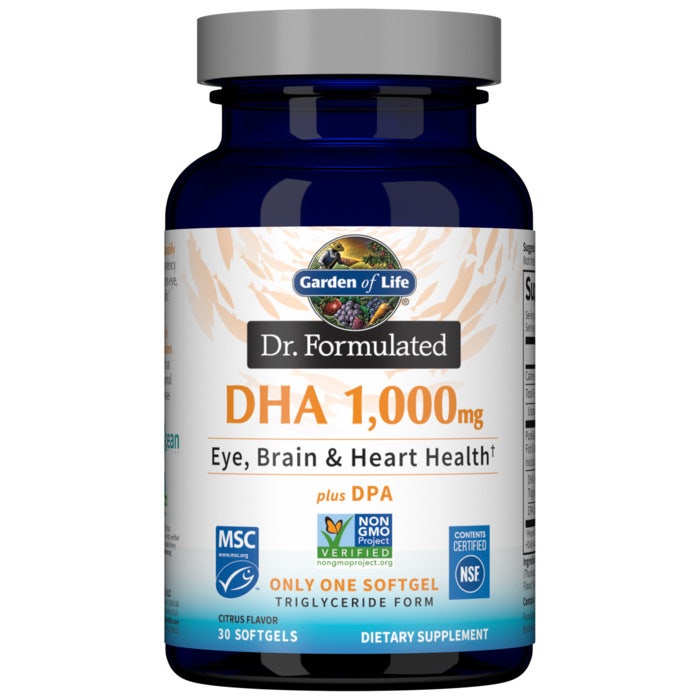
Dr. Formulated DHA 1g
Garden of Life
30 softgels
$31.99$25.99 with Subscribe & Save

Dr. Formulated Prenatal DHA
Garden of Life
30 softgels
$29.99$23.99 with Subscribe & Save