 Instalab
Klean Athlete
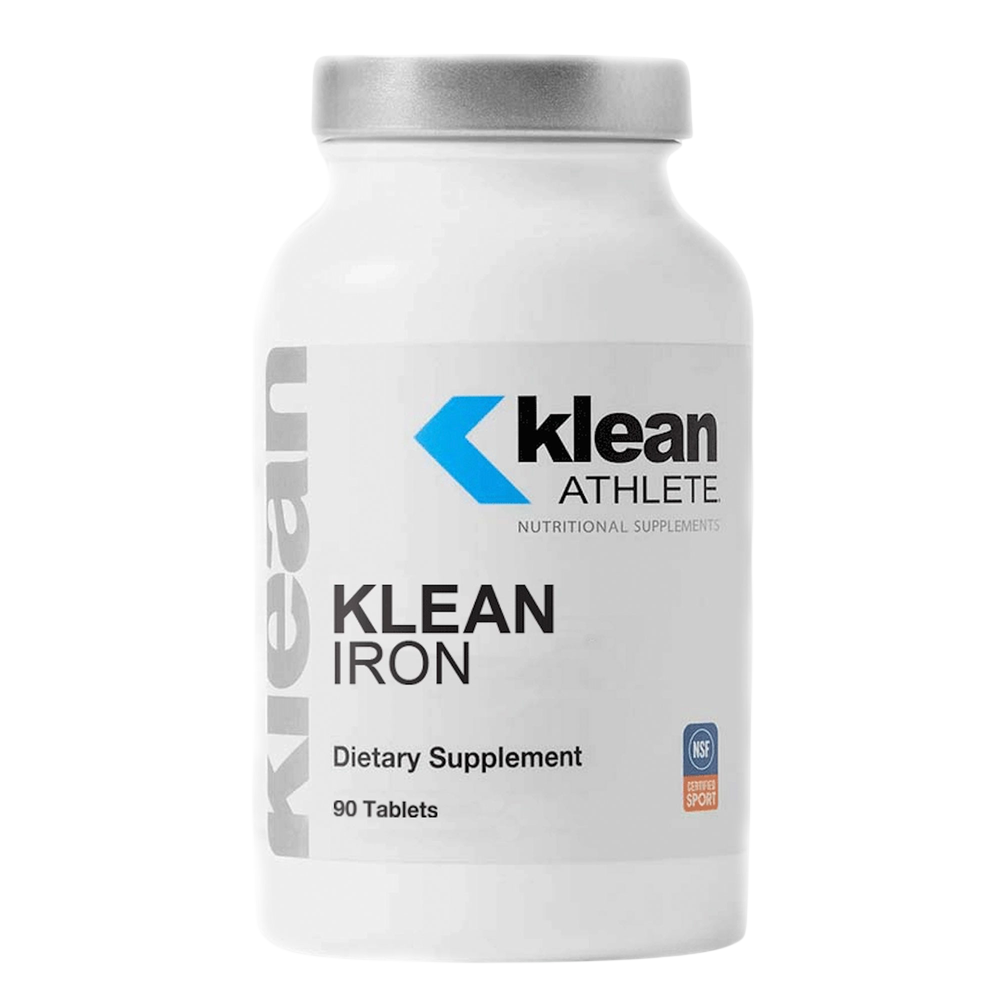
Klean Iron 27 mg by Klean Athlete
90 tablets · 90-day supply
Essential Iron for Enhanced Energy, Performance, and Blood Health$19.00
Purchase options
Practitioner-grade brand3rd-party testedFree shipping $50+
Vegan·Vegetarian·Dairy Free·Egg Free·Fish Free·Animal Product Free·
Klean Athlete Klean Iron overview
If your Ferritin (your iron storage protein) is low or your CBC and Hemoglobin show iron‑deficiency patterns, an iron supplement makes a real difference. This 27 mg carbonyl iron fits menstruating endurance athletes, vegans and vegetarians, and frequent blood donors, especially if fatigue or poor training recovery tracks with low Ferritin. It’s a maintenance or gentle repletion dose; for established iron‑deficiency anemia, clinicians usually use higher elemental iron and closer lab follow‑up.
Carbonyl iron is pure elemental iron in tiny particles that dissolve in stomach acid before absorption in the small intestine. That slow, acid‑dependent release is why it’s typically gentler on the gut than ferrous sulfate, with less nausea or constipation at comparable elemental doses. Once absorbed, iron builds Hemoglobin (the oxygen carrier in red blood cells) and myoglobin (oxygen storage in muscle), which explains improvements in VO2-limited training and reduced exertional fatigue as stores normalize.
Take one tablet daily on an empty stomach, ideally in the morning or every other morning to align with hepcidin (the hormone that temporarily blocks iron absorption) dynamics. Vitamin C or orange juice can improve absorption. Separate from calcium, magnesium, coffee, tea, and high‑fiber cereals by at least two hours. Recheck Ferritin and Hemoglobin within 4 to 8 weeks; filling iron stores often takes 8 to 12 weeks, and longer if your baseline was very low.
Skip supplemental iron if you have hemochromatosis (a genetic iron‑overload disorder), unexplained high Ferritin, repeated transfusions, or active infection unless your clinician directs otherwise. Space iron by 4+ hours from levothyroxine, fluoroquinolones, tetracyclines, and bisphosphonates, since iron binds these drugs and blocks their effect. If you use acid‑suppressing meds (PPIs), absorption from carbonyl iron can drop; pair with vitamin C and get labs to confirm it’s working.
Frequently asked questions
How long does iron take to raise ferritin and hemoglobin?
Reticulocytes (immature red cells) rise in 1–2 weeks, hemoglobin in 2–4 weeks, and Ferritin usually climbs over 8–12 weeks. Recheck labs at 4–8 weeks, then keep going until iron stores are solid and symptoms resolve.
Is carbonyl iron better than ferrous sulfate?
Carbonyl iron is gentler on the gut and has lower acute toxicity risk because it releases slowly in acid. Ferrous sulfate is very well absorbed but causes more nausea/constipation in many people. Efficacy is similar at matched elemental doses if you can tolerate them.
Should I take iron every day or every other day?
Every other day often improves absorption by lowering hepcidin spikes and can reduce side effects. If your clinician wants faster repletion, they may use daily dosing. Use labs (Ferritin, Hemoglobin) to guide frequency.
Can I take iron with coffee, calcium, or magnesium?
No. Coffee/tea polyphenols and minerals like calcium and magnesium block absorption. Take iron on an empty stomach and separate these by at least two hours.
Does iron cause constipation or nausea?
It can, but carbonyl iron is typically easier on the stomach. If you’re sensitive, try every‑other‑day dosing, add vitamin C, hydrate well, and use fiber. Persistent GI issues warrant a different form or dose under guidance.
Can athletes take iron without testing?
Testing first is smarter. Ferritin, Hemoglobin, and Transferrin Saturation clarify if you need iron and how much. Unnecessary iron can accumulate, while too little won’t fix fatigue. Recheck labs after 4–8 weeks.
Will iron interfere with my thyroid medication?
Yes. Iron binds levothyroxine and reduces its absorption. Separate doses by at least four hours and keep your thyroid checks on schedule when starting iron.
Is this iron safe during pregnancy?
Iron is often needed in pregnancy, but dosing should be individualized. Work with your obstetric clinician, use labs to guide, and separate iron from prenatal calcium to maximize absorption.
How to take it & ingredients
Suggested use: As a dietary supplement, adults take 1 tablet daily without food or as directed by a coach, trainer, or health professional.
Active ingredients
1 tablet per serving · 90 servings
Iron
As Ferronyl®, iron carbonyl
As Ferronyl®, iron carbonyl
27 mg
Other ingredients: Microcrystalline cellulose, Ethylcellulose, Stearic acid, Vegetable stearate, Silica, Coating (hypromellose, glycerin)
Certifications
Benefits
Warnings