 Instalab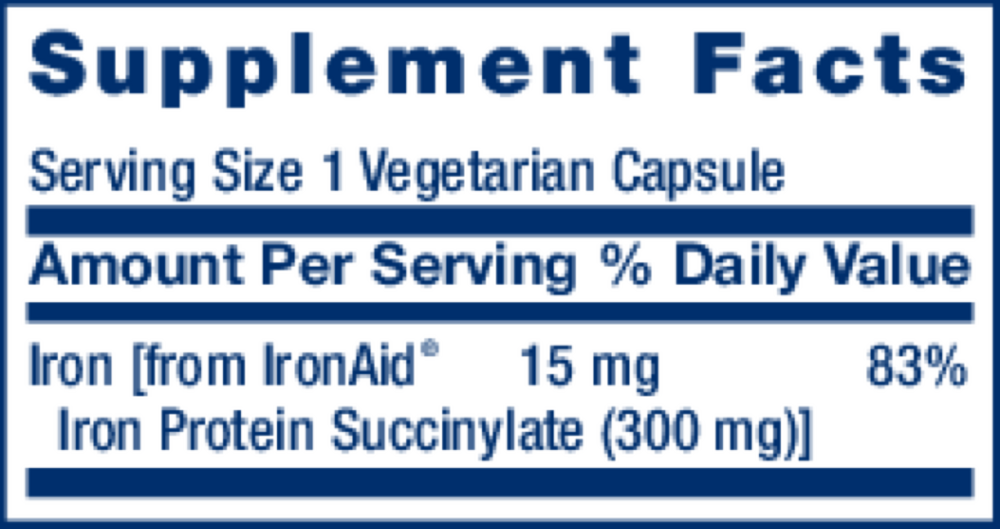

Life Extension
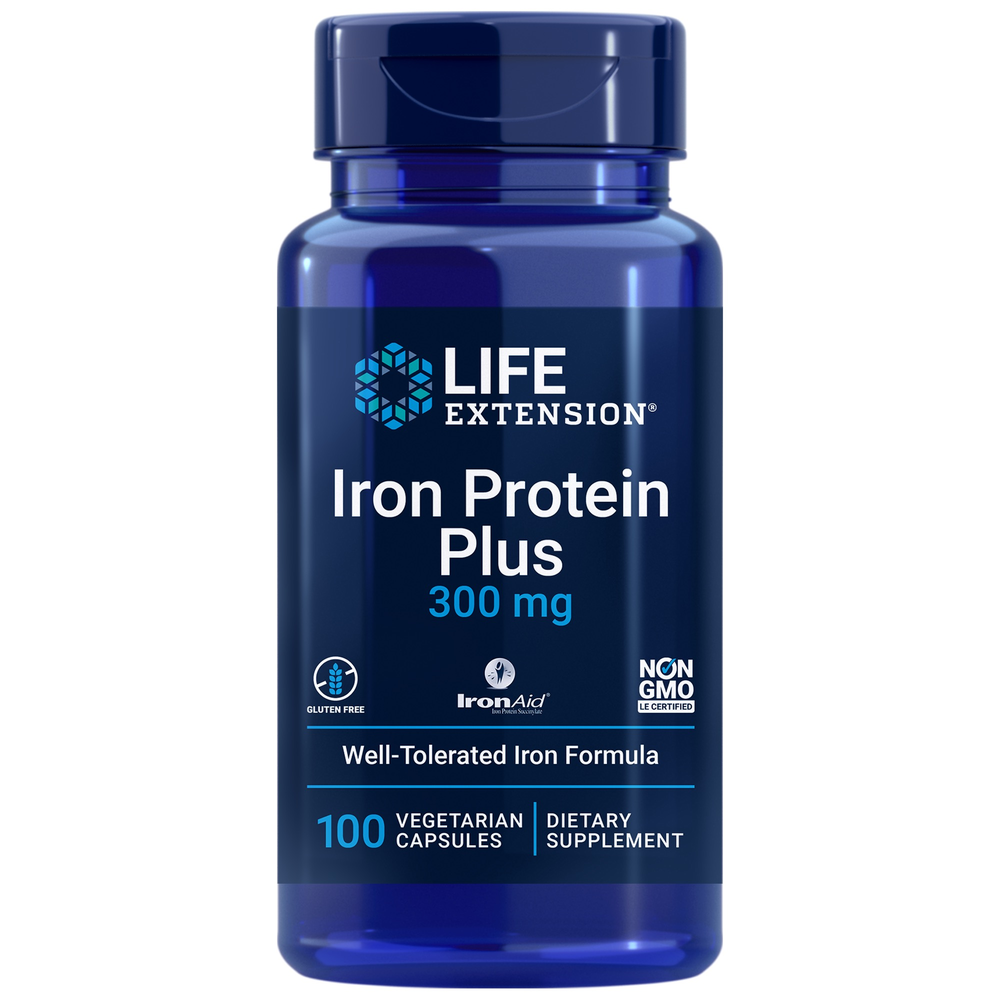
Iron Protein Plus 300 mg 15 mg by Life Extension
100 capsules · 100-day supply
Gentle Iron Supplement for Optimal Energy and Blood Health$28.99
Purchase options
Practitioner-grade brand3rd-party testedFree shipping $50+
Vegetarian·Gluten Free
Life Extension Iron Protein Plus 300 mg overview
If you’re looking for a gentle iron supplement because standard iron upsets your stomach, this fits. It’s a good maintenance dose for adults whose Ferritin (iron storage) or Hemoglobin (oxygen‑carrying protein) runs low‑normal, for menstruating women with heavy periods, frequent blood donors, vegans on restrictive diets, endurance athletes, and those on acid‑reducing drugs. If your Ferritin is meaningfully low or you’re anemic, this dose is usually too low for repletion without clinician‑directed higher dosing.
Iron protein succinylate (IPS) binds iron to a modified milk protein so more of it passes the stomach and releases in the small intestine, which is why many people find it easier on the gut than ferrous sulfate. The iron then rebuilds hemoglobin in red cells and myoglobin in muscle (both move and store oxygen), and restores enzymes in mitochondria (your cell’s energy machinery). As oxygen transport improves, fatigue often eases within weeks, with Ferritin rising over months.
Take one capsule daily, ideally with vitamin C or a vitamin C–containing food to enhance absorption. Avoid taking iron within 2 hours of coffee, tea, calcium, dairy, or high‑fiber cereals, which block uptake. This 15 mg elemental iron is a maintenance‑level dose; repletion for low Ferritin often uses higher daily iron for a limited time under medical guidance. Recheck Ferritin and Hemoglobin in 6–8 weeks to confirm response.
Separate iron by at least 4 hours from levothyroxine, tetracycline or fluoroquinolone antibiotics, levodopa, and bisphosphonates, since iron binds these drugs. Proton pump inhibitors and H2 blockers (acid reducers) can lower absorption; pairing with vitamin C helps. Skip iron if you have hereditary hemochromatosis, repeatedly high Ferritin, or chronic liver disease unless your clinician directs it. IPS contains milk protein, so avoid with a true milk allergy. Pregnancy: use only with prenatal guidance.
Frequently asked questions
Is iron protein succinylate better tolerated than ferrous sulfate?
Yes, many patients report less nausea and constipation with iron protein succinylate because it releases iron in the small intestine rather than the stomach. Absorption is adequate for maintenance; severe deficiency still requires clinician‑directed dosing.
How long does it take to raise ferritin with iron?
Expect early changes in 2–4 weeks, but Ferritin typically rises over 6–12 weeks and may take several months to fully replete stores. Recheck Ferritin and Hemoglobin after 6–8 weeks and continue until stores are solid, then step down.
Can I take iron with coffee or tea?
It’s best to avoid coffee or tea for at least 1–2 hours around your iron dose. Polyphenols and tannins in these drinks bind iron and reduce absorption. Taking iron with vitamin C or orange juice can improve uptake.
Does this iron supplement cause constipation?
Constipation is less common with iron protein succinylate than with ferrous sulfate, but it can still occur. Hydration, magnesium citrate at night, and spacing iron away from constipating calcium supplements can help.
Can I take iron if I’m on a PPI like omeprazole?
You can, but absorption may be reduced because stomach acid aids iron uptake. Taking iron with vitamin C and away from meals that include calcium helps. If labs don’t improve, speak with your clinician about dose or form.
Is this iron vegan or dairy‑free?
No. Iron protein succinylate is derived from milk protein, so it’s not vegan and isn’t suitable for people with a true milk allergy. Those with lactose intolerance usually tolerate it, since it contains protein, not lactose.
Should men take an iron supplement?
Healthy adult men rarely need routine iron. Only supplement if Ferritin or Hemoglobin is low or you have a clear cause of loss (e.g., frequent blood donation), and always rule out unexplained bleeding with your clinician first.
What labs should I check while taking iron?
Track Ferritin (iron storage), Hemoglobin, and sometimes Transferrin saturation (how much iron is bound to its carrier). Recheck after 6–8 weeks to confirm improvement and avoid overshooting.
How to take it & ingredients
Suggested use: Take one (1) capsule daily, or as recommended by a healthcare practitioner.
Active ingredients
1 capsule per serving · 100 servings
Iron
From IronAid® Iron Protein Succinylate (300 mg)
From IronAid® Iron Protein Succinylate (300 mg)
15 mg
Other ingredients: Vegetable cellulose (capsule), Microcrystalline cellulose, Silica, Stearic acid, Milk
Certifications
Benefits
Warnings