 Instalab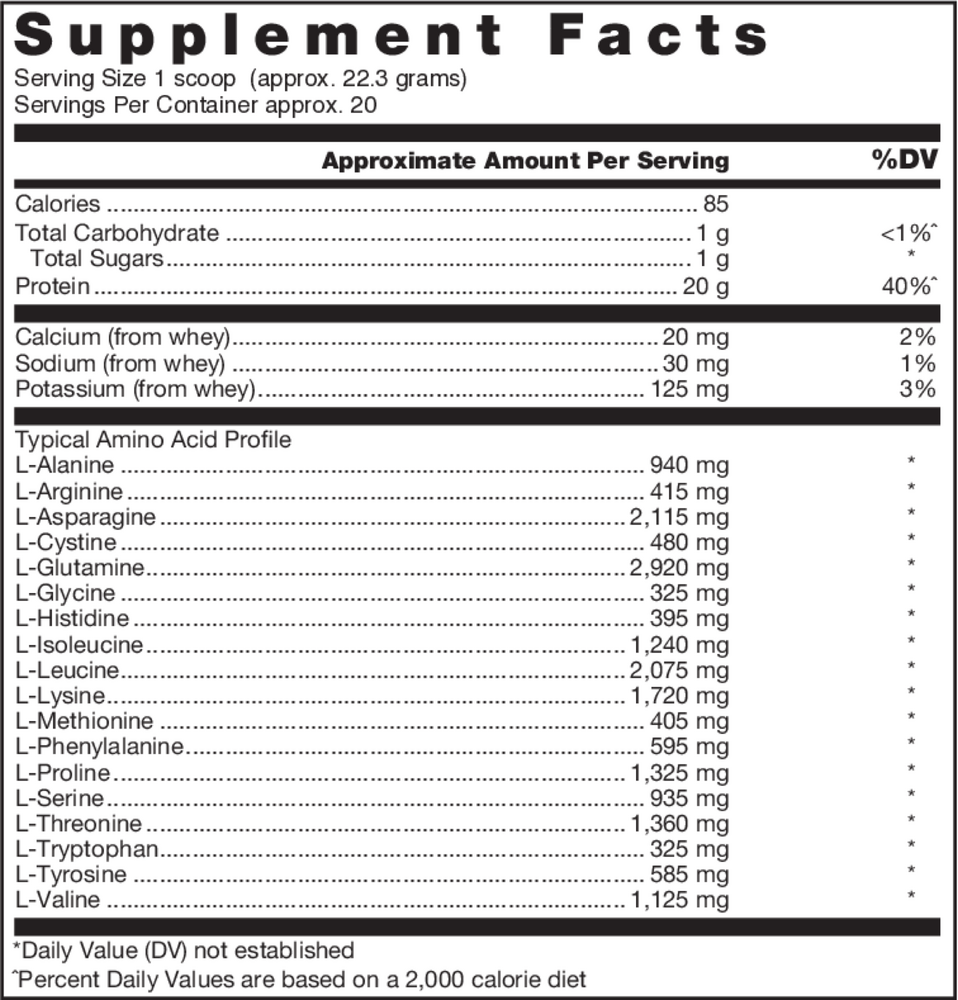

Klean Athlete
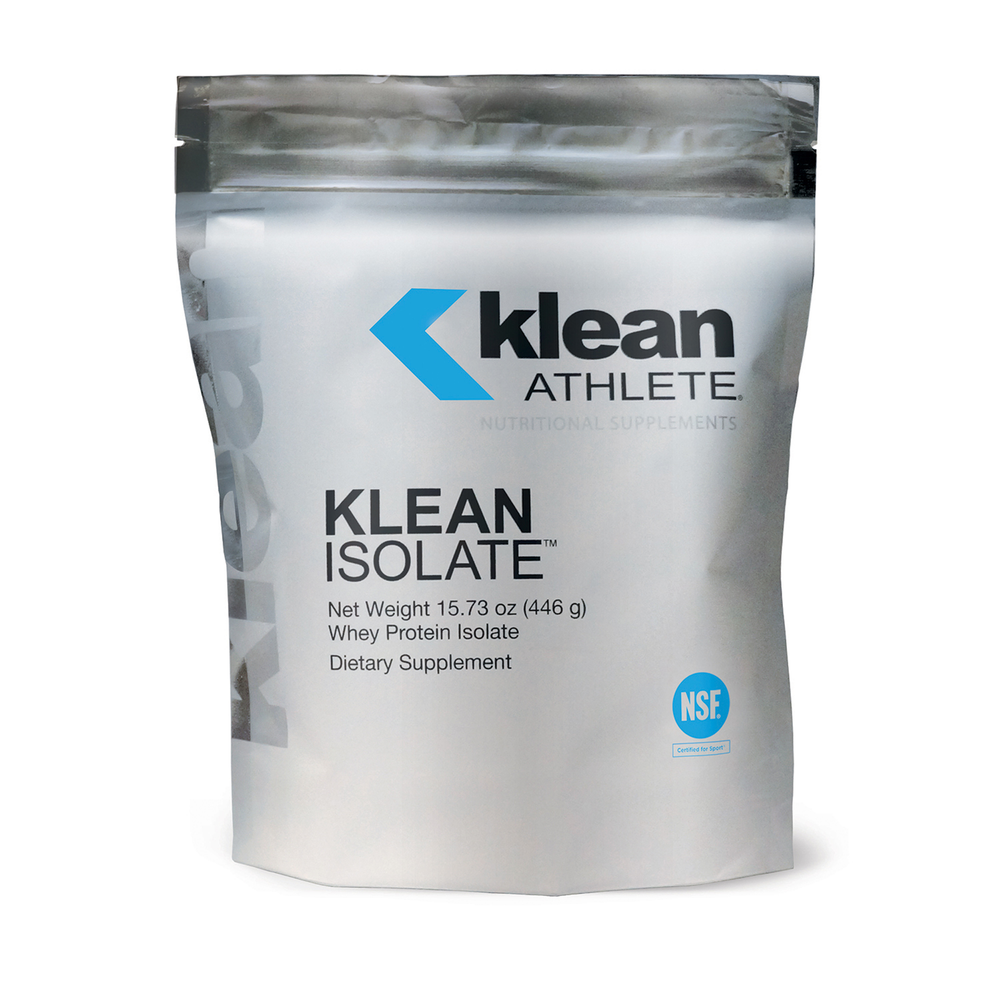
Klean Isolate Pouch by Klean Athlete
446 grams · 20-day supply
High-Quality Whey Protein Isolate for Optimal Muscle Recovery$63.50
Purchase options
Practitioner-grade brand3rd-party testedFree shipping $50+
Gluten Free·Wheat Free·Artificial Color Free·Artificial Flavor Free·Artificial Sweetener Free
Klean Athlete Klean Isolate Pouch overview
If you’re trying to close a protein gap without extra carbs or lactose, whey protein isolate is the straightforward pick. It fits athletes chasing lean mass, adults cutting calories who want to keep muscle, and those 35+ who need a higher protein signal to maintain strength. If you already hit roughly 1.6 g/kg/day from food, a protein powder adds convenience more than results. With known kidney disease, confirm your Creatinine and eGFR (kidney function markers) are stable before increasing protein.
Whey protein isolate digests quickly and is rich in leucine, the amino acid that acts like an on‑switch for muscle building. About 20 g of whey delivers roughly 2 g leucine, enough to trigger muscle protein synthesis in many smaller or average-size adults after training. Because it’s filtered, isolate is low in lactose and fat, so you get essential amino acids and branched‑chain amino acids with minimal extras. Over 4–12 weeks, hitting this signal several times per day supports measurable gains in lean mass and faster recovery.
Mix one scoop with 10–12 oz water or milk any time you need a protein serving. Around workouts, use it within a few hours of training; the window is flexible if total daily protein is met. Larger athletes often need 25–40 g protein to fully trigger the leucine signal, so consider 1–1.5 scoops. During long sessions, pairing whey protein isolate with 20–40 g carbohydrate replenishes glycogen, while bedtime protein can be casein or a second serving if that’s what you have.
Avoid whey protein isolate if you have a true dairy allergy. If you’re lactose intolerant, isolate is typically tolerated, but confirm your response. High‑protein plans aren’t ideal with advanced kidney disease; discuss targets and monitor Creatinine and eGFR. If you take levodopa for Parkinson’s, protein can reduce its absorption—separate doses by several hours. For vegans, a pea‑rice blend is a better match; collagen isn’t a complete protein for muscle.
Unflavored whey protein isolate mixes cleanly into coffee, oats, or smoothies without changing flavor much; flavored versions are better straight in water. If weight loss is the goal, use it to replace lower‑protein snacks rather than adding calories. For injury recovery, aim for 3–4 protein feedings daily, each 20–40 g. Klean Athlete’s NSF Certified for Sport status helps reduce contamination risk in drug‑tested sport.
Frequently asked questions
How much whey protein isolate should I take per day?
Base it on total daily protein, not scoops. Most active adults do well at about 1.6 g/kg/day from all sources. Use 1–2 servings of whey protein isolate to fill gaps you can’t cover with food.
When is the best time to drink whey protein isolate?
Any time you’re short on protein. Around training, within a few hours works fine. What matters most is total daily protein and getting 3–4 protein hits spread across the day.
Will whey protein isolate upset my stomach if I’m lactose intolerant?
Usually not. Whey protein isolate is very low in lactose compared with concentrate. If you’re highly sensitive, start with half a serving, or choose a pea‑rice protein instead.
How long until I see results from whey protein isolate?
With consistent training and adequate calories, most people notice better recovery in 1–2 weeks and lean mass changes in 4–12 weeks. Protein works if your total daily intake is adequate.
Is whey protein isolate good for weight loss?
It helps preserve muscle while in a calorie deficit and increases fullness. Use it to replace lower‑protein snacks or meals. The scale moves when total calories are controlled.
Can I take whey protein isolate before bed?
Yes. Casein is slower‑digesting, but a serving of whey protein isolate at night still contributes to your 24‑hour protein target and supports overnight muscle repair.
Is whey protein isolate safe for people with kidney issues?
If you have diagnosed kidney disease, discuss protein targets with your clinician first. Monitor Creatinine and eGFR. For healthy kidneys, typical intakes are considered safe.
How to take it & ingredients
Suggested use: Adults take one scoop daily mixed with 10 to 12 ounces of water or other beverage, or as directed by your healthcare professional.
Active ingredients
1 scoop (22.2 grams) per serving · 20 servings
Protein
20 g
Calcium
20 mg
Sodium
30 mg
Potassium
125 mg
Other ingredients: Whey protein isolate (from milk), Sunflower lecithin
Certifications
Benefits
Warnings
Customers also considered
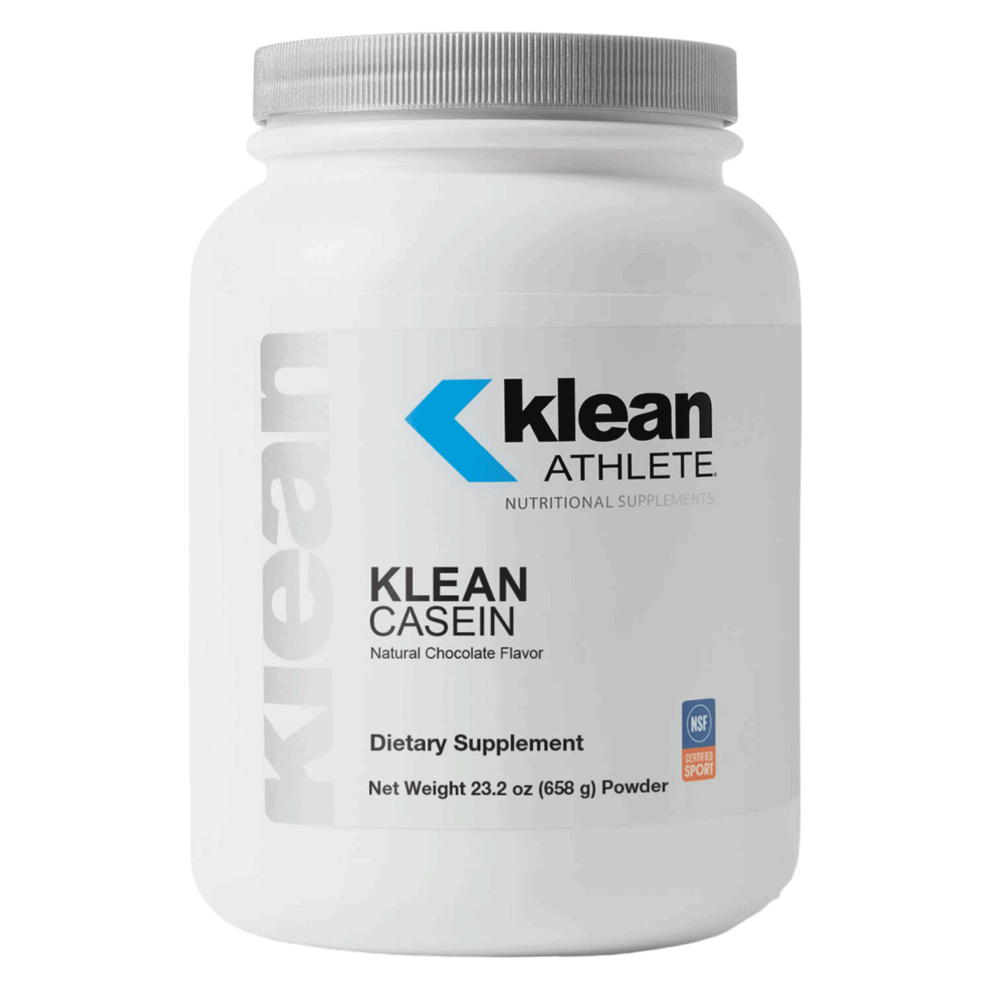
Casein Natural Chocolate
Klean Athlete
658 grams
$68.50$54.99 with Subscribe & Save
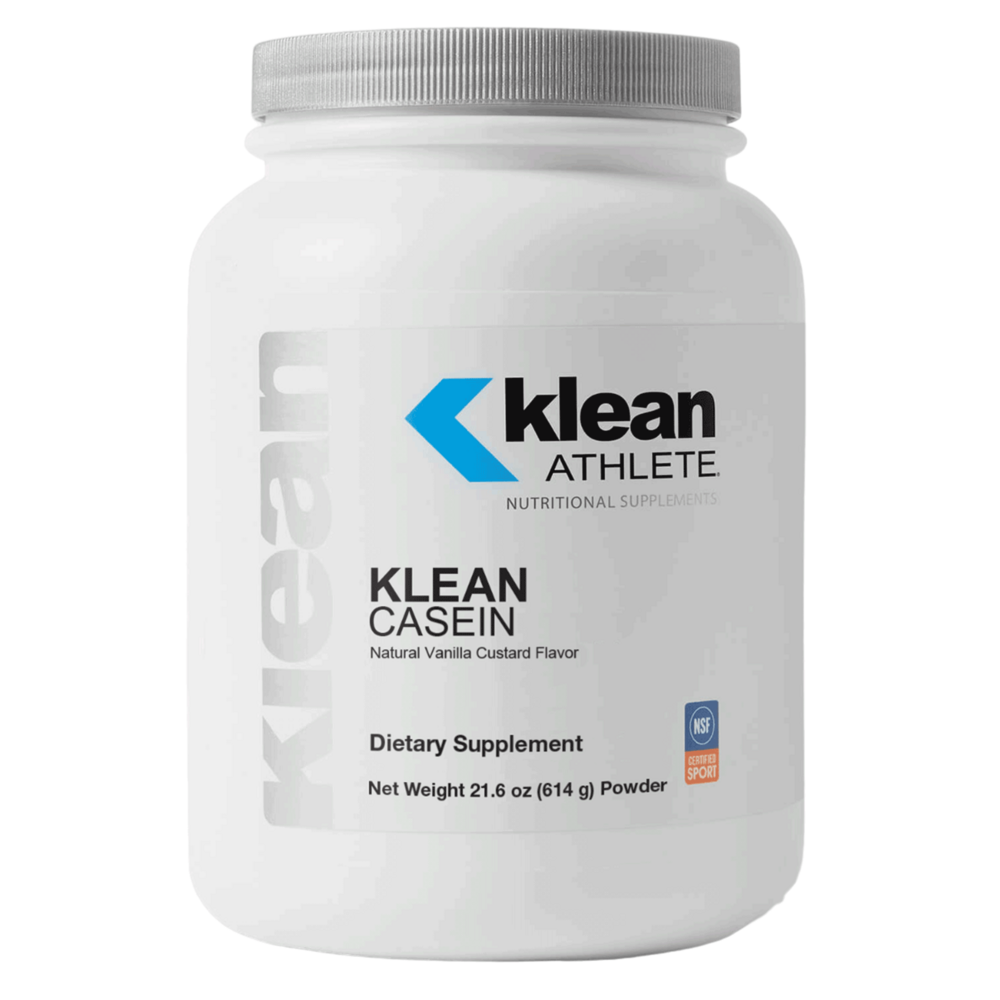
Casein Natural Vanilla Custard Flavor
Klean Athlete
614 grams
$68.50$54.99 with Subscribe & Save
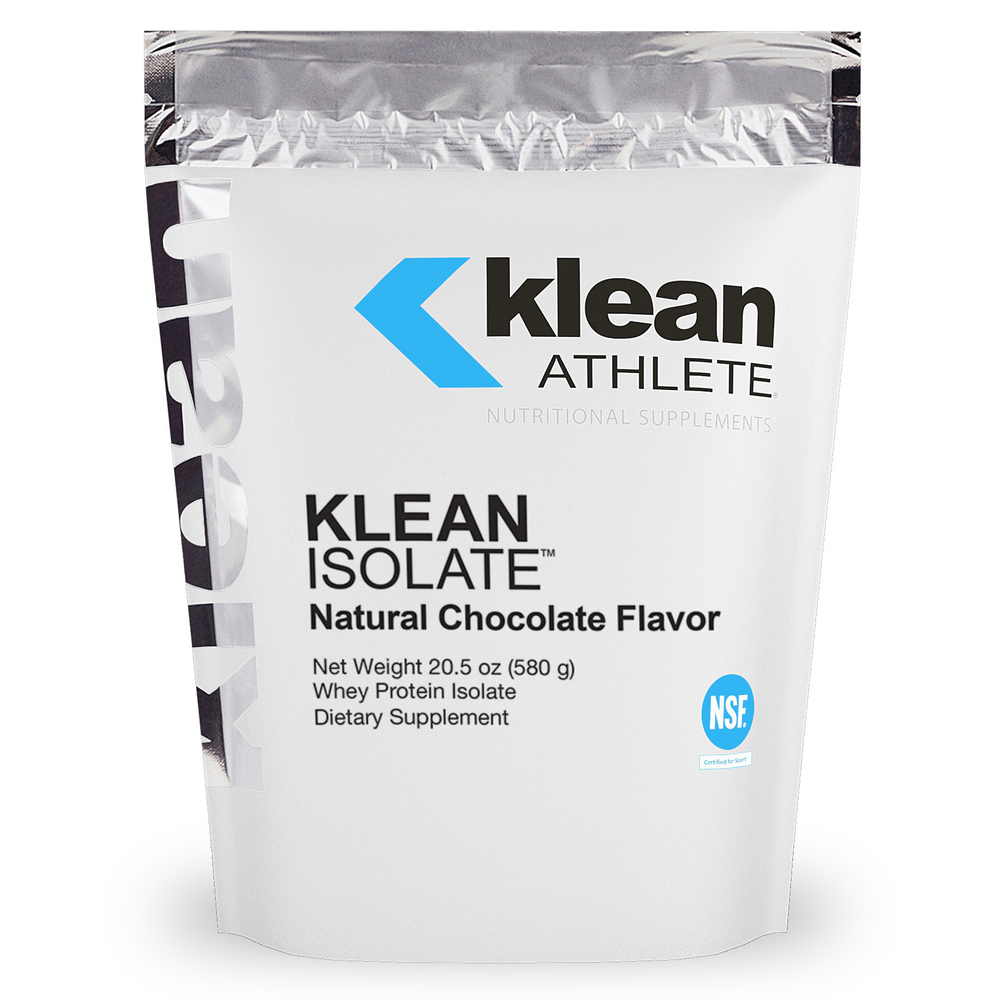
Klean Isolate Natural Chocolate
Klean Athlete
580 grams
$64.50$51.99 with Subscribe & Save
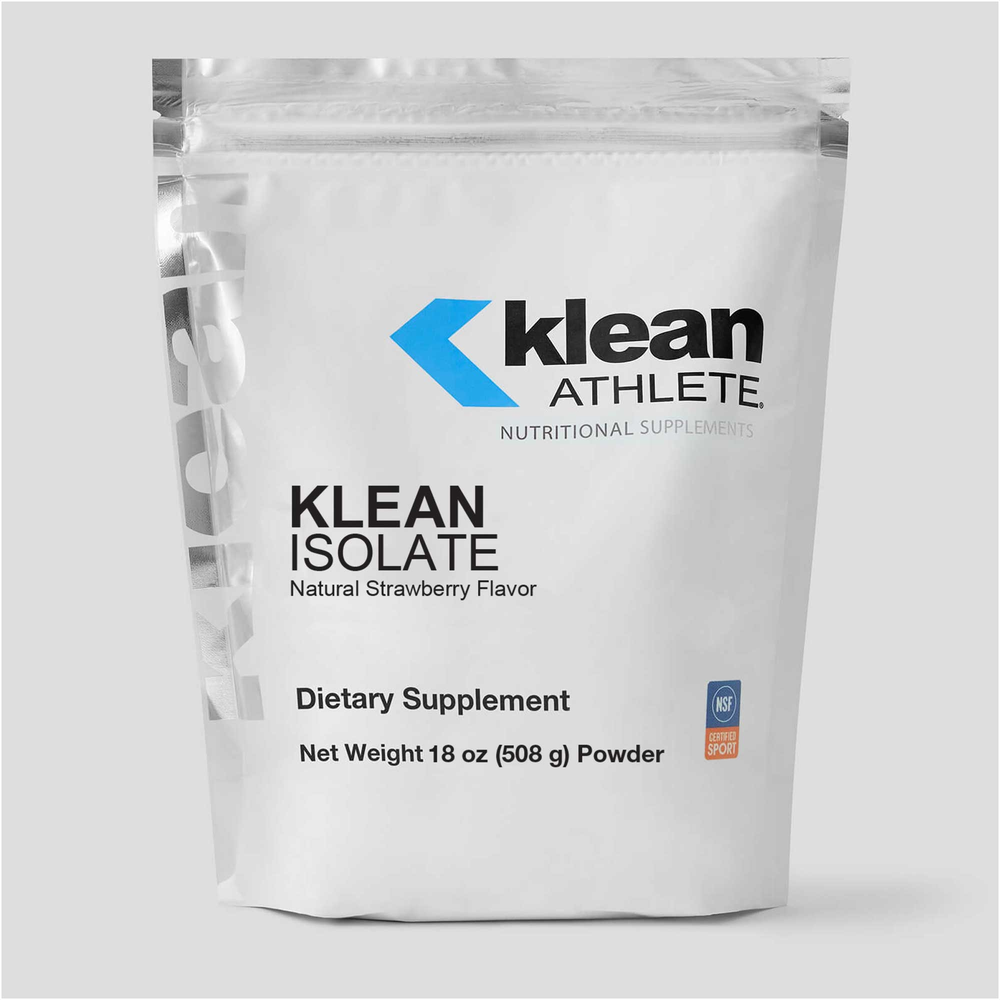
Klean Isolate Natural Strawberry
Klean Athlete
508 grams
$64.50$51.99 with Subscribe & Save