 Instalab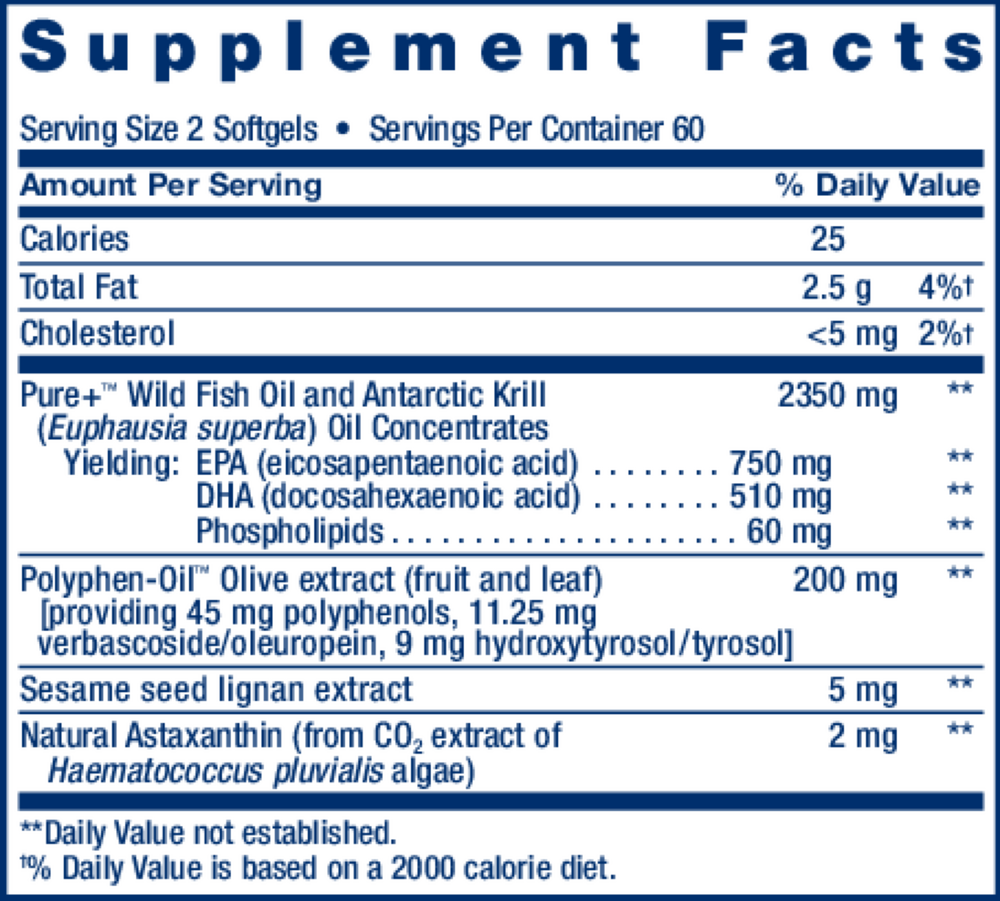



Life Extension
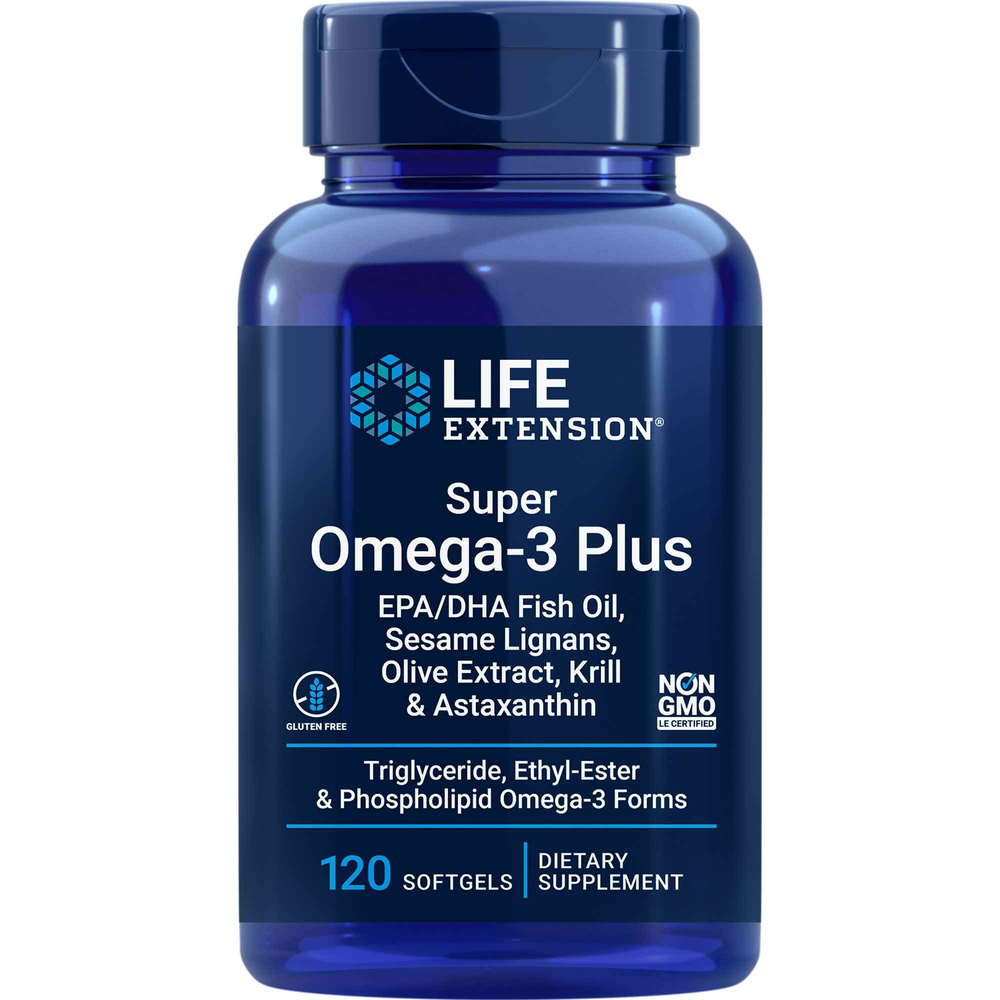
Super Omega-3 Plus by Life Extension
120 softgels · 60-day supply
Comprehensive Omega-3 Support for Heart, Brain, and Joint Health$54.99
Purchase options
Practitioner-grade brand3rd-party testedFree shipping $50+
Life Extension Super Omega-3 Plus overview
If you’re literally searching for fish oil for high triglycerides, this omega-3 profile fits. It suits adults with elevated Triglycerides, a low Omega-3 Index, or an hs-CRP (an inflammation marker) that runs high. It’s also practical if you rarely eat fish, have joint stiffness after training, or take a statin and still see high triglycerides on your lipid panel. Vegans should use algal EPA/DHA instead of fish oil.
EPA and DHA reduce how much fat your liver packs into VLDL particles (the carriers that show up as triglycerides), and they nudge cells to burn fatty acids for energy faster. Most responders see triglycerides drop 20–30% within 4 to 12 weeks, with modest improvements in hs-CRP. The added astaxanthin (an algae-derived antioxidant) and olive polyphenols help limit lipid oxidation, while sesame lignans and phospholipids aid stability and absorption so more omega-3 reaches cell membranes.
Take Life Extension Super Omega-3 Plus with meals, split twice daily as directed, to improve absorption and cut down on fishy burps. Be consistent for 4 to 12 weeks, then recheck your Triglycerides and Omega-3 Index to see if you’ve hit your target. If triglycerides remain high, discuss a higher-total-omega-3 intake or prescription EPA (icosapent ethyl) with your clinician, rather than just adding random supplements.
Omega-3 can slightly increase bleeding tendency. If you use warfarin, apixaban, rivaroxaban, clopidogrel, or daily aspirin, loop in your clinician and monitor as advised. Separate from cholestyramine or orlistat (a fat‑absorption blocker) by several hours. If you have a fish allergy, upcoming surgery, or a history of atrial fibrillation (irregular heartbeat), get individualized guidance—gram‑level omega-3s can be a concern in those settings.
Frequently asked questions
How long does fish oil take to lower triglycerides?
Expect a meaningful change within 4 to 12 weeks if you’re taking an adequate EPA+DHA dose daily with meals. Recheck your Triglycerides and Omega-3 Index after that window to judge response, then adjust with your clinician.
Does fish oil thin your blood or increase bleeding?
At gram-level doses, omega-3s can modestly increase bleeding tendency. Most healthy adults do fine, but if you’re on anticoagulants or antiplatelet drugs, involve your clinician and monitor as advised, especially before procedures.
What’s the best time to take omega-3?
Take omega-3 with food, ideally a meal that contains some fat. Splitting the total into morning and evening doses improves absorption and reduces reflux or fishy aftertaste for many people.
Can fish oil raise LDL cholesterol?
EPA+DHA sometimes nudges LDL-C slightly up in people with high triglycerides, even as triglycerides fall. What matters is the overall risk picture—triglyceride reduction is still beneficial. Recheck your full lipid panel after 4–12 weeks.
Is fish oil safe in pregnancy or breastfeeding?
Omega-3 is important in pregnancy, but use purified, low-contaminant sources and discuss dosing with your obstetric clinician. Algal DHA/EPA is a good non-fish alternative if you prefer to avoid fish oil.
How much omega-3 do I need to lower triglycerides?
Trials that lower triglycerides typically use a total of 2–4 grams per day of EPA+DHA, or prescription EPA at 4 grams. Use your Triglycerides and Omega-3 Index to guide dose with a clinician rather than guessing.
How do I reduce fishy burps from fish oil?
Take capsules with meals, split the dose, and avoid taking them right before lying down. Keeping softgels in the fridge or freezer can also reduce aftertaste for some people.
How to take it & ingredients
Suggested use: Take two (2) softgels twice daily with meals, or as recommended by a healthcare practitioner.
Active ingredients
2 softgels per serving · 60 servings
Eicosapentaenoic Acid (EPA)
750 mg
Docosahexaenoic Acid (DHA)
510 mg
Phospholipids
60 mg
Polyphen-Oil™ Olive Extract
200 mg
Sesame Seed Lignan Extract
5 mg
Natural Astaxanthin (from Haematococcus pluvialis algae)
2 mg
Other ingredients: Highly Refined Fish Oil Concentrate (Anchovy, Mackerel, Sardine), Gelatin, Glycerin, Beeswax, Purified Water, Silica, Natural Flavor, Extra Virgin Olive Oil, Caramel Color, Maltodextrin, Mixed Tocopherols, Rosemary Extract
Certifications
Benefits
Warnings
Customers also considered
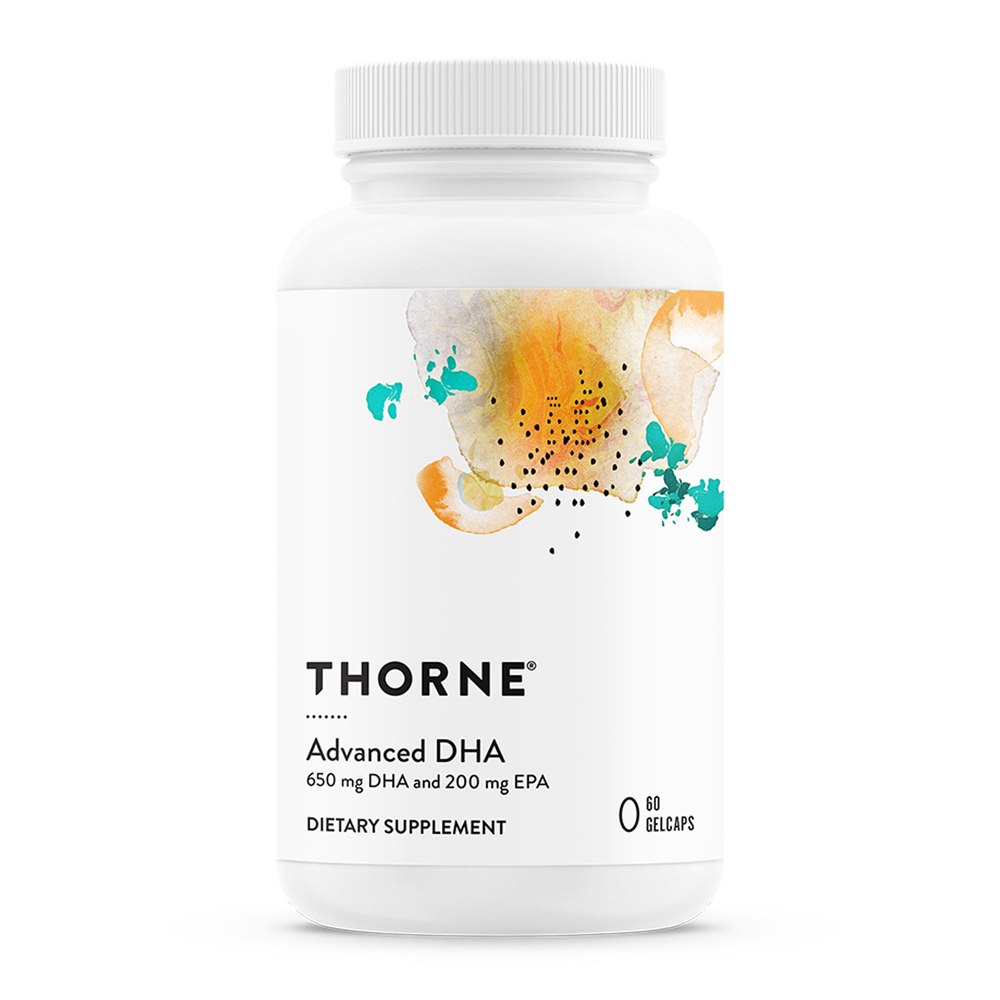
Advanced DHA
Thorne
60 gelcaps
$30.00$27.00 with Subscribe & Save
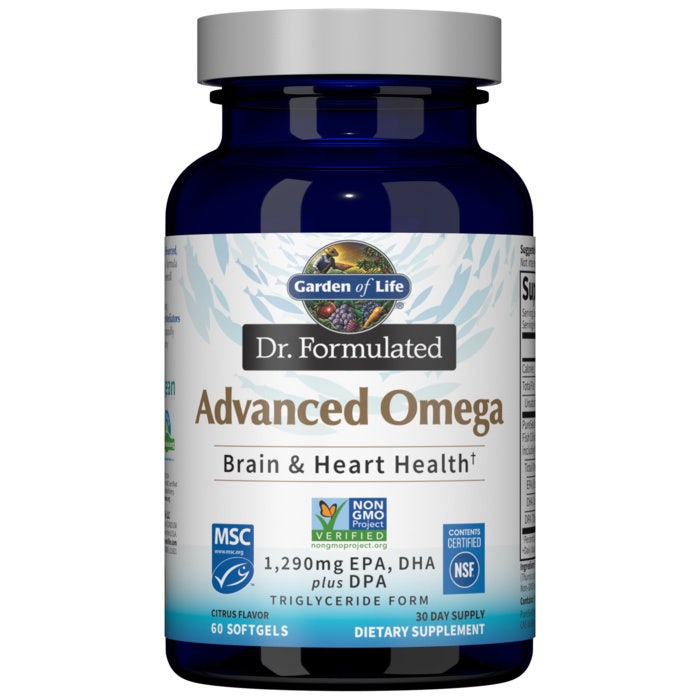
Dr. Formulated Advanced Omega
Garden of Life
60 softgels
$31.99$25.99 with Subscribe & Save
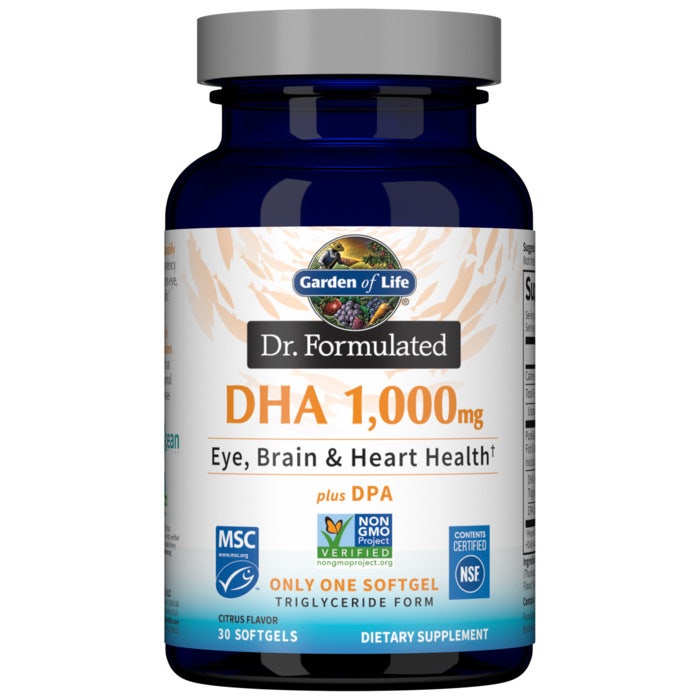
Dr. Formulated DHA 1g
Garden of Life
30 softgels
$31.99$25.99 with Subscribe & Save

Dr. Formulated Prenatal DHA
Garden of Life
30 softgels
$29.99$23.99 with Subscribe & Save