 Instalab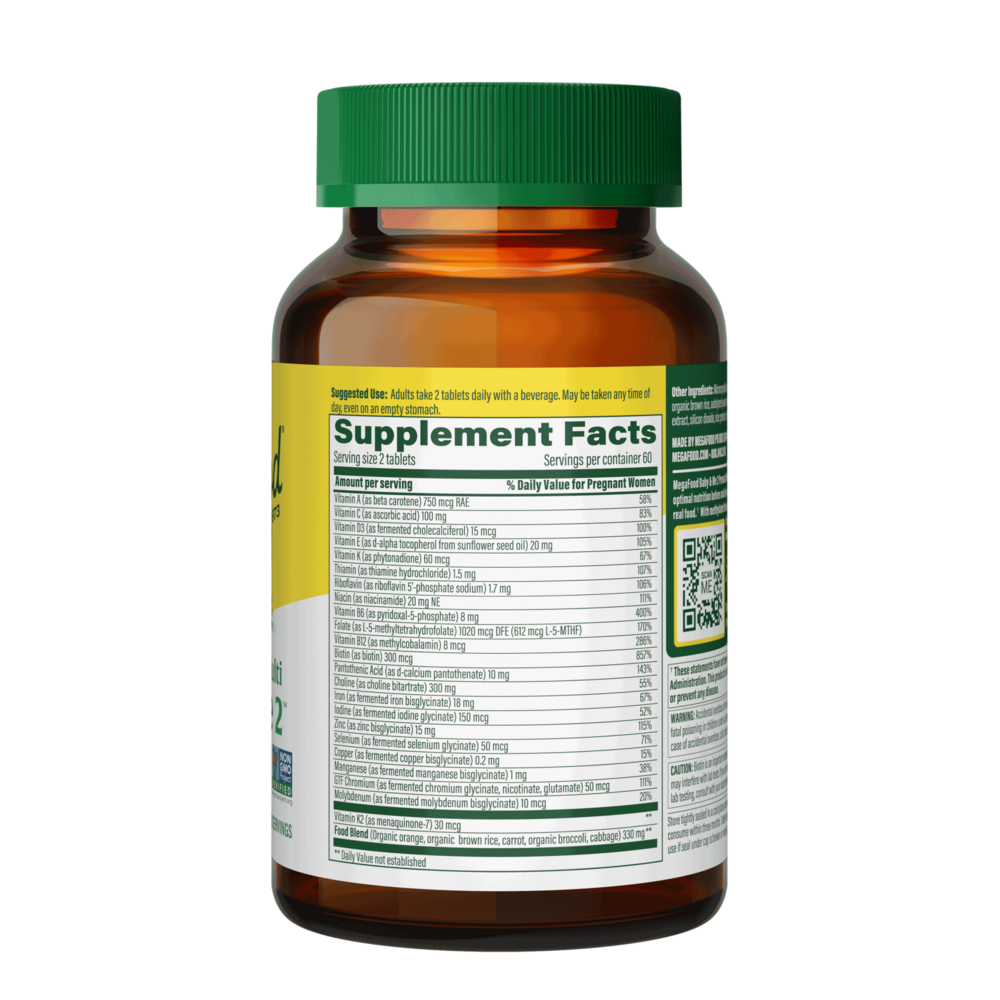

MegaFood
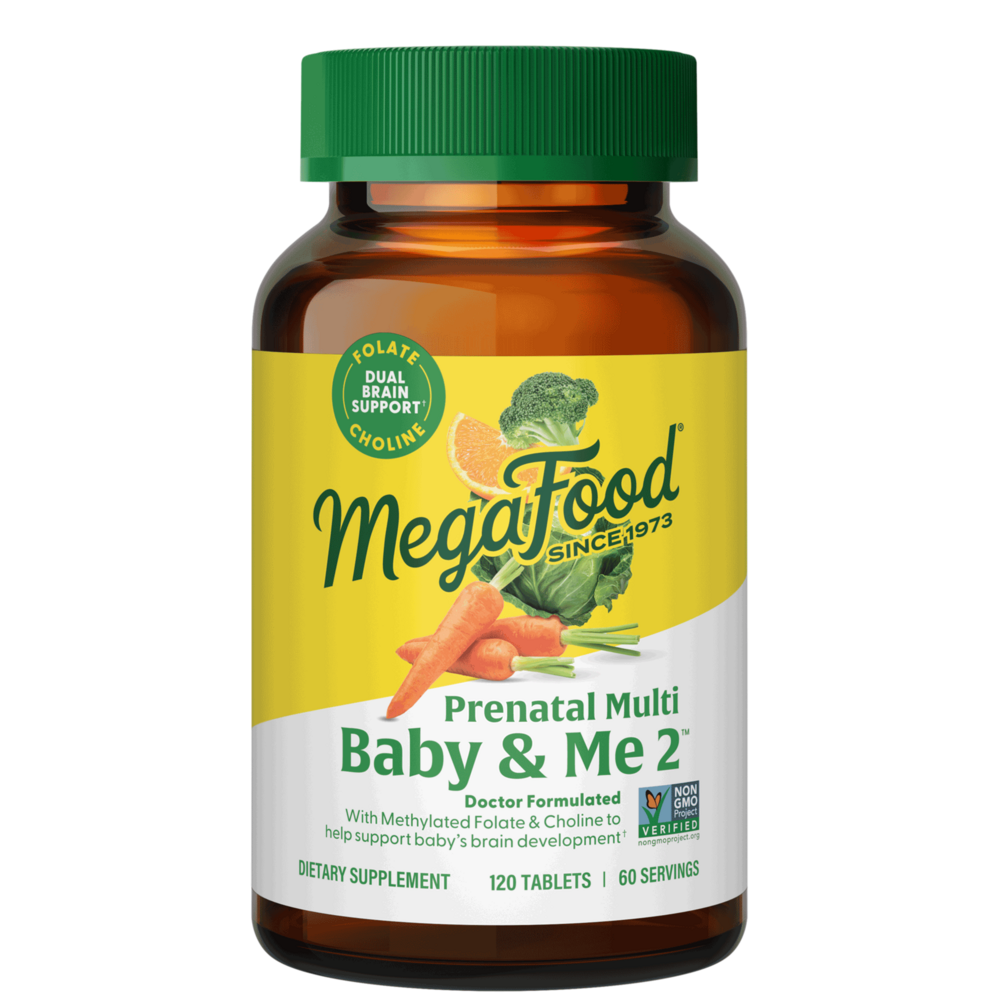
Baby & Me 2 by MegaFood
120 tablets · 60-day supply
Comprehensive Prenatal Support for Mom and Baby's Health$87.99
Purchase options
Practitioner-grade brand3rd-party testedFree shipping $50+
Vegetarian·Kosher·Gluten Free·Soy Free·Dairy Free·Milk Free·
MegaFood Baby & Me 2 overview
If you’re trying to conceive, already pregnant, or breastfeeding, a prenatal vitamin is practical insurance. This formula fits women who want methylated folate (L‑5‑MTHF) instead of folic acid, gentle iron at the standard prenatal dose, and meaningful choline. It’s a good match if your Ferritin (iron stores) runs low, your Vitamin D, 25-Hydroxy is in the lower range, or you don’t regularly eat eggs, dairy, or seafood. Vegans and those with morning sickness who can’t rely on food variety also tend to benefit.
L‑5‑MTHF is the methylated folate your body uses directly, which sidesteps the MTHFR enzyme step that some people convert poorly. Iron bisglycinate is chelated iron bound to amino acids, typically gentler on the stomach than ferrous sulfate. The 300 mg of choline (as choline bitartrate) supports fetal brain and neural tube development, and iodine supports thyroid hormone production, which drives baby’s growth. Vitamin D3 helps calcium absorption and bone building; the mix of K1 and K2 guides where that calcium goes.
Take 2 tablets daily, together or split, any time of day; many feel best with food, but this can be taken on an empty stomach. For better iron uptake, take it away from calcium-rich foods, coffee, or tea by a couple of hours. If nausea is an issue, take at night and keep it down with a small snack. Recheck Ferritin and Vitamin D, 25-Hydroxy within 8–12 weeks to see if you need extra iron or vitamin D beyond the prenatal.
Skip iron-containing prenatals if you have high Ferritin or hemochromatosis (iron overload). If you take levothyroxine for thyroid disease, separate this by at least 4 hours because iron and calcium reduce absorption. Warfarin users should avoid extra vitamin K without clinician oversight. The 300 mg choline here covers a chunk of pregnancy needs, but many will still need choline-rich foods (eggs) or an add-on to reach typical targets. This multivitamin doesn’t include DHA; add a fish oil or algae DHA if your seafood intake is low.
Frequently asked questions
When should I start a prenatal vitamin?
Start at least 1–3 months before trying to conceive and continue through breastfeeding. Folate and iodine status matter early, often before you know you’re pregnant, so earlier is better.
Does this prenatal have enough choline?
It provides 300 mg, which covers a meaningful portion of pregnancy needs. Many women still aim higher via eggs or an extra choline supplement to fully meet typical targets.
Do I still need DHA with a prenatal vitamin?
Yes if you don’t eat low‑mercury seafood 2–3 times weekly. This prenatal has no DHA; add a fish oil or algae DHA. Recheck your Omega‑3 Index if you want confirmation.
Can I take a prenatal vitamin on an empty stomach?
You can, and this one is formulated to be gentle. If you feel nausea, take it with a small meal or at bedtime. Avoid taking it with coffee or tea, which can block iron absorption.
How long until iron levels improve with a prenatal?
If you were low, Ferritin usually rises over 4–12 weeks. Response depends on baseline stores and absorption. Retest and adjust with your clinician if levels don’t climb.
Is methylated folate better if I have an MTHFR variant?
Methylated folate (L‑5‑MTHF) is the active form and bypasses the MTHFR step, so it’s a reasonable choice when conversion is uncertain. It works well for those without variants too.
Is vitamin K safe in a prenatal vitamin?
Yes for most pregnant women. Vitamin K helps guide calcium into bones. If you take warfarin or have a bleeding disorder, consult your clinician before using vitamin K–containing products.
Can I take a prenatal with levothyroxine?
Yes, but separate by at least 4 hours. Iron and calcium in prenatals bind levothyroxine in the gut and reduce its absorption, which can worsen thyroid control.
How to take it & ingredients
Suggested use: Take 2 tablets daily with a beverage. May be taken anytime throughout the day, even on an empty stomach.
Active ingredients
2 tablets per serving · 60 servings
Vitamin A
Beta carotene (from carrot)
Beta carotene (from carrot)
1250 IU, 750 mcg RAE
Vitamin C
Ascorbic acid (from organic orange)
Ascorbic acid (from organic orange)
100 mg
Vitamin D3
Fermented cholecalciferol
Fermented cholecalciferol
600 IU, 15 mcg
Vitamin E
D-alpha tocopherol (from sunflower seed oil)
D-alpha tocopherol (from sunflower seed oil)
18 IU, 20 mg
Vitamin K
Phytonadione (from cabbage)
Phytonadione (from cabbage)
60 mcg
Vitamin K2
30 mcg
Thiamine
Thiamine hydrochloride (with S. cerevisiae)
Thiamine hydrochloride (with S. cerevisiae)
1.5 mg
Riboflavin
Riboflavin 5'-phosphate sodium (in organic brown rice)
Riboflavin 5'-phosphate sodium (in organic brown rice)
1.7 mg
Niacin
Niacinamide (in S. cerevisiae)
Niacinamide (in S. cerevisiae)
20 mg
Vitamin B6
Pyridoxal-5-phosphate (with organic brown rice)
Pyridoxal-5-phosphate (with organic brown rice)
8 mg
Folate
L-5-methyltetrahydrofolate (with broccoli)
L-5-methyltetrahydrofolate (with broccoli)
1020 mcg DFE, 600 mcg L-5-MTHF
Vitamin B12
Methylcobalamin (with S. cerevisiae)
Methylcobalamin (with S. cerevisiae)
8 mcg
Biotin
With organic brown rice
With organic brown rice
300 mcg
Pantothenic Acid
D-calcium pantothenate (with organic brown rice)
D-calcium pantothenate (with organic brown rice)
10 mg
Choline
Choline bitartrate
Choline bitartrate
300 mg
Iron
Fermented iron bisglycinate
Fermented iron bisglycinate
18 mg
Iodine
Fermented iodine glycinate
Fermented iodine glycinate
150 mcg
Zinc
Zinc bisglycinate
Zinc bisglycinate
15 mg
Selenium
Fermented selenium glycinate
Fermented selenium glycinate
50 mcg
Copper
Fermented copper bisglycinate
Fermented copper bisglycinate
0.2 mg
Manganese
Fermented manganese bisglycinate
Fermented manganese bisglycinate
1 mg
Chromium
Fermented chromium glycinate, nicotinate, glutamate
Fermented chromium glycinate, nicotinate, glutamate
50 mcg
Molybdenum
Fermented molybdenum bisglycinate
Fermented molybdenum bisglycinate
10 mcg
Food Blend
Organic food and yeast-based blend
Organic food and yeast-based blend
333 mg
Other ingredients: Microcrystalline cellulose, Fermented media (rice protein, organic brown rice, autolyzed yeast extract, yeast (inactive)), Silicon dioxide, Rice protein, Stearic acid, Hypromellose
Certifications
Benefits
Warnings
Customers also considered
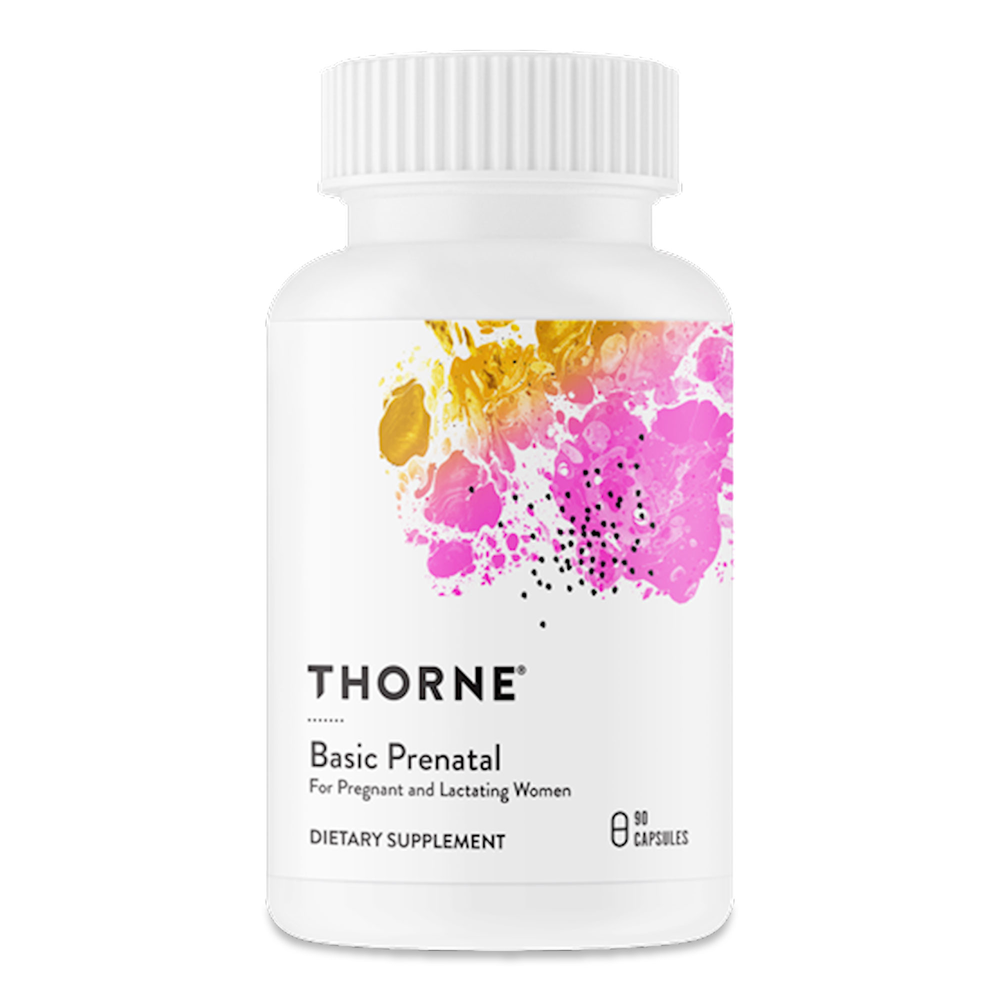
Basic Prenatal
Thorne
90 capsules
$37.00$33.30 with Subscribe & Save
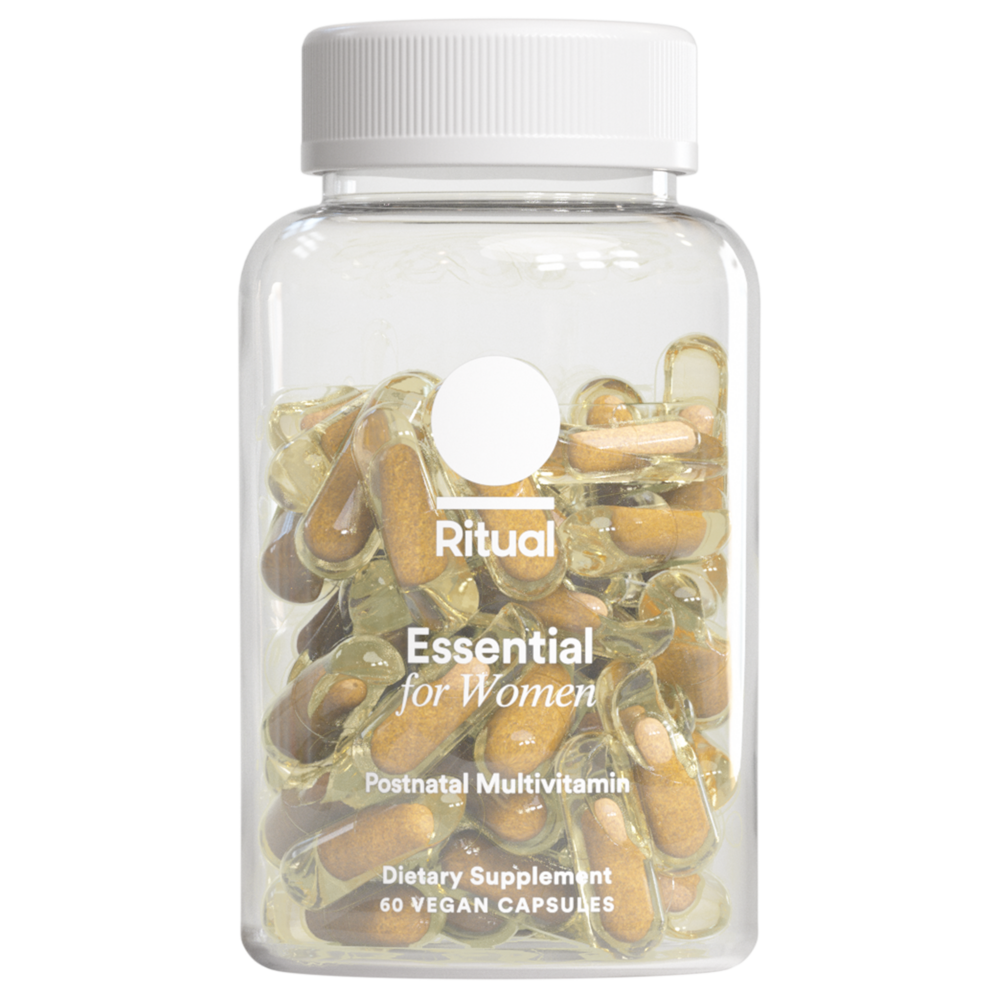
Essential for Women Postnatal Multivitamin - Citrus
Ritual
60 capsules
$44.99$35.99 with Subscribe & Save
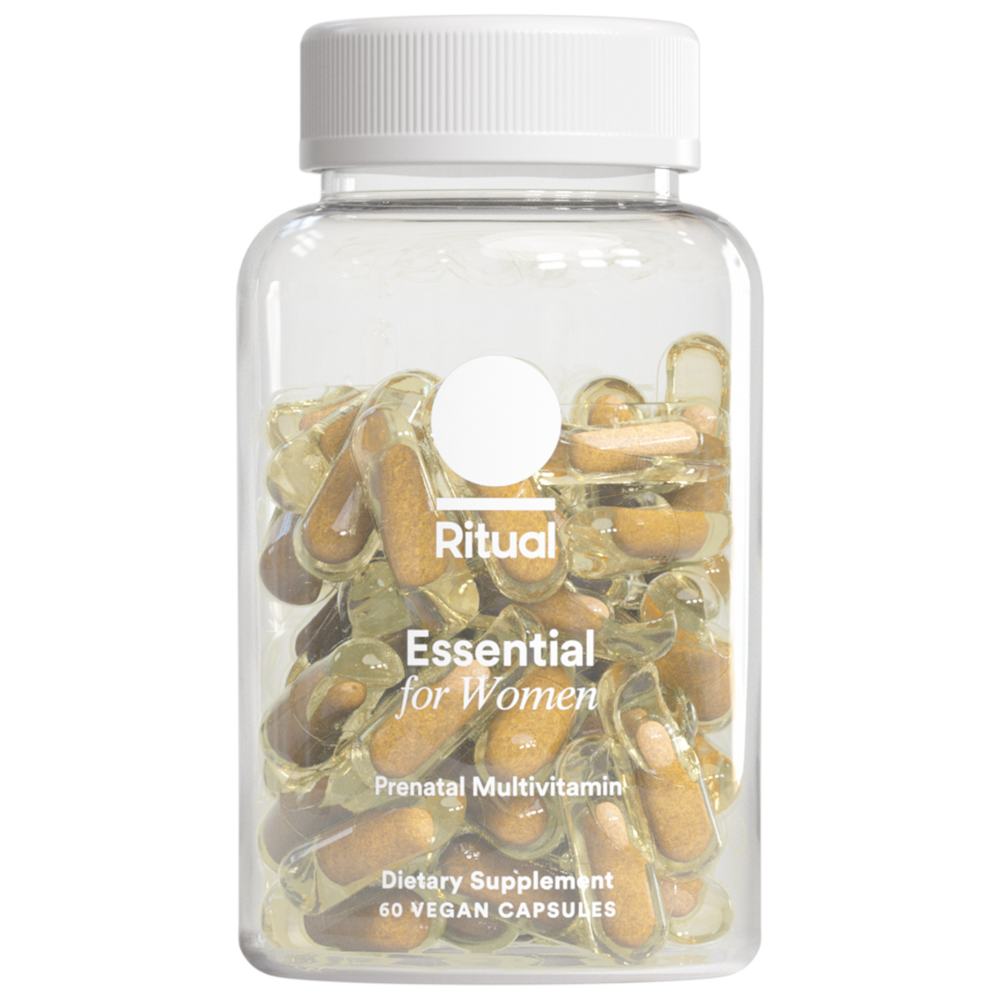
Essential for Women Prenatal Multivitamin - Citrus
Ritual
60 capsules
$44.99$35.99 with Subscribe & Save
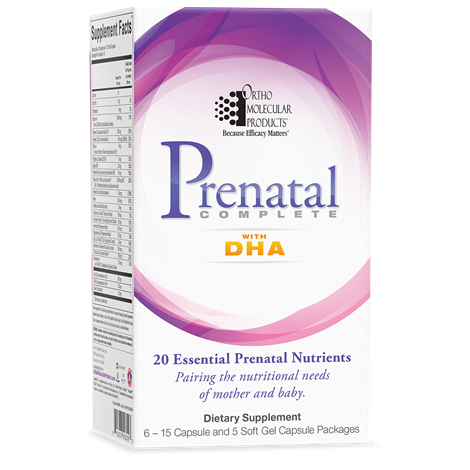
Prenatal Complete with DHA
Ortho Molecular Products
6 packs
$89.08$80.25 with Subscribe & Save