 Instalab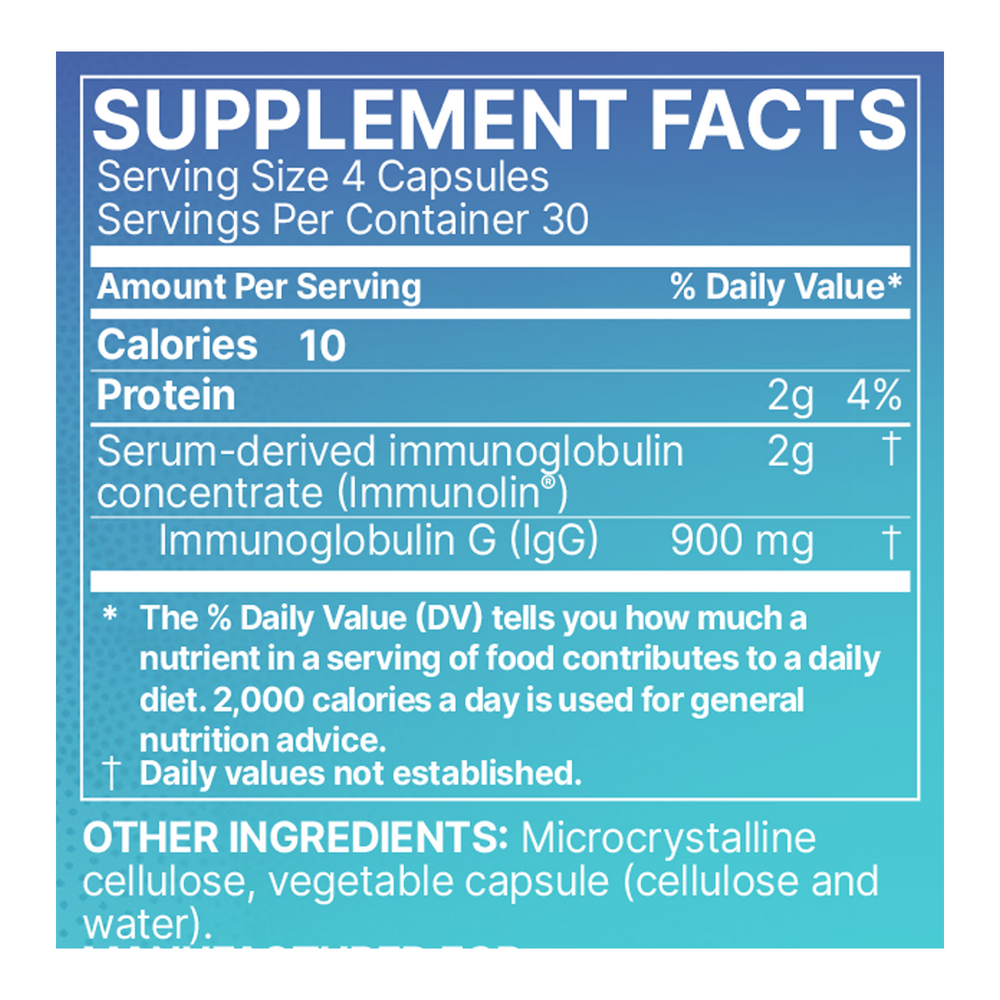

Microbiome Labs
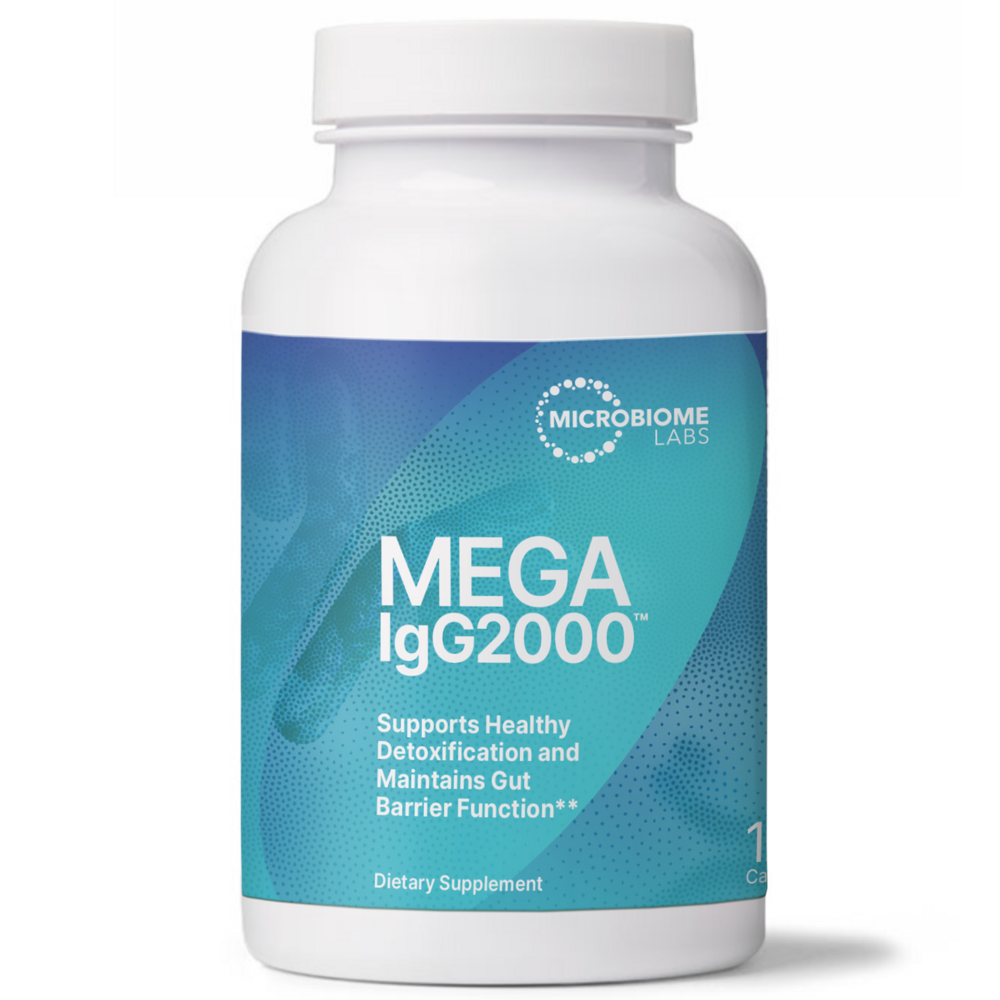
MegaIgG2000 by Microbiome Labs
120 capsules · 30-day supply
Support Your Immune System with Targeted Immunoglobulin Protection$65.99
This item is currently out of stockGet notified when this item is back in stock
Practitioner-grade brand3rd-party testedFree shipping $50+
Gluten Free·Soy Free·Dairy Free·Milk Free·Salt Free·Wheat Free·
Microbiome Labs MegaIgG2000 overview
If loose stools or post-infectious gut upset keep hanging around, a serum bovine immunoglobulin (IgG supplement) is a practical trial. It’s useful when stool tests show low secretory IgA (your gut’s first-line antibody), elevated fecal calprotectin (an inflammation marker), or high zonulin (a permeability marker). People reacting to high-FODMAP foods, frequent travelers with traveler’s diarrhea history, athletes with gut symptoms during heavy training, and those with low-grade systemic inflammation on hs-CRP often report steadier stools within 2 to 4 weeks.
These bovine IgG antibodies stay in the intestinal lumen and bind microbial fragments such as lipopolysaccharide (LPS, a cell-wall toxin from certain bacteria), flagellin (a bacterial protein), and other antigens. By sequestering these irritants, they reduce the antigen load that keeps the immune system revved up in the gut. In practice, that can mean calmer signaling, less water pulled into the stool, and better barrier function, which is why some patients see improvements in fecal calprotectin and steadier stool form.
Take 4 capsules daily between meals or at bedtime with plenty of water. Between meals keeps the antibodies focused on binding antigens rather than food. You can open the capsules and mix the powder in a cool beverage. Expect changes in stool consistency within 2 to 4 weeks; give it 8 weeks for a fair trial. This is a maintenance-to-therapeutic dose; some clinicians double it short term for stubborn loose stools, then step back once stable.
Skip this if you have a beef allergy or alpha-gal syndrome, since it’s derived from bovine serum. It’s dairy-free (no lactose or casein), but those with severe milk-protein reactions should still use caution. Space it at least 48 hours away from oral vaccines (cholera, typhoid, rotavirus), which rely on antigens in the gut. If you’re on a strict low-protein plan for advanced kidney disease, discuss the extra 2 g protein per serving with your clinician.
Frequently asked questions
What is serum bovine immunoglobulin, exactly?
It’s a purified concentrate of bovine antibodies (mostly IgG) that act locally in the gut to bind bacterial fragments and antigens. They aren’t meaningfully absorbed into the bloodstream; they work in the intestinal lumen and are eliminated in stool.
How long does an IgG supplement take to work?
Most people who respond notice steadier stool form and less urgency within 2 to 4 weeks. Give it up to 8 weeks before judging. Track symptoms and consider stool calprotectin or secretory IgA if you’re monitoring labs.
Can I take bovine IgG with food or probiotics?
It’s best between meals or at bedtime. You can take it alongside probiotics; they work by different mechanisms. If you get nausea, mix the powder from the capsules in a small amount of a cool beverage.
Is this safe if I’m sensitive to dairy?
Yes for most people, because it’s dairy-free and lacks lactose and casein. However, if you have severe milk-protein reactions or a beef/alpha-gal allergy, avoid it or use only with medical guidance.
Does immunoglobulin cause constipation or gas?
Side effects are uncommon but can include mild constipation, gas, or fullness, usually transient. Increase fluids, consider splitting the dose, and adjust fiber intake. If constipation persists, reduce the dose or stop.
Will IgG supplements affect vaccines or medications?
They can bind antigens in the gut, so separate by at least 48 hours from oral vaccines like cholera, typhoid, or rotavirus. There are no known interactions with standard oral medications when taken at different times.
Can I use this during pregnancy or breastfeeding?
Data are limited. It’s derived from food protein and acts locally, but formal safety studies in pregnancy are sparse. Discuss with your obstetric clinician before starting.
Which labs help track progress with an IgG supplement?
Clinicians often follow fecal calprotectin, secretory IgA, and zonulin for gut inflammation and permeability. For whole-body trends, hs-CRP can reflect systemic inflammation, though it’s less specific to the gut.
How to take it & ingredients
Suggested use: Ages 8 and older: take 4 capsules daily between meals, before bedtime or as directed by your healthcare practitioner. Children under 8: consult a healthcare practitioner. Drink plenty of liquids.
Active ingredients
4 capsules per serving · 30 servings
Protein
2 g
Serum Derived Immunoglobulin Concentrate
ImmunoLin
ImmunoLin
2000 mg
Immunoglobulin G
From ImmunoLin
From ImmunoLin
900 mg
Other ingredients: Microcrystalline cellulose, Vegetable capsule (cellulose and water)
Certifications
Benefits
Warnings
Customers also considered
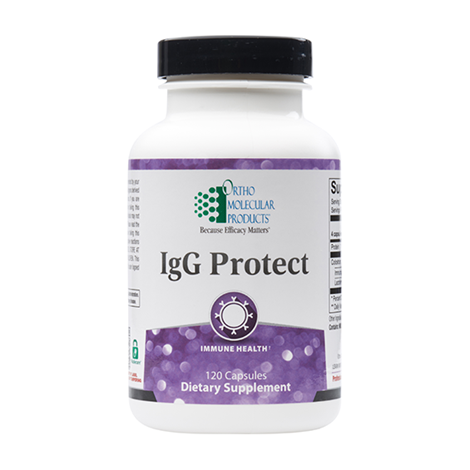
IgG Protect
Ortho Molecular Products
120 capsules
$72.43$65.25 with Subscribe & Save
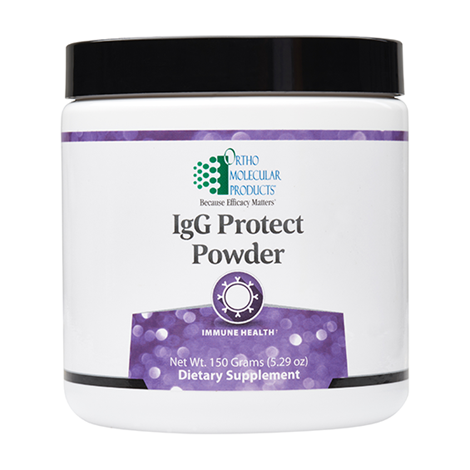
IgG Protect Powder
Ortho Molecular Products
150 grams
$103.95$93.65 with Subscribe & Save
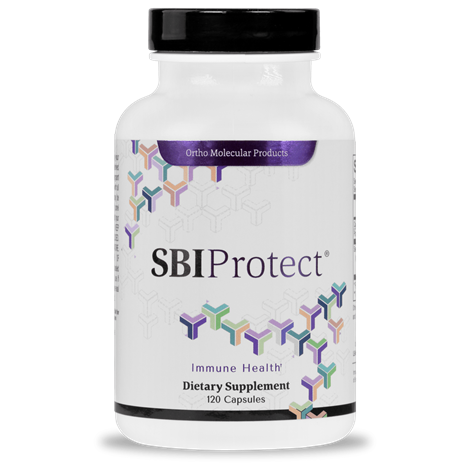
SBI Protect® Capsules
Ortho Molecular Products
120 capsules
$101.73$91.65 with Subscribe & Save
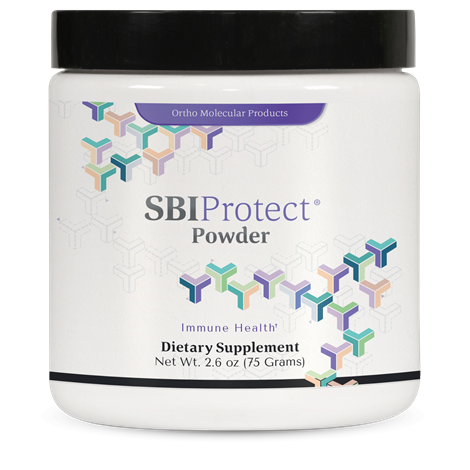
SBI Protect® Powder
Ortho Molecular Products
75 grams
$94.85$85.45 with Subscribe & Save