 Instalab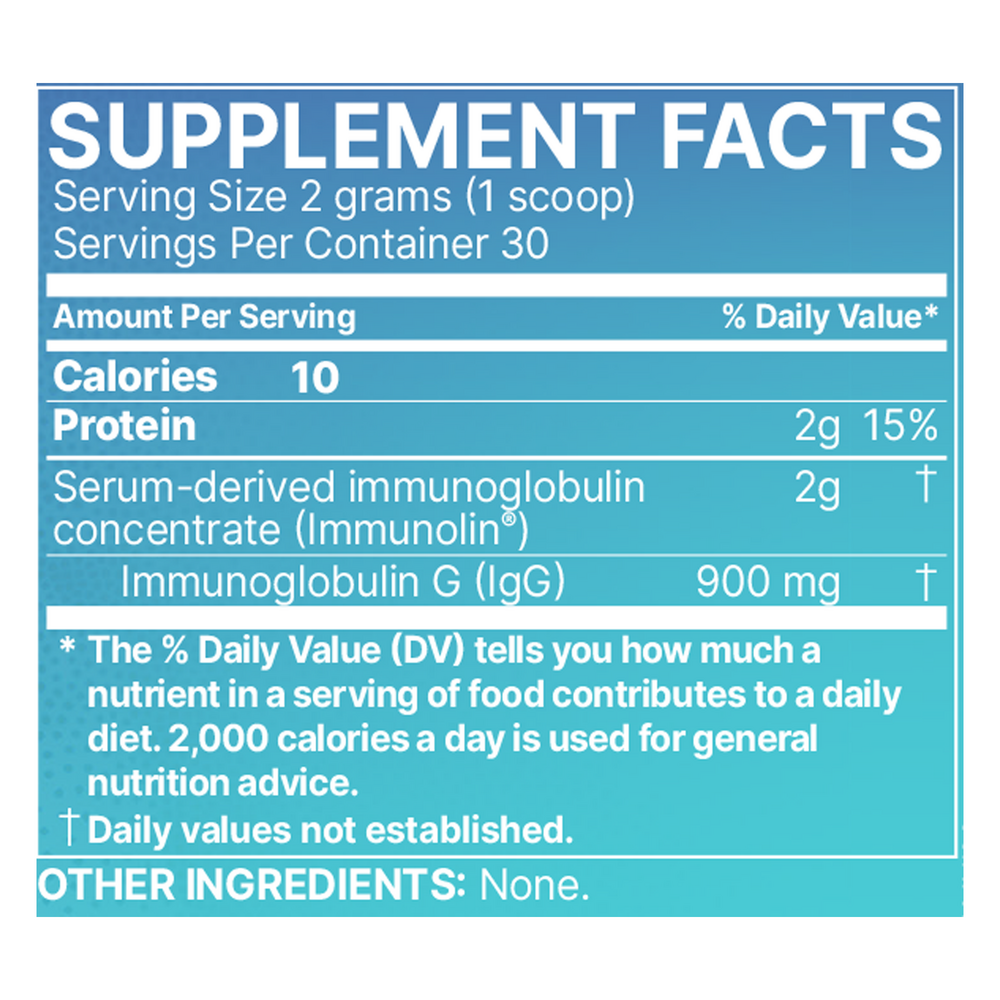

Microbiome Labs
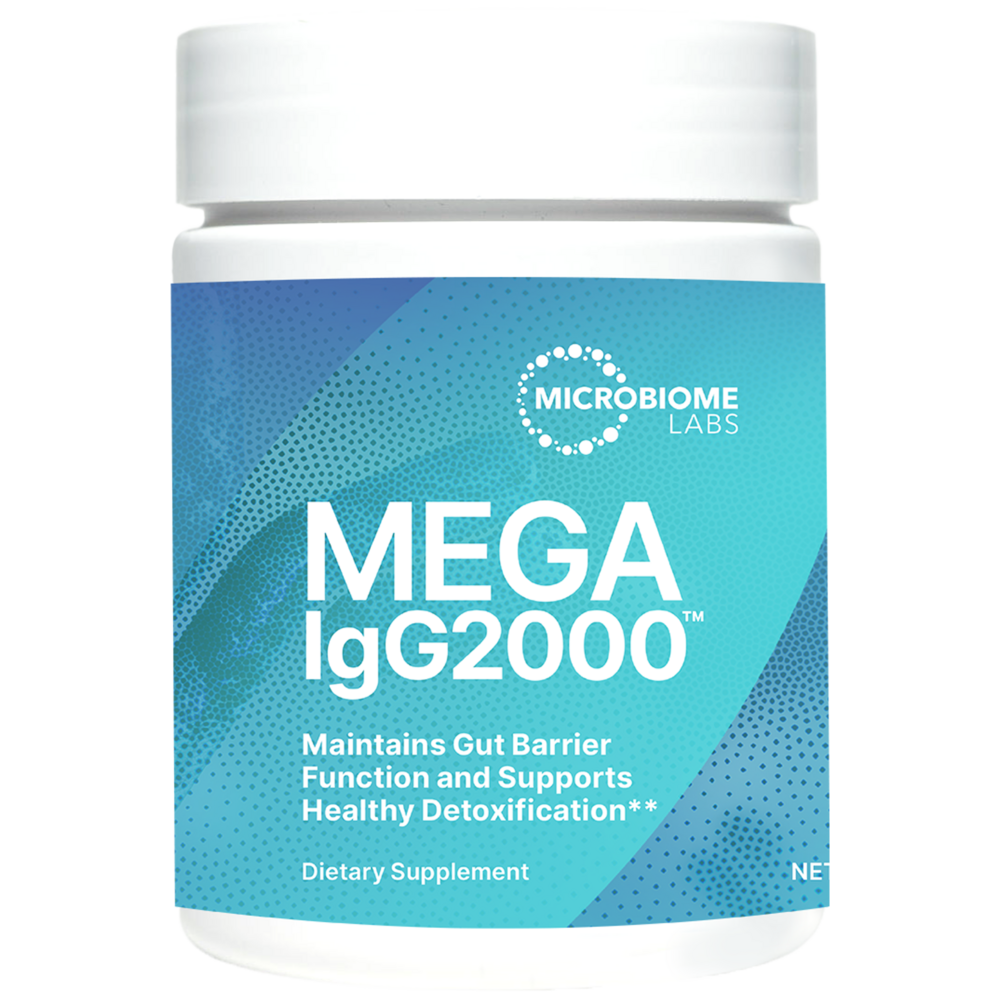
MegaIgG2000 Powder by Microbiome Labs
60 grams · 30-day supply
Support Your Immune System with Targeted Immunoglobulin Power$53.99
This item is currently out of stockGet notified when this item is back in stock
Practitioner-grade brand3rd-party testedFree shipping $50+
Microbiome Labs MegaIgG2000 Powder overview
If loose stools or urgency linger after a gut infection or antibiotics, this bovine immunoglobulin can help calm things down. It’s useful in IBS with diarrhea, traveler’s diarrhea recovery, and for people whose stool tests show gut irritation (for example, elevated stool calprotectin) even when routine labs like hs-CRP (a blood marker of inflammation) are normal. Because it’s dairy‑free and only 2 grams of protein per scoop, it also suits kids and adults who avoid milk proteins. If symptoms are severe, most patients need higher total daily grams than a single scoop.
IgG (immunoglobulin G) in this formula binds bacterial components like LPS (lipopolysaccharide, a toxin from gram‑negative bacteria) and other antigens in the intestinal lumen. By neutralizing those triggers before they interact with the gut lining, it reduces the “antigen load” on the immune system and can ease bloating and stool frequency. These proteins act locally rather than being absorbed. In clinical use, responders often notice firmer stools and less urgency within 2 to 4 weeks.
Start with 1 scoop daily in 16 ounces of cold water or any cool beverage; hot liquids can denature proteins and reduce activity. Take with or without food. If you’re still symptomatic after a week, many clinicians step up gradually to 2–4 scoops per day in divided doses until stools stabilize, then taper to the lowest effective maintenance. It pairs well with probiotics and fiber, which work on different parts of gut function.
Avoid if you have a confirmed beef allergy, since it’s derived from bovine serum. It’s dairy‑free (no lactose or casein), so milk intolerance alone isn’t a reason to avoid. For oral vaccines, separate by at least several days on either side, since IgG could bind vaccine antigens in the gut. In pregnancy or with complex autoimmune disease, use only with clinician guidance.
Frequently asked questions
What is bovine immunoglobulin and what does it do?
It’s a purified IgG protein from cow serum that stays in the gut and binds bacterial toxins like LPS and other antigens. By neutralizing these triggers, it can ease loose stools, urgency, and bloating in conditions like IBS with diarrhea.
How long does bovine immunoglobulin take to work?
Most responders notice firmer stools and less urgency within 2 to 4 weeks. Some feel changes in a few days. If nothing changes by 4 weeks, revisit dose and diagnosis with your clinician.
Is this dairy-free and safe for milk intolerance?
Yes. It’s derived from bovine serum, not milk, so it contains no lactose or casein. People with true beef allergy should avoid it. Milk intolerance alone is generally not a contraindication.
Can I take bovine immunoglobulin with probiotics or antibiotics?
Yes. It works locally by binding antigens and pairs well with probiotics. It doesn’t meaningfully inactivate antibiotics, but space dosing a few hours apart if you want to be cautious.
Will my body absorb the IgG into the bloodstream?
No. It acts locally in the intestinal lumen and is not absorbed intact. That local action is what reduces the immune stimulus in the gut without systemic immune effects.
Are there side effects with bovine immunoglobulin?
It’s generally well tolerated. The most common issues are mild constipation, gas, or nausea, which usually resolve by reducing the dose and stepping up more gradually with extra fluids.
Can I mix it in hot coffee or tea?
Use cold or room‑temperature liquids. Heat can denature immunoglobulins and reduce their binding activity, so avoid hot beverages.
Is bovine immunoglobulin safe during pregnancy?
Human data are limited. Because it’s a non‑absorbed protein, risk is likely low, but use only under clinician guidance in pregnancy or while breastfeeding.
How to take it & ingredients
Suggested use: Ages 2 and older: take 1 scoop daily with or without food, mixed into 16 ounces of cold water or another beverage. Stir for 20 seconds. Children under age 2: consult a healthcare practitioner. Ensure adequate fluid intake.
Active ingredients
1 scoop = 2 grams per serving · 30 servings
Protein
2 g
Serum Derived Immunoglobulin Concentrate
ImmunoLin
ImmunoLin
2000 mg
Immunoglobulin G
From ImmunoLin
From ImmunoLin
900 mg
Certifications
Benefits
Warnings
Customers also considered
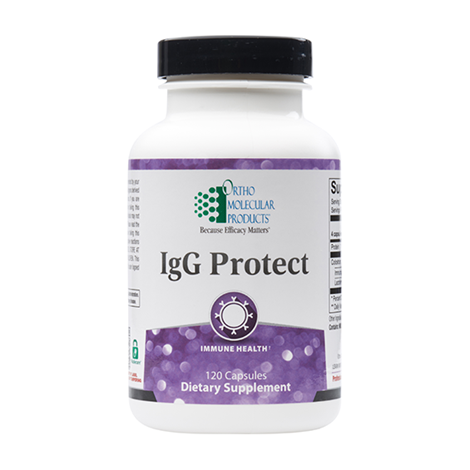
IgG Protect
Ortho Molecular Products
120 capsules
$72.43$65.25 with Subscribe & Save
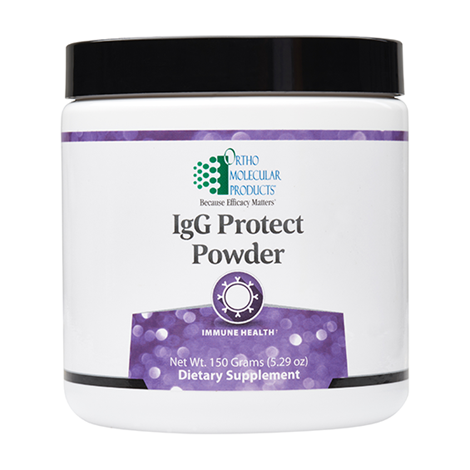
IgG Protect Powder
Ortho Molecular Products
150 grams
$103.95$93.65 with Subscribe & Save
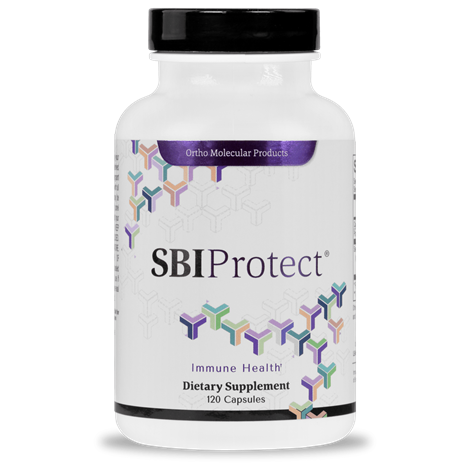
SBI Protect® Capsules
Ortho Molecular Products
120 capsules
$101.73$91.65 with Subscribe & Save
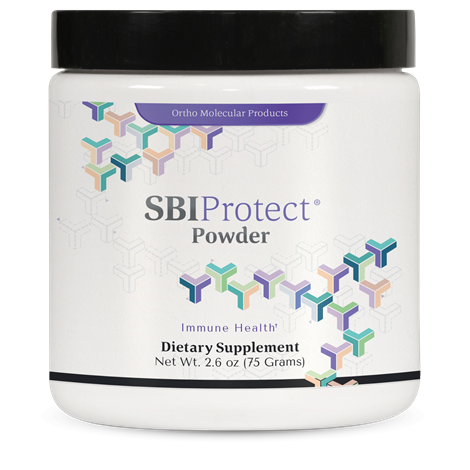
SBI Protect® Powder
Ortho Molecular Products
75 grams
$94.85$85.45 with Subscribe & Save