 Instalab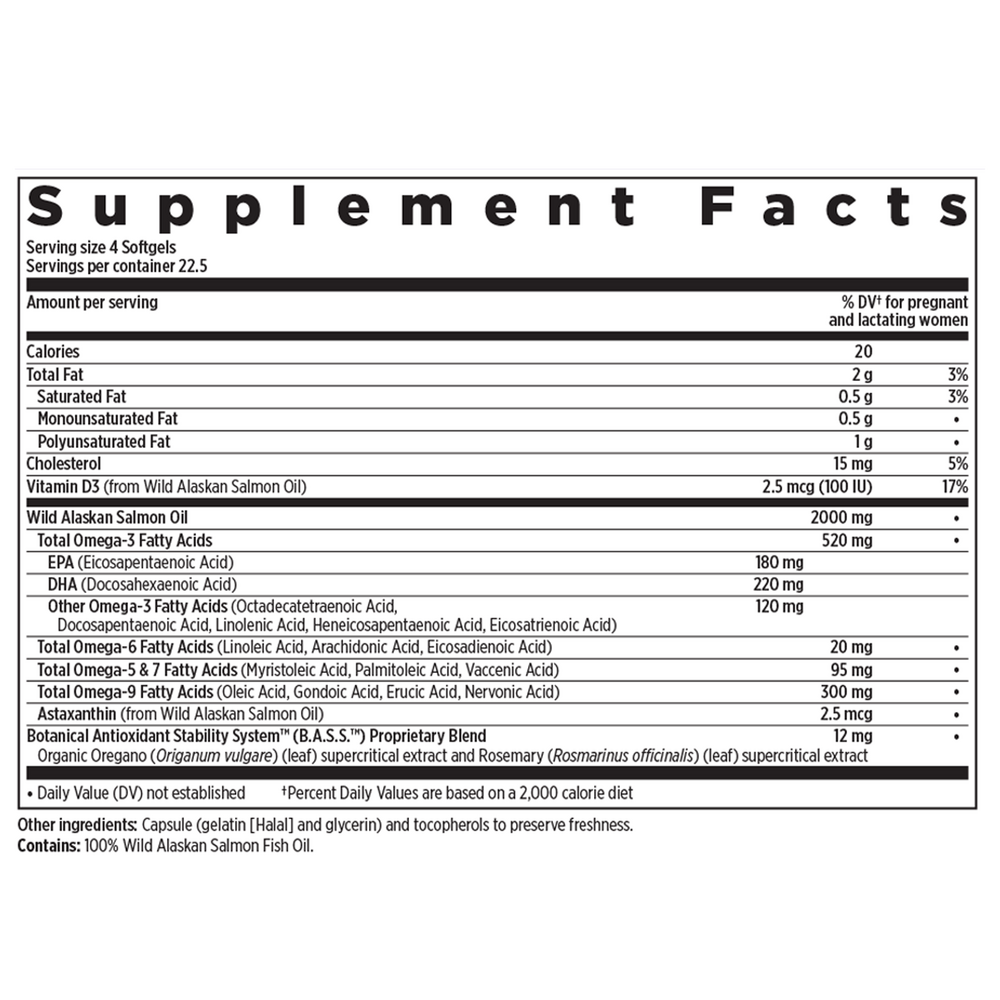


New Chapter
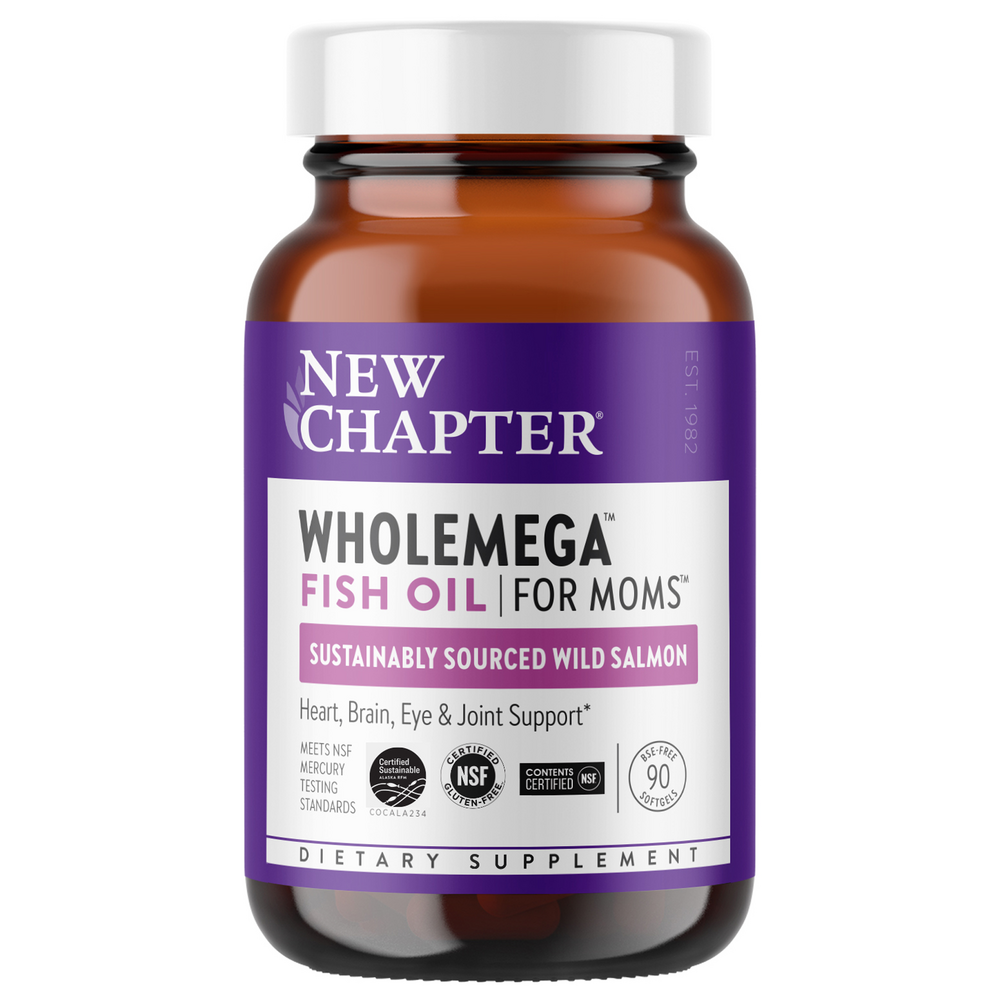
Wholemega for Moms by New Chapter
90 softgels · 22-day supply
Nourishing Omega-3s and Vitamin D for Moms' Wellness$36.99
Purchase options
Practitioner-grade brand3rd-party testedFree shipping $50+
Kosher·Gluten Free
New Chapter Wholemega for Moms overview
If you’re looking for omega-3 for pregnancy or breastfeeding and prefer a gentle, food-based fish oil, this fits. It’s tailored to women who eat little seafood, have a low Omega-3 Index (a blood test of EPA and DHA in red cells), or want a prenatal-friendly dose without mega-pills. The total omega-3 here is 520 mg per serving, which is a maintenance level for steady intake during pregnancy and lactation. If your triglycerides are elevated or your Omega-3 Index is clearly low, you’ll likely need a higher-DHA fish oil or algal DHA under clinician guidance, then taper to this.
EPA and DHA are the long-chain omega-3 fats your baby uses to build brain and eye tissue, especially in the third trimester and early months of breastfeeding. Whole-food salmon oil brings EPA/DHA alongside other fatty acids and astaxanthin (a salmon-derived antioxidant) that help keep the oil stable. Compared with highly concentrated fish oil, this profile is lower per pill but easier on the stomach for many. The small amount of vitamin D3 here is a bonus, not a repletion dose; check Vitamin D, 25-Hydroxy if you suspect deficiency. In mothers, EPA/DHA also nudge down triglycerides and modestly improve inflammation markers like hs-CRP (a blood marker of systemic inflammation) in responders.
Take it with meals, as directed, because fat-soluble nutrients absorb better alongside dietary fat and it reduces fishy burps. The suggested use is two softgels twice daily before your two largest meals, which spreads intake and improves tolerance. If you need more DHA than this provides, a concentrated prenatal DHA capsule is more practical; you can pair a higher-DHA product short term, then maintain with this whole-food fish oil once your Omega-3 Index improves.
If you use blood thinners, including warfarin, direct oral anticoagulants, or daily high-dose aspirin, talk with your clinician before starting fish oil, as combined effects can increase bruising and bleeding risk. Skip if you have a fish allergy. For surgery, most surgeons ask patients to pause fish oil 5–7 days prior. The vitamin D3 here is low, but if you have disorders of high calcium or granulomatous disease (conditions that raise vitamin D activation), review your Vitamin D, 25-Hydroxy and discuss dosing first.
If your goal is triglyceride reduction, this salmon oil dose is usually too low; triglyceride lowering typically needs 2–4 grams per day of combined EPA and DHA, often as a concentrated fish oil under supervision. Vegans and those avoiding fish should use algal DHA/EPA instead. For established vitamin D deficiency, 100 IU per serving won’t correct it; use a higher-dose vitamin D3 guided by repeat Vitamin D, 25-Hydroxy testing.
Frequently asked questions
How much DHA do I need in pregnancy?
Most guidelines suggest at least a few hundred milligrams of DHA daily from food or supplements. If you rarely eat fish, a dedicated prenatal DHA (often 300–600 mg DHA) is practical. Use the Omega-3 Index to personalize dosing and adjust after 8–12 weeks.
Does fish oil thin your blood?
At typical prenatal doses, fish oil has a mild anti-platelet effect. It rarely causes problematic bleeding on its own, but it can add to the effect of warfarin, direct oral anticoagulants, or high-dose aspirin. If you’re on these, speak with your clinician.
How long does omega-3 take to work?
Red blood cell omega-3 levels rise over weeks, not days. Expect your Omega-3 Index to shift within 8–12 weeks of steady intake. Triglyceride changes, when they occur, are usually seen in that same window on a repeat lipid panel.
Is salmon oil safe for mercury during pregnancy?
Wild Alaskan salmon is naturally low in mercury, and reputable fish oil is purified and third-party tested. This product sources from wild Alaskan salmon and adds antioxidants to protect the oil’s integrity.
Can I take this while breastfeeding?
Yes. Maternal EPA and DHA intake enriches breast milk and supports infant brain and eye development. If you need a higher DHA target, consider a concentrated prenatal DHA temporarily and recheck your Omega-3 Index.
What side effects should I expect?
The most common are fishy aftertaste, mild nausea, or burps. Taking with meals, splitting doses, or chilling the softgels helps. If you notice easy bruising or nosebleeds, reduce dose and check in with your clinician.
Is algal oil as good as fish oil in pregnancy?
Algal oil provides DHA (and sometimes EPA) without fish and is a solid choice for vegetarians and vegans. It raises the Omega-3 Index similarly to fish oil when matched for DHA/EPA dose.
How to take it & ingredients
Suggested use: Take two softgels two times daily, ideally before your two largest meals, or as recommended by your healthcare professional.
Active ingredients
4 softgels per serving · 23 servings
▼
Total Omega-3 Fatty Acids
520 mg
Eicosapentaenoic Acid (EPA)
180 mg
Docosahexaenoic Acid (DHA)
220 mg
Other Omega-3 Fatty Acids
Octadecatetraenoic Acid, Docosapentaenoic Acid, Linolenic Acid, Heneicosapentaenoic Acid, Eicosatrienoic Acid
Octadecatetraenoic Acid, Docosapentaenoic Acid, Linolenic Acid, Heneicosapentaenoic Acid, Eicosatrienoic Acid
120 mg
Total Omega-6 Fatty Acids
Linoleic Acid, Arachidonic Acid, Eicosadienoic Acid
Linoleic Acid, Arachidonic Acid, Eicosadienoic Acid
60 mg
Total Omega-5, 7 & 8 Fatty Acids
Myristoleic Acid, Palmitoleic Acid, Margaroleic Acid
Myristoleic Acid, Palmitoleic Acid, Margaroleic Acid
95 mg
Total Omega-9 Fatty Acids
Oleic Acid, Gadoleic Acid, Erucic Acid, Nervonic Acid
Oleic Acid, Gadoleic Acid, Erucic Acid, Nervonic Acid
300 mg
Vitamin D3
From Wild Alaskan Salmon Oil
From Wild Alaskan Salmon Oil
2.5 mcg, 100 IU
Astaxanthin
From Wild Alaskan Salmon Oil
From Wild Alaskan Salmon Oil
2.5 mcg
Botanical Antioxidant Stability System™ (B.A.S.S.™) Proprietary Blend
Organic Oregano (leaf) and Rosemary (leaf) supercritical extracts
Organic Oregano (leaf) and Rosemary (leaf) supercritical extracts
12 mg
Other ingredients: Capsule (Gelatin [Halal] and Glycerine), Tocopherols (to preserve freshness)
Certifications
Benefits
Warnings
Customers also considered
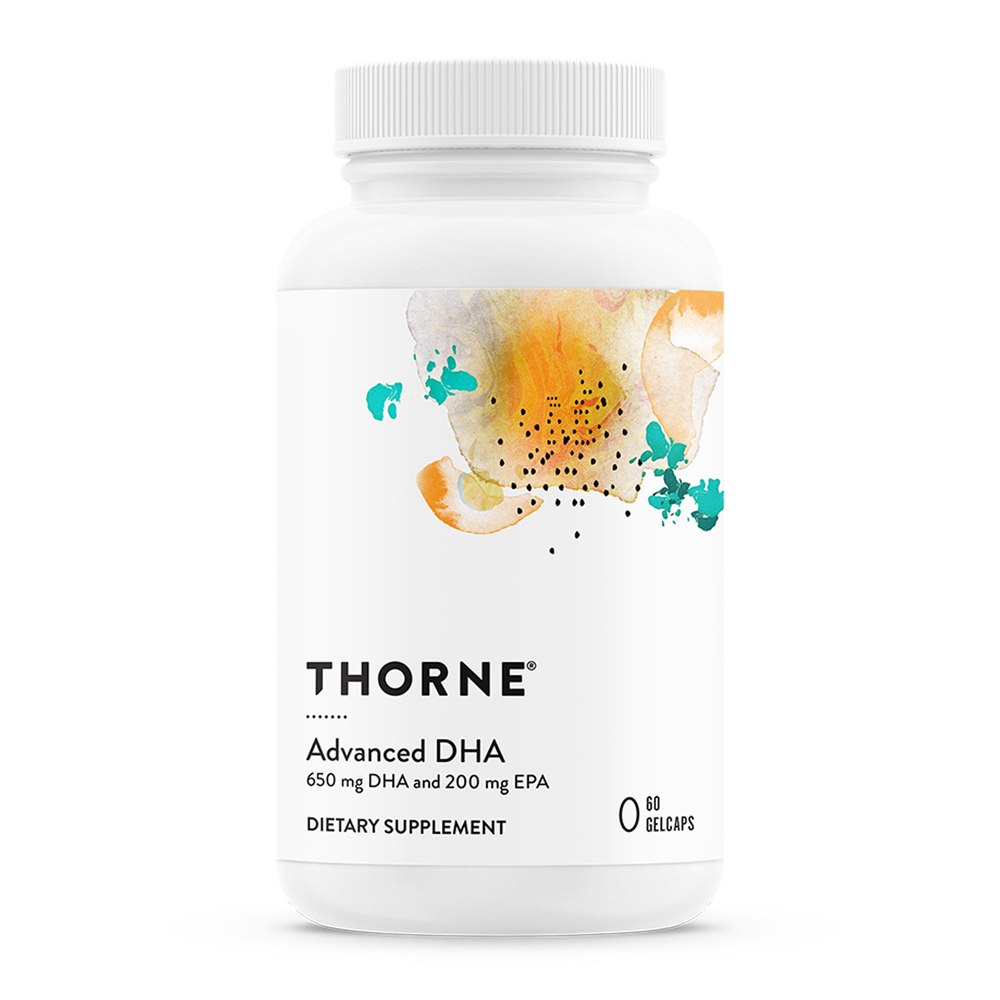
Advanced DHA
Thorne
60 gelcaps
$30.00$27.00 with Subscribe & Save
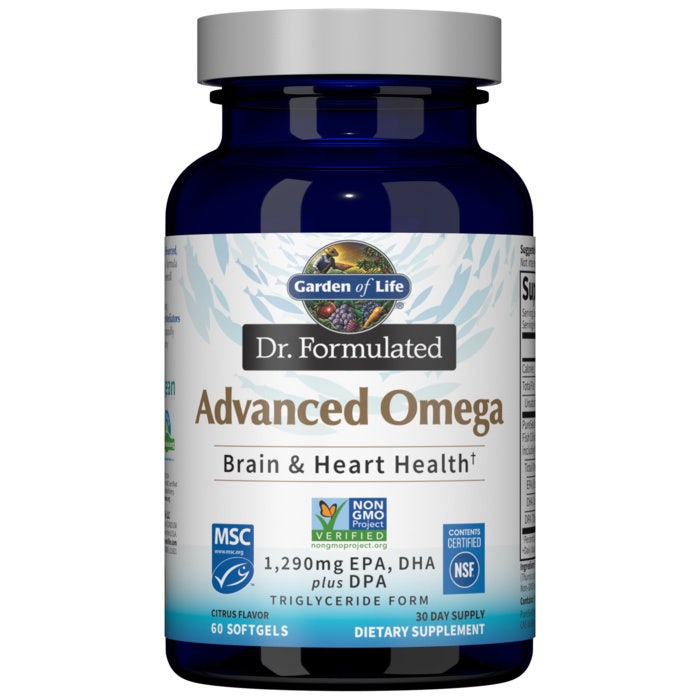
Dr. Formulated Advanced Omega
Garden of Life
60 softgels
$31.99$25.99 with Subscribe & Save
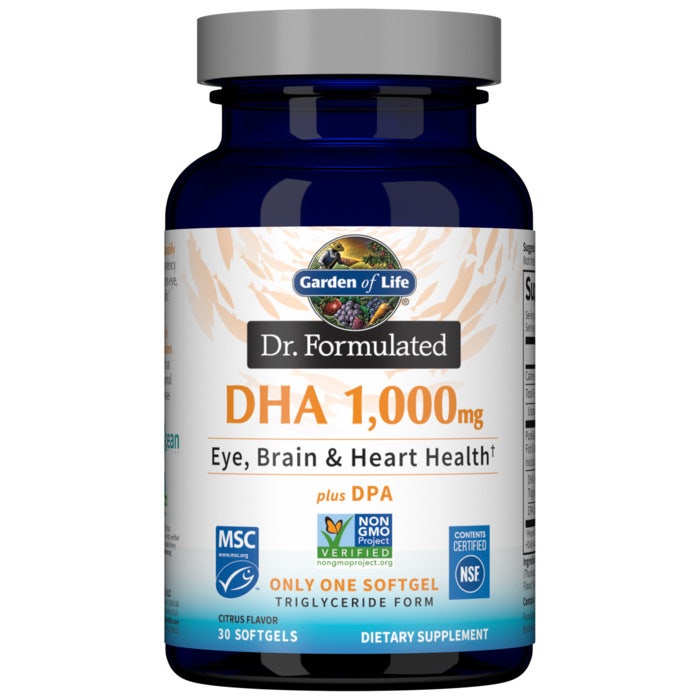
Dr. Formulated DHA 1g
Garden of Life
30 softgels
$31.99$25.99 with Subscribe & Save
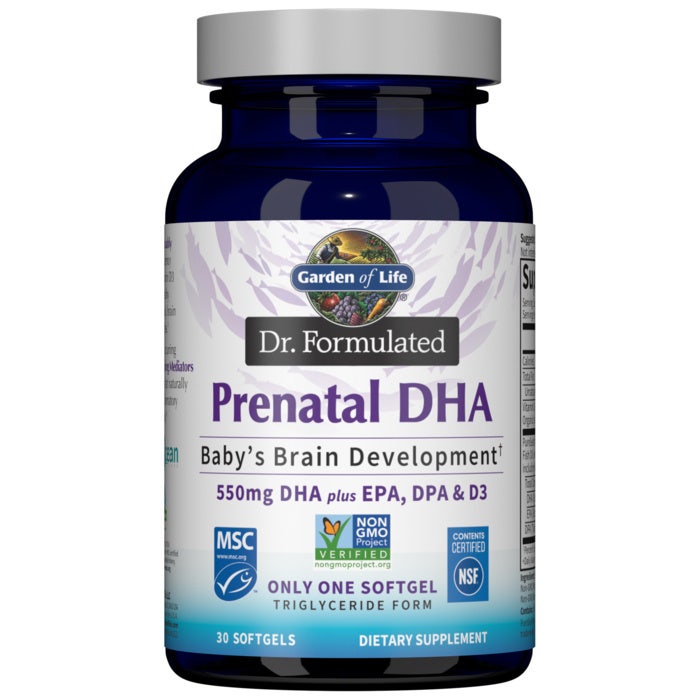
Dr. Formulated Prenatal DHA
Garden of Life
30 softgels
$29.99$23.99 with Subscribe & Save