
 Instalab


Nordic Naturals
Baby's DHA by Nordic Naturals
60 milliliters · 12-day supply
Arctic Cod Liver Oil With DHA and Vitamin D3 for Infants$18.99
Purchase options
Practitioner-grade brand3rd-party testedFree shipping $50+
Gluten Free·Soy Free·Milk Free·Wheat Free·Artificial Color Free
Nordic Naturals Baby's DHA overview
This is a liquid omega-3 for infants from birth to 12 months, the age range printed on the box, dosed by body weight with the included dropper. Parents usually consider it when a baby gets little DHA from the diet, for example a breastfed baby whose mother eats little fish. Many infant formulas already contain DHA, and a nursing mother's own intake raises the DHA in her milk, so ask your baby's pediatrician whether a separate supplement is needed before you start.
The oil is purified arctic cod liver oil, with its omega-3s in triglyceride form, the form found naturally in fish. DHA is a structural fat in the brain and the retina, and it accumulates quickly during the first year of life. The formula also includes vitamin D3 (cholecalciferol), which helps the body absorb calcium for growing bones. Rosemary extract and RRR-alpha tocopherol are there to protect the oil from oxidation.
Follow the weight chart on the box, once daily: it sets a dose from 1.0 mL to 5.0 mL according to your baby's body weight. Use the chart itself, not a guess, or the dose your pediatrician gives you. Measure with the dropper and add it to food, breast milk or infant formula. The Supplement Facts panel describes a 5 mL serving: 1050 mg of total omega-3s, including 485 mg DHA and 350 mg EPA, plus 300 IU (7.5 mcg) of vitamin D3. Smaller doses provide proportionally less.
Do not give more than the chart allows, and do not use it outside the labeled age and weight range unless your pediatrician advises it. Because it contains vitamin D3, tell the pediatrician about every other source your baby gets, including formula and vitamin D drops, and do not assume this product alone covers your baby's vitamin D needs. It is made from fish, so it is not suitable for a baby with a known fish allergy. The box says to consult your physician first if your baby has a known medical condition or takes medications, including blood thinners; ask too if your baby was born prematurely.
Do not expect a visible change. DHA is a building block that supports normal brain and visual development over months, and evidence that supplementing a healthy, well-fed baby improves later outcomes is mixed. The practical benefit is filling a gap when dietary DHA is low. The alternatives are DHA from the mother's diet while breastfeeding or a formula that contains it. No flavoring is listed. Refrigerate the bottle after opening and clean the dropper after each use.
Frequently asked questions
How much Baby's DHA should I give my baby?
Follow the weight chart printed on the box. It gives a once-daily dose from 1.0 mL to 5.0 mL according to your baby's body weight, measured with the included dropper. Confirm the dose with your pediatrician, especially for a newborn.
What ages is Baby's DHA for?
The box gives a daily suggested use for infants 0–12 months, with the dose set by body weight. It gives no dose for older children, so ask your pediatrician what to use after the first birthday.
How do I give Baby's DHA to my baby?
Measure the dose with the included dropper and add it to food, breast milk or infant formula once daily. Clean the dropper thoroughly between uses, especially if it touched your baby's mouth.
Does my baby need DHA if I breastfeed or use formula?
Not always. The DHA in breast milk reflects the mother's own intake, and many formulas already contain added DHA. Ask your pediatrician whether your baby's diet leaves a gap before adding a supplement.
Does Baby's DHA replace vitamin D drops?
Do not assume so. A full 5 mL serving provides 300 IU (7.5 mcg) of vitamin D3, and smaller weight-based doses provide less. Ask your pediatrician how much vitamin D your baby needs in total and from which products.
Does Baby's DHA need to be refrigerated?
Yes. The box says to refrigerate after opening and to store the bottle with its original cap. Cold storage slows the oxidation that turns fish oil rancid. The box also gives a best-if-used period after opening, so check it, and replace the oil if it ever smells strongly rancid.
Is Baby's DHA safe for a baby with allergies?
It is made from cod liver oil, so it is not suitable for a baby with a known fish allergy. The label states no gluten, milk derivatives, wheat, soy or synthetic dyes. Check with your pediatrician if your baby has any allergy.
What are the ingredients in Baby's DHA?
Purified arctic cod liver oil, rosemary extract as a natural preservative, RRR-alpha tocopherol as an antioxidant, and vitamin D3 in olive oil. Per 5 mL the panel lists 1050 mg of total omega-3s, with 485 mg DHA and 350 mg EPA.
How to take it & ingredients
Suggested use: Daily suggested use for infants 0-12 months, by body weight: follow the dose chart on the box (1.0 mL to 5.0 mL). Using dropper, measure appropriate dose based on baby's weight. Add Baby's DHA to food, breast milk, or infant formula once daily, or as directed by your pediatrician.
Active ingredients
5 milliliters per serving · 12 servings
Vitamin D
Cholecalciferol (D3)
Cholecalciferol (D3)
7.5 mcg, 300 IU
▼
Total Omega-3 Fatty Acids
Includes EPA, DHA, and other omega-3s in triglyceride form (TG)
Includes EPA, DHA, and other omega-3s in triglyceride form (TG)
1050 mg
EPA
Eicosapentaenoic Acid
Eicosapentaenoic Acid
350 mg
DHA
Docosahexaenoic Acid
Docosahexaenoic Acid
485 mg
Other ingredients: Purified arctic cod liver oil, Rosemary extract (a natural preservative), RRR-alpha tocopherol (antioxidant), Vitamin D3 (olive oil, cholecalciferol)
Certifications
Benefits
Warnings
Customers also considered
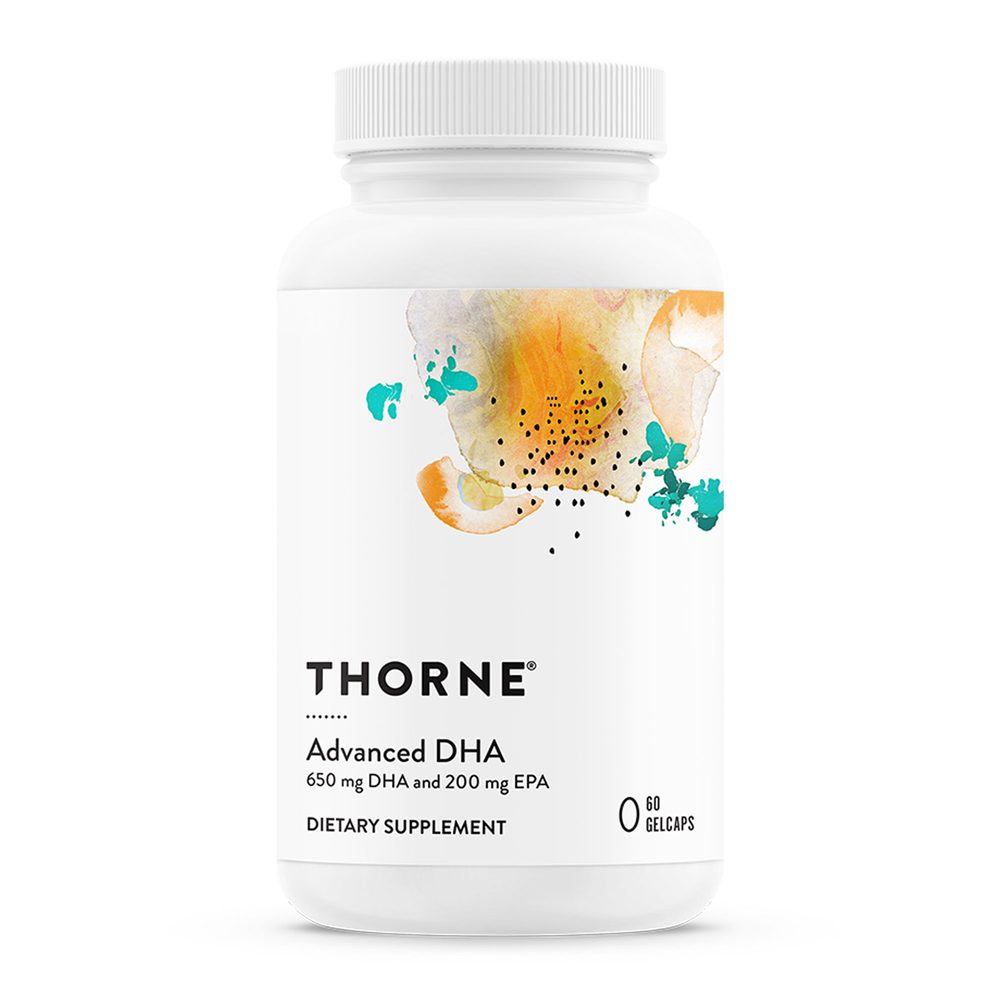
Advanced DHA
Thorne
60 gelcaps
$30.00$27.00 with Subscribe & Save

Children's DHA™ Gummies
Nordic Naturals
30 gummies
$21.99$17.99 with Subscribe & Save

DHA-500 Double Strength
Now Foods
180 softgels
$63.99$50.99 with Subscribe & Save
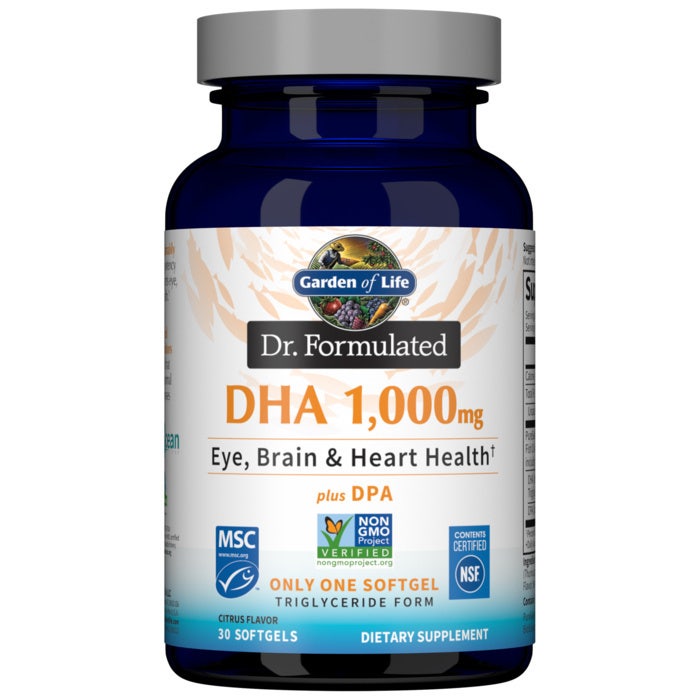
Dr. Formulated DHA 1g
Garden of Life
30 softgels
$31.99$25.99 with Subscribe & Save