 Instalab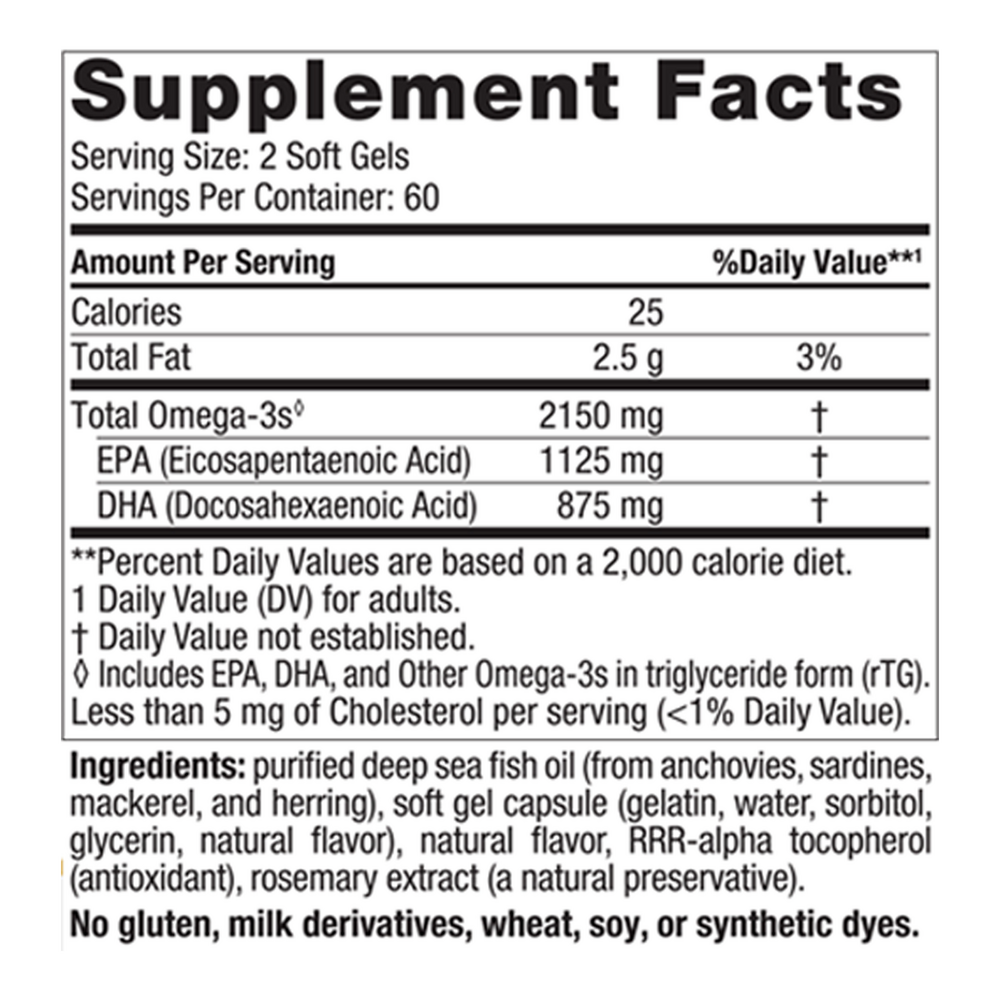

Nordic Naturals
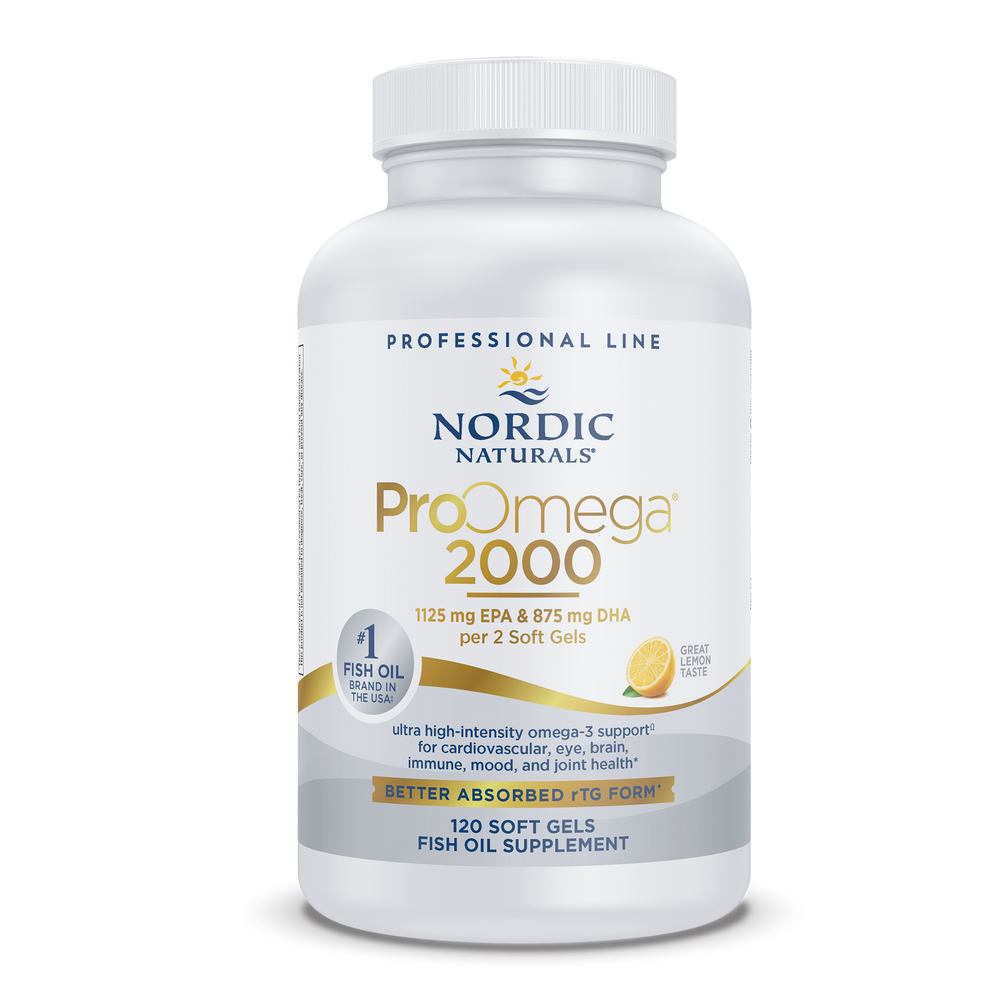
ProOmega 2000 2150 mg by Nordic Naturals
120 softgels · 60-day supply
High-Potency Omega-3s for Heart, Brain, and Joint Health$100.99
Purchase options
Practitioner-grade brand3rd-party testedFree shipping $50+
Gluten Free·Dairy Free·Milk Free·Artificial Color Free·Artificial Flavor Free
Nordic Naturals ProOmega 2000 overview
If you’re searching for the best fish oil for high triglycerides, this high‑potency EPA and DHA is the right tier. Adults with elevated Triglycerides, a low Omega-3 Index, or little seafood intake tend to benefit most. Expect triglycerides to drop about 20–30% in responders within 4 to 12 weeks. It’s also a fit if your hs-CRP (an inflammation marker) runs high-normal and you want a measurable nudge down. For simple maintenance or pregnancy planning without high triglycerides, a lower-dose omega-3 is usually enough.
EPA and DHA reduce how much fat your liver packages into VLDL particles (the carriers that show up as triglycerides), and they cue cells to burn fatty acids for energy sooner. They also displace arachidonic acid (a precursor to pro-inflammatory signals) in cell membranes, shifting the mix of signaling molecules and modestly lowering hs-CRP in some people. This formula uses a triglyceride form of fish oil, which is well absorbed when taken with food.
Take two softgels daily with a meal that includes fat for best absorption and fewer fishy burps. Splitting the dose across breakfast and dinner can help sensitive stomachs. Re-test Triglycerides and your Omega-3 Index after 8–12 weeks to confirm effect, then adjust. For maintenance once levels are steady, consider stepping down to a moderate-dose omega-3 and monitor labs twice yearly.
If you use blood thinners like warfarin, apixaban, rivaroxaban, dabigatran, or antiplatelets like clopidogrel, ask your clinician before high-dose omega-3, as it can add to bleeding tendency. Many surgeons still prefer pausing fish oil 3–7 days before elective procedures. Fish allergy is a clear avoid. Mild stomach upset or loose stools usually improves by taking with meals or reducing the dose.
If you have a history of atrial fibrillation (irregular heartbeat), discuss dosage with your cardiology team; high intakes have been linked to a small increase in episodes in some studies. If triglycerides are very high or you’ve had pancreatitis, you may need prescription therapy like icosapent ethyl. A small rise in LDL cholesterol can occur in some users, so recheck your lipid panel and consider ApoB (apolipoprotein B, the particle count behind LDL and VLDL).
Frequently asked questions
Does fish oil really lower triglycerides?
Yes. About 2 grams per day of combined EPA and DHA typically lowers triglycerides by 20–30% in most responders within 4 to 12 weeks. Check your Triglycerides and Omega-3 Index before and after to verify your personal response.
How long until I notice results from omega-3?
Blood triglycerides and the Omega-3 Index usually shift within 4 to 12 weeks. Symptoms like joint stiffness or general soreness, if they change, tend to do so gradually over the same window.
Does fish oil thin your blood?
It has a mild anti-platelet effect. Most healthy adults tolerate it well, but if you’re on warfarin, apixaban, rivaroxaban, dabigatran, or clopidogrel, speak with your clinician and monitor for bruising or nosebleeds.
Can fish oil raise LDL cholesterol?
It can in a subset of people, even while lowering triglycerides. If this occurs, review your overall lipid profile with your clinician and consider ApoB to assess particle burden, then adjust dose or approach.
What side effects should I expect with omega-3?
The most common are fishy burps, mild nausea, or loose stools. Taking it with meals, splitting the dose, or briefly freezing softgels before swallowing usually solves this. Persistent GI issues warrant dose reduction.
Is fish oil safe during pregnancy?
DHA is important for pregnancy, but this is a high-dose EPA+DHA product. Discuss dose with your obstetric clinician; many prefer moderate DHA-focused supplements unless there’s a clear reason for higher intake.
Fish oil or krill oil for triglycerides?
For triglyceride lowering, dose matters more than source. Concentrated fish oil makes it easier to reach about 2 grams of EPA+DHA daily, which is the level linked to meaningful reductions.
Do I need to take fish oil with food?
Yes, take it with a meal that contains fat to improve absorption and reduce burps. Taking it on an empty stomach often increases reflux or aftertaste.
How to take it & ingredients
Suggested use: Adults take 2 softgels daily with food or as directed by a health care professional.
Active ingredients
2 softgels per serving · 60 servings
▼
Total Omega 3s
2150 mg
EPA
Eicosapentaenoic Acid
Eicosapentaenoic Acid
1125 mg
DHA
Docosahexaenoic Acid
Docosahexaenoic Acid
875 mg
Other ingredients: Purified deep sea fish oil (from anchovies, sardines, mackerel, herring), Softgel capsule (gelatin, glycerin, water, natural flavor), Natural flavor, RRR alpha tocopherol (antioxidant), Rosemary extract (natural preservative)
Certifications
Benefits
Warnings
Customers also considered
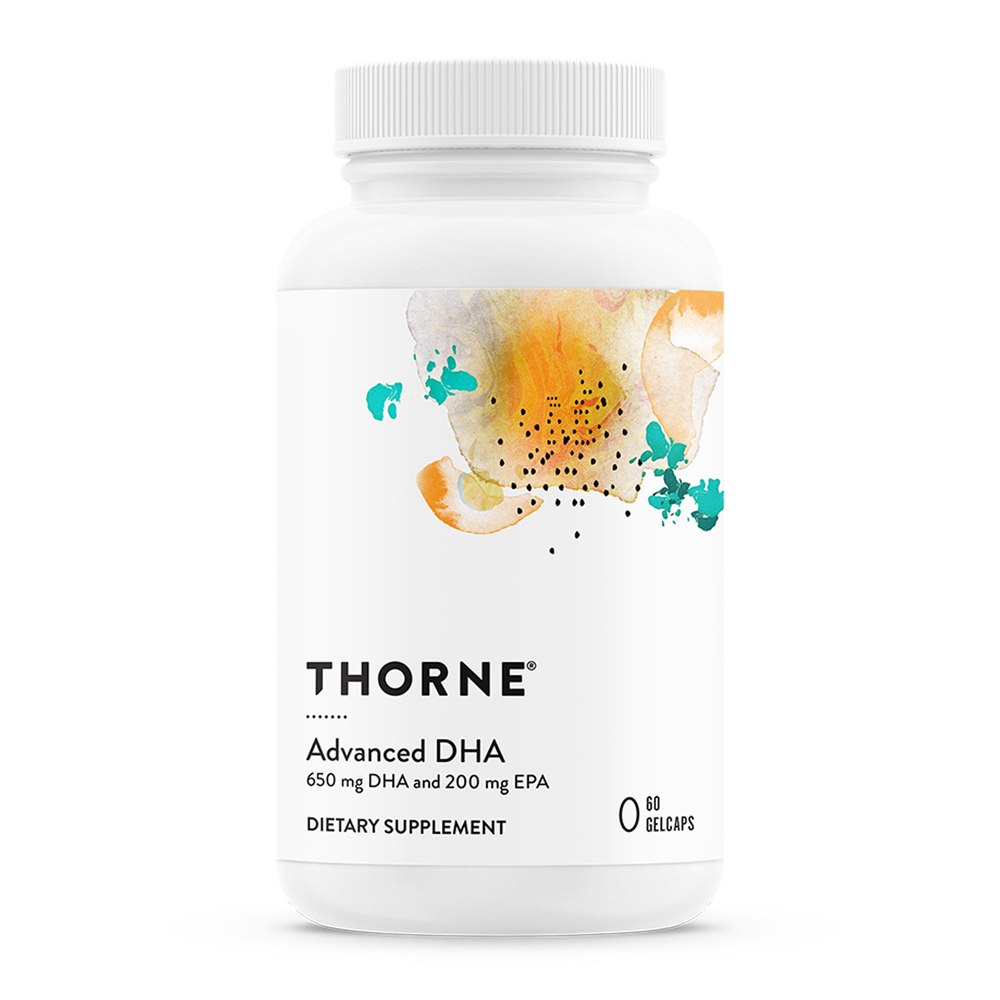
Advanced DHA
Thorne
60 gelcaps
$30.00$27.00 with Subscribe & Save
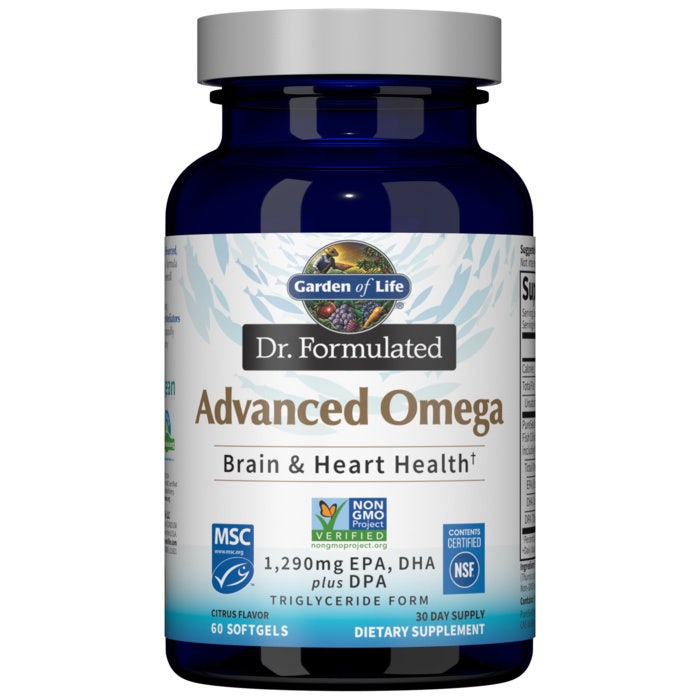
Dr. Formulated Advanced Omega
Garden of Life
60 softgels
$31.99$25.99 with Subscribe & Save
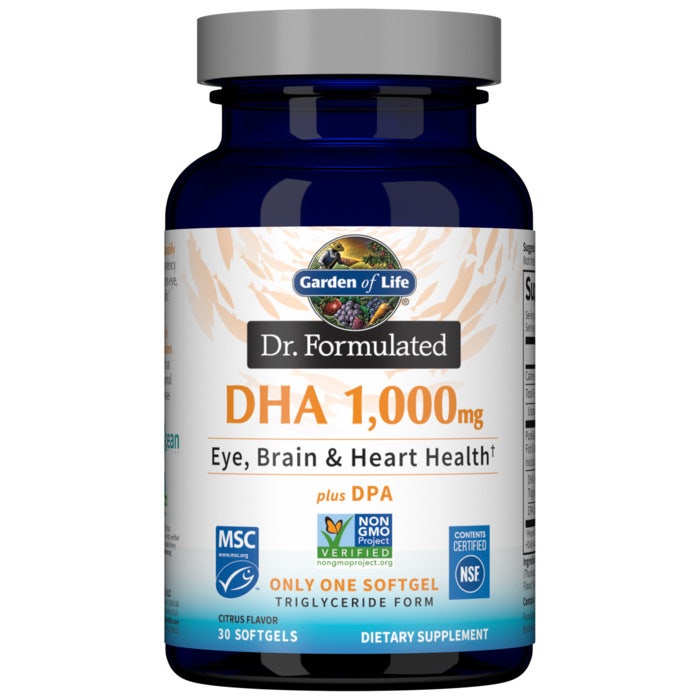
Dr. Formulated DHA 1g
Garden of Life
30 softgels
$31.99$25.99 with Subscribe & Save

Dr. Formulated Prenatal DHA
Garden of Life
30 softgels
$29.99$23.99 with Subscribe & Save