 Instalab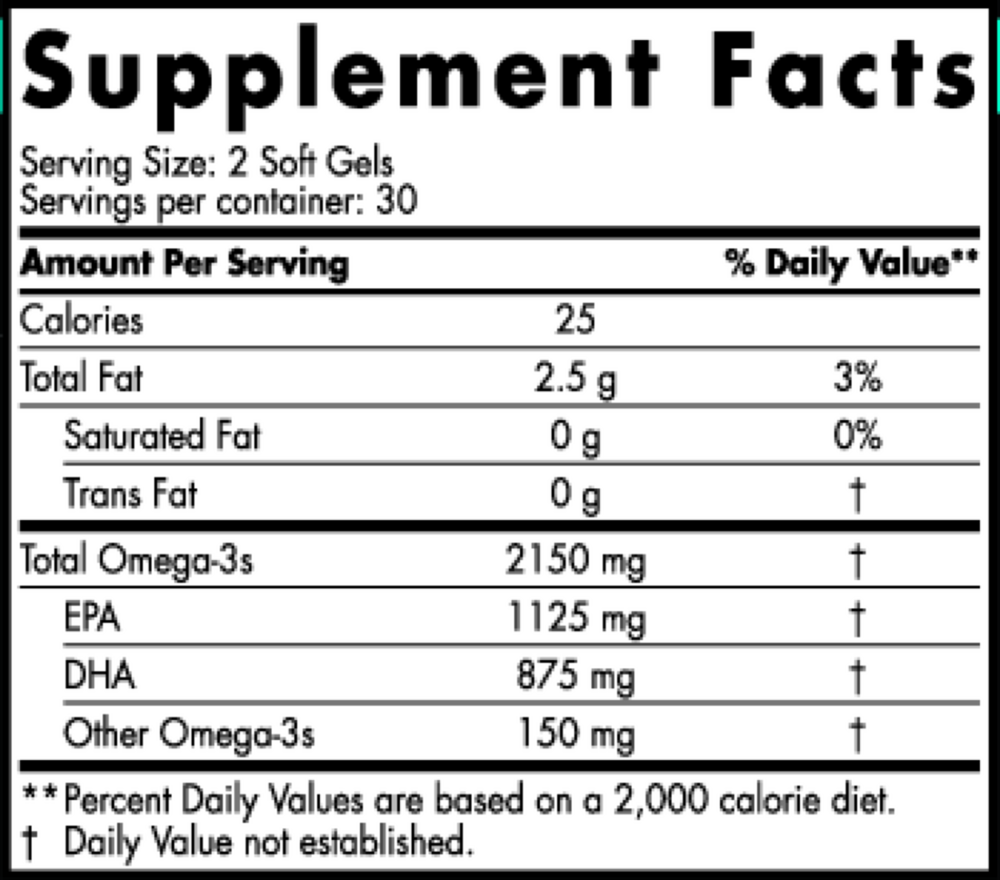

Nordic Naturals
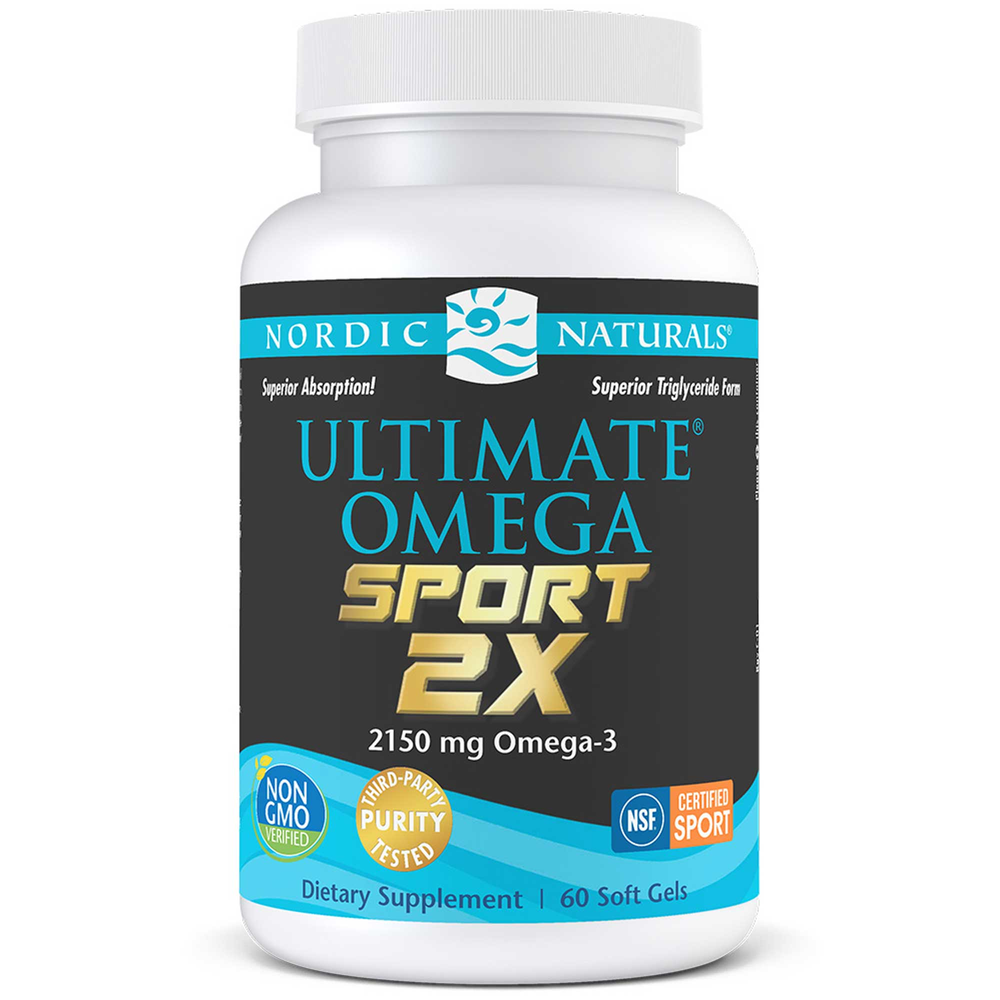
Ultimate Omega 2X Sport 2150 mg by Nordic Naturals
60 softgels · 30-day supply
Enhanced Omega-3 Support for Active Lifestyles and Performance$52.99
Purchase options
Practitioner-grade brand3rd-party testedFree shipping $50+
Gluten Free·Dairy Free·Artificial Color Free·Artificial Flavor Free
Nordic Naturals Ultimate Omega 2X Sport overview
If you train hard and eat little seafood, a high-dose omega-3 fits. This potency is aimed at athletes who want help with post‑workout soreness and a steady bump in their Omega-3 Index (the red‑blood‑cell measure of EPA and DHA status). It also suits adults with elevated triglycerides or an hs-CRP that runs high, where fish oil often helps within 4 to 12 weeks. Vegans and strict vegetarians should consider algal oil instead of fish oil for the same EPA and DHA.
EPA and DHA reduce how much fat your liver exports in VLDL particles (the form that shows up on a lipid panel as triglycerides), and they nudge muscle and liver cells to burn fatty acids for energy faster. At 2 grams or more per day, most responders see triglycerides drop 20–30% in 4 to 12 weeks. These fats also shift cell-membrane signaling toward fewer inflammatory eicosanoids (short‑lived messengers), which is why some athletes notice less next‑day soreness and small drops in hs-CRP.
Take two softgels daily with food, ideally with your largest meal for better absorption and fewer fishy burps. Splitting the dose across two meals is fine. If you’re targeting triglyceride reduction, consistency matters more than timing. Recheck your Omega-3 Index and triglycerides after 8 to 12 weeks. If you need more than about 2 grams EPA+DHA daily, prescription options or concentrated liquids are more practical.
Fish oil can slightly increase bleeding tendency, so use caution if you take blood thinners like warfarin, apixaban, rivaroxaban, or antiplatelets such as aspirin or clopidogrel. Stop 1 week before elective surgery unless your surgeon says otherwise. If you have a history of atrial fibrillation (a heart‑rhythm problem), discuss high‑dose omega-3 with your cardiologist. Fish or shellfish allergy is a reason to avoid fish oil and choose algal omega-3.
Burps are less likely when capsules are taken with meals or kept in the freezer. Quality matters because oxidized oil smells and underperforms; this NSF Certified for Sport formula is screened for contaminants and label accuracy. If joint comfort is your goal, give it 4 to 8 weeks before judging. For pregnancy, DHA is useful, but choose a prenatal‑focused omega-3 and review dose with your obstetric clinician.
Frequently asked questions
What does 2150 mg omega-3 per serving actually do?
Around 2 grams per day of combined EPA+DHA often lowers triglycerides 20–30% in responders within 4–12 weeks and raises the Omega-3 Index. Some people also see small reductions in hs-CRP and less next‑day muscle soreness after hard sessions.
How long does fish oil take to lower triglycerides?
Expect 4 to 12 weeks with consistent daily dosing. Recheck a fasting lipid panel and triglycerides after 8–12 weeks, and consider an Omega-3 Index to confirm tissue levels improved.
Does fish oil thin your blood?
It has a mild antiplatelet effect, which can modestly increase bleeding risk. This matters most if you’re on warfarin, DOACs like apixaban, or daily aspirin, or before surgery. Talk with your clinician if you use these.
Should athletes take omega-3 before or after workouts?
Timing around workouts is not critical. Take it with meals for absorption and tolerance. The benefits come from steady daily intake and building up EPA and DHA in cell membranes over weeks.
EPA vs DHA: which is better for athletes?
EPA drives most triglyceride lowering and inflammation signaling effects, while DHA is key for brain and eye membranes. For training and recovery, combined EPA+DHA at meaningful dose works better than one alone.
Can I take omega-3 with statins or blood pressure meds?
Yes, omega-3 is commonly combined with statins and can further lower triglycerides. It doesn’t raise blood pressure and is generally compatible with antihypertensives. Always review your full med list with your clinician.
What are common fish oil side effects?
The most common are fishy burps, mild nausea, or loose stools, especially on an empty stomach. Taking with meals, splitting the dose, or freezing capsules usually fixes this. Persistent GI issues mean it’s time to switch brands or forms.
How to take it & ingredients
Suggested use: For ultimate support, take two soft gels daily with food, or as directed by your health care professional or pharmacist.
Active ingredients
2 softgels per serving · 30 servings
▼
Total Omega-3 Fatty Acids
2150 mg
Eicosapentaenoic Acid (EPA)
1125 mg
Docosahexaenoic Acid (DHA)
875 mg
Other Omega-3s
150 mg
Other ingredients: Purified deep sea fish oil (from anchovies and sardines), Gelatin, Water, Glycerin, Natural lemon flavor, d-alpha tocopherol (antioxidant), Rosemary extract (natural preservative)
Certifications
Benefits
Warnings
Customers also considered
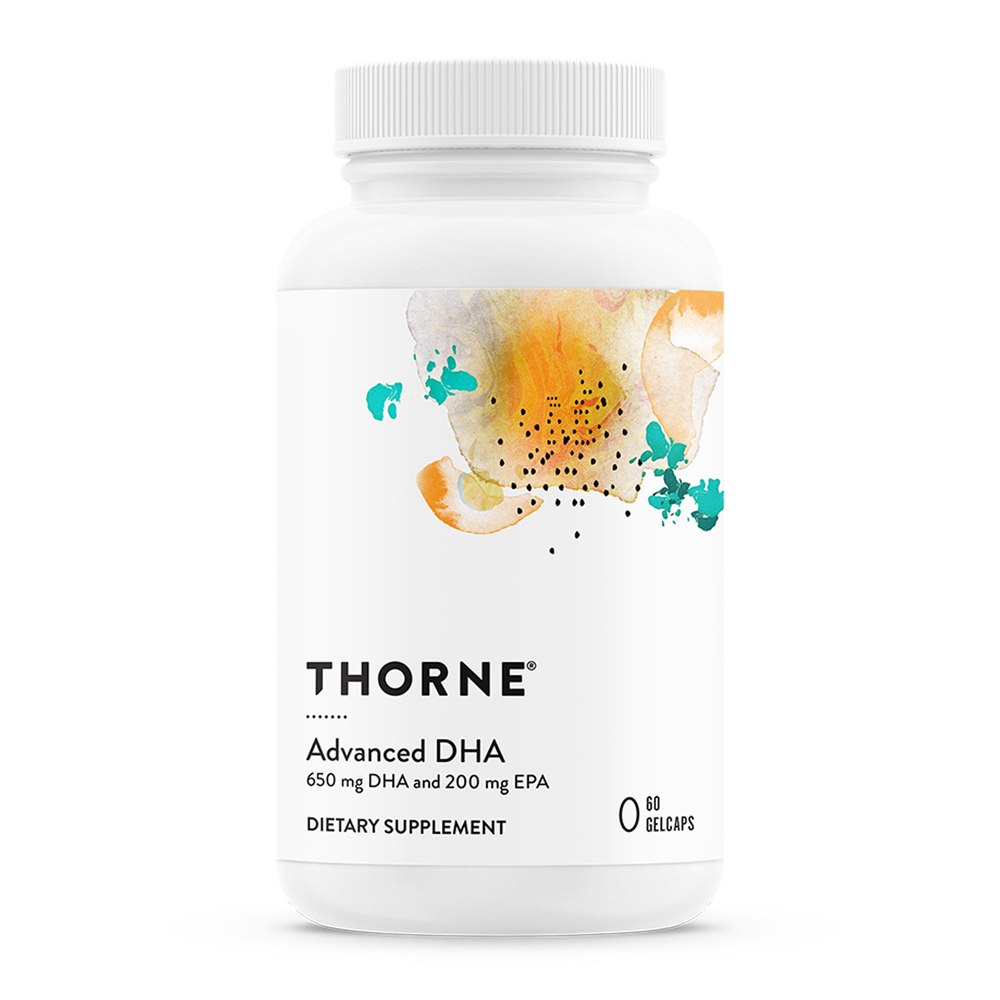
Advanced DHA
Thorne
60 gelcaps
$30.00$27.00 with Subscribe & Save
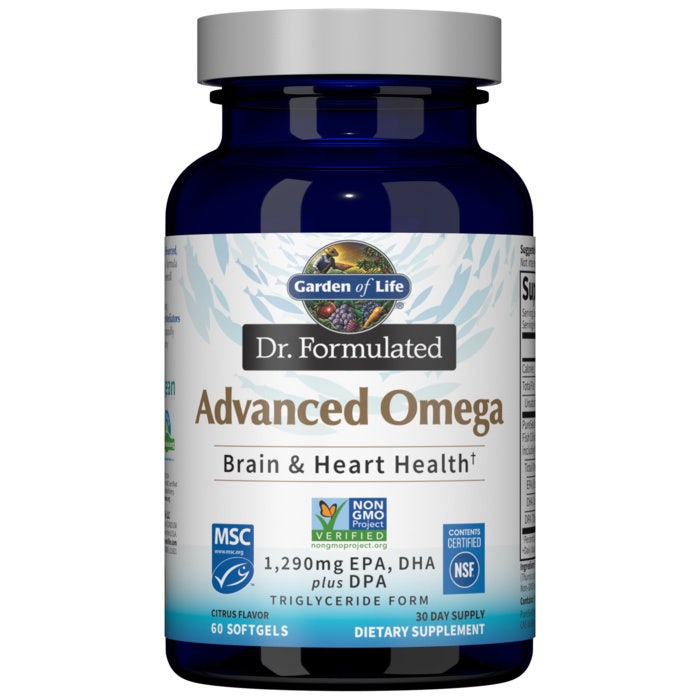
Dr. Formulated Advanced Omega
Garden of Life
60 softgels
$31.99$25.99 with Subscribe & Save
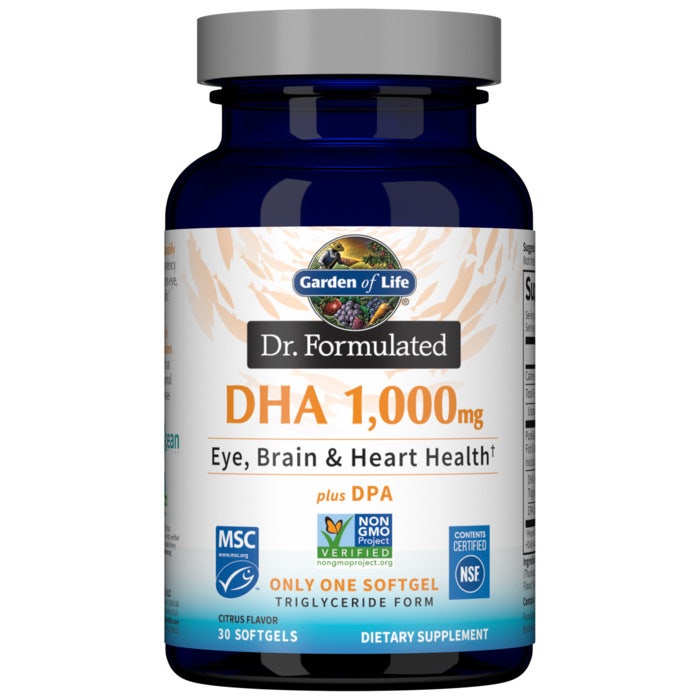
Dr. Formulated DHA 1g
Garden of Life
30 softgels
$31.99$25.99 with Subscribe & Save

Dr. Formulated Prenatal DHA
Garden of Life
30 softgels
$29.99$23.99 with Subscribe & Save