
 Instalab



Now Foods
Vitamin D-3 & K-2 by Now Foods
120 capsules · 120-day supply
Vitamin D3 With K2 (MK-4) for Bone and Cardiovascular Support$14.99
Purchase options
Practitioner-grade brand3rd-party testedFree shipping $50+
Kosher·Gluten Free·Soy Free·Wheat Free·Milk Free·Egg Free·
Now Foods Vitamin D-3 & K-2 overview
This is a maintenance-level vitamin D3 with a modest amount of vitamin K2 added. It suits adults whose Vitamin D (25-hydroxy) is in range or slightly low and who want the two vitamins that handle calcium in one capsule, particularly people who also take calcium or are thinking about bone health as they age. If your level is clearly low, you will need more vitamin D than this for a while. It is not for anyone taking warfarin unless the prescriber agrees.
Vitamin D3 (cholecalciferol) raises the amount of calcium you absorb from food. Vitamin K2 switches on the proteins that deal with that calcium: osteocalcin, which binds calcium into bone, and matrix Gla protein, which helps keep calcium from settling in artery walls. The K2 here is menaquinone-4 (MK-4), a form the body clears within hours, unlike the longer-lasting MK-7. That pairing is the logic behind the label's bone and cardiovascular support statements; trials on whether added K2 changes fracture or heart outcomes are mixed.
Each capsule provides 1,000 IU (25 mcg) of vitamin D3 and 45 mcg of vitamin K2 as MK-4. The label directs 1 capsule 1 to 2 times daily with food; a meal that contains fat suits it, because both vitamins are fat-soluble. One capsule a day is the usual maintenance choice, and a second is worth agreeing with your clinician against your blood level. Count the vitamin D in any multivitamin or calcium product you also take. Recheck Vitamin D (25-hydroxy) after 8–12 weeks to see whether the dose is holding your level.
The label says to consult a physician before use if you take any anticoagulant, such as warfarin (Coumadin) or heparin. Vitamin K works against warfarin and other vitamin K antagonists, so do not start, stop or change this product without your prescriber: even a small change in daily vitamin K intake can shift your INR. Newer anticoagulants such as apixaban and rivaroxaban do not act through vitamin K, but tell your prescriber anyway. For the vitamin D, avoid unsupervised use with a history of high calcium, kidney stones, hyperparathyroidism, sarcoidosis or significant kidney disease; thiazide diuretics raise the chance of high calcium. Orlistat and bile acid sequestrants reduce absorption of both vitamins. The label is for adults only; if you are pregnant or nursing, check with your clinician first.
Vitamin D levels rise gradually over 2–3 months, and you will not feel K2 working. Bone changes take a year or more to show on a scan and depend more on calcium, protein, exercise and overall vitamin D status than on any one capsule. Compared with D3 alone, the difference is the added K2; compared with MK-7 products, MK-4 is shorter-acting. If your vitamin D is low, a higher-strength D3 for repletion makes more sense first.
Frequently asked questions
How much vitamin D3 and K2 are in each capsule?
Each capsule provides 1,000 IU (25 mcg) of vitamin D3 as cholecalciferol and 45 mcg of vitamin K2 as menaquinone-4 (MK-4). The label directs 1 capsule 1 to 2 times daily with food. The bottle contains 120 capsules.
Why take vitamin K2 with vitamin D3?
Vitamin D increases calcium absorption, and vitamin K2 activates the proteins that direct calcium into bone and away from artery walls. You do not need K2 to absorb vitamin D; the pairing is about how calcium is handled afterward.
Can I take vitamin D3 and K2 with warfarin?
Not without your prescriber's agreement. The label says to consult a physician if you take any anticoagulant. Vitamin K counteracts warfarin, and a change in your daily vitamin K intake can move your INR. If your prescriber approves it, take it consistently and have your INR monitored.
What is the difference between MK-4 and MK-7?
Both are forms of vitamin K2. MK-4 is cleared from the blood within hours, while MK-7 stays for days. This product contains 45 mcg of MK-4. Neither form has been clearly shown to be better for bone or heart outcomes.
When should I take vitamin D3 and K2?
The label says to take it with food, 1 to 2 times daily. A meal that contains some fat is best, since both vitamins are fat-soluble. The time of day does not matter. Taking it with the same meal each day makes it easier to remember.
Is 1,000 IU of vitamin D enough?
It is a maintenance dose that holds many adults in range. If your Vitamin D (25-hydroxy) is clearly low, you will probably need more for a period. Test, take a steady dose for 8–12 weeks, then retest and adjust.
Is NOW Vitamin D-3 & K-2 gluten free?
The label says it is not manufactured with wheat, gluten, soy, milk, egg, fish, shellfish, tree nut or sesame ingredients, in a facility that also processes those allergens. The capsule is cellulose. The label makes no vegetarian claim.
Who should not take vitamin D3 and K2?
People on warfarin or another anticoagulant unless the prescriber agrees, and people with high blood calcium, recurrent kidney stones, hyperparathyroidism, sarcoidosis or significant kidney disease unless supervised. It is for adults only. If pregnant or nursing, ask your clinician first.
How to take it & ingredients
Suggested use: Take 1 capsule 1 to 2 times daily with food.
Active ingredients
1 capsule per serving · 120 servings
Vitamin D
D3 Cholecalciferol
D3 Cholecalciferol
25 mcg, 1000 IU
Vitamin K
Vitamin K2 as Menaquinone-4 (MK-4)
Vitamin K2 as Menaquinone-4 (MK-4)
45 mcg
Other ingredients: Rice Flour, Hypromellose (cellulose capsule), Maltodextrin, Ascorbyl Palmitate, Modified Starch, Silicon Dioxide
Certifications
Benefits
Warnings
Customers also considered
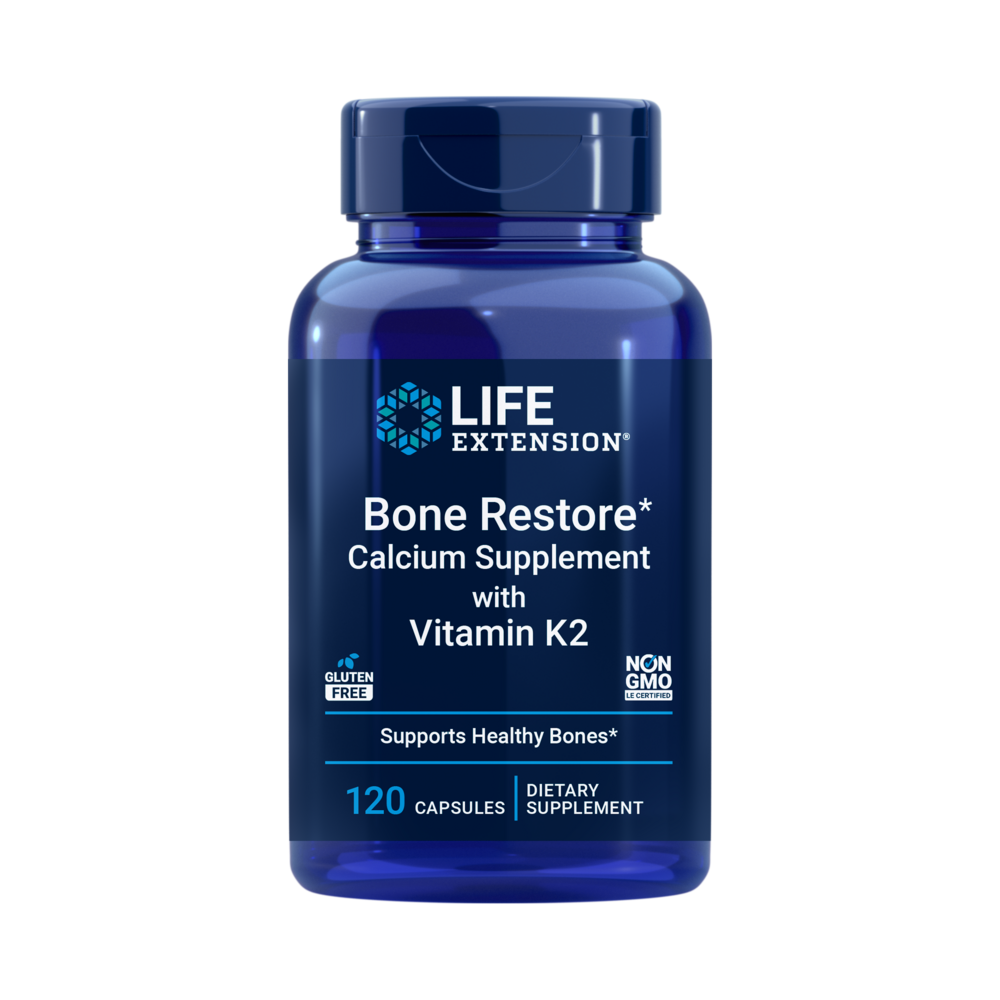
Bone Restore Calcium Supplement with Vitamin K2
Life Extension
120 capsules
$24.99$19.99 with Subscribe & Save
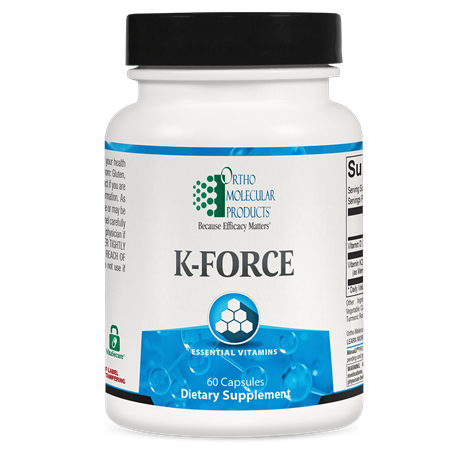
K-FORCE
Ortho Molecular Products
60 capsules
$60.33$54.35 with Subscribe & Save
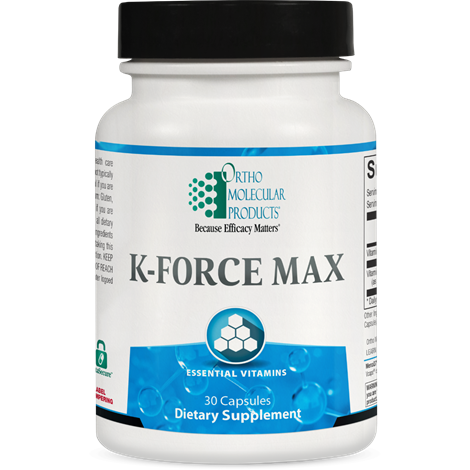
K-FORCE MAX
Ortho Molecular Products
30 capsules
$44.79$40.35 with Subscribe & Save
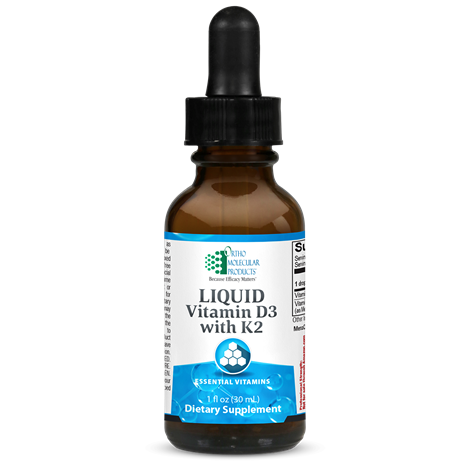
Liquid Vitamin D3 with K2
Ortho Molecular Products
30 milliliters
$52.00$46.85 with Subscribe & Save