 Instalab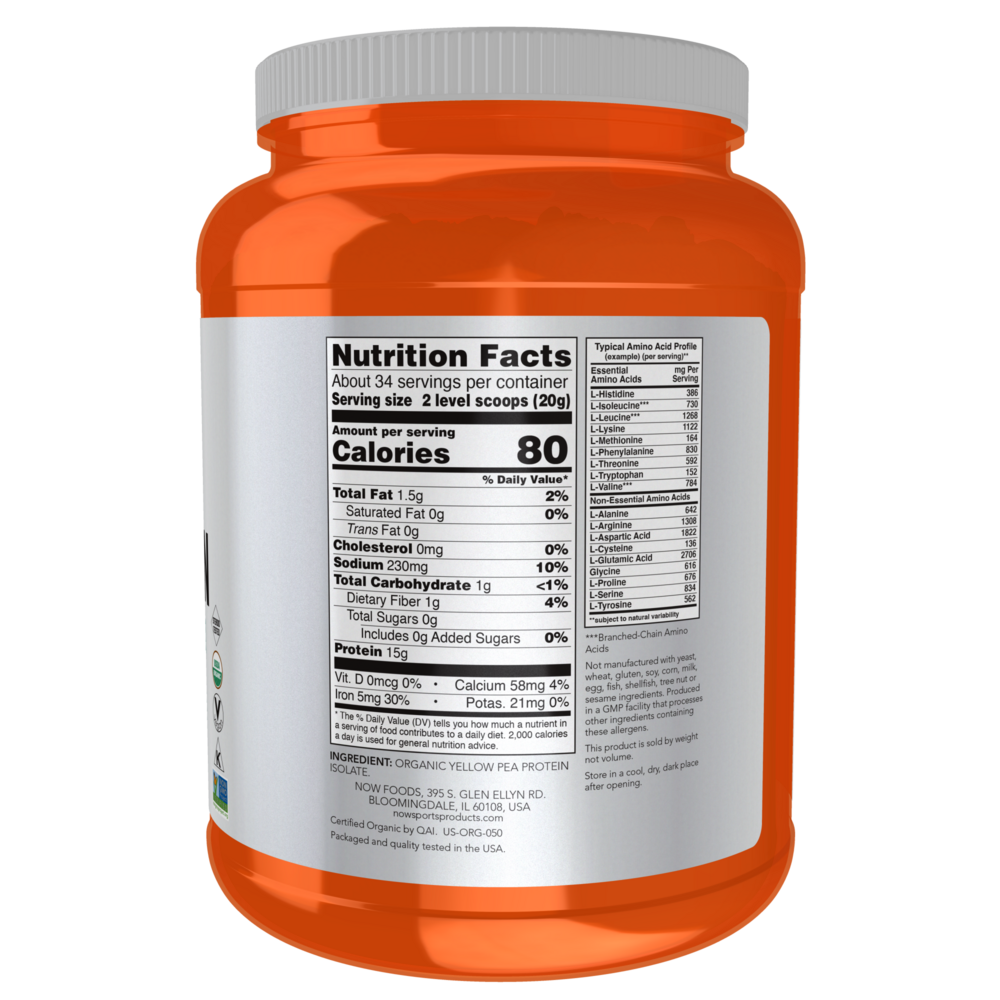
Now Foods
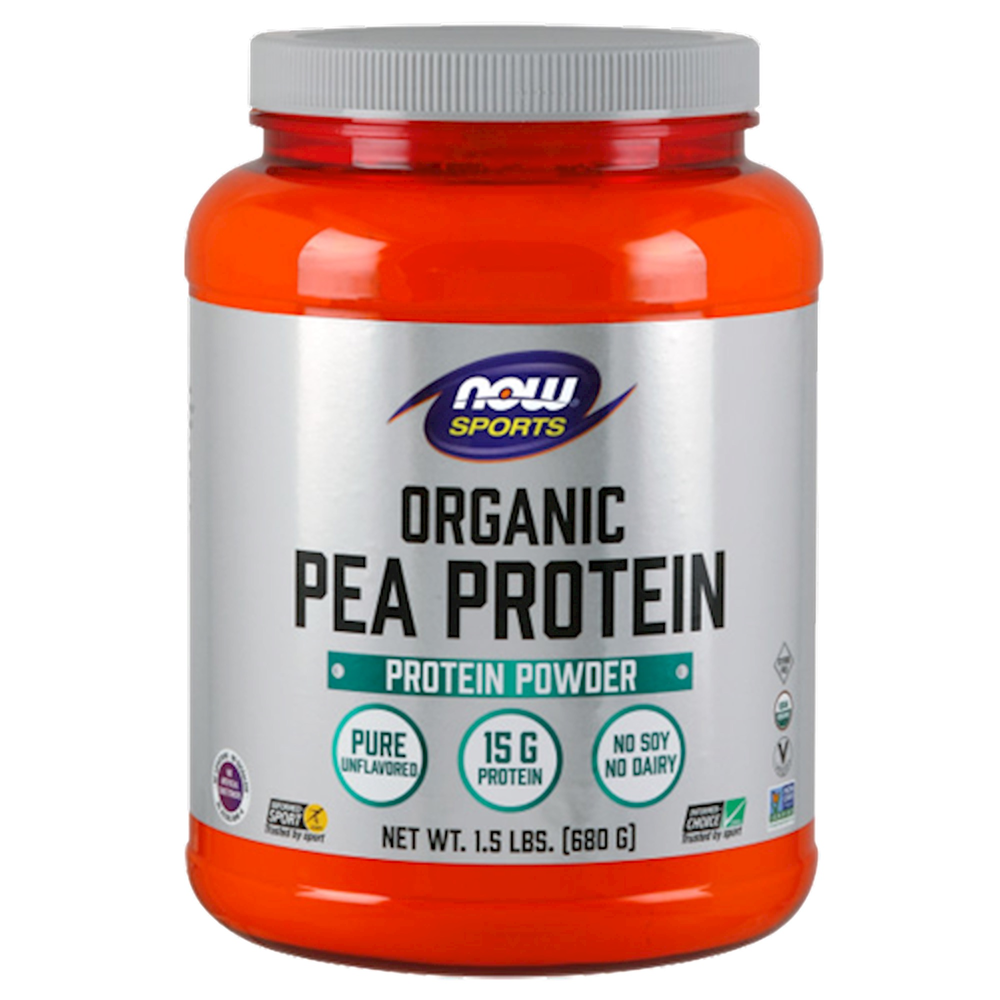
Organic Pea Protein 15 g by Now Foods
680 grams
Plant-Based Protein for Muscle Support and Nutritional Balance$34.99
Purchase options
Practitioner-grade brand3rd-party testedFree shipping $50+
Vegan·Kosher·Gluten Free·Soy Free·Dairy Free·Milk Free·
Now Foods Organic Pea Protein overview
If you want a dairy‑free protein that’s easy on digestion, pea protein fits. It’s useful for vegans, people with whey or soy intolerance, and anyone aiming to bump daily protein without extra carbs. The 15 g per serving here is a maintenance dose, good for smoothies or snacks. For post‑workout muscle building, most adults do better with 25–35 g protein at a time, so plan on a larger portion or pairing with another protein source.
Muscle building is triggered when leucine, one of the branched‑chain amino acids, flips on mTOR (the cellular switch for muscle protein synthesis). Pea protein supplies BCAAs, but its leucine per 15 g protein is modest, so a bigger serving is often needed to hit the 2–3 g leucine “trigger.” It’s lower in methionine (an essential amino acid), which you can offset by combining with rice protein or eating eggs/dairy at other meals. Arginine content supports nitric oxide (a vessel‑widening signal), which some athletes like for training.
Mix two scoops with 6–10 oz cold water or a smoothie. For recovery, aim for 25–35 g total protein within 1–2 hours after training, which usually means 2–3 servings of pea protein or combining one serving with Greek yogurt, milk, or rice protein. Spread the same amount at 2–4 meals daily for body recomposition. Pea protein pairs well with 3–5 g creatine monohydrate. If you bloat with shakes, blend longer and sip slowly, or use more liquid.
Skip pea protein if you have a known pea or legume allergy; there is occasional cross‑reactivity with peanut allergy. If you have chronic kidney disease or a low eGFR (a measure of kidney filtration), discuss total daily protein with your clinician before adding shakes. If you’re managing recurrent cold sores, higher‑arginine proteins can be a trigger for some; balance your diet with higher‑lysine foods. For cutting triglycerides, protein alone won’t move labs—look at omega‑3s and fiber.
Pea protein isolate is typically low FODMAP, even though whole peas are gassier, so many with sensitive digestion tolerate it. Compared head‑to‑head, whey reaches the leucine trigger in smaller servings, but pea protein reaches similar outcomes when you match total protein. Most people notice steadier appetite the same day; body composition changes show up over 4–12 weeks if total daily protein and training are consistent.
Frequently asked questions
Is pea protein a complete protein?
It has all nine essential amino acids but is relatively low in methionine. That’s easy to fix by eating other protein sources daily or mixing pea with rice protein. For muscle, what matters most is hitting enough total protein and leucine per meal.
Pea protein vs whey for muscle: which is better?
Whey reaches the muscle-building leucine threshold with smaller servings. Pea protein matches results when you increase the serving to deliver 25–35 g protein per dose. Choose based on tolerance and diet; vegans and the dairy‑sensitive often do best with pea.
How many scoops of pea protein after a workout?
Most adults need 25–35 g protein post‑workout. With 15 g per serving, that’s roughly 2 servings, or combine one serving with another protein food. Larger bodies, cutting phases, or older adults often benefit from the higher end of the range.
Does pea protein cause bloating or gas?
Pea protein isolate is usually well tolerated and is low FODMAP. If you’re sensitive, use more water, blend longer to reduce foam, sip slowly, and avoid adding large amounts of inulin or chicory fiber to the same shake.
Is pea protein good for weight loss?
Yes, higher protein increases fullness and slightly raises the calories you burn digesting food. Use pea protein to hit your daily protein target while keeping calories controlled, and expect changes in body composition over 4–12 weeks with diet and training.
Is pea protein safe for kidney disease?
Protein type matters less than total daily amount. If you have reduced kidney function or a low eGFR, ask your clinician for a personalized protein target before adding shakes. People with normal kidney function can use pea protein as part of a high‑protein diet.
Can arginine in pea protein trigger cold sores?
Arginine can be a trigger for some people with recurrent herpes simplex (cold sores). If you notice flares, reduce high‑arginine supplements for a period and emphasize higher‑lysine foods, then reintroduce gradually to test tolerance.
Is pea protein low FODMAP?
Pea protein isolate is generally considered low FODMAP, unlike whole peas. Most people with irritable bowel symptoms tolerate it, especially when mixed with water or lactose‑free milk and without added high‑FODMAP ingredients.
How to take it & ingredients
Suggested use: Add 2 level scoops daily to 6 oz of cold water, juice, or your favorite beverage. Stir or blend.
Active ingredients
2 scoops (20g) per serving
Protein
Pea Protein Isolate
Pea Protein Isolate
15 g, , , ,
Certifications
Benefits
Warnings
Customers also considered
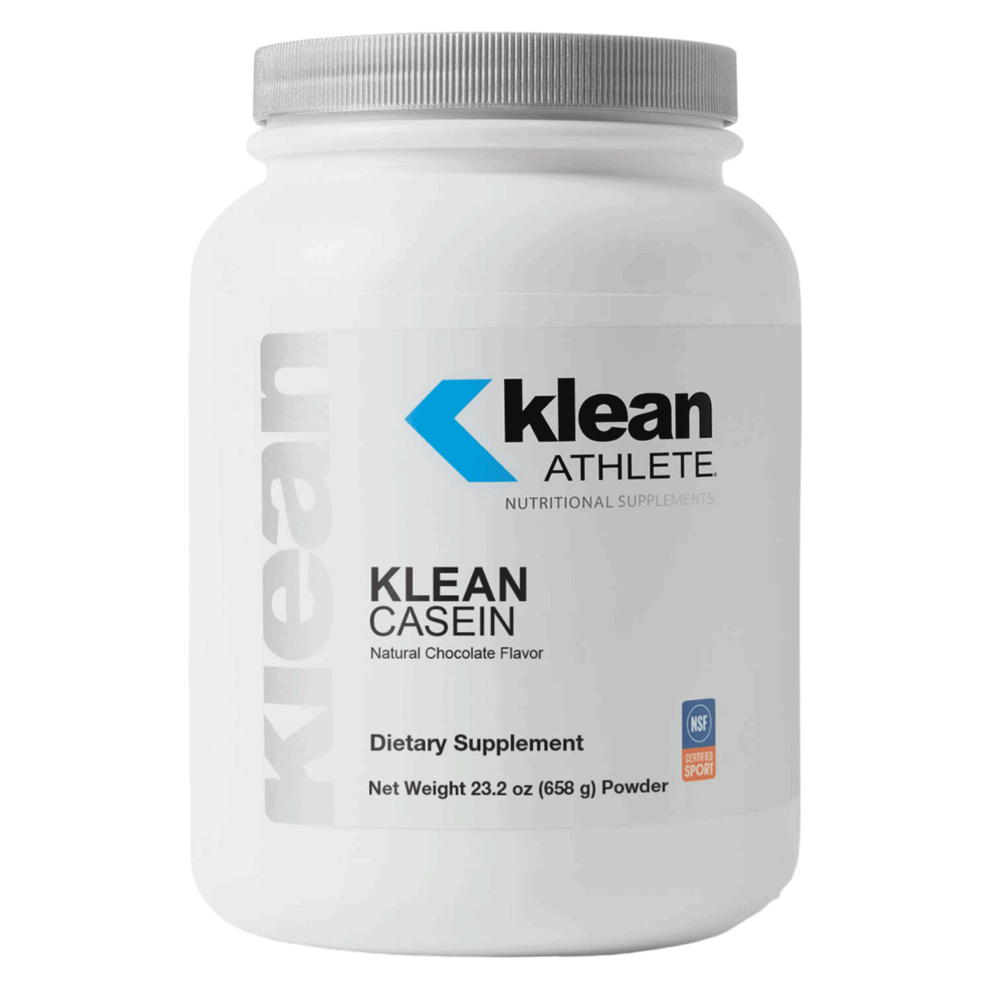
Casein Natural Chocolate
Klean Athlete
658 grams
$68.50$54.99 with Subscribe & Save
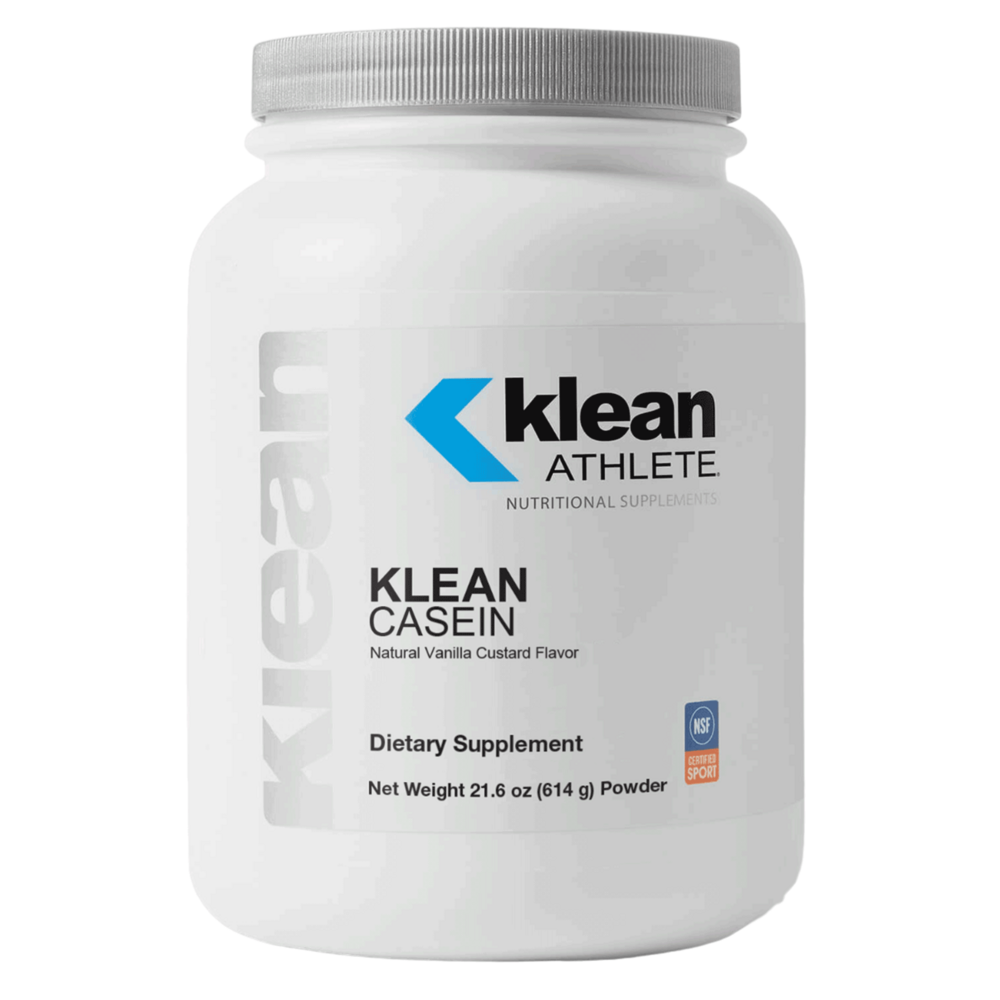
Casein Natural Vanilla Custard Flavor
Klean Athlete
614 grams
$68.50$54.99 with Subscribe & Save
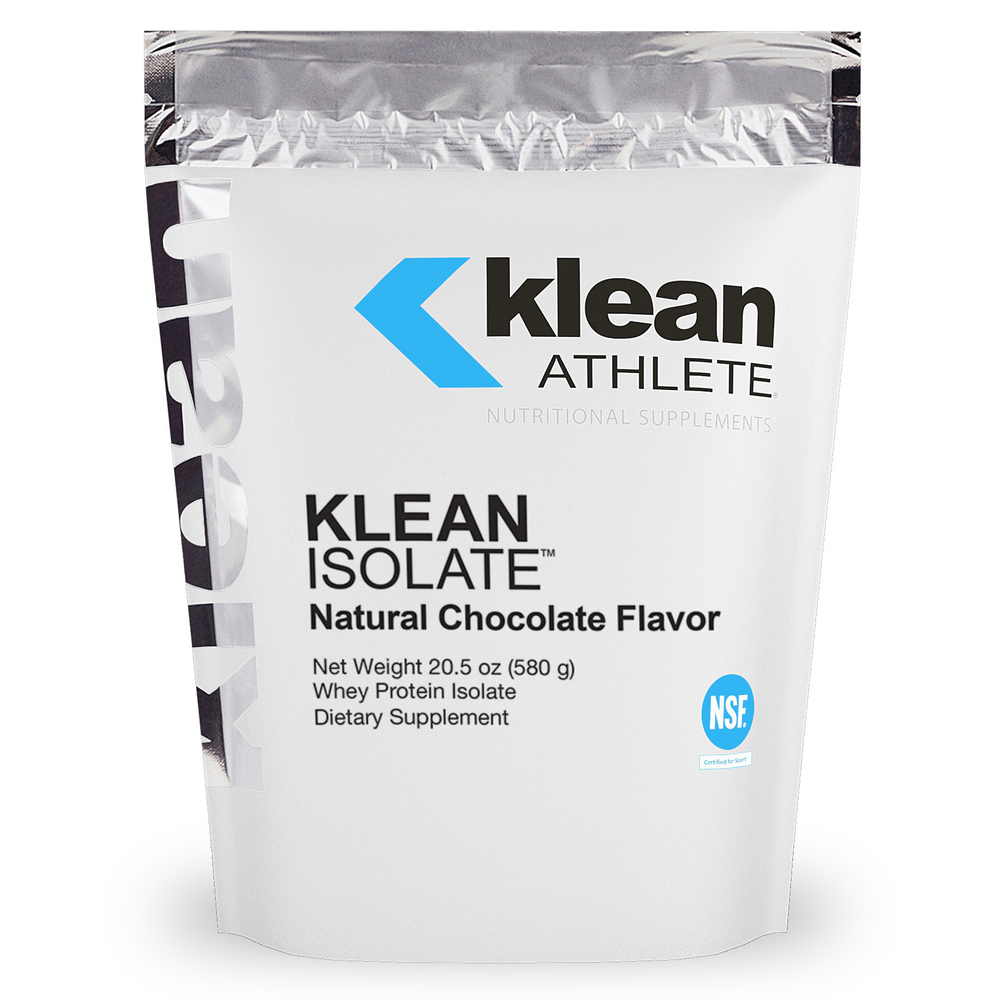
Klean Isolate Natural Chocolate
Klean Athlete
580 grams
$64.50$51.99 with Subscribe & Save
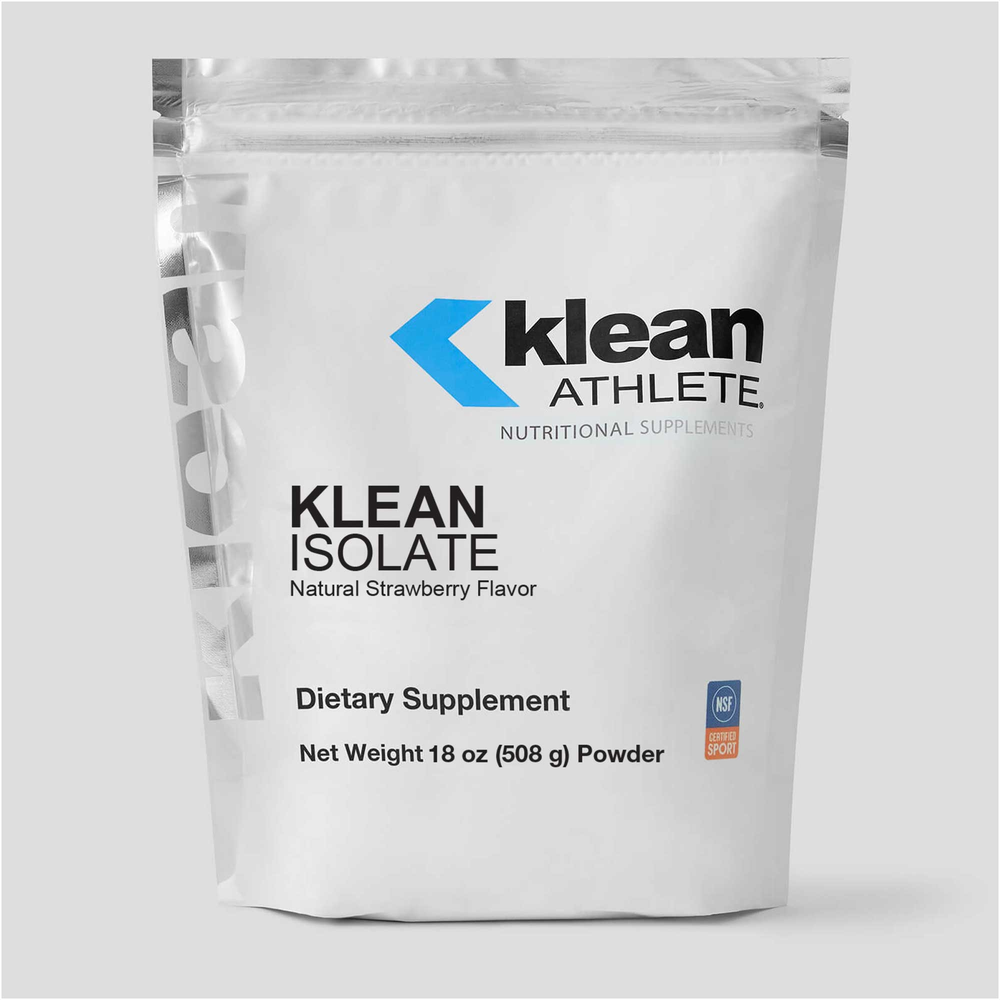
Klean Isolate Natural Strawberry
Klean Athlete
508 grams
$64.50$51.99 with Subscribe & Save