 Instalab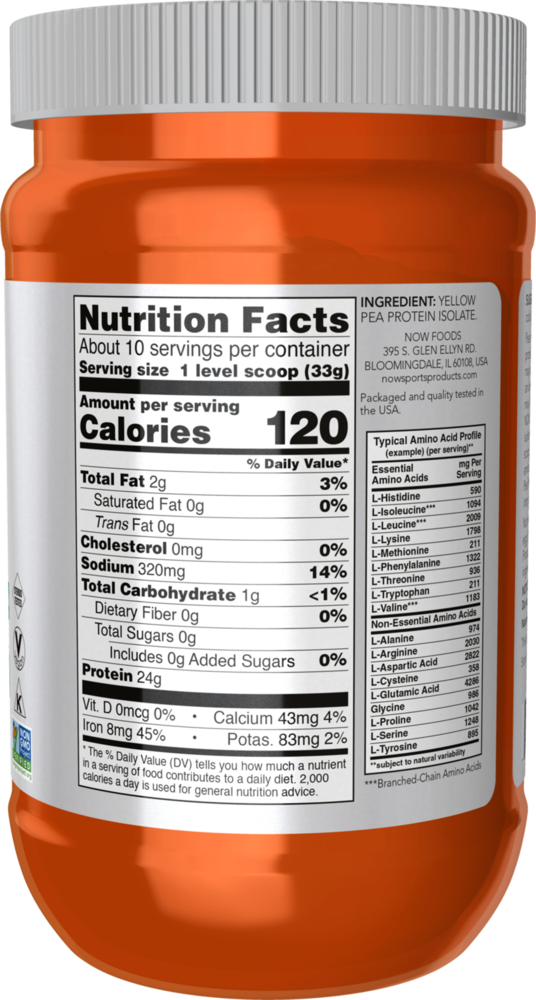
Now Sports
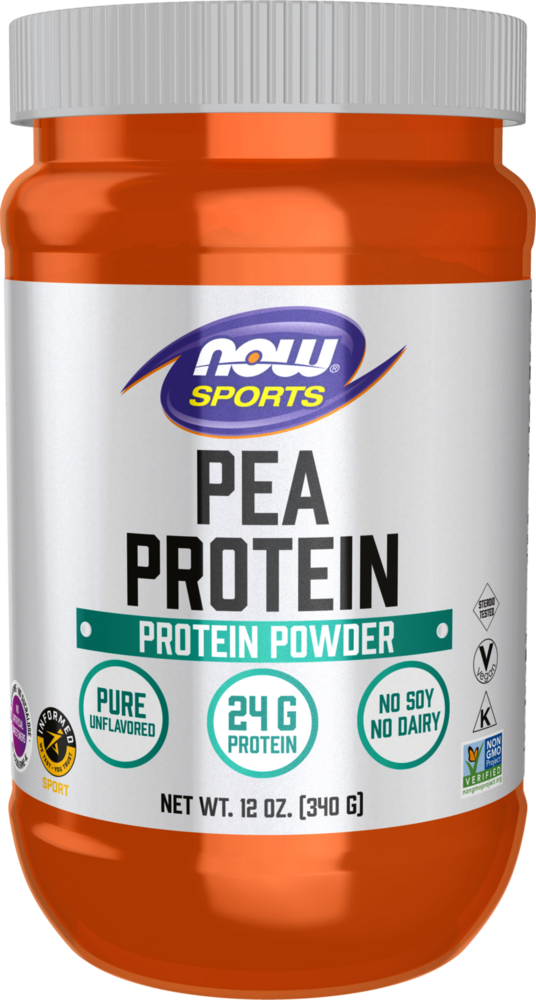
Pea Protein 24 g by Now Sports
340 grams
Plant-Based Protein for Muscle Support and Recovery$19.99
Purchase options
Practitioner-grade brand3rd-party testedFree shipping $50+
Vegan·Vegetarian·Kosher·Gluten Free·Soy Free·Dairy Free·
Now Sports Pea Protein overview
If you train and can’t do dairy or soy, pea protein is the cleanest way to hit a meaningful protein target without gastrointestinal drama. One scoop delivers 24 g, enough for a post-workout serving or to bolster a low-protein meal. Vegans and lactose-intolerant lifters typically see similar strength and lean mass gains to whey over 8–12 weeks when total daily protein is matched. If your goal is weight management, replacing a snack with pea protein often improves fullness between meals.
Muscle growth is triggered by essential amino acids, especially leucine (the amino acid that flips on muscle-building). Pea protein is rich in branched-chain amino acids and provides roughly 2 g of leucine per scoop, enough to stimulate muscle protein synthesis for many adults. Its digestibility is high for a plant isolate, and it’s naturally low in common allergens. Methionine (an essential amino acid) is lower than in whey, so pairing this with grains, seeds, or rice protein rounds out the amino acid profile.
Mix one level scoop in 10–12 oz of water or milk alternative and drink with a meal or within two hours after training. Most lifters do best with 20–40 g protein per meal, so use one or two scoops based on what your plate lacks. For body recomposition, aim for evenly spaced protein feedings across the day. It blends well with creatine (3–5 g) and some carbohydrate if you want to support glycogen repletion after hard sessions.
If you have diagnosed kidney disease or are on a protein-restricted diet, use pea protein only with clinician guidance and monitor estimated GFR (a kidney filtration marker). Those with known pea or legume allergy should avoid it. If you form calcium oxalate kidney stones frequently, keep fluids high and consider rotating protein sources; isolates are generally lower in oxalate than whole legumes, but caution is reasonable.
Frequently asked questions
Is pea protein as good as whey for muscle gain?
Yes, when total daily protein is matched. Studies show similar strength and lean mass gains over 8–12 weeks with training. Whey has slightly more leucine per scoop, so some people use a larger serving of pea to hit the same trigger.
How much pea protein should I take per day?
Use it to help reach your daily target. For lifters, total protein around 0.7–1.0 g per pound of goal body weight works well. Practically, that’s 1–2 scoops per meal you’re short on protein, spread across the day.
When should I take pea protein around workouts?
Timing is flexible. A serving within two hours after training is convenient, but what matters most is hitting your total daily protein. If you train fasted early, a pre-workout shake can also work.
Is pea protein a complete protein?
It contains all essential amino acids, but methionine is relatively low. You can balance that by eating grains, seeds, or adding a bit of rice protein during the day to improve the overall amino acid mix.
Does pea protein cause gas or bloating?
Pea protein isolate is easier on digestion than whole-legume powders and is generally low FODMAP. If you’re sensitive, start with half a scoop, blend well, and take it with a meal to reduce symptoms.
Can I use pea protein if I have kidney issues?
Only with clinician guidance. People with reduced kidney function are often on protein limits. If approved, monitor estimated GFR and urine albumin while you adjust your total daily intake.
Can I combine pea protein with creatine?
Yes. Creatine (3–5 g daily) mixes well with pea protein and complements training by improving high-intensity performance. Consistency matters more than timing, so take it when you’ll remember.
How to take it & ingredients
Suggested use: Add 1 level scoop daily to 12 oz of cold water, juice, or your favorite beverage. Stir or blend until smooth.
Active ingredients
1 scoop = 33 grams per serving
Yellow Pea Protein Isolate
24 g
Certifications
Benefits
Warnings
Customers also considered
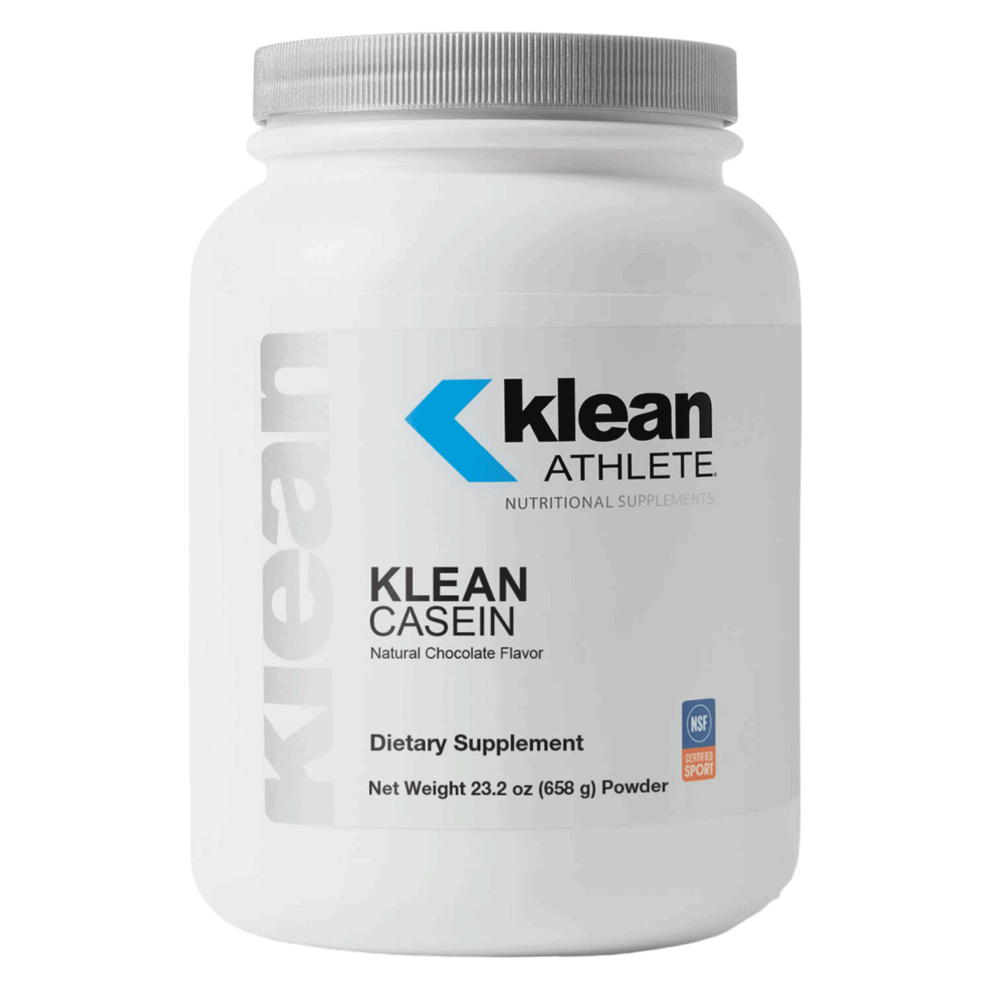
Casein Natural Chocolate
Klean Athlete
658 grams
$68.50$54.99 with Subscribe & Save
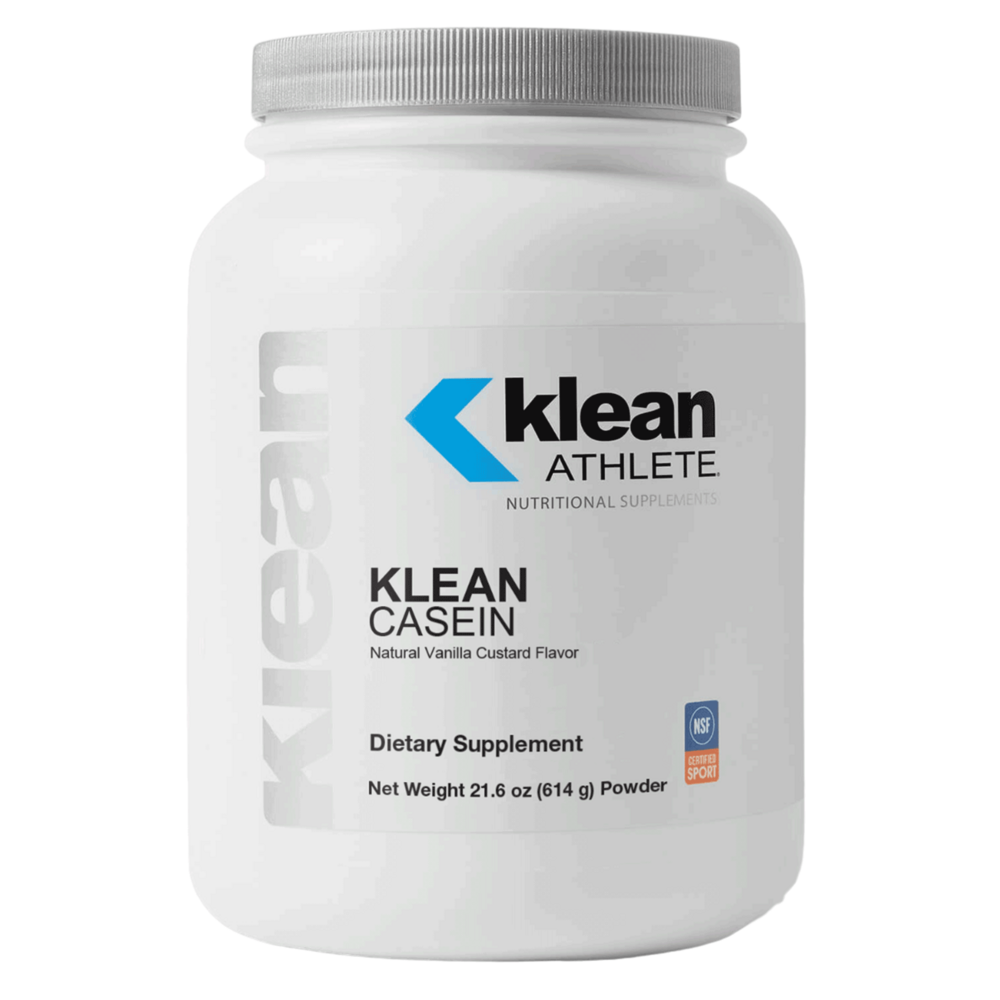
Casein Natural Vanilla Custard Flavor
Klean Athlete
614 grams
$68.50$54.99 with Subscribe & Save
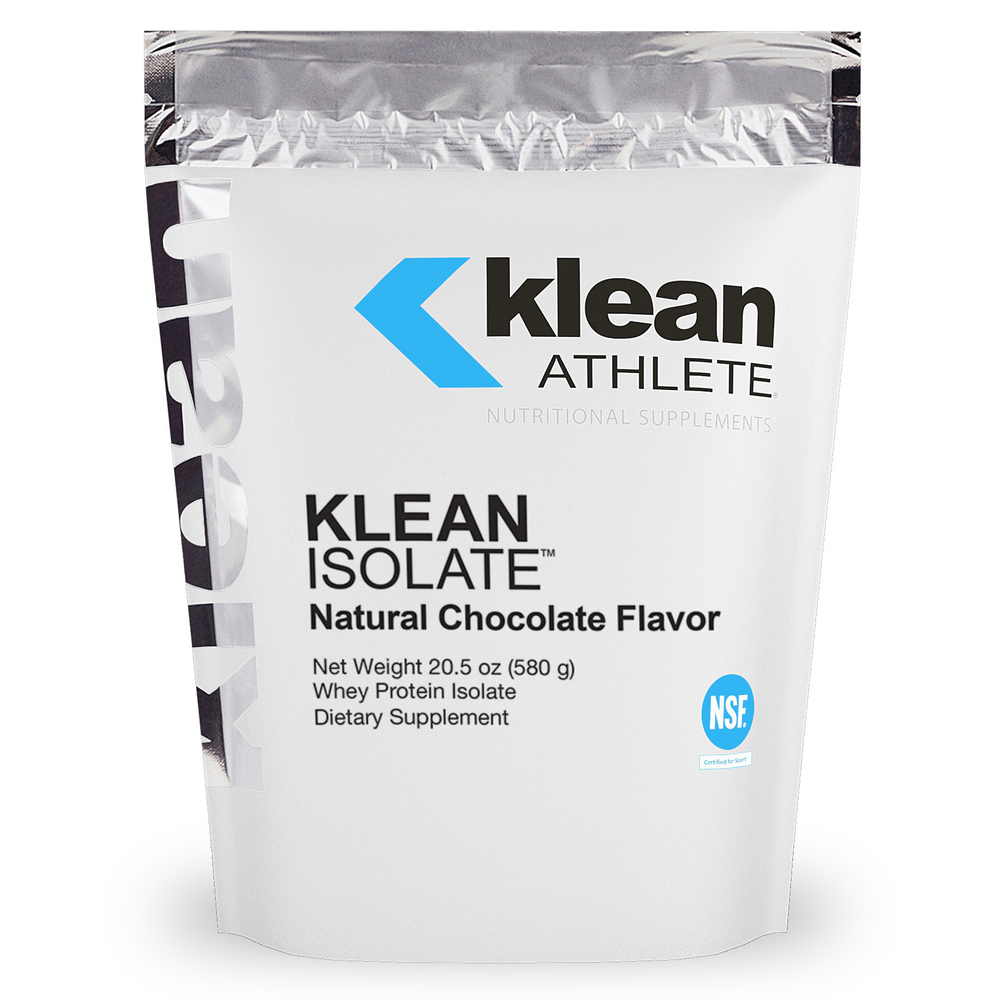
Klean Isolate Natural Chocolate
Klean Athlete
580 grams
$64.50$51.99 with Subscribe & Save
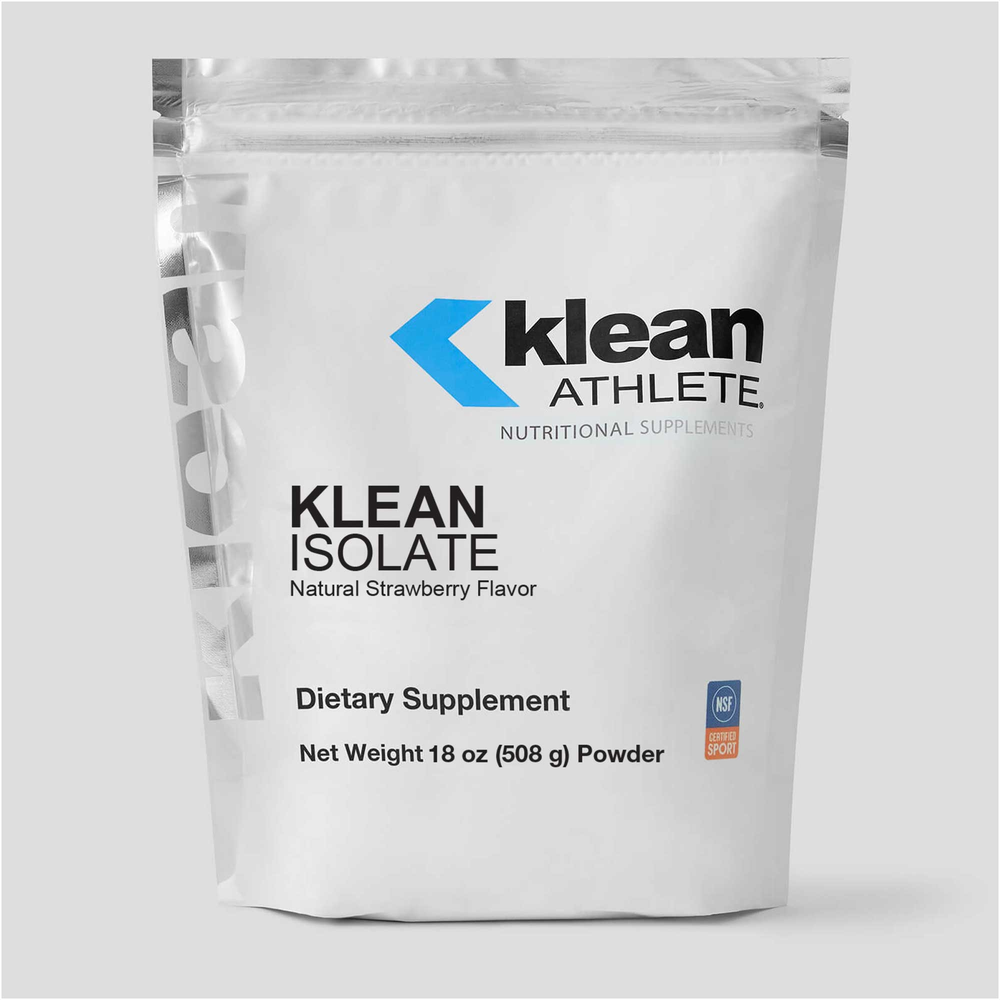
Klean Isolate Natural Strawberry
Klean Athlete
508 grams
$64.50$51.99 with Subscribe & Save