 Instalab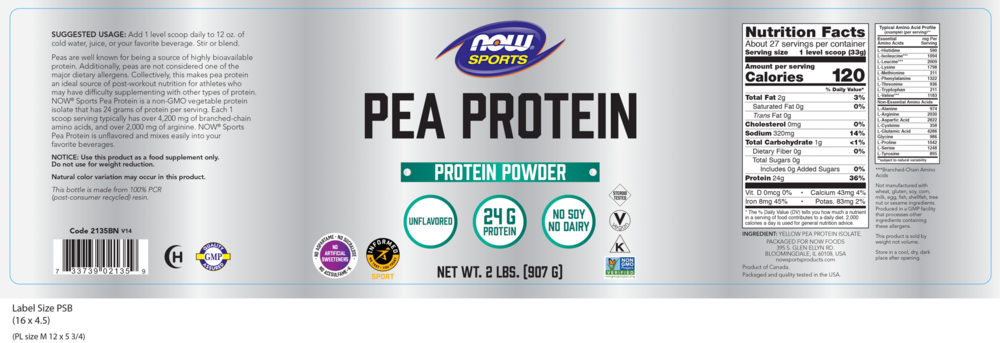
Now Sports
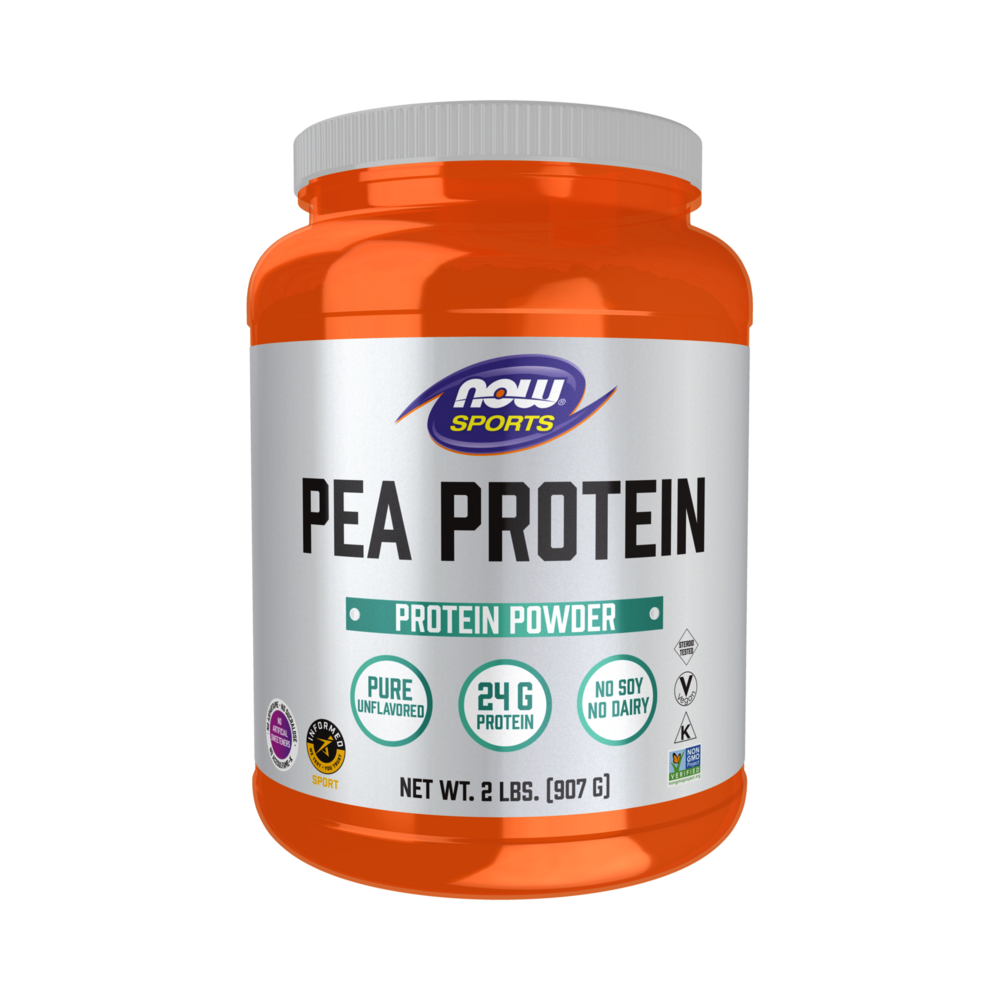
Pea Protein 24 g by Now Sports
907 grams
Plant-Based Protein for Muscle Support and Recovery$39.99
Purchase options
Practitioner-grade brand3rd-party testedFree shipping $50+
Vegan·Vegetarian·Kosher·Gluten Free·Soy Free·Dairy Free·
Now Sports Pea Protein overview
If whey bloats you or you avoid dairy, pea protein isolate is the cleanest way to keep protein high after training. One scoop delivers 24 g, enough for most 35-year-olds to hit a muscle-building dose in a single shake. It also suits vegans on restrictive diets and anyone who wants a hypoallergenic option when travel or a busy schedule makes real-food protein inconsistent.
Pea protein is rich in leucine, the amino acid that flips on muscle protein synthesis (the process of turning amino acids into new muscle). A scoop provides roughly 2 g leucine, close to the 2–3 g threshold most lifters aim for per meal. Its overall amino acid profile is high in lysine but lower in methionine and cysteine, so pairing it with grains or seeds across the day evens out the balance and keeps results on par with whey in head-to-head training studies.
Use one level scoop in 10–14 oz of cold water or milk substitute and blend until smooth. Take within 1–2 hours after lifting, or as a meal anchor when your food protein is light. Chasing strength or body recomp? Most active adults land at 1.6–2.2 g protein per kg body weight per day; this serving is a practical building block toward that target without dairy. If digestion is sensitive, start with half a scoop for a week.
Skip this if you have a known legume or pea allergy. If you have chronic kidney disease or a history of kidney stones, talk to your clinician about total daily protein and fluid goals before adding any isolate. Phenylketonuria (PKU) requires tracking phenylalanine from all sources, including pea protein. Occasional gas can happen with fast increases in protein; titrate slowly and take with food.
Frequently asked questions
Is pea protein as good as whey for building muscle?
Yes for most people hitting total daily protein. Studies show similar strength and size gains over 8–12 weeks when total protein and training are matched. Whey has slightly more leucine per scoop, but this serving gets you close to the effective range.
Is pea protein a complete protein?
Technically yes, it contains all essential amino acids, but it’s relatively lower in methionine and cysteine. Pair it with grains, nuts, or seeds across the day to balance the profile and match animal proteins.
How much pea protein should I take per day?
Use it to close the gap to your daily target, typically 1.6–2.2 g protein per kg body weight for lifters. One scoop is a solid post-workout dose; many active adults use 1–2 scoops spread across meals.
Does pea protein cause bloating or gas?
It’s usually well tolerated, especially as an isolate, but rapid jumps in protein can cause gas. Start with half a scoop, blend well, and take with food or fluid. Most see digestion settle within a week.
Is pea protein low FODMAP?
Pea protein isolate is generally low FODMAP, unlike whole peas. Individual tolerance varies, so introduce it gradually if you have a sensitive gut or irritable bowel symptoms.
When should I take pea protein after a workout?
Within 1–2 hours post-training is convenient and effective. What matters more is hitting your total daily protein and spacing protein-rich meals every 3–5 hours.
Does pea protein have heavy metals?
Plant proteins can contain trace minerals from soil, but reputable brands test lots and meet safety limits. If you’re concerned, look for products with third-party testing or lot-specific certificates of analysis.
Is pea protein safe with kidney disease?
Protein needs are individualized in kidney disease. Do not add any protein isolate without discussing your total daily allowance and fluid plan with your nephrologist or dietitian.
How to take it & ingredients
Suggested use: Add 1 level scoop daily to 12 oz of cold water, juice, or your favorite beverage. Stir or blend until smooth.
Active ingredients
1 scoop = 33 grams per serving
Yellow Pea Protein Isolate
24 g
Certifications
Benefits
Warnings
Customers also considered
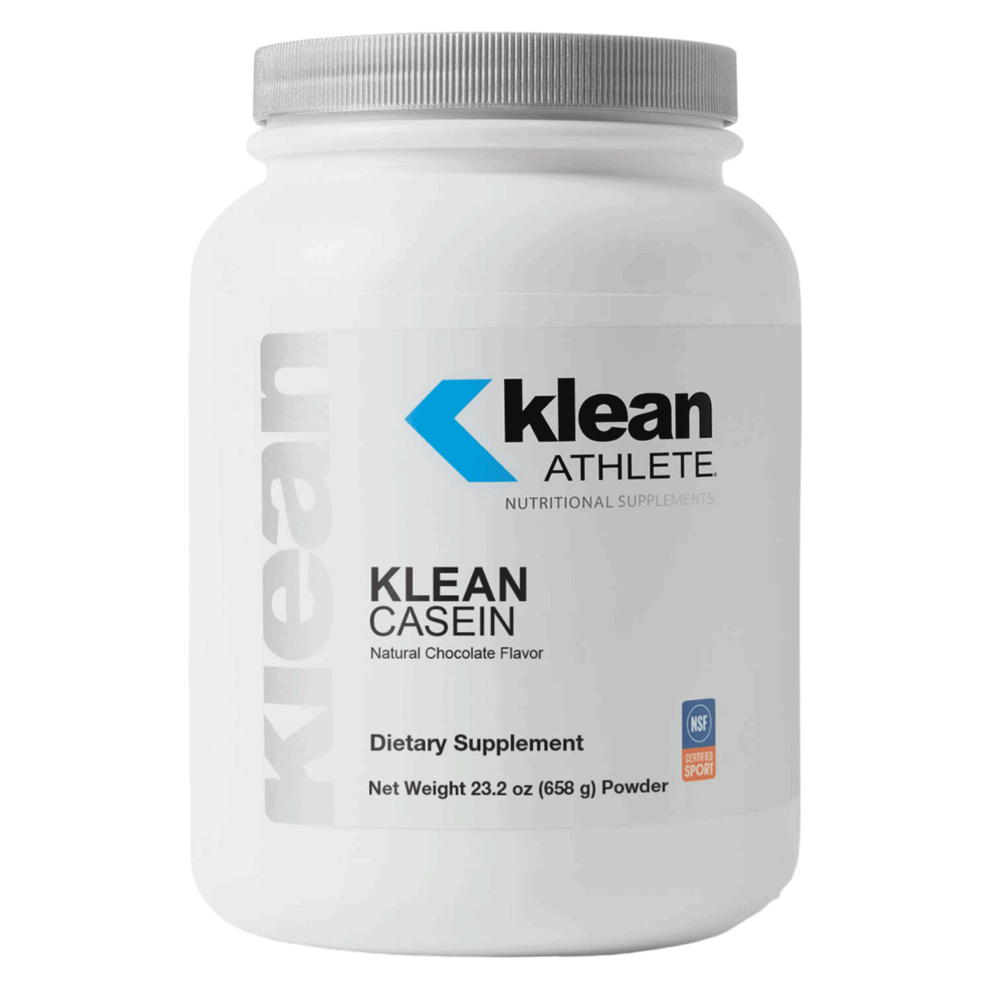
Casein Natural Chocolate
Klean Athlete
658 grams
$68.50$54.99 with Subscribe & Save
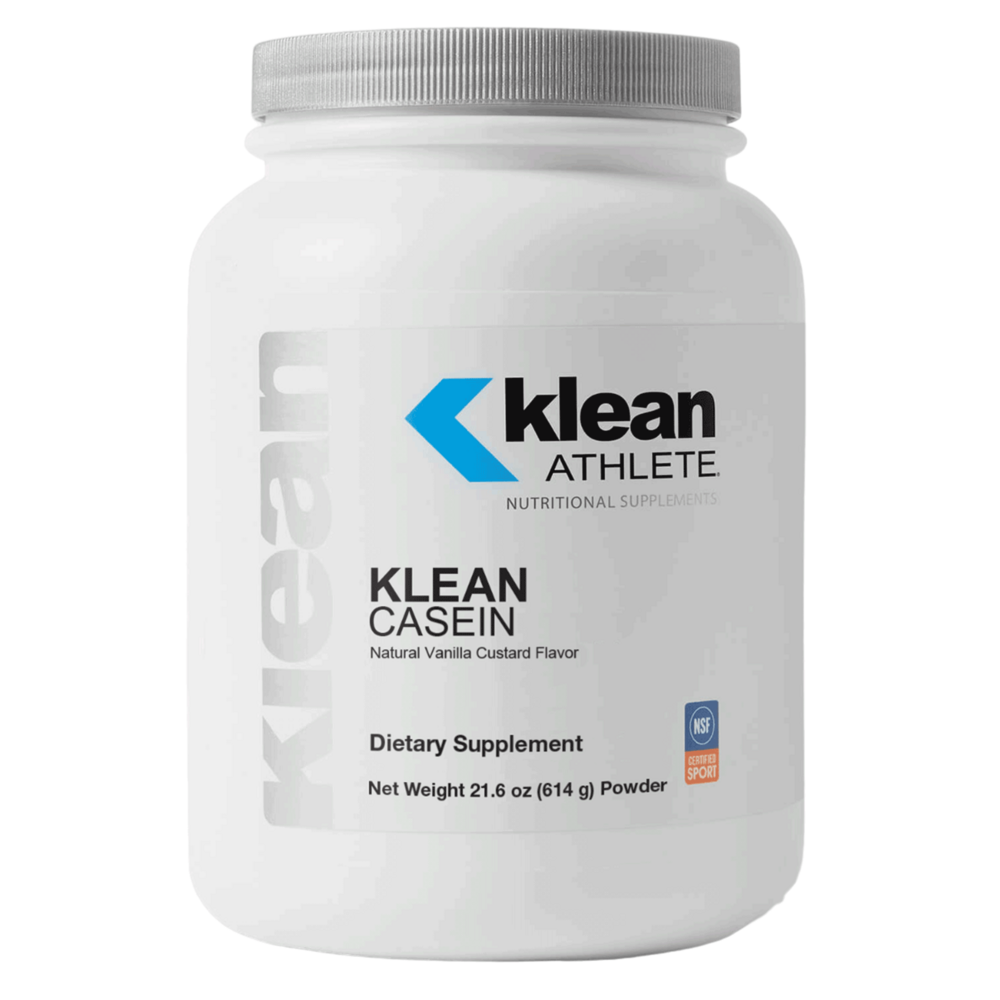
Casein Natural Vanilla Custard Flavor
Klean Athlete
614 grams
$68.50$54.99 with Subscribe & Save
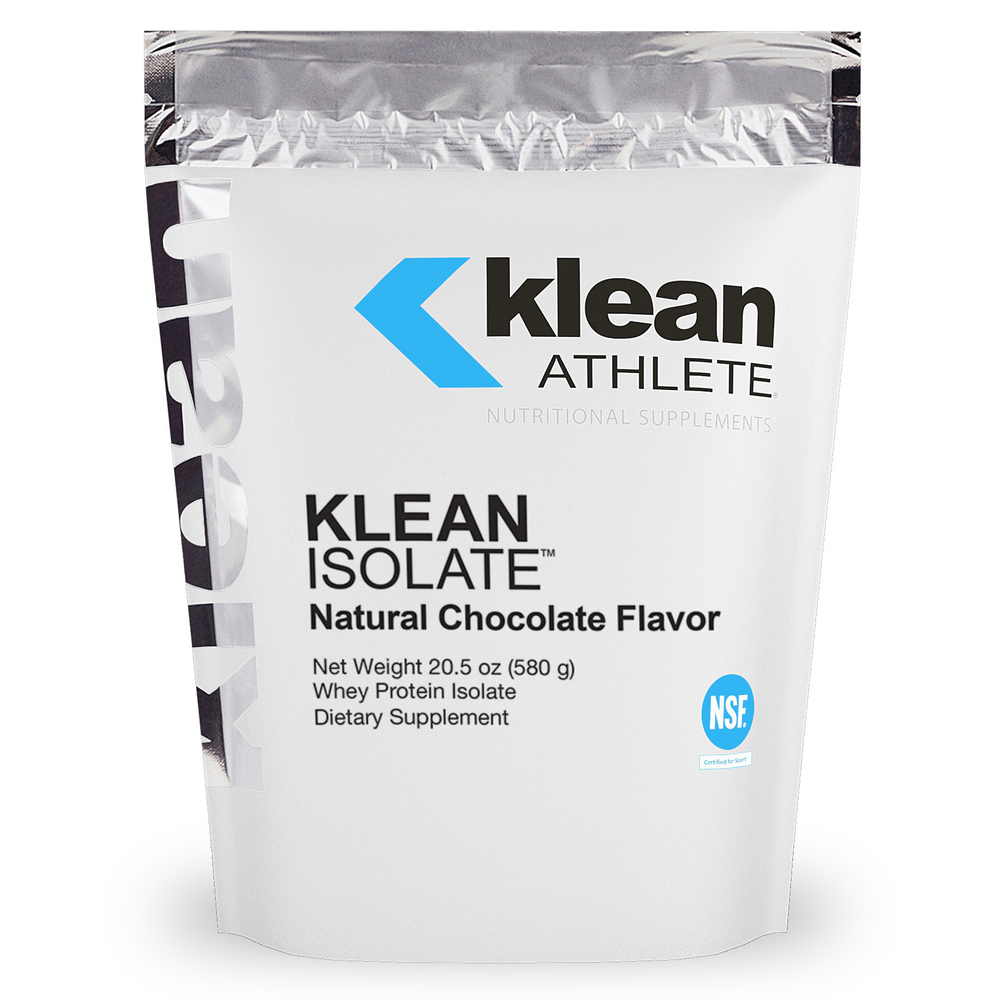
Klean Isolate Natural Chocolate
Klean Athlete
580 grams
$64.50$51.99 with Subscribe & Save
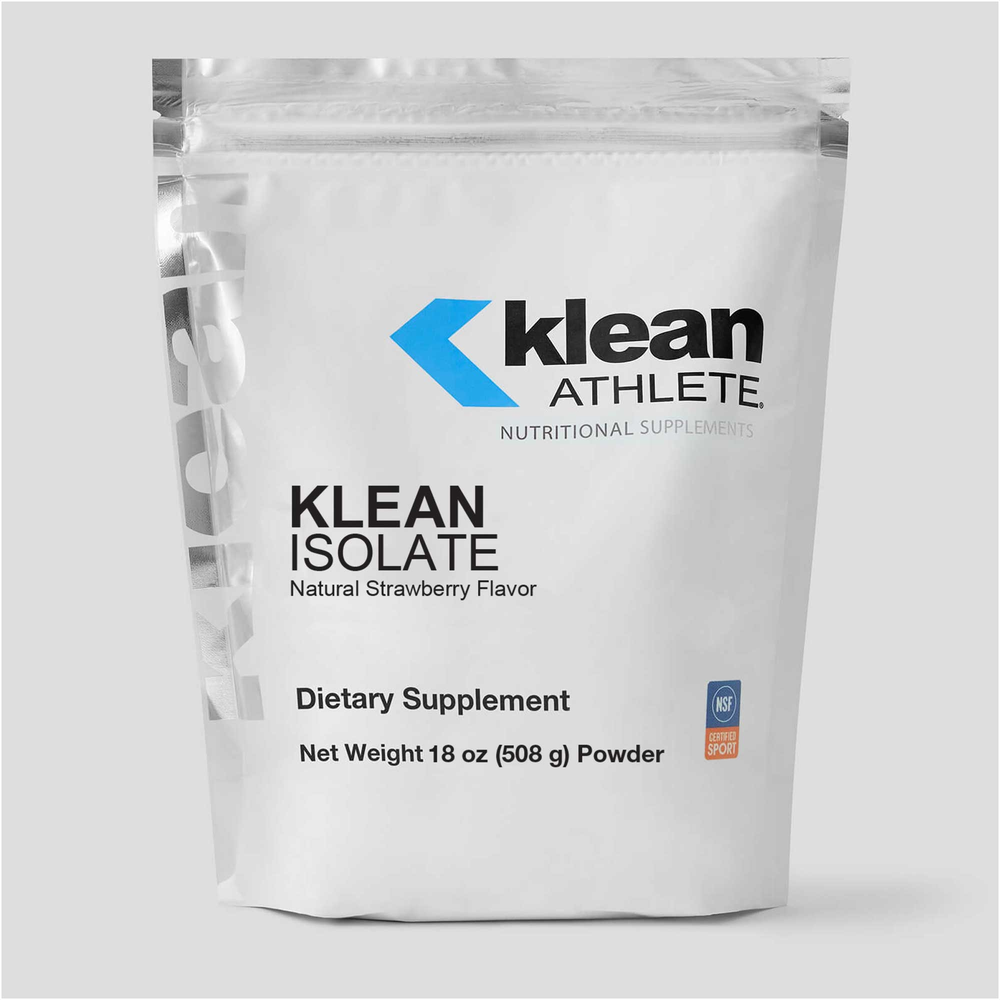
Klean Isolate Natural Strawberry
Klean Athlete
508 grams
$64.50$51.99 with Subscribe & Save