
 Instalab


Nutra BioGenesis
Vitamin D3-K2 Emulsion by Nutra BioGenesis
30 milliliters · 120-day supply
High-Dose Liquid Vitamin D3 with K2 for Bone and Immune Support$22.99
Purchase options
Practitioner-grade brand3rd-party testedFree shipping $50+
Vegan·Gluten Free
Nutra BioGenesis Vitamin D3-K2 Emulsion overview
This emulsion fits adults whose Vitamin D (25-hydroxy) has tested low and who want a daily repletion dose as a liquid, with vitamin K2 alongside. People who often run low include those with little sun exposure, darker skin at northern latitudes, higher body weight or fat-absorption problems. At 125 mcg of vitamin D3 per serving this is a high dose. It is for correcting a measured shortfall with your clinician, not for routine use when your level is already in range.
Vitamin D3 (cholecalciferol) is the form skin makes from sunlight. The liver and kidneys convert it into the hormone that raises calcium absorption from the gut and helps keep parathyroid hormone in check. Vitamin K2, here as menatetrenone (also called MK-4), activates proteins such as osteocalcin that bind calcium into bone. The two are often paired for that reason, though evidence that adding K2 improves outcomes over vitamin D alone is mixed. Both are emulsified in water and organic olive oil, and the label marks the product vegan, gluten free and GMO free.
One serving is 5 drops (1/4 mL) and provides 125 mcg of vitamin D3 and 50 mcg of vitamin K2. The label directs 5 drops once daily, or as directed by your healthcare practitioner. Shake the bottle, count the drops onto a spoon, and take them with a meal that contains some fat. Count carefully: the bottle holds 120 servings, so a full squeeze of the dropper can deliver several days' worth at once. Refrigerate after opening.
Vitamin K works against warfarin and other vitamin K antagonist anticoagulants, so do not start or stop this product without your prescriber if you take one. High-dose vitamin D raises the risk of high calcium in people taking thiazide diuretics and in those with sarcoidosis, primary hyperparathyroidism, kidney disease or a history of kidney stones. Orlistat and bile acid sequestrants reduce absorption. The label asks you to keep your practitioner informed, especially if pregnant or nursing.
Vitamin D (25-hydroxy) usually rises over 8–12 weeks, so retest at about three months, with Calcium, and step down once you are in range: 125 mcg a day is above the 100 mcg set as the adult upper limit for unsupervised use. Signs of too much are those of high calcium, such as thirst, frequent urination, nausea and constipation. A softgel does the same job if you would prefer not to count drops.
Frequently asked questions
How much vitamin D3 and K2 are in 5 drops?
Five drops (1/4 mL) provide 125 mcg of vitamin D3 as cholecalciferol and 50 mcg of vitamin K2 as menatetrenone. The label counts 120 servings in the 30 mL bottle.
Is 125 mcg of vitamin D a day too much?
It is above the 100 mcg a day set as the adult upper limit for unsupervised use, so think of it as a repletion dose. It is commonly used for a few months to raise a low level, with Vitamin D (25-hydroxy) and Calcium rechecked, then reduced.
Can I take vitamin K2 with blood thinners?
Not without your prescriber. Vitamin K works against warfarin and other vitamin K antagonists and can change your INR. Newer anticoagulants act differently, but you should still ask before adding any product that contains vitamin K.
Do I need K2 with vitamin D3?
You do not need K2 to absorb vitamin D. K2 activates proteins that direct calcium into bone, which is why the two are often paired at higher vitamin D doses. Evidence that the pairing improves outcomes over vitamin D alone is mixed.
How should I take vitamin D3-K2 drops?
Shake the bottle, count 5 drops onto a spoon, and take them with a meal that contains some fat. The label says once daily, or as directed by your healthcare practitioner. Refrigerate the bottle after opening.
How long until my vitamin D level rises?
Most people see Vitamin D (25-hydroxy) climb over 8–12 weeks of daily use. Retest at about three months. Your starting level, body weight and whether you take it with food all change how quickly it moves.
What is menatetrenone?
It is vitamin K2 in the MK-4 form. MK-4 clears from the blood within hours, while MK-7, the other common form, lasts for days. Both activate the same vitamin K-dependent proteins. This product provides 50 mcg of menatetrenone per serving.
Who should not take high-dose vitamin D drops?
People with high calcium, sarcoidosis or another granulomatous disease, primary hyperparathyroidism, significant kidney disease or recurrent kidney stones should not take it unsupervised. The label gives no children's dose, so do not give it to a child unless their pediatrician directs it.
How to take it & ingredients
Suggested use: Use only as directed. Take 5 drops (1/4 mL) once daily or as directed by your healthcare practitioner. Shake before use. Refrigerate after opening and consume promptly.
Active ingredients
5 drops (1/4 mL) per serving · 120 servings
Vitamin D
Vitamin D-3 (Cholecalciferol)
Vitamin D-3 (Cholecalciferol)
125 mcg
Vitamin K
Vitamin K-2 (Menatetrenone)
Vitamin K-2 (Menatetrenone)
50 mcg
Other ingredients: Water, Organic Extra Virgin Olive Oil, Citric Acid, Tocopheryl Acetate, Stevia (leaf extract), Natural Orange and Lime Flavors, Xanthan Gum, Potassium Sorbate, Sunflower Lecithin
Certifications
Benefits
Warnings
Customers also considered
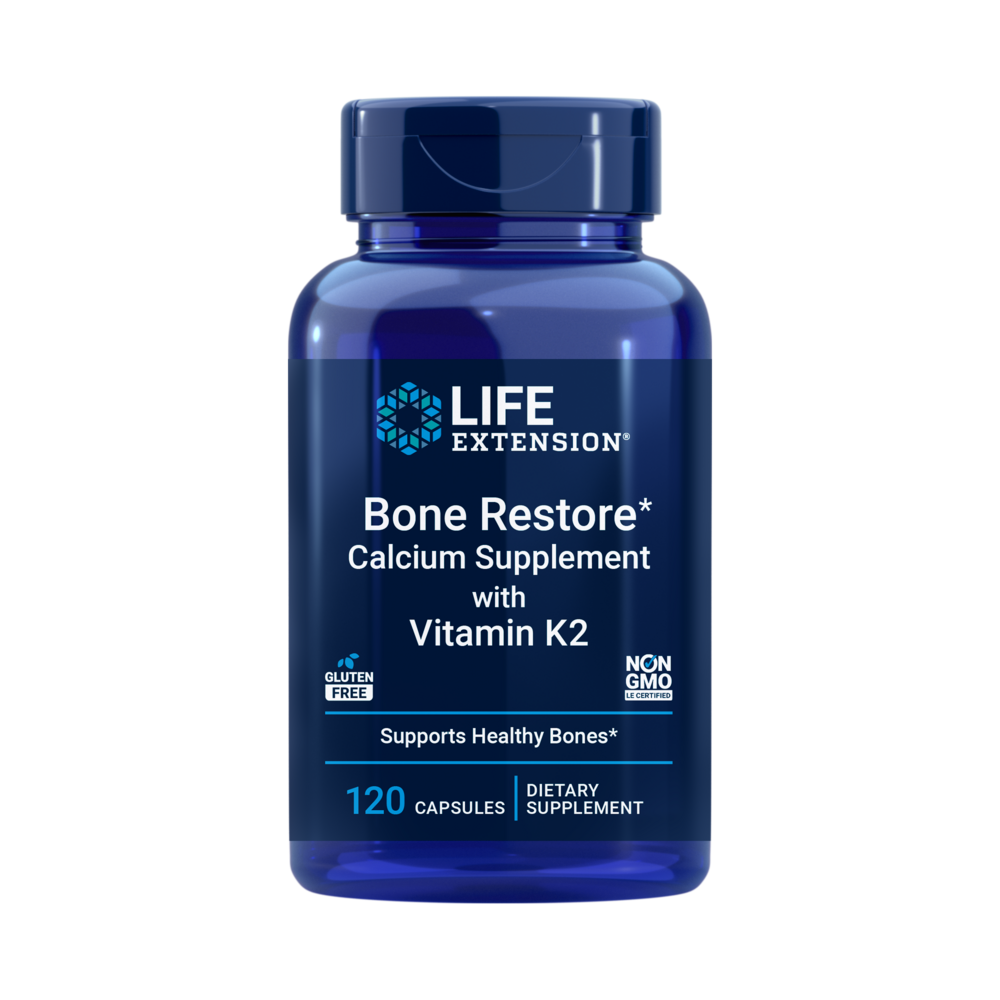
Bone Restore Calcium Supplement with Vitamin K2
Life Extension
120 capsules
$24.99$19.99 with Subscribe & Save
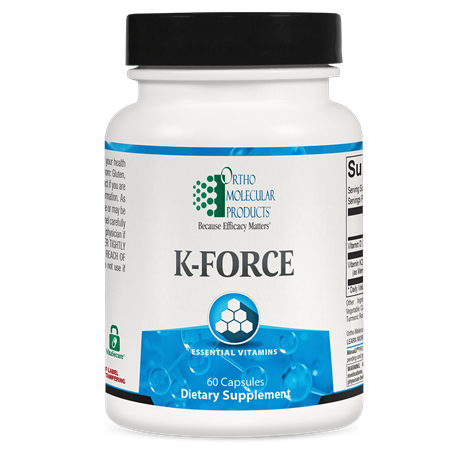
K-FORCE
Ortho Molecular Products
60 capsules
$60.33$54.35 with Subscribe & Save
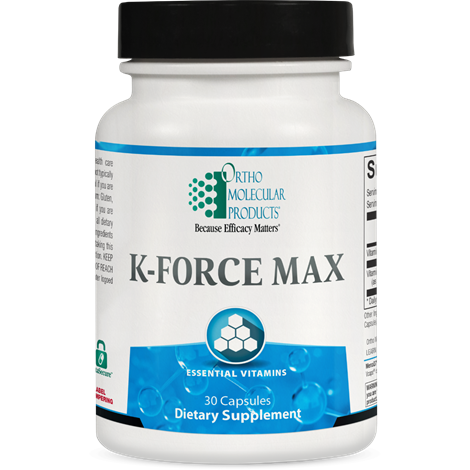
K-FORCE MAX
Ortho Molecular Products
30 capsules
$44.79$40.35 with Subscribe & Save
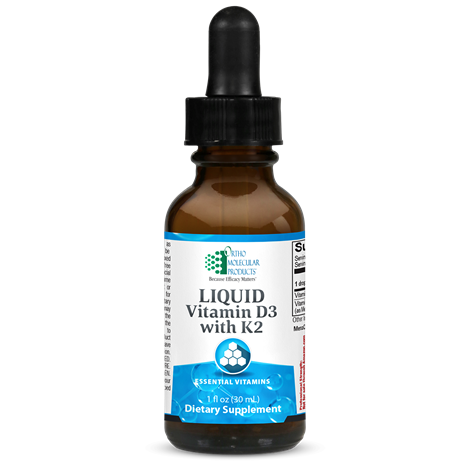
Liquid Vitamin D3 with K2
Ortho Molecular Products
30 milliliters
$52.00$46.85 with Subscribe & Save