 Instalab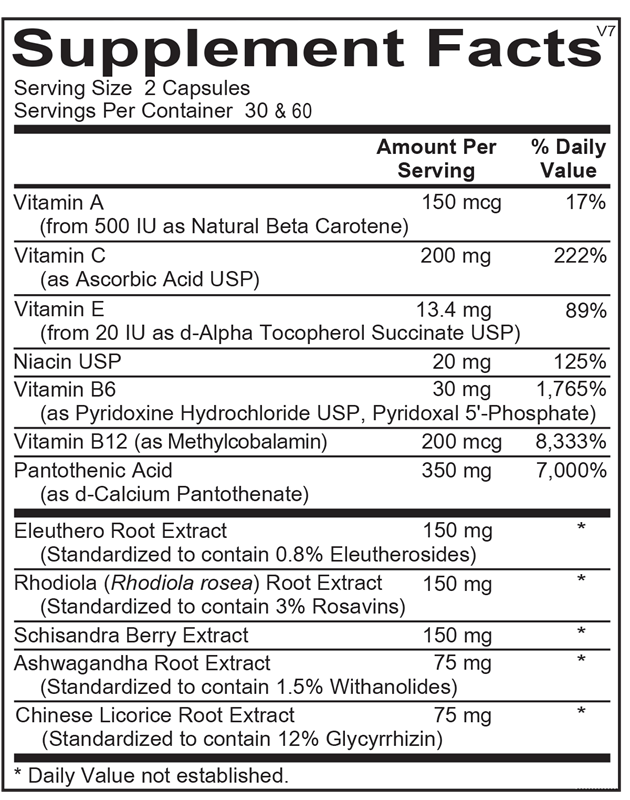
Ortho Molecular Products
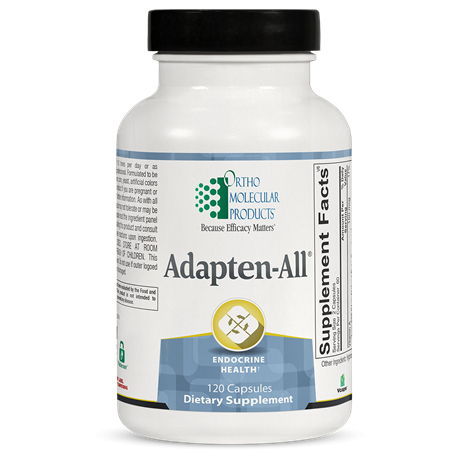
Adapten-All by Ortho Molecular Products
120 capsules · 60-day supply
Comprehensive Stress Support with Adaptogenic Herbs and Essential Vitamins$77.53
Purchase options
Practitioner-grade brand3rd-party testedFree shipping $50+
Gluten Free·Corn Free·Yeast Free·Artificial Color Free·Artificial Flavor Free
Ortho Molecular Products Adapten-All overview
If work stress is bleeding into your sleep and energy, an adaptogen supplement can help you feel steadier within 2 to 4 weeks. This blend fits people with busy schedules, light breakfast eaters, and those whose morning Cortisol or DHEA-S (adrenal hormones that track stress output) look low-normal despite fatigue. It’s also useful if you overdo caffeine to push through the afternoon slump. If you’re already sleeping well and your stress is controlled, single-ingredient ashwagandha or rhodiola is often sufficient.
Rhodiola and eleuthero help your brain and adrenal glands respond to stress signals more efficiently, which often shows up as better stamina and less perceived effort. Ashwagandha can lower symptom scores for anxiety and improve sleep quality over 6 to 8 weeks. Schisandra adds mild focus, while licorice root (standardized to glycyrrhizin, which slows cortisol breakdown) extends your body’s own morning cortisol signal. The high-dose pantothenic acid with vitamin C and B6/B12 supplies cofactors the adrenals use to make and recycle stress hormones.
Ortho Molecular Products suggests 2 capsules once or twice daily. In practice, start with 2 in the morning with food for a week, then add 2 at late morning or early afternoon if fatigue persists. Avoid taking it in the evening, as rhodiola and eleuthero can feel stimulating. Recheck how you feel and consider repeat Cortisol and DHEA-S testing after 8 to 12 weeks, then taper to the lowest effective dose.
Licorice with glycyrrhizin can raise blood pressure and lower potassium. Skip this if you have uncontrolled hypertension, a history of low potassium, kidney disease, or if you take diuretics, corticosteroids, or digoxin. Ashwagandha can raise thyroid hormone output; if you use levothyroxine or have hyperthyroidism, monitor TSH and symptoms. Pregnancy and breastfeeding: avoid. If you use SSRIs, stimulants, or sedatives, check with your clinician for fit and timing.
Frequently asked questions
How fast do adaptogens like rhodiola and ashwagandha work?
Most people notice smoother energy and stress tolerance within 2 to 4 weeks. Sleep and anxiety scores with ashwagandha often improve by 6 to 8 weeks. Give it a full month before judging.
Should I take adaptogens in the morning or at night?
Morning is best. Rhodiola and eleuthero can feel activating, which may disrupt sleep if taken late. If using a second dose, take it by early afternoon with food.
Can adaptogens raise blood pressure?
Formulas with licorice containing glycyrrhizin can raise blood pressure and lower potassium. If your blood pressure runs high or you’re on diuretics, choose a licorice-free adaptogen or talk to your clinician.
Do adaptogens affect lab tests like cortisol or DHEA-S?
They can. Licorice slows cortisol breakdown, and rhodiola/eleuthero can normalize a blunted morning rise. Recheck morning Cortisol and DHEA-S after 8–12 weeks if you’re tracking changes.
Is ashwagandha safe with thyroid medication?
Use caution. Ashwagandha can increase T4/T3 (thyroid hormones), which may require a levothyroxine dose adjustment. Monitor TSH and symptoms with your prescriber.
Can I drink coffee with this adaptogen blend?
Yes, but you may need less. Start your usual coffee, add the morning dose with food, and watch for jitteriness. If you feel wired, reduce caffeine or shift the second dose earlier.
Who should avoid adaptogens during pregnancy?
Avoid this blend in pregnancy and breastfeeding, especially due to ashwagandha and licorice. If you need stress support then, discuss single-ingredient options and dosing with your obstetric clinician.
How to take it & ingredients
Suggested use: 2 capsules one or two times per day or as recommended by your health care professional.
Active ingredients
2 capsules per serving · 60 servings
Vitamin A
From 500 IU as Natural Beta Carotene
From 500 IU as Natural Beta Carotene
150 mcg
Vitamin C
Ascorbic Acid USP
Ascorbic Acid USP
200 mg
Vitamin E
From 20 IU as d-Alpha Tocopherol Succinate USP
From 20 IU as d-Alpha Tocopherol Succinate USP
13.4 mg
Niacin
20 mg
Vitamin B6
As Pyridoxine Hydrochloride USP, Pyridoxal 5'-Phosphate
As Pyridoxine Hydrochloride USP, Pyridoxal 5'-Phosphate
30 mg
Vitamin B12
As Methylcobalamin
As Methylcobalamin
200 mcg
Pantothenic Acid
As d-Calcium Pantothenate
As d-Calcium Pantothenate
350 mg
Eleuthero Root Extract
Standardized to contain 0.8% Eleutherosides
Standardized to contain 0.8% Eleutherosides
150 mg
Rhodiola (Rhodiola rosea) Root Extract
Standardized to contain 3% Rosavins
Standardized to contain 3% Rosavins
150 mg
Schisandra Berry Extract
75 mg
Ashwagandha Root Extract
Standardized to contain 1.5% Withanolides
Standardized to contain 1.5% Withanolides
75 mg
Chinese Licorice Root Extract
Standardized to contain 12% Glycyrrhizin
Standardized to contain 12% Glycyrrhizin
75 mg
Other ingredients: Hypromellose (Natural Vegetable Capsules), Magnesium Stearate
Certifications
Benefits
Warnings
Customers also considered
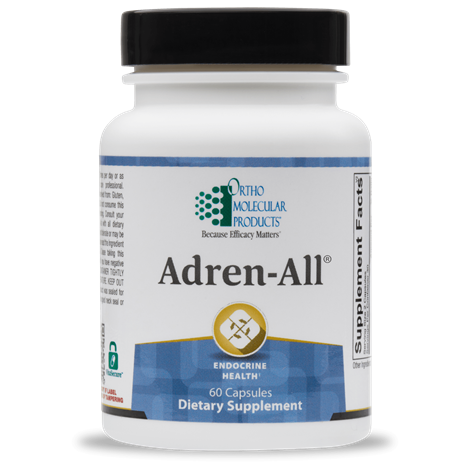
Adren-All
Ortho Molecular Products
60 capsules
$48.34$43.55 with Subscribe & Save
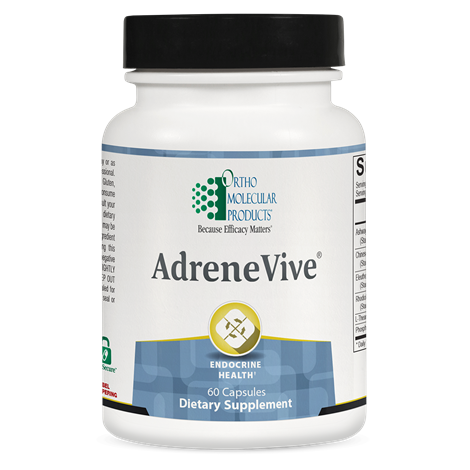
AdreneVive
Ortho Molecular Products
60 capsules
$73.32$66.05 with Subscribe & Save
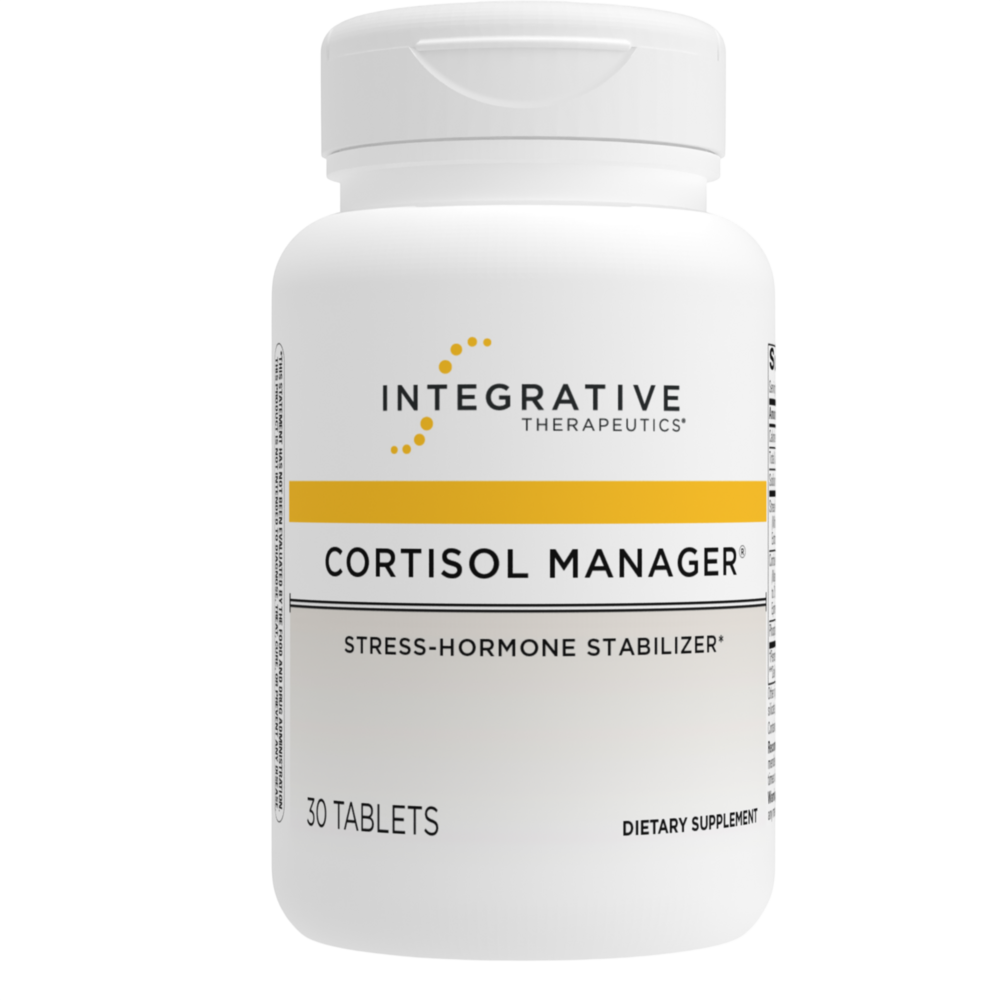
Cortisol Manager
Integrative Therapeutics
30 tablets
$26.99$21.99 with Subscribe & Save
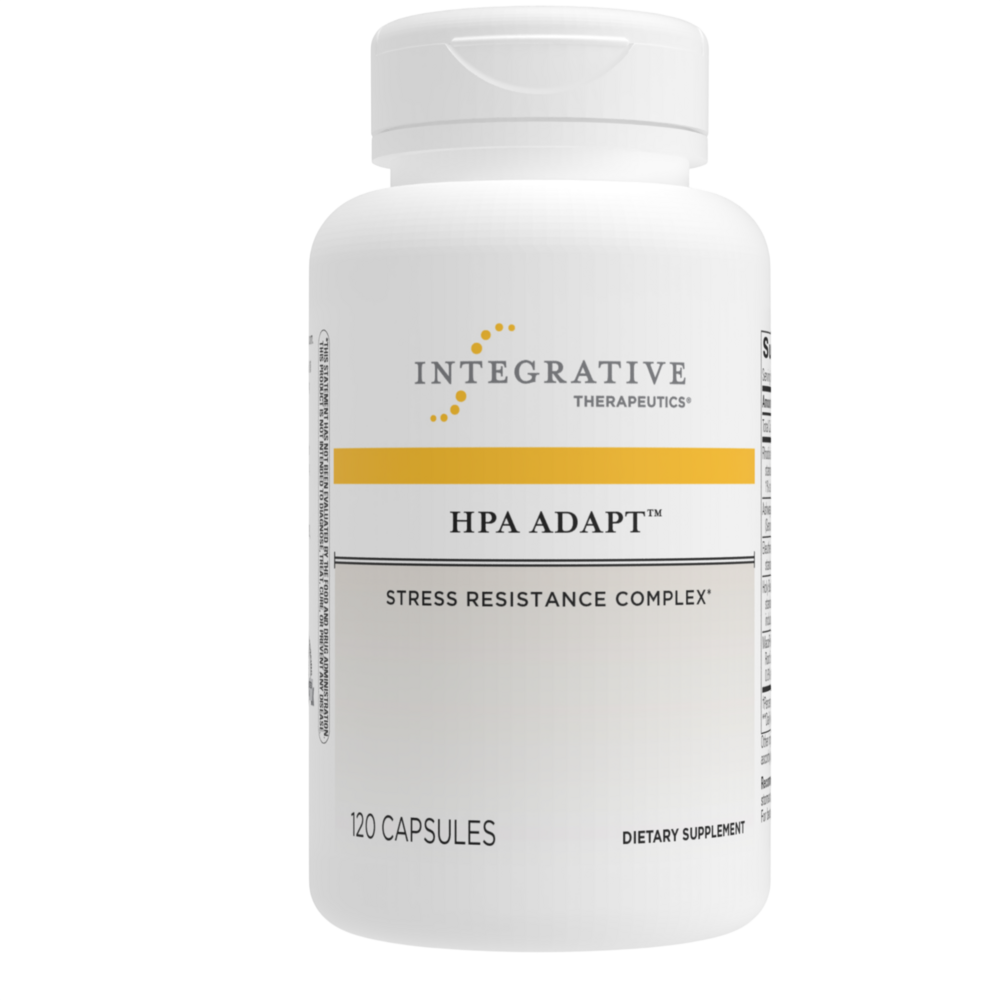
HPA Adapt
Integrative Therapeutics
120 capsules
$39.99$31.99 with Subscribe & Save