 Instalab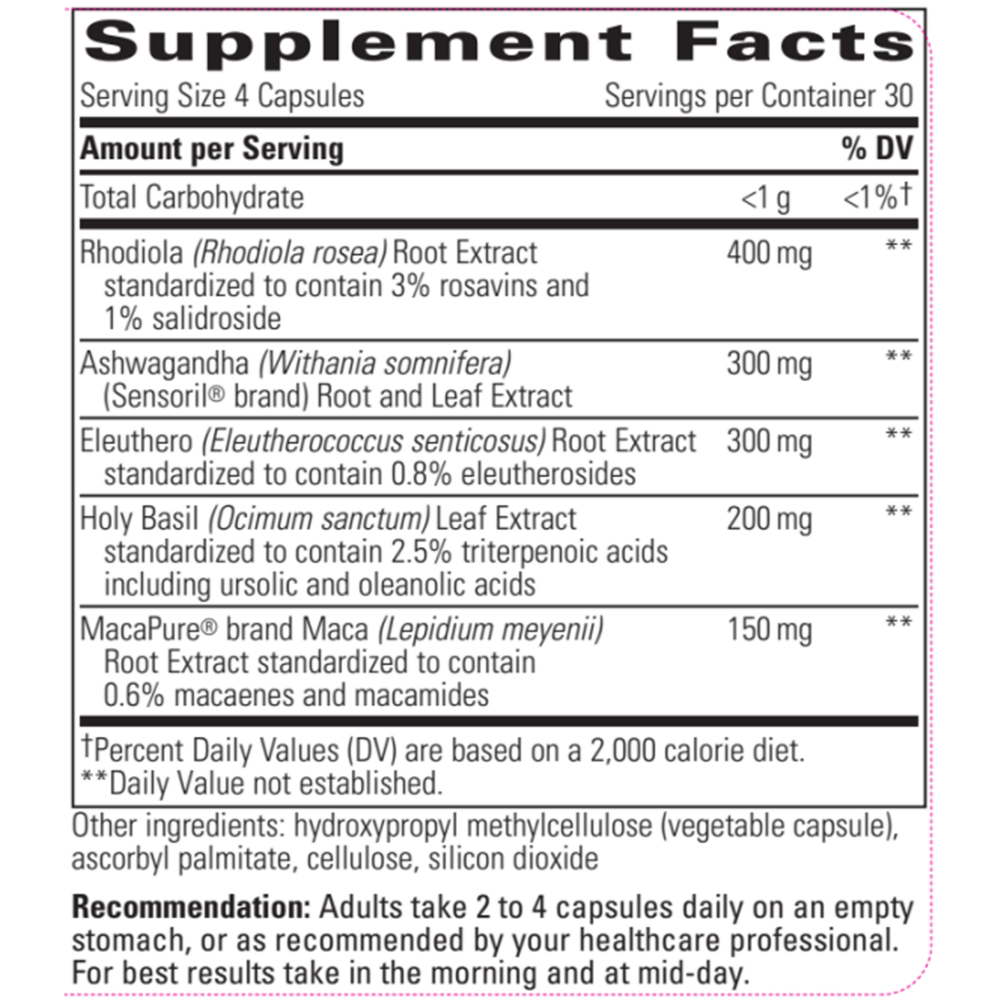
Integrative Therapeutics
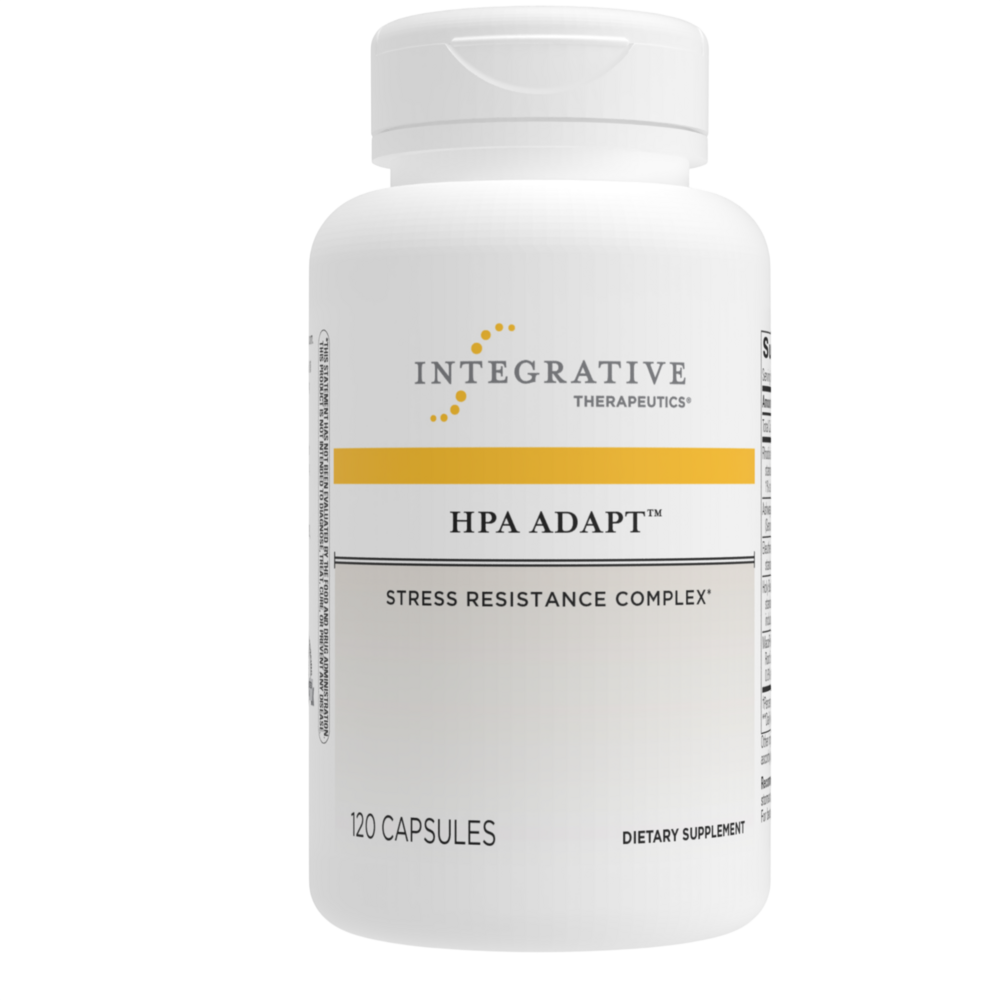
HPA Adapt by Integrative Therapeutics
120 capsules · 30-day supply
Herbal Blend for Stress Relief, Energy, and Mood Balance$39.99
Purchase options
Practitioner-grade brand3rd-party testedFree shipping $50+
Vegan·Vegetarian·Gluten Free·Soy Free·Dairy Free·Milk Free·
Integrative Therapeutics HPA Adapt overview
If you’re carrying chronic work or caregiving stress and notice afternoon crashes, light sleep, or jitters from too much coffee, an adaptogen for stress is a practical fit. This blend suits adults with high perceived stress, a flattened energy curve, or morning cortisol (the main stress hormone) that’s out of rhythm. It’s also useful during busy training blocks when recovery feels slow. If your fatigue traces back to iron deficiency (Ferritin low) or thyroid issues (TSH off), fix those first.
Rhodiola and ashwagandha are the anchors here. Rhodiola can reduce mental and physical fatigue within 1 to 2 weeks by nudging the hypothalamic‑pituitary‑adrenal system (your brain–adrenal stress circuit) toward steadier cortisol output and improving perceived energy and focus. Sensoril ashwagandha (root and leaf) has the strongest human data for lowering perceived stress and modestly reducing cortisol over 4 to 8 weeks. Eleuthero, holy basil, and maca round this out with mild anti-fatigue and mood-calming effects without true sedation.
Take 2 to 4 capsules daily on an empty stomach, split morning and mid‑day. Start low for 3 to 5 days (for example, 1 capsule in the morning), then titrate based on energy and sleep. Avoid taking it late, since rhodiola can feel stimulating. If you get queasy fasting, take with a small snack. Expect calmer stress reactivity within 1 to 2 weeks, with fuller effects by 4 to 6 weeks. Reassess at 8 to 12 weeks with your cortisol or DHEA-S results.
Skip during pregnancy and breastfeeding. Ashwagandha can affect thyroid labs; if you’re on levothyroxine or antithyroid drugs, monitor TSH and free T4 with your clinician. Use caution with SSRIs/SNRIs or other serotonergic drugs, as rhodiola has mild serotonin activity. Stimulants for ADHD can feel stronger alongside rhodiola. Autoimmune thyroid disease, significant anxiety with agitation, or a history of bipolar spectrum: get clinician guidance first. Eleuthero can affect how digoxin is measured—confirm with your cardiology team.
Frequently asked questions
How fast do adaptogens like rhodiola and ashwagandha work?
Most people notice calmer stress reactivity or less fatigue within 1 to 2 weeks. More durable changes in perceived stress and sleep quality usually show up by 4 to 6 weeks. Give it daily use before judging.
Should I take adaptogens in the morning or at night?
Morning and mid‑day are best. Rhodiola can feel activating, so avoid taking this blend late. If you’re sensitive, start with a single morning dose and add a noon dose after a few days.
Can I take this with coffee or pre‑workout?
Yes, but consider reducing caffeine at first. Rhodiola and eleuthero can make stimulants feel stronger. If you feel jittery or wired, cut caffeine back and keep doses earlier in the day.
Do adaptogens lower cortisol?
They tend to normalize cortisol patterns rather than simply lower them. In trials, Sensoril ashwagandha modestly reduced elevated cortisol over 4 to 8 weeks. Tracking with a morning and evening cortisol test is helpful.
Is ashwagandha safe with thyroid medication?
Use caution. Ashwagandha can shift thyroid function tests. If you take levothyroxine or antithyroid drugs, loop in your clinician and recheck TSH and free T4 after a few weeks.
Can adaptogens cause insomnia?
They can if taken too late, mainly due to rhodiola’s activating feel. Keep doses to morning and mid‑day. If sleep is still disrupted, lower the total dose or hold the mid‑day capsule.
Who should avoid rhodiola or eleuthero?
Avoid if pregnant or breastfeeding. Use medical guidance if you have bipolar spectrum conditions, significant anxiety with agitation, uncontrolled hypertension, or take digoxin.
How to take it & ingredients
Suggested use: Adults take 2 to 4 capsules daily on an empty stomach, or as recommended by your healthcare professional. For best results take in the morning and at mid-day.
Active ingredients
4 capsules per serving · 30 servings
Rhodiola Root Extract
(Rhodiola rosea)(standardized to contain 3% rosavins and 1% salidroside)
(Rhodiola rosea)(standardized to contain 3% rosavins and 1% salidroside)
400 mg
Ashwagandha Root and Leaf Extract
(Withania somnifera)(Sensoril® brand)
(Withania somnifera)(Sensoril® brand)
300 mg
Eleuthero Root Extract
(Eleutherococcus senticosus)(standardized to contain 0.8% eleutherosides)
(Eleutherococcus senticosus)(standardized to contain 0.8% eleutherosides)
300 mg
Holy Basil Leaf Extract
(Ocimum sanctum)(standardized to contain 2.5% triterpenoic acids including ursolic and oleanolic acids)
(Ocimum sanctum)(standardized to contain 2.5% triterpenoic acids including ursolic and oleanolic acids)
200 mg
MacaPure® brand Maca Root Extract
(Lepidium meyenii)(standardized to contain 0.6% macaenes and macamides)
(Lepidium meyenii)(standardized to contain 0.6% macaenes and macamides)
150 mg
Other ingredients: Hydroxypropyl Methylcellulose (Vegetable Capsule), Ascorbyl Palmitate, Cellulose, Silicon Dioxide
Certifications
Benefits
Warnings
Customers also considered
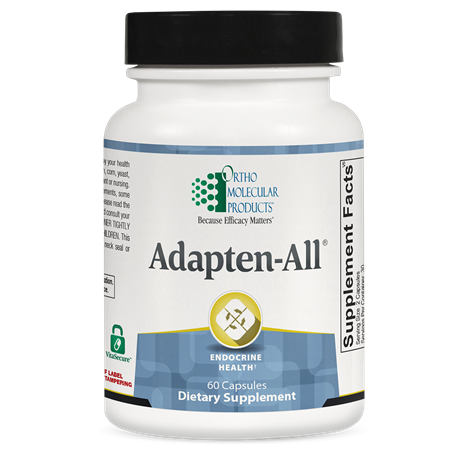
Adapten-All
Ortho Molecular Products
60 capsules
$48.34$43.55 with Subscribe & Save
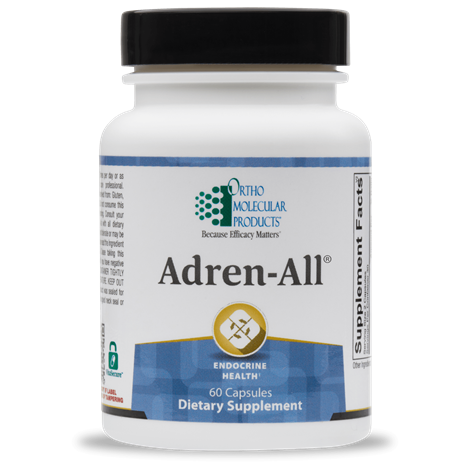
Adren-All
Ortho Molecular Products
60 capsules
$48.34$43.55 with Subscribe & Save
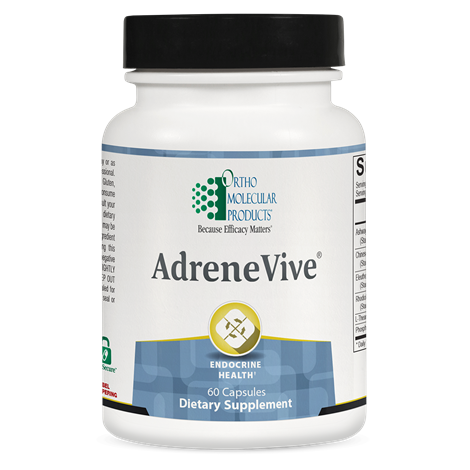
AdreneVive
Ortho Molecular Products
60 capsules
$73.32$66.05 with Subscribe & Save
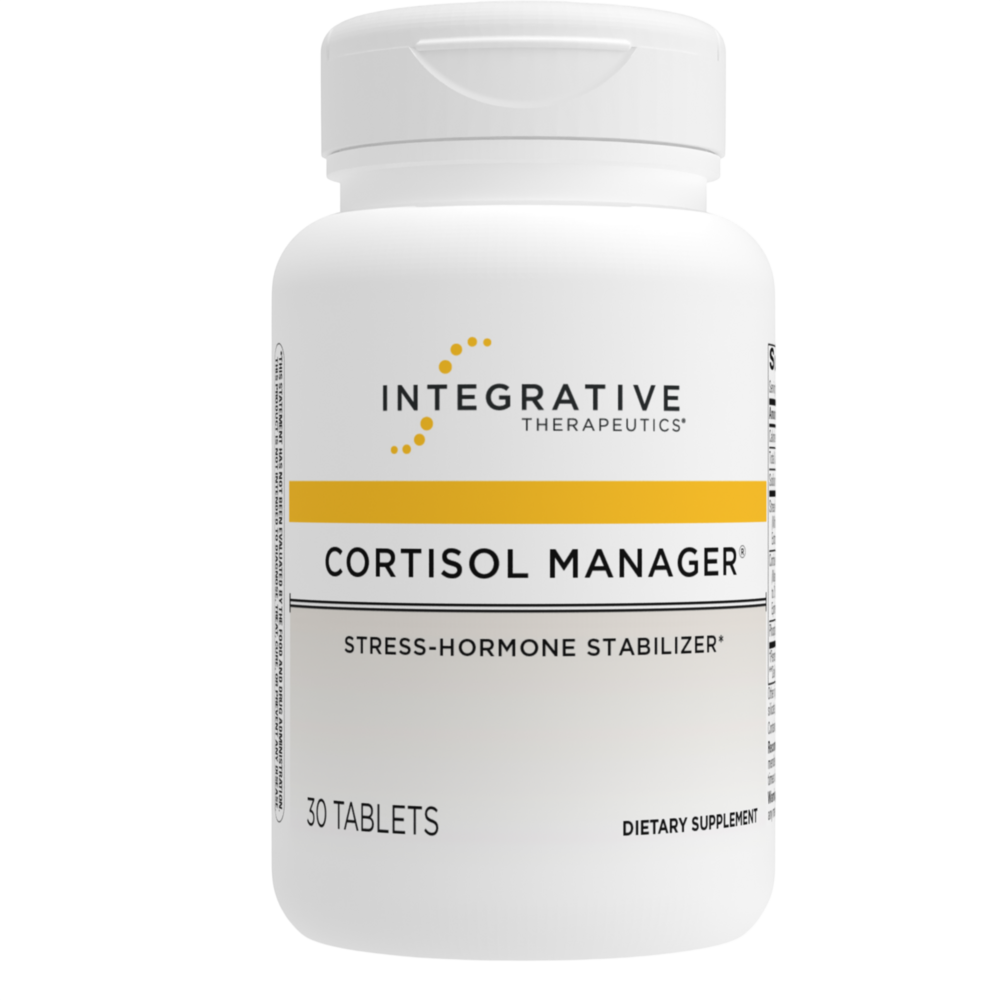
Cortisol Manager
Integrative Therapeutics
30 tablets
$26.99$21.99 with Subscribe & Save