 Instalab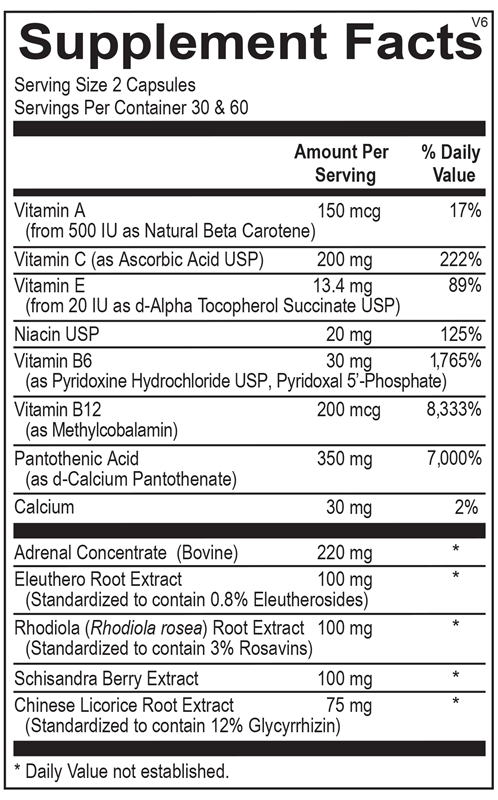
Ortho Molecular Products
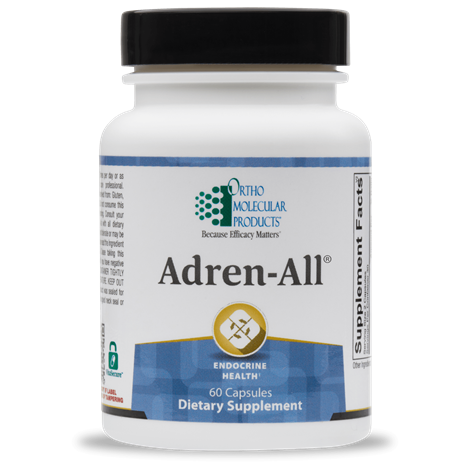
Adren-All by Ortho Molecular Products
60 capsules · 30-day supply
Comprehensive Support for Stress Resilience and Adrenal Health$48.34
Purchase options
Practitioner-grade brand3rd-party testedFree shipping $50+
Gluten Free·Corn Free·Yeast Free·Artificial Color Free·Artificial Flavor Free
Ortho Molecular Products Adren-All overview
If your morning cortisol (the stress hormone you make to get going) is low for your routine, or your DHEA-S (a companion adrenal hormone) runs on the lower side, this adrenal support supplement is a practical trial. It fits chronically stressed professionals, shift workers with fatigue, and people with low-normal blood pressure who feel better with a little sodium. The 350 mg pantothenic acid here is a meaningful dose for adrenal hormone synthesis. Skip self-treating if you suspect true adrenal disease; see endocrinology first. Vegans should avoid the bovine glandular in Ortho Molecular Products Adren-All.
Adaptogens like rhodiola and eleuthero act on the HPA axis (the brain–pituitary–adrenal stress circuit) to smooth the cortisol response, often improving perceived energy and focus within 1–2 weeks. Licorice root with glycyrrhizin slows the enzyme that deactivates cortisol in the kidney, which can raise active cortisol effects, retain sodium, and nudge up blood pressure. Schisandra adds gentle alertness. Pantothenic acid is required to make coenzyme A, a building block for adrenal steroid hormones, while vitamin C concentrates in the adrenal cortex and is used during stress. The bovine adrenal concentrate supplies peptides and micronutrients; evidence is limited, so think of it as adjunctive rather than the driver.
Take 2 capsules in the morning with food; add a second 2-capsule dose early afternoon if needed. Avoid late-evening dosing to prevent insomnia from rhodiola or eleuthero. If you’re stimulant-sensitive, start with 1 capsule daily for 3–4 days, then increase. Most notice steadier energy in 1–2 weeks; reassess at 4–8 weeks with morning cortisol and DHEA-S. Consider cycling, such as 5 days on, 2 off, and periodic breaks.
Because of licorice, avoid this if you have uncontrolled hypertension, a history of low potassium, kidney disease, or are on spironolactone (it opposes licorice), potassium-wasting diuretics, digoxin, or corticosteroids. Stop 1–2 weeks before salivary cortisol testing; licorice can skew results by altering cortisol breakdown. Pregnancy and breastfeeding: avoid. Bipolar disorder or severe anxiety: rhodiola can feel activating. If you develop swelling, headaches, or rising blood pressure, discontinue and check electrolytes.
Frequently asked questions
How long does an adrenal support supplement take to work?
Most people who respond notice steadier daytime energy within 1–2 weeks. Stress tolerance and mood effects, if they occur, usually declare by 4–8 weeks. If nothing changes by 8 weeks, it’s reasonable to stop and reconsider.
Does licorice in adrenal supplements raise blood pressure?
It can. Glycyrrhizin in licorice reduces cortisol breakdown in the kidney, which retains sodium and can raise blood pressure and lower potassium. Monitor your pressure, and avoid if you have hypertension or take diuretics or spironolactone.
Will this affect my cortisol or DHEA-S lab tests?
Yes, licorice can alter cortisol metabolism and skew salivary cortisol patterns. To get clean data, stop the formula 1–2 weeks before testing morning cortisol or DHEA-S unless your clinician advises otherwise.
What time of day should I take adrenal supplements?
Morning is best, with an optional early afternoon dose. Avoid taking it in the evening because rhodiola and eleuthero can be stimulating and may disrupt sleep in sensitive people.
Is an adrenal glandular safe to take long term?
Short- to medium-term use (8–12 weeks) is typical, with reassessment. Data on long-term continuous use are limited. Many clinicians recommend cycling and following symptoms, blood pressure, potassium, and morning cortisol.
Can I take this with antidepressants or ADHD meds?
Generally yes, but the stimulating adaptogens can add to jitteriness with stimulants. Start low and monitor for anxiety or insomnia. If you’re on MAOIs or unstable mood, avoid without clinician guidance.
Is this safe during pregnancy or breastfeeding?
No. Licorice and several adaptogens are not recommended in pregnancy or while breastfeeding. Use standard prenatal care and discuss fatigue with your obstetric clinician.
Can I drink coffee with an adrenal support supplement?
You can, but start with less caffeine than usual. Rhodiola and eleuthero can make coffee feel stronger. If you get palpitations, anxiety, or poor sleep, reduce caffeine or lower the supplement dose.
How to take it & ingredients
Suggested use: 2 capsules one to two times per day or as recommended by your health care professional.
Active ingredients
2 capsules per serving · 30 servings
Vitamin A
From 500 IU as Natural Beta Carotene
From 500 IU as Natural Beta Carotene
150 mcg
Vitamin C
As Ascorbic Acid USP
As Ascorbic Acid USP
200 mg
Vitamin E
From 20 IU as d-Alpha Tocopherol Succinate USP
From 20 IU as d-Alpha Tocopherol Succinate USP
13.4 mg
Niacin
USP
USP
20 mg
Vitamin B6
As Pyridoxine Hydrochloride USP, Pyridoxal 5'-Phosphate
As Pyridoxine Hydrochloride USP, Pyridoxal 5'-Phosphate
30 mg
Vitamin B12
As Methylcobalamin
As Methylcobalamin
200 mcg
Pantothenic Acid
As d-Calcium Pantothenate USP
As d-Calcium Pantothenate USP
350 mg
Calcium
30 mg
Adrenal Concentrate (Bovine)
220 mg
Eleuthero Root Extract
Standardized to contain 0.8% Eleutherosides
Standardized to contain 0.8% Eleutherosides
100 mg
Rhodiola (Rhodiola rosea) Root Extract
Standardized to contain 3% Rosavins
Standardized to contain 3% Rosavins
100 mg
Schisandra Berry Extract
100 mg
Chinese Licorice Root Extract
Standardized to contain 12% Glycyrrhizin
Standardized to contain 12% Glycyrrhizin
75 mg
Other ingredients: Hypromellose (Natural Vegetable Capsules), Magnesium Stearate
Certifications
Benefits
Warnings
Customers also considered
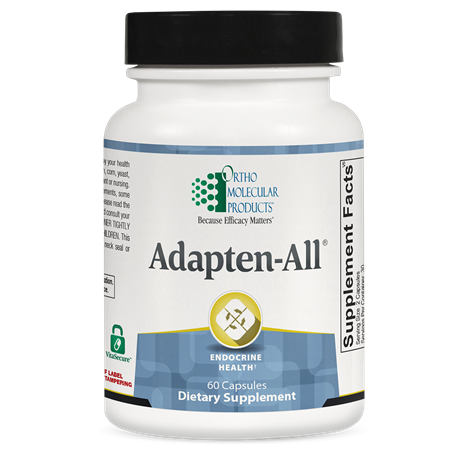
Adapten-All
Ortho Molecular Products
60 capsules
$48.34$43.55 with Subscribe & Save
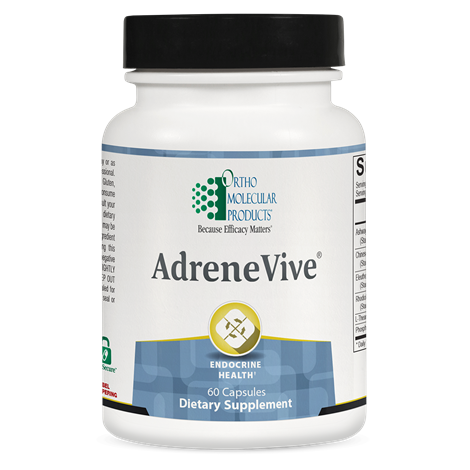
AdreneVive
Ortho Molecular Products
60 capsules
$73.32$66.05 with Subscribe & Save
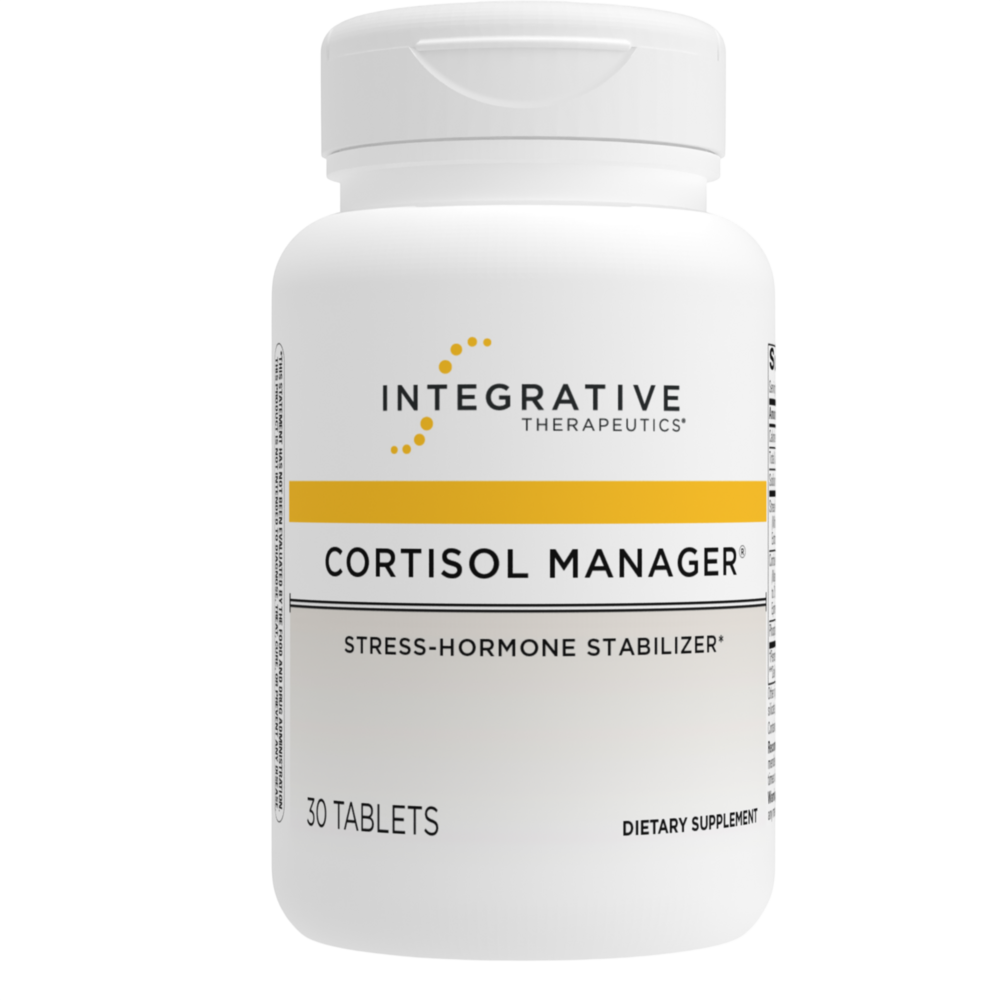
Cortisol Manager
Integrative Therapeutics
30 tablets
$26.99$21.99 with Subscribe & Save
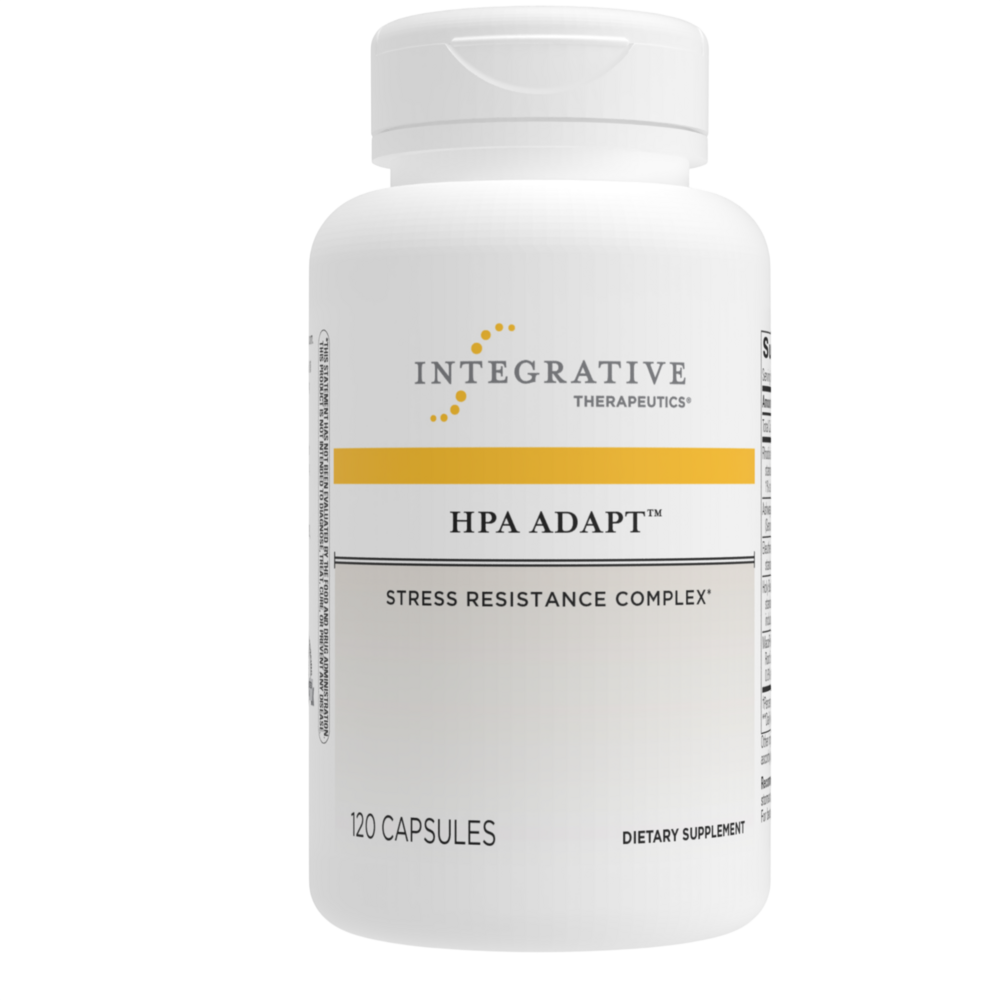
HPA Adapt
Integrative Therapeutics
120 capsules
$39.99$31.99 with Subscribe & Save