 Instalab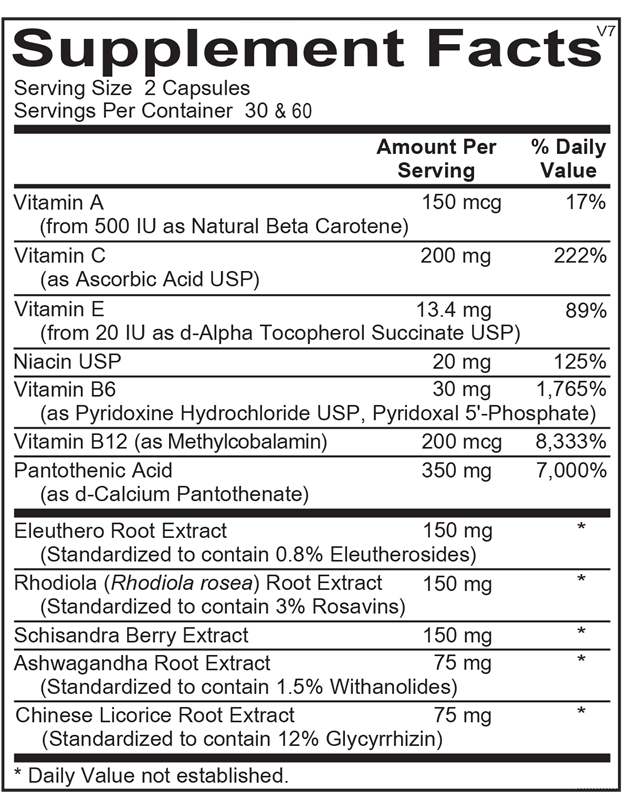
Ortho Molecular Products
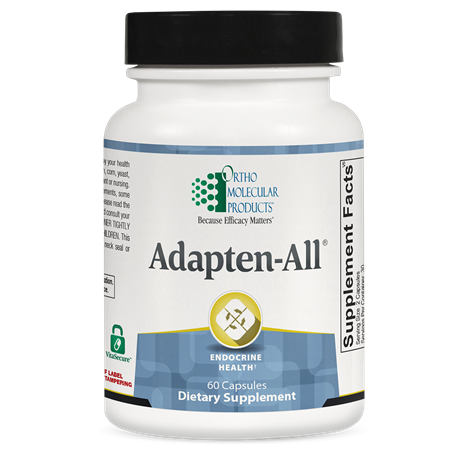
Adapten-All by Ortho Molecular Products
60 capsules · 30-day supply
Comprehensive Adaptogen Blend for Stress Relief and Resilience$48.34
Purchase options
Practitioner-grade brand3rd-party testedFree shipping $50+
Gluten Free·Corn Free·Yeast Free·Artificial Color Free·Artificial Flavor Free
Ortho Molecular Products Adapten-All overview
High-output weeks, shift work, or “tired-but-wired” evenings are the use cases here. This adaptogen supplement suits adults with stress-related fatigue, low motivation, or focus dips, especially if morning Cortisol (AM serum cortisol, your main stress hormone) runs low-normal or your DHEA-S (the adrenal counterbalance) is lagging. It’s practical if you’ve already ruled out basics like low Ferritin (iron storage), low Vitamin B12, thyroid issues, or sleep apnea. If anxiety spikes at night, use it earlier in the day rather than near bedtime.
Rhodiola and eleuthero work on the HPA axis (your brain–adrenal stress circuit) to improve stamina and reduce perceived stress within 2 to 4 weeks. Ashwagandha has a calming effect and modestly lowers cortisol in responders. Schisandra adds stress-tolerance support. Licorice slows cortisol breakdown by inhibiting 11β‑HSD2 (the enzyme that inactivates cortisol), which can feel steadier during the day. The nutrients aren’t window dressing: pantothenic acid is a cofactor for adrenal hormone production, vitamin C is concentrated in adrenal tissue, and B6/B12 support neurotransmitters tied to mood and energy.
Start with 2 capsules in the morning with breakfast. If afternoons sag, add a second serving at lunch, not later than 3 pm to protect sleep. Many feel a difference in 1 to 2 weeks, with fuller effects by 4 to 6 weeks. If you’re sensitive to stimulants, begin with 1 capsule daily for 3 to 5 days, then increase. Pair with protein and salt if you get lightheaded on standing.
Licorice can raise blood pressure and lower potassium by prolonging cortisol action; avoid if you have hypertension, edema, kidney disease, or are on diuretics. Use caution with antidepressants, as rhodiola can feel activating; discuss with your prescriber. Ashwagandha is not for pregnancy and can aggravate hyperthyroidism. Rare liver irritation has been reported; stop if you develop itching, dark urine, or jaundice. On hydrocortisone or prednisone? Licorice can magnify their effects—avoid unless your clinician agrees.
Frequently asked questions
How long do adaptogens take to work?
Most people notice steadier energy or stress tolerance within 1 to 2 weeks, with clearer benefits by 4 to 6 weeks. If nothing changes by week 6, reassess dose, timing, or look for other causes of fatigue like low Ferritin or thyroid issues.
Can I take this adaptogen with coffee?
Yes, but start with a lower dose if you’re caffeine-sensitive. Rhodiola and eleuthero can feel energizing; combining with coffee may cause jitters in some. Keep doses to morning or early afternoon to protect sleep.
Does licorice in adaptogens raise blood pressure?
It can. Licorice slows cortisol breakdown, which can increase blood pressure and lower potassium in susceptible people. Avoid if you have hypertension, edema, kidney disease, or are on diuretics, and monitor pressure if unsure.
Is this safe with SSRIs or other antidepressants?
Use caution. Rhodiola can be activating and may interact with serotonergic pathways. Many patients tolerate the combo, but check with your prescriber and start low. Stop if you notice agitation, insomnia, or worsening anxiety.
Can I take adaptogens at night for sleep?
This blend is best earlier in the day. Eleuthero and rhodiola can be too stimulating near bedtime. If sleep is your main goal, consider an evening ashwagandha-only product and reserve this for morning use.
What labs should I track while using adaptogens?
Consider Cortisol (morning), DHEA-S, Ferritin, Vitamin B12, and a basic metabolic panel for potassium if blood pressure changes occur. Track sleep duration and resting heart rate to gauge recovery alongside how you feel.
Who should avoid ashwagandha-containing supplements?
Avoid in pregnancy and hyperthyroidism, and stop if you develop liver-related symptoms like dark urine or yellowing eyes. People with autoimmune disease should discuss use with their clinician.
How to take it & ingredients
Suggested use: 2 capsules one or two times per day or as recommended by your health care professional.
Active ingredients
2 capsules per serving · 30 servings
Vitamin A
From 500 IU as Natural Beta Carotene
From 500 IU as Natural Beta Carotene
150 mcg
Vitamin C
Ascorbic Acid USP
Ascorbic Acid USP
200 mg
Vitamin E
From 20 IU as d-Alpha Tocopherol Succinate USP
From 20 IU as d-Alpha Tocopherol Succinate USP
13.4 mg
Niacin
20 mg
Vitamin B6
As Pyridoxine Hydrochloride USP, Pyridoxal 5'-Phosphate
As Pyridoxine Hydrochloride USP, Pyridoxal 5'-Phosphate
30 mg
Vitamin B12
As Methylcobalamin
As Methylcobalamin
200 mcg
Pantothenic Acid
As d-Calcium Pantothenate
As d-Calcium Pantothenate
350 mg
Eleuthero Root Extract
Standardized to contain 0.8% Eleutherosides
Standardized to contain 0.8% Eleutherosides
150 mg
Rhodiola (Rhodiola rosea) Root Extract
Standardized to contain 3% Rosavins
Standardized to contain 3% Rosavins
150 mg
Schisandra Berry Extract
75 mg
Ashwagandha Root Extract
Standardized to contain 1.5% Withanolides
Standardized to contain 1.5% Withanolides
75 mg
Chinese Licorice Root Extract
Standardized to contain 12% Glycyrrhizin
Standardized to contain 12% Glycyrrhizin
75 mg
Other ingredients: Hypromellose (Natural Vegetable Capsules), Magnesium Stearate
Certifications
Benefits
Warnings
Customers also considered
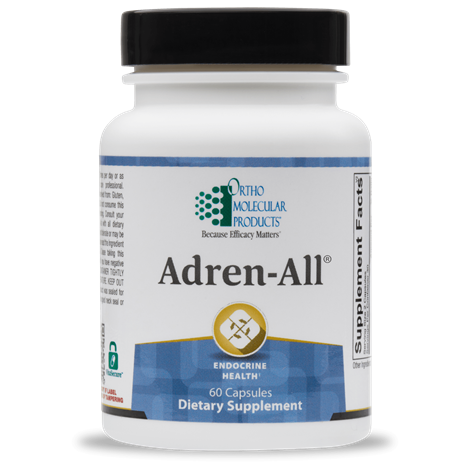
Adren-All
Ortho Molecular Products
60 capsules
$48.34$43.55 with Subscribe & Save
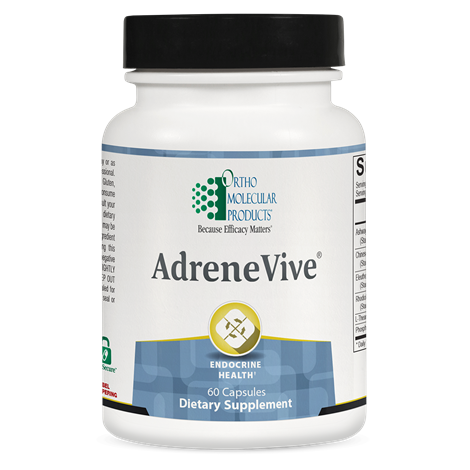
AdreneVive
Ortho Molecular Products
60 capsules
$73.32$66.05 with Subscribe & Save
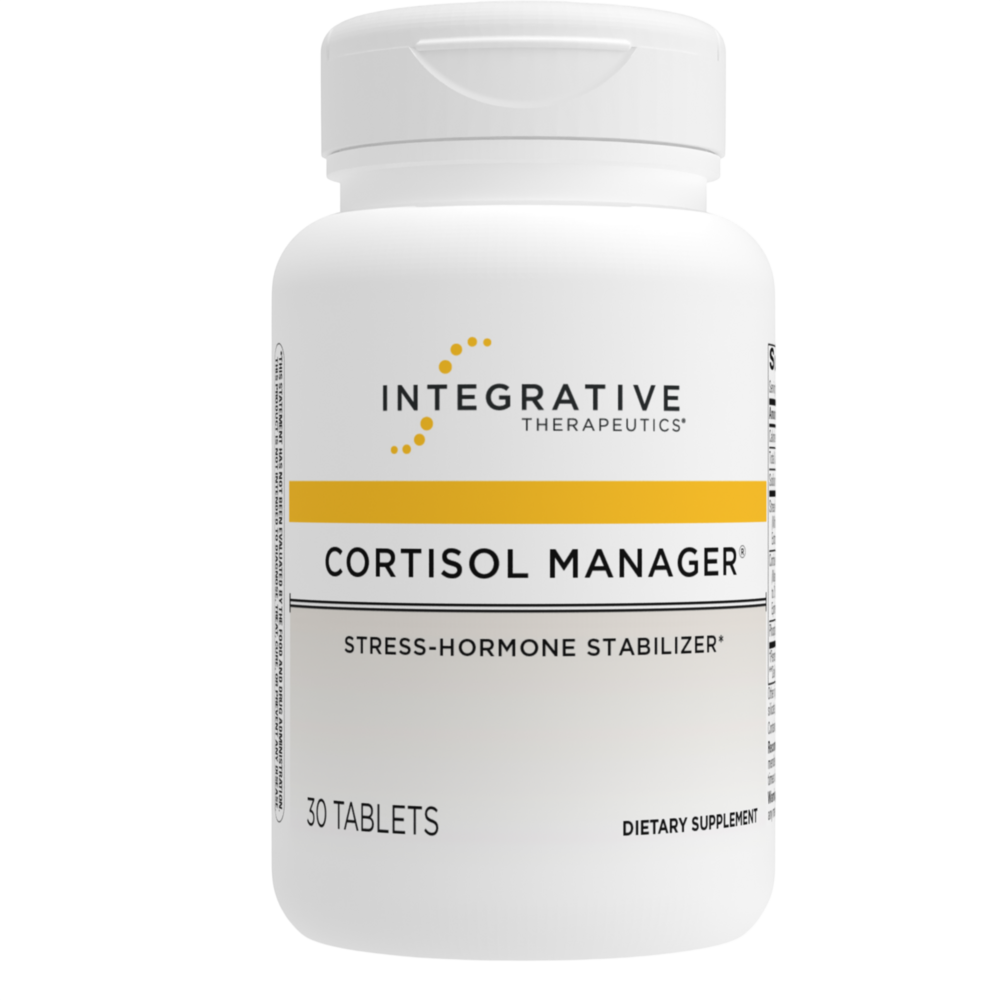
Cortisol Manager
Integrative Therapeutics
30 tablets
$26.99$21.99 with Subscribe & Save
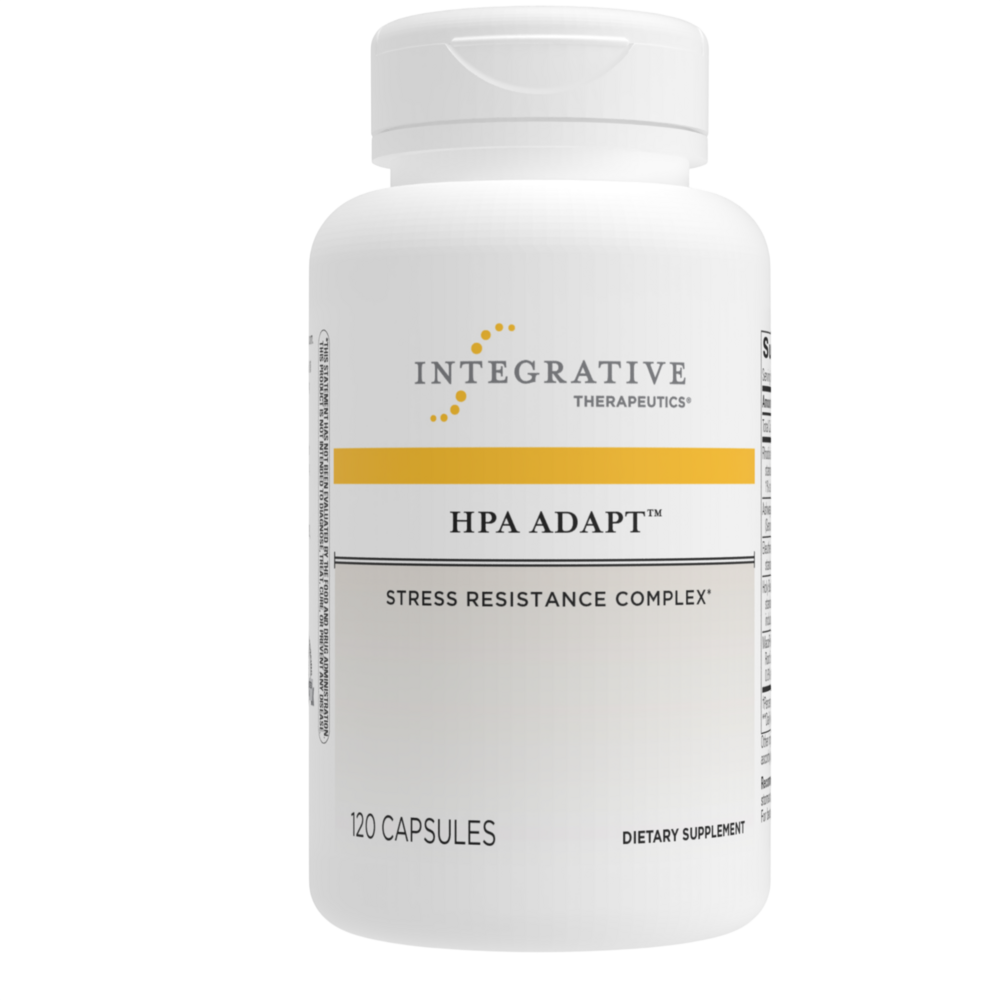
HPA Adapt
Integrative Therapeutics
120 capsules
$39.99$31.99 with Subscribe & Save