 Instalab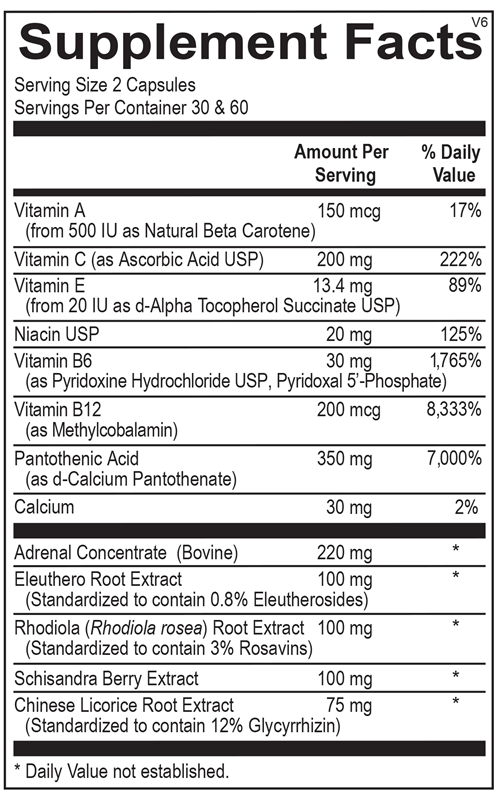
Ortho Molecular Products
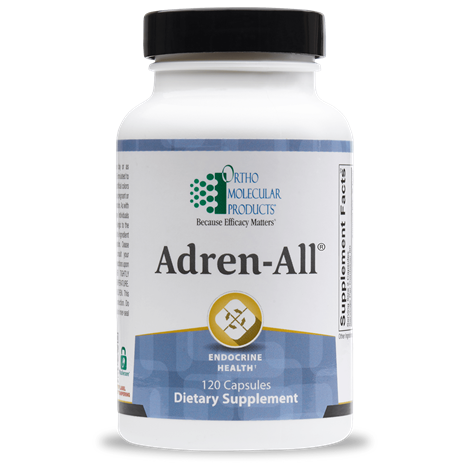
Adren-All by Ortho Molecular Products
120 capsules · 60-day supply
Comprehensive Support for Stress Resilience and Adrenal Health$76.87
Purchase options
Practitioner-grade brand3rd-party testedFree shipping $50+
Gluten Free·Corn Free·Yeast Free·Artificial Color Free·Artificial Flavor Free
Ortho Molecular Products Adren-All overview
If your mornings feel flat and you perk up late at night, an adrenal support supplement can be a short-term bridge while you address sleep, caffeine, and workload. It fits people with low-normal morning energy and a blunted AM serum cortisol or a flat salivary cortisol curve, or those with low DHEA-S on labs. Vegans should note this formula includes bovine adrenal concentrate. If your fatigue tracks with low Ferritin or thyroid issues, fix those first.
Pantothenic acid at 350 mg feeds coenzyme A production, a cofactor your adrenal cortex uses to make steroid hormones. Vitamin C, which is concentrated in adrenal tissue, and vitamin B6/B12 back basic energy metabolism. Rhodiola and eleuthero are adaptogens, plants that tune the stress response and can improve perceived fatigue within 1 to 2 weeks. Licorice root standardized to glycyrrhizin slows cortisol breakdown by blocking 11β-HSD2 (the enzyme that inactivates cortisol), which can feel stabilizing but can also raise blood pressure. The bovine adrenal concentrate likely acts as a gentle stimulant; evidence is limited.
Take 2 capsules in the morning with food; add a second dose early afternoon if needed. Avoid dosing after 3 p.m. to prevent sleep disruption. Most people feel a difference in 7 to 14 days, with steadier energy emerging over 4 to 8 weeks. If you use it longer than a month, monitor blood pressure and consider checking AM serum cortisol and DHEA-S. Cycle off for a week every 6 to 8 weeks to reassess need.
Skip if you have uncontrolled hypertension, low potassium, kidney disease, edema, or a history of cortisol-excess states. Licorice can worsen blood pressure and potassium. Avoid in pregnancy and while breastfeeding. Use caution with antidepressants if you are sensitive to stimulatory herbs. If you take diuretics, digoxin, corticosteroids, or warfarin, talk with your clinician first and consider a licorice-free adaptogen instead.
Frequently asked questions
How long does rhodiola in this take to work?
Most people notice mental energy and stress resilience within 1 to 2 weeks. More stable daytime energy can take 4 to 8 weeks. If nothing changes by week 4, reassess sleep, iron (Ferritin), thyroid, and caffeine habits.
Does licorice in adrenal supplements raise blood pressure?
It can. Glycyrrhizin in licorice slows cortisol breakdown, which can increase blood pressure and lower potassium. Monitor blood pressure weekly. Avoid if you have hypertension, edema, or are on diuretics.
Can I take this with coffee?
Yes, but start with less caffeine. Adaptogens and licorice can amplify stimulatory effects, which for some feels like jitters. If you feel wired or anxious, reduce coffee or move your dose earlier.
Is bovine adrenal concentrate safe?
It’s generally well tolerated from reputable manufacturers, but high-quality human data are limited. Avoid if you have autoimmune concerns, prefer to avoid animal products, or want only herb-based support.
What labs should I check before using an adrenal support supplement?
Useful labs include AM serum cortisol, a salivary cortisol curve, DHEA-S, TSH and Free T4 for thyroid, Ferritin for iron stores, and Vitamin D, 25-Hydroxy. If blood pressure is high, address that first.
Can I take this with SSRIs or other antidepressants?
Often yes, but rhodiola can feel activating. If you’re sensitive to jitteriness or sleep changes, start with a morning-only dose and discuss with your prescriber. Stop if anxiety or insomnia worsens.
How long can I stay on an adrenal support supplement?
Use it as a 4 to 12 week aid while you fix sleep, stress load, and nutrition. Reassess monthly, take a 1-week break every 6 to 8 weeks, and taper off once energy and labs like AM cortisol and DHEA-S normalize.
Should I take it on an empty stomach or with food?
Take with food to reduce nausea from B vitamins and herbs. Morning is best. If you add a second dose, take it early afternoon and avoid dosing within 6 hours of bedtime.
How to take it & ingredients
Suggested use: 2 capsules one to two times per day or as recommended by your health care professional.
Active ingredients
2 capsules per serving · 60 servings
Vitamin A
From 500 IU as Natural Beta Carotene
From 500 IU as Natural Beta Carotene
150 mcg
Vitamin C
As Ascorbic Acid USP
As Ascorbic Acid USP
200 mg
Vitamin E
From 20 IU as d-Alpha Tocopherol Succinate USP
From 20 IU as d-Alpha Tocopherol Succinate USP
13.4 mg
Niacin
USP
USP
20 mg
Vitamin B6
As Pyridoxine Hydrochloride USP, Pyridoxal 5'-Phosphate
As Pyridoxine Hydrochloride USP, Pyridoxal 5'-Phosphate
30 mg
Vitamin B12
As Methylcobalamin
As Methylcobalamin
200 mcg
Pantothenic Acid
As d-Calcium Pantothenate USP
As d-Calcium Pantothenate USP
350 mg
Calcium
30 mg
Adrenal Concentrate (Bovine)
220 mg
Eleuthero Root Extract
Standardized to contain 0.8% Eleutherosides
Standardized to contain 0.8% Eleutherosides
100 mg
Rhodiola (Rhodiola rosea) Root Extract
Standardized to contain 3% Rosavins
Standardized to contain 3% Rosavins
100 mg
Schisandra Berry Extract
100 mg
Chinese Licorice Root Extract
Standardized to contain 12% Glycyrrhizin
Standardized to contain 12% Glycyrrhizin
75 mg
Other ingredients: Hypromellose (Natural Vegetable Capsules), Magnesium Stearate
Certifications
Benefits
Warnings
Customers also considered
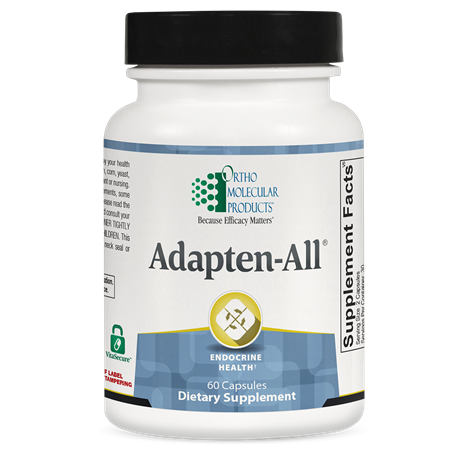
Adapten-All
Ortho Molecular Products
60 capsules
$48.34$43.55 with Subscribe & Save
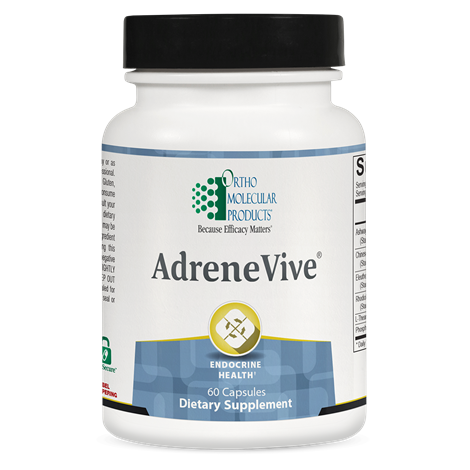
AdreneVive
Ortho Molecular Products
60 capsules
$73.32$66.05 with Subscribe & Save
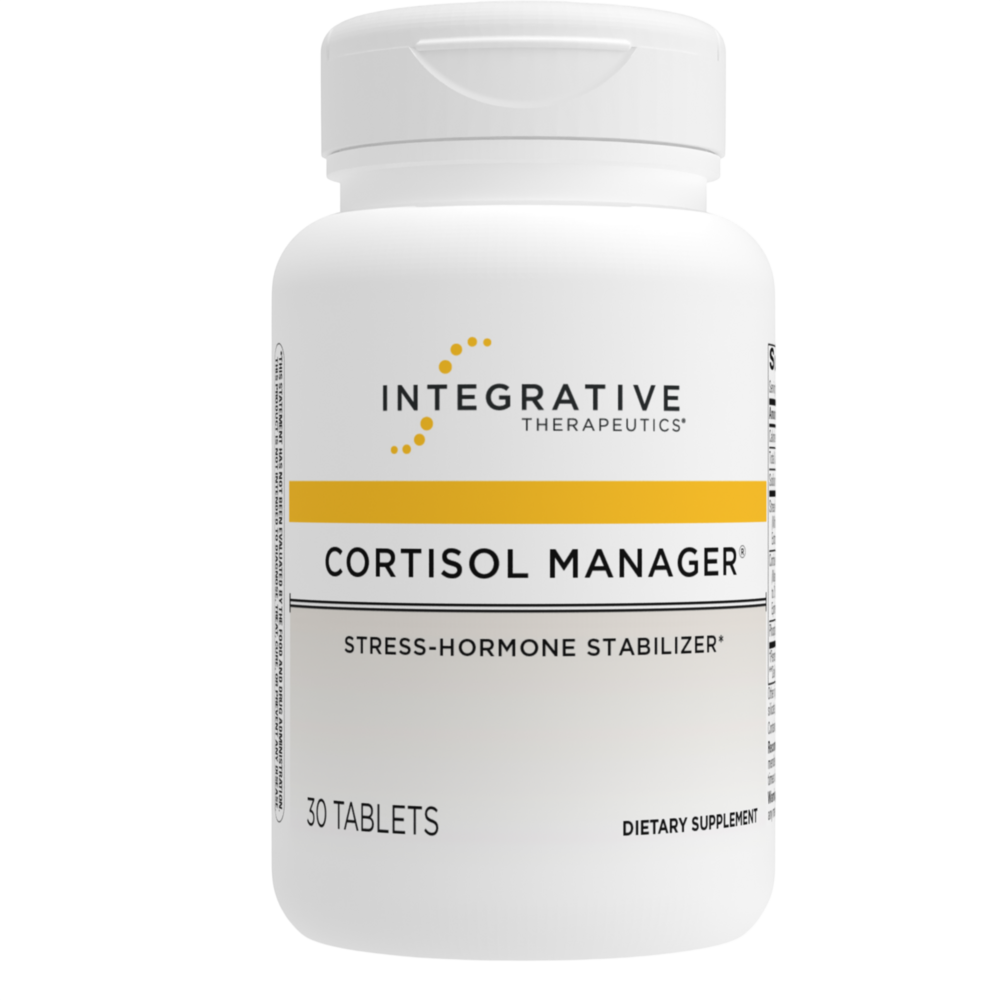
Cortisol Manager
Integrative Therapeutics
30 tablets
$26.99$21.99 with Subscribe & Save
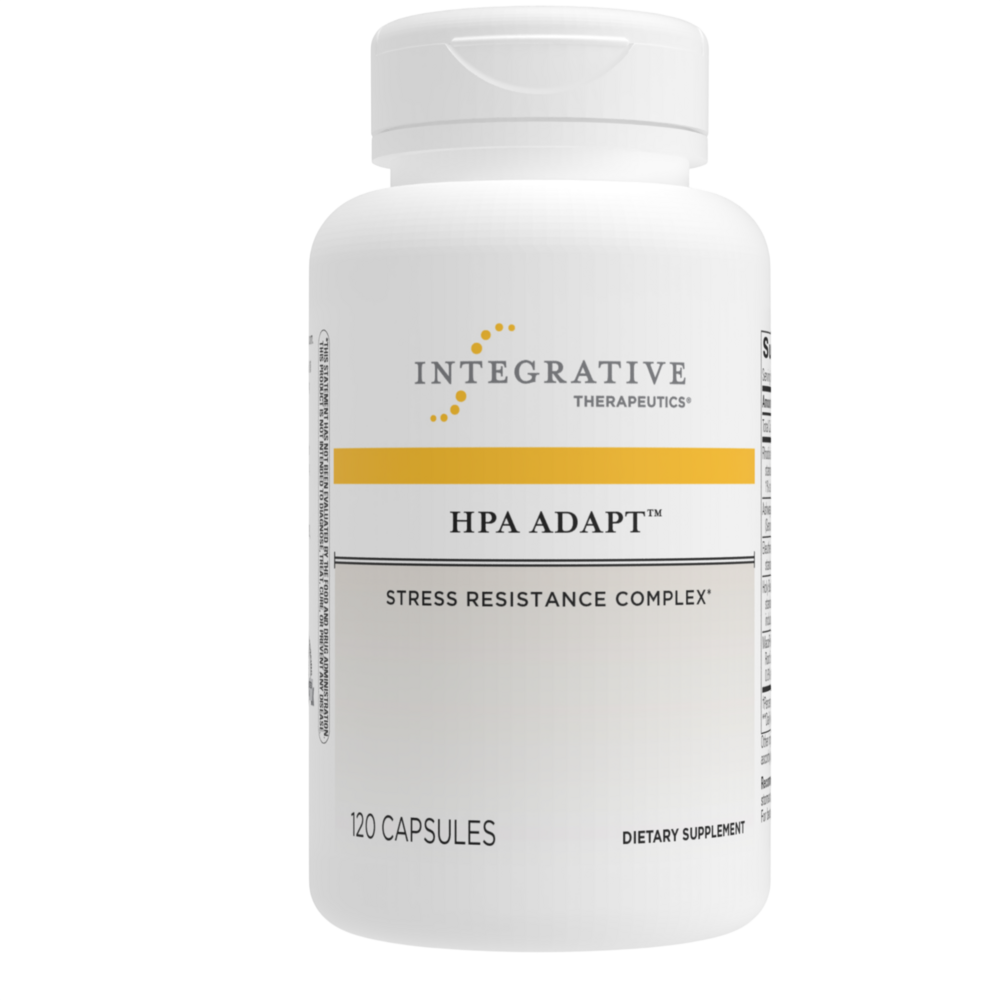
HPA Adapt
Integrative Therapeutics
120 capsules
$39.99$31.99 with Subscribe & Save