 Instalab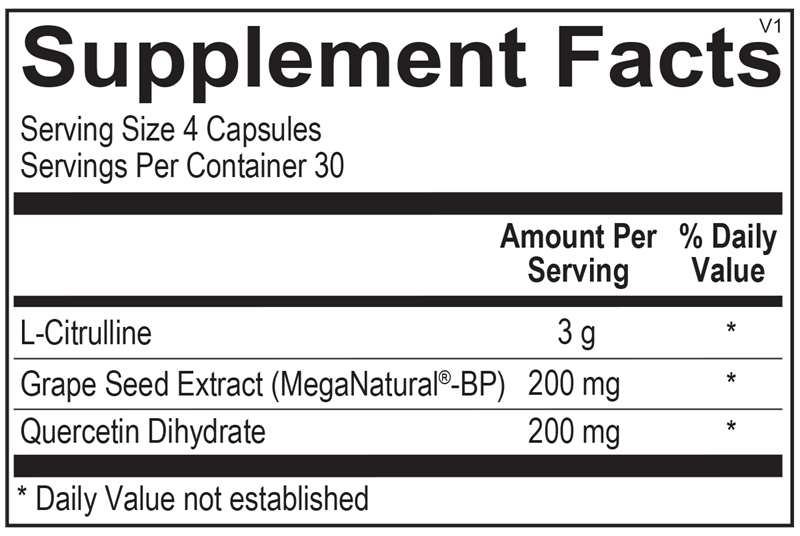
Ortho Molecular Products
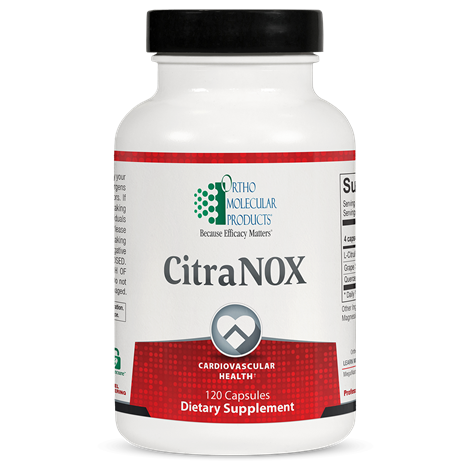
CitraNOX by Ortho Molecular Products
120 capsules · 120-day supply
Supports Healthy Blood Flow and Cardiovascular Function$70.32
Purchase options
Practitioner-grade brand3rd-party testedFree shipping $50+
Gluten Free·Corn Free·Yeast Free·Artificial Color Free·Artificial Flavor Free
Ortho Molecular Products CitraNOX overview
If your home blood pressure readings run high-normal or elevated and you want a non-drug nudge, a nitric oxide supplement built around L-citrulline is worth a trial. It also fits endurance and strength athletes chasing better blood flow during training, and adults with cold hands and feet from sluggish circulation. If your hs-CRP (an inflammation marker) trends high, the quercetin and grape seed extract here add modest anti-inflammatory and vessel-calming effects. If you already have low blood pressure, this isn’t the right pick.
L-citrulline converts in your kidneys to L-arginine, which your blood vessel lining uses to make nitric oxide (the gas that tells arteries to relax). Citrulline raises blood levels of arginine more reliably than taking arginine itself, because it skips gut and liver breakdown. Grape seed extract polyphenols protect nitric oxide by reducing oxidative stress, and quercetin nudges the same pathway while modestly lowering hs-CRP in some people. In studies, this trio often trims systolic and diastolic blood pressure by about 3–5 mmHg within 4 to 8 weeks and can make exercise feel easier at a given pace.
Use the 4-capsule daily dose as directed. For blood pressure, take it consistently at the same time each day; splitting morning and evening is reasonable. For training, take the full dose 60–90 minutes before workouts. Food is optional, though many prefer it with a small meal to avoid mild stomach upset. If you combine with beetroot or other nitrate-rich products, start lower and assess blood pressure response.
Skip combining with prescription nitrates like nitroglycerin or isosorbide, or with erectile dysfunction drugs such as sildenafil, without clinician guidance, since blood pressure can drop too far. If you take antihypertensive medications, monitor home readings when you start. Grape seed extract and quercetin have mild antiplatelet effects, so use caution with warfarin, apixaban, rivaroxaban, clopidogrel, or aspirin and discuss with your prescriber.
Avoid if your baseline blood pressure is low, you get lightheaded when standing, or you’ve had recent fainting. Pregnancy and breastfeeding: data are limited, so skip unless your clinician advises. Allergic to grapes, grape seed, or wine extracts, avoid. If you’re scheduled for surgery or have a bleeding disorder, check with your surgeon due to the grape seed and quercetin components.
Frequently asked questions
Does a nitric oxide supplement lower blood pressure?
Often by a small but meaningful amount. L-citrulline combinations typically reduce systolic and diastolic pressure about 3–5 mmHg in responders within 4–8 weeks. Keep measuring at home, and don’t stop prescribed medications without your clinician.
Is L-citrulline better than L-arginine for circulation?
Yes for most people. L-citrulline raises blood L-arginine more reliably because it avoids gut and liver breakdown that limits plain arginine. That leads to steadier nitric oxide production and better tolerance.
When should I take L-citrulline for workouts?
Take it 60–90 minutes before training. That timing lines up with peak blood levels and nitric oxide effects, which can improve blood flow and make a given pace feel easier.
Can I take this with sildenafil or nitrates?
Not without medical guidance. Combining with sildenafil or prescription nitrates can drop blood pressure too far, causing dizziness or fainting. Talk to your prescriber first.
How long until I feel a difference?
Workout effects can show up in the first 1–2 doses. For blood pressure and recovery, give it 4–8 weeks of daily use and track home readings to see your personal response.
Are there side effects with L-citrulline, quercetin, or grape seed?
They’re generally well tolerated. Occasional nausea, reflux, headache, or lightheadedness from lower blood pressure can occur. Take with a small meal and hydrate. Stop and seek care if you feel faint or develop unusual bleeding.
Can I stack this with beetroot or nitric oxide foods?
Yes, but go slowly. Beetroot and arugula add dietary nitrates that also relax blood vessels. Combining can amplify effects, so monitor blood pressure and reduce doses if you get dizzy.
Will this help cholesterol or triglycerides?
It’s aimed at vessel function, not lipids. You might see small improvements in hs-CRP or endothelial health, but for triglycerides or LDL, consider omega-3s or diet changes and track your lipid panel.
How to take it & ingredients
Suggested use: 4 capsules per day or as recommended by your health care professional.
Active ingredients
1 capsule per serving · 120 servings
L-Citrulline
750 mg
Quercetin
Dihydrate
Dihydrate
45 mg
Grape Seed Extract
Vitis vinifera (Seed) MegaNatural® BP (90% Polyphenols)
Vitis vinifera (Seed) MegaNatural® BP (90% Polyphenols)
50 mg
Certifications
Benefits
Warnings
Customers also considered
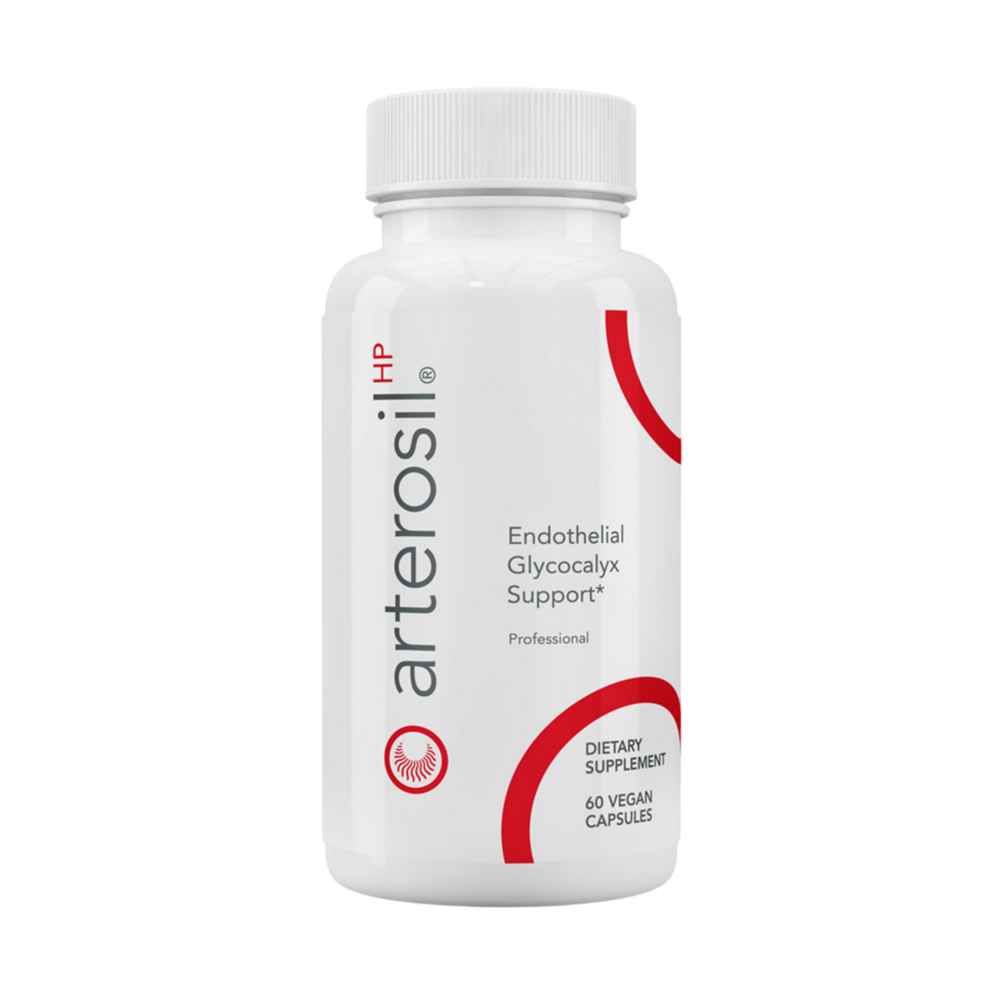
Arterosil HP
Calroy Health Sciences
60 capsules
$99.99$79.99 with Subscribe & Save
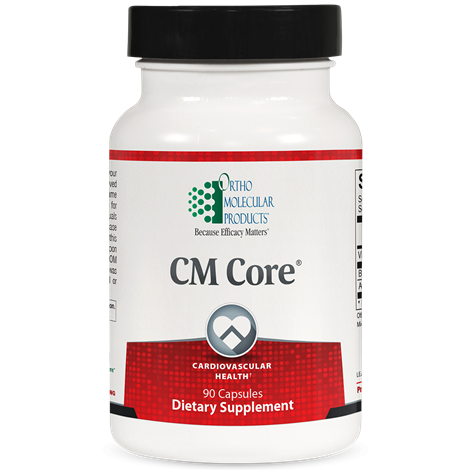
CM Core
Ortho Molecular Products
90 capsules
$70.32$63.35 with Subscribe & Save
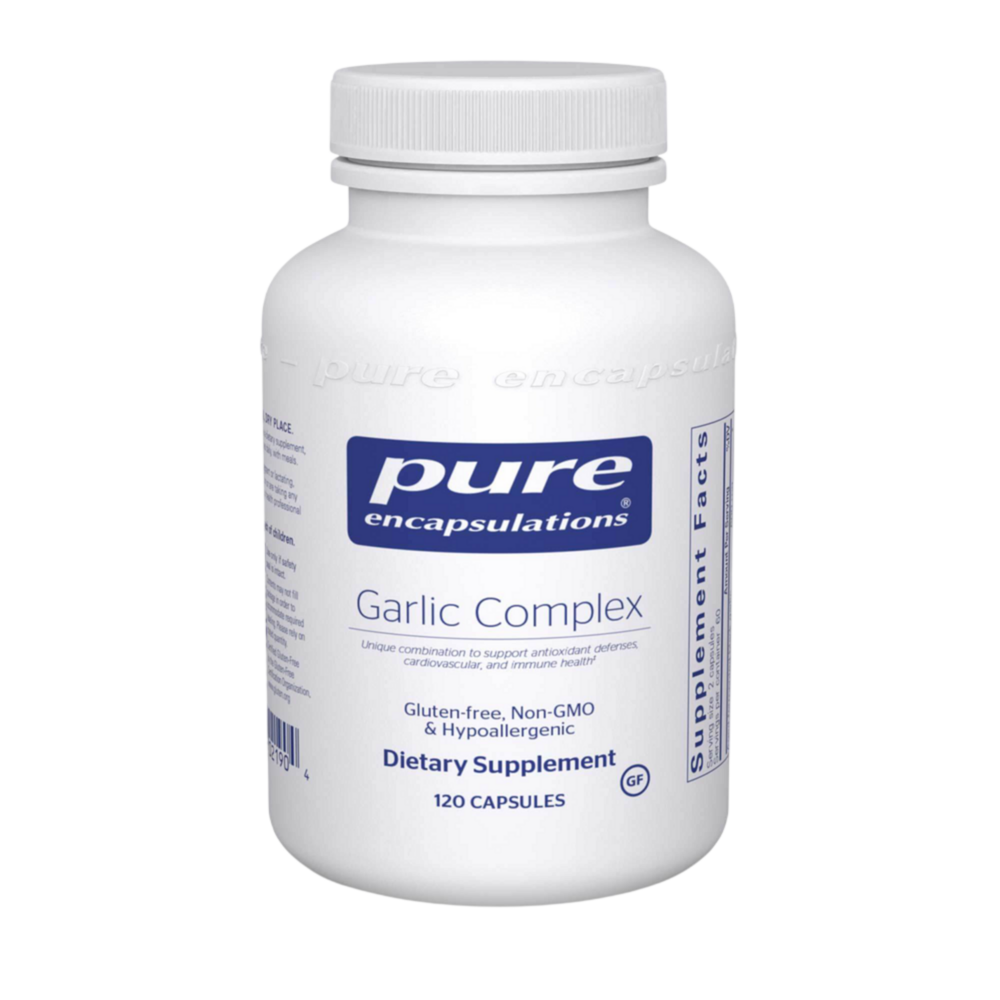
Garlic Complex
Pure Encapsulations
120 capsules
$59.50$47.99 with Subscribe & Save
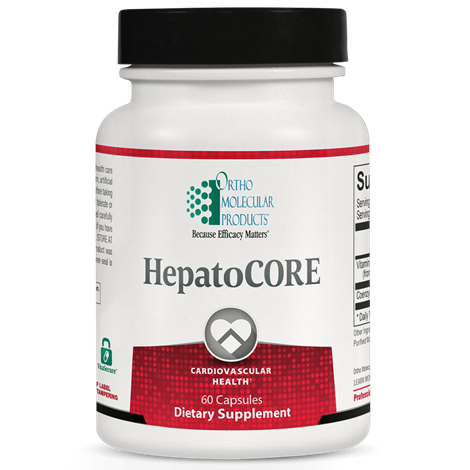
HepatoCORE
Ortho Molecular Products
60 capsules
$69.32$62.45 with Subscribe & Save