 Instalab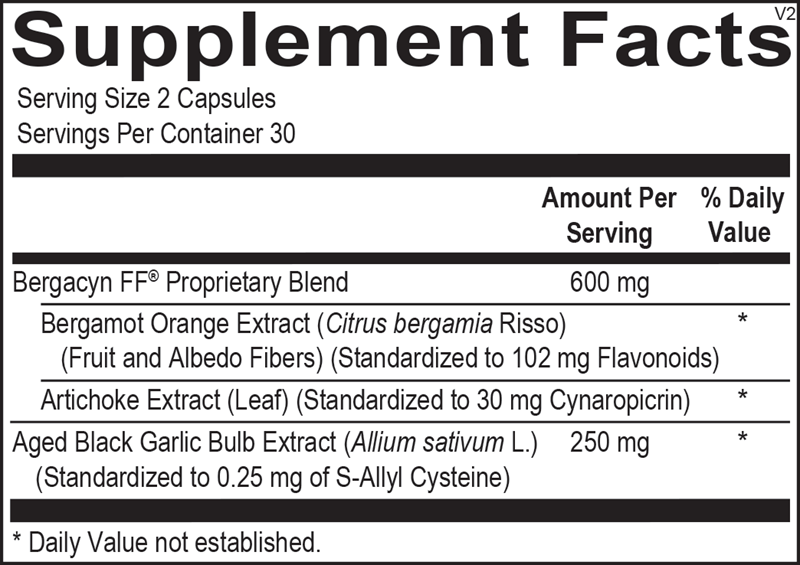
Ortho Molecular Products
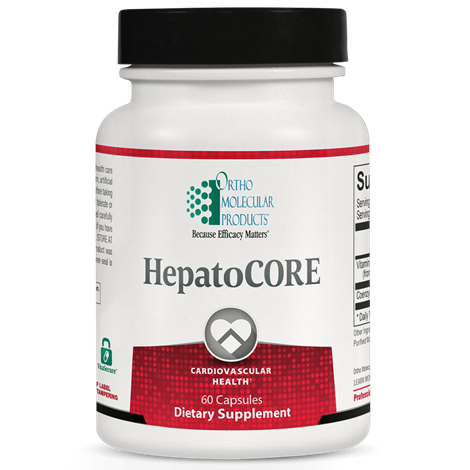
HepatoCORE by Ortho Molecular Products
60 capsules · 30-day supply
Support Liver Health and Cardiovascular Function with Natural Ingredients$69.32
Purchase options
Practitioner-grade brand3rd-party testedFree shipping $50+
Gluten Free·Corn Free·Yeast Free·Artificial Color Free·Artificial Flavor Free
Ortho Molecular Products HepatoCORE overview
If you’re considering bergamot for cholesterol and also want liver help, this pairing fits. It’s aimed at adults with elevated triglycerides or non-HDL cholesterol, early fatty liver on labs (ALT, AST, GGT) or ultrasound, and a diet light on bitter greens. It’s a practical option if your ApoB (the protein that counts atherogenic particles) runs high or your hs-CRP (inflammation signal) is up. Vegans and fish-avoiders who aren’t ready for fish oil often use this alongside lifestyle changes.
BergacynFF combines bergamot polyphenols with artichoke leaf. Bergamot slows cholesterol production in the liver and improves how the liver packages fat into VLDL particles (the carriers that show up as triglycerides). Artichoke increases bile flow, helping clear cholesterol and easing fat handling. Aged black garlic provides S-allyl cysteine, a stable antioxidant that improves endothelial function (how blood vessels relax) and can modestly reduce blood pressure and hs-CRP. In small trials, these ingredients lower LDL and triglycerides 10–25% and improve ALT and GGT within 8 to 12 weeks.
Take two capsules daily with food, ideally your largest meal to align with fat and bile release. Most people choose morning or dinner and stick to it; consistency matters more than timing. Recheck a Lipid Panel, ApoB, Triglycerides, and liver enzymes (ALT, AST, GGT) after 8 to 12 weeks. If triglycerides are still elevated, pairing with omega-3 fish oil is often additive. Avoid alcohol excess while you’re assessing response.
Skip if you have gallstones or biliary obstruction, since artichoke increases bile flow. Use caution with blood thinners or high-dose aspirin; aged black garlic can amplify platelet inhibition (blood’s ability to clot). If you’re on a statin, this is generally compatible, but check with your clinician and monitor liver enzymes. Allergy to artichoke or other Asteraceae plants is a reason to avoid. Pregnancy and breastfeeding: not enough data.
Frequently asked questions
How long does bergamot take to lower cholesterol?
Expect changes in 4 to 12 weeks. Most trials recheck a Lipid Panel and ApoB at 8 to 12 weeks. Triglycerides often move first, with LDL changes building over the full period.
Does aged black garlic thin your blood?
It can make platelets less sticky, which acts like a mild blood-thinning effect. If you take warfarin, DOACs, clopidogrel, or daily aspirin, speak with your clinician and watch for bruising.
Can I take this with a statin?
Often yes, and some people see additional triglyceride and non-HDL improvements. Coordinate with your prescriber and monitor ALT, AST, and symptoms like muscle aches.
Will this help fatty liver?
It can. Bergamot and artichoke have data showing improvements in liver enzymes (ALT, GGT) and liver fat scores within 8–12 weeks, especially when paired with weight loss and reduced alcohol.
Do I need to take it with food?
Yes, take it with a meal. Artichoke-driven bile flow and fat handling work best with food, and taking it with food reduces reflux or garlic aftertaste.
What side effects should I watch for?
Most tolerate it well. Possible effects include mild GI upset, gas, or garlic breath. Rarely, people notice increased bruising or right-upper-quadrant discomfort—stop and get evaluated.
Is bergamot like grapefruit for drug interactions?
BergacynFF is formulated to be low in furocoumarins (the grapefruit-like compounds). Even so, if you’re on narrow-therapeutic-index drugs, confirm with your clinician.
What labs should I check while taking it?
Track a Lipid Panel, ApoB, Triglycerides, and liver enzymes (ALT, AST, GGT). hs-CRP is useful if inflammation is a concern. Recheck after 8–12 weeks to judge response.
How to take it & ingredients
Suggested use: 2 capsules per day or as recommended by your health care professional.
Active ingredients
2 capsules per serving · 30 servings
▼
BergacynFF Proprietary Blend
600 mg
Bergamot Extract
-
Artichoke Leaf Extract
-
Aged Black Garlic Extract
From Allium sativum
From Allium sativum
250 mg
Other ingredients: Hypromellose (Natural Vegetable Capsules), Microcrystalline Cellulose, Magnesium Stearate, Silicon Dioxide
Certifications
Benefits
Warnings
Customers also considered
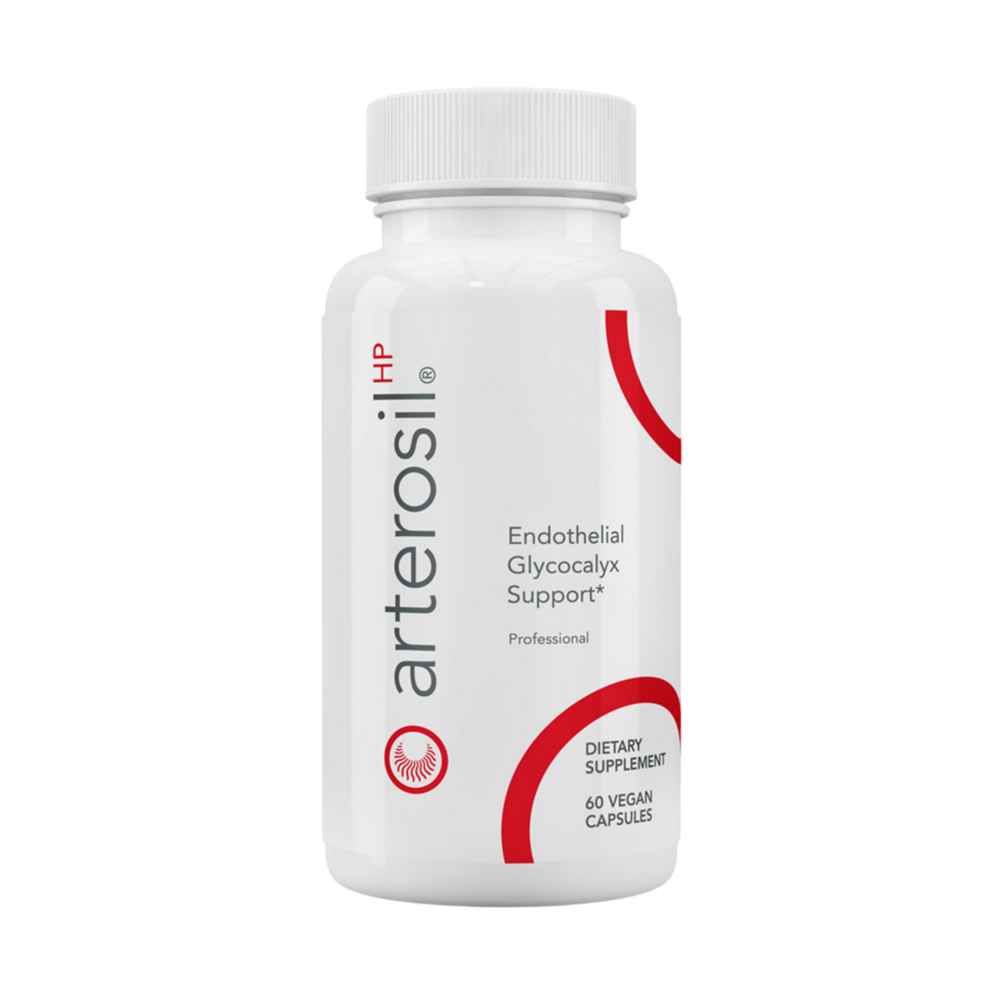
Arterosil HP
Calroy Health Sciences
60 capsules
$99.99$79.99 with Subscribe & Save
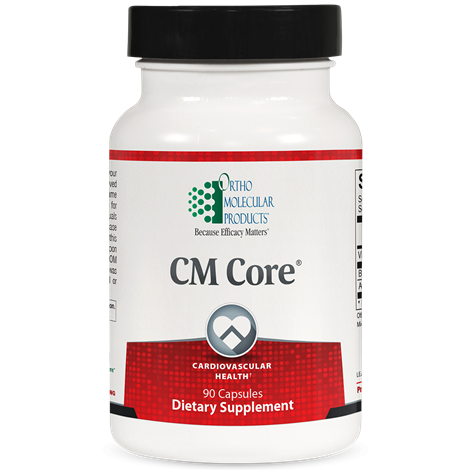
CM Core
Ortho Molecular Products
90 capsules
$70.32$63.35 with Subscribe & Save
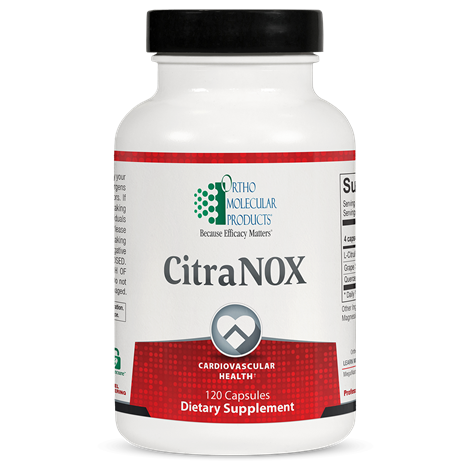
CitraNOX
Ortho Molecular Products
120 capsules
$70.32$63.35 with Subscribe & Save
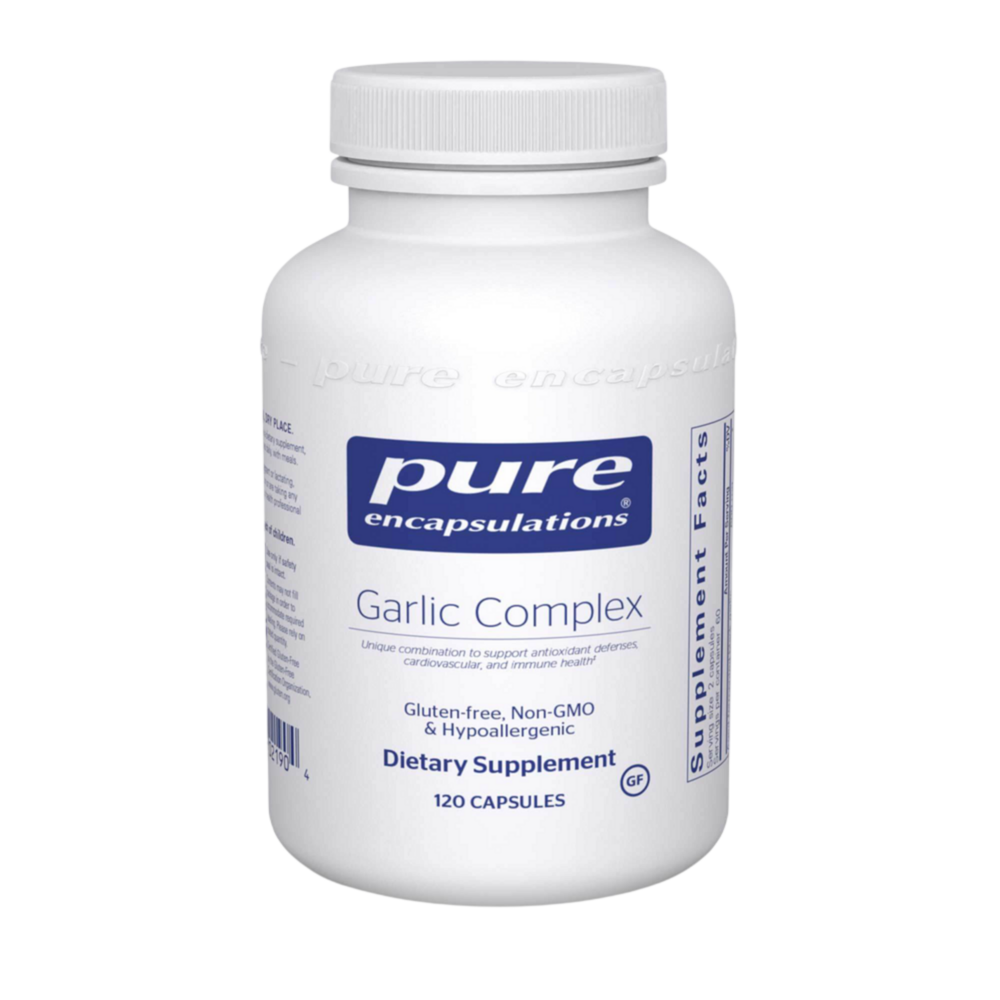
Garlic Complex
Pure Encapsulations
120 capsules
$59.50$47.99 with Subscribe & Save