 Instalab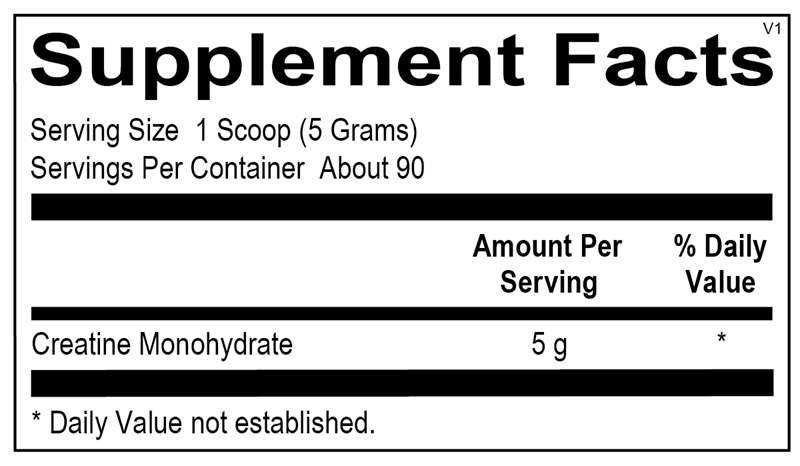

Ortho Molecular Products
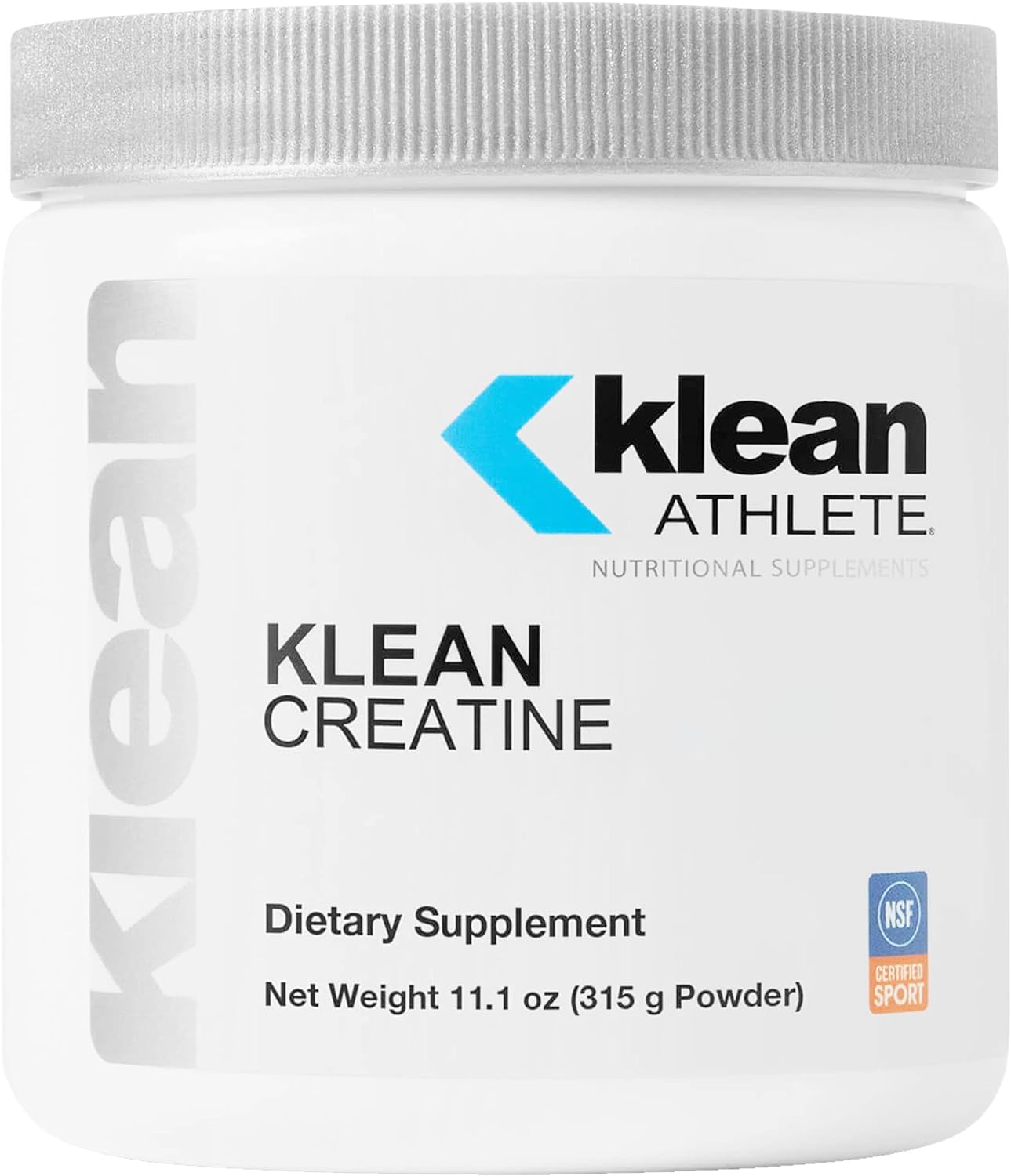
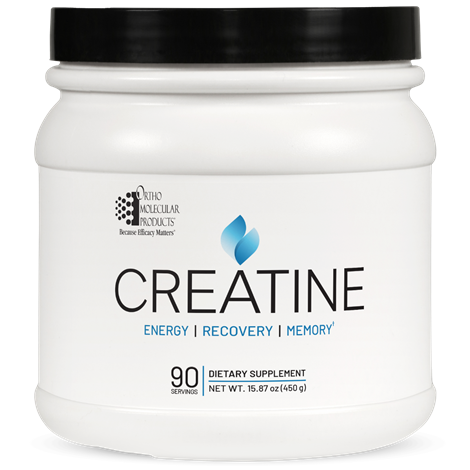
Creatine by Ortho Molecular Products
450 grams
Supports Muscle Strength, Power, and Athletic Performance$49.89
Purchase options
Practitioner-grade brand3rd-party testedFree shipping $50+
Vegan·Vegetarian·Gluten Free·Corn Free·Yeast Free·Artificial Color Free·
Ortho Molecular Products Creatine overview
Vegetarians and vegans, adults lifting weights, and anyone over 50 working to keep muscle do well with creatine monohydrate 5 g daily. Plant-based eaters start lower in muscle creatine, so gains are often larger. If your training includes short, intense efforts (sprints, heavy sets), this is the sweet spot. There’s also emerging benefit for cognitive tasks under sleep debt, but the effect is smaller than the strength and power bump.
Creatine is stored as phosphocreatine, which quickly donates phosphate to regenerate ATP (the immediate energy currency) during hard efforts lasting seconds. Topping up creatine raises this rapid-energy pool in muscle and brain, improving repeated sprint ability and heavy lifting. It also pulls water into muscle cells, a hydration signal tied to protein building. Expect visible effects once muscles are saturated, typically within 2 to 4 weeks.
Mix one 5 g scoop in water or any beverage daily; timing is flexible, so take it when you’ll remember. A loading phase (about 20 g/day split into 4 doses for 5–7 days) fills stores faster, then continue with 3–5 g/day. Taking it with a meal or carb-containing drink can slightly improve uptake. Hydrate well. This is a maintenance dose; larger athletes may sit closer to 5 g ongoing.
Creatine can nudge Serum Creatinine (the kidney filtration byproduct) upward without harming kidneys, which can make eGFR (estimated kidney function) look lower on paper. That’s expected in healthy users. Skip creatine if you have known kidney disease, one kidney, or take nephrotoxic drugs like cyclosporine or high-dose NSAIDs without clinician OK. High caffeine can worsen stomach upset and may blunt benefits in some people.
Avoid during pregnancy and breastfeeding unless your clinician advises it, because safety data are limited. If you’re prone to kidney stones, discuss first. Creatine can add 1–2 kg of intracellular water early; if you’re making weight for sport, plan ahead. For bone health alone, use it alongside resistance training, since benefits on bone markers appear tied to lifting, not creatine by itself.
Frequently asked questions
How long does creatine take to work?
With a daily 5 g dose, most people feel performance benefits in 2–4 weeks once muscles are saturated. A 5–7 day loading phase speeds this to about 1 week, then continue with a smaller daily dose.
Do I need to load creatine or is 5 g enough?
You don’t have to load. Loading (about 20 g/day for a week) saturates faster. Taking 3–5 g/day from the start reaches the same level; it just takes a couple extra weeks.
Does creatine cause hair loss?
Evidence is weak. One small study showed a rise in DHT (a testosterone metabolite) without hair outcomes. Larger trials haven’t confirmed hair loss. If you’re concerned, monitor and discuss with your clinician.
Will creatine hurt my kidneys?
In healthy adults, standard doses are not shown to damage kidneys. It can raise Serum Creatinine slightly, which can lower eGFR on paper. If you have kidney disease, get clinician guidance before using.
Should I avoid caffeine with creatine?
You don’t have to avoid it, but high caffeine can increase stomach upset and may blunt effects in some people. If results are underwhelming, try separating creatine from large caffeine doses.
Do I need to cycle off creatine?
No. There’s no clear benefit to cycling for safety or effectiveness at typical doses. If you pause, muscle levels will slowly return to baseline over 3–4 weeks.
Why did my weight go up on creatine?
Creatine pulls water into muscle, often adding 1–2 kg early. That’s intracellular water, not fat. It usually stabilizes after saturation, and many consider it a trade-off for better training output.
How to take it & ingredients
Suggested use: Mix 1 scoop (5 g) with 8 ounces of water or your preferred beverage per day or as recommended by your health care professional.
Active ingredients
1 scoop = 5 grams per serving
Creatine Monohydrate
-
Certifications
Benefits
Warnings