 Instalab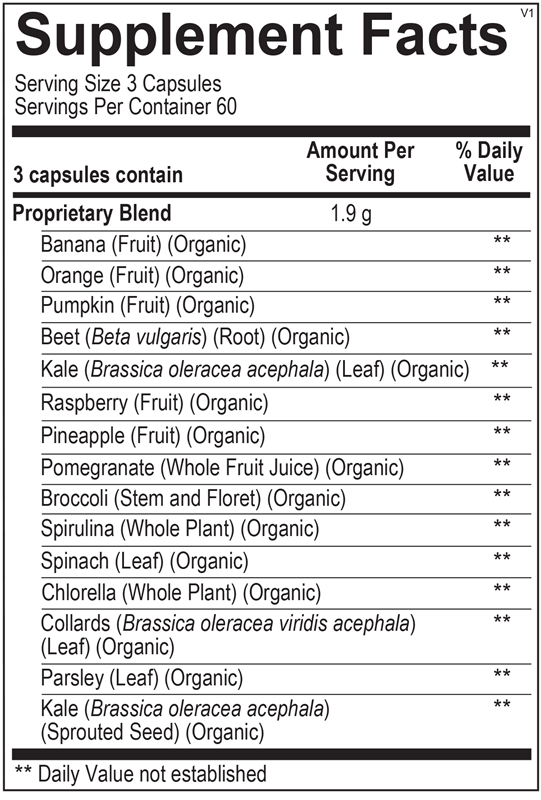

Ortho Molecular Products
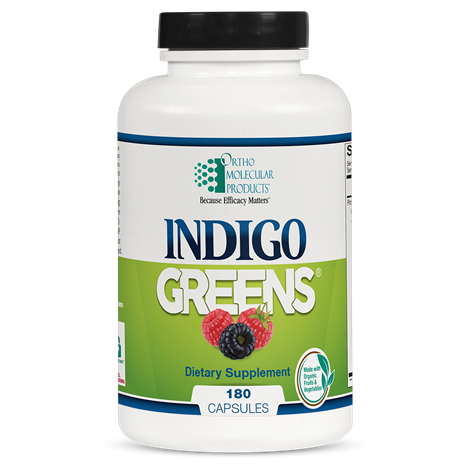
Indigo Greens Capsules 1.9 g by Ortho Molecular Products
180 capsules · 60-day supply
Nutrient-Dense SuperGreens for Daily Wellness and Vitality$94.85
Purchase options
Practitioner-grade brand3rd-party testedFree shipping $50+
Vegan·Vegetarian·Gluten Free·Corn Free·Yeast Free·Artificial Color Free·
Ortho Molecular Products Indigo Greens Capsules overview
Busy adults who miss the 5–9 daily servings of produce are the real fit here. This greens supplement gives you a daily dose of plant polyphenols when travel, takeout, or picky eating get in the way. It’s useful if your diet quality is inconsistent or your hs-CRP (a general inflammation marker) runs higher and you’re addressing lifestyle. If you already eat a variety of colorful plants most days, you’ll see less upside.
The organic fruit and greens blend delivers polyphenols and carotenoids, the plant compounds that upregulate your cells’ own antioxidant enzymes and help neutralize free radicals. Polyphenols also feed gut bacteria that produce short-chain fatty acids like butyrate (fuel for the cells lining your colon). Leafy-green nitrates convert to nitric oxide, a gas that relaxes blood vessels. Think phytonutrient coverage, not fiber or protein replacement.
Take 3 capsules daily, ideally with a meal that contains some fat so carotenoids absorb better and to avoid mild nausea on an empty stomach. Morning or midday works well. You can open the capsules into yogurt or a smoothie if you dislike pills. This is a maintenance-level phytonutrient dose; it will not replace a high-fiber food like vegetables, beans, or oats.
If you use warfarin (a blood thinner that interacts with vitamin K), keep your intake of green-vegetable products steady or avoid without clinician guidance. Separate from iron supplements by two hours since polyphenols can reduce iron absorption. Those on potassium-restricted diets for kidney disease should review any greens supplement with their care team. Pregnancy is generally fine with whole foods; ask your obstetric clinician before adding blends.
Frequently asked questions
What does a greens supplement actually do?
It supplies plant polyphenols and carotenoids that your gut microbes and cells use to manage oxidative stress and make short-chain fatty acids. It helps cover phytonutrient gaps on days you fall short on produce, but it does not replace whole-food fiber.
How long until I feel anything from greens capsules?
Most people do not feel a “kick.” Think background benefits. Gut-related changes, like more regularity or less bloating, typically show up within 2–4 weeks alongside diet improvements. Lab markers tied to diet quality, like hs-CRP, take longer and need broader lifestyle changes.
Can I take greens with a multivitamin or probiotic?
Yes. A greens supplement adds plant compounds your multivitamin lacks, and it plays well with probiotics by giving microbes more substrates. If you take iron or thyroid medication, space the greens by two hours to avoid absorption interference.
Do greens supplements help with cholesterol or blood sugar?
They are not a primary treatment. Improved produce intake can support healthier LDL cholesterol and A1c over time, but capsule greens at this dose provide phytonutrients, not the viscous fiber that meaningfully lowers LDL. Use them as an add-on to diet changes.
Is this safe if I form kidney stones?
Most servings are low in oxalate compared to large portions of spinach or beet greens, but blends vary. If you have a history of calcium oxalate stones, prioritize hydration, moderate high-oxalate foods, and review any greens supplement with your clinician.
Should I take greens on an empty stomach?
You can, but taking with food is smarter. A little dietary fat improves absorption of carotenoids, and food reduces the chance of mild nausea that some people get with plant concentrates.
Are greens capsules better than a greens powder?
They’re more convenient and taste-neutral, but powders usually allow a higher gram dose. If you want maximal plant actives in one serving, a powder may deliver more. If you want simple and portable, capsules win.
How to take it & ingredients
Suggested use: Take 3 capsules per day or as recommended by your health care professional.
Active ingredients
3 capsules per serving · 60 servings
▼
Organic Fruit, Vegetable and Greens Blend
1.9 g
Banana (Fruit) (Organic)
-
Orange (Fruit) (Organic)
-
Pumpkin (Fruit) (Organic)
-
Beet (Beta vulgaris) (Root) (Organic)
-
Kale (Brassica oleracea acephala) (Leaf) (Organic)
-
Raspberry (Fruit) (Organic)
-
Pineapple (Fruit) (Organic)
-
Pomegranate (Whole Fruit Juice) (Organic)
-
Broccoli (Stem and Floret) (Organic)
-
Spinach (Leaf) (Organic)
-
Chlorella (Whole Plant) (Organic)
-
Collards (Brassica oleracea viridis acephala) (Leaf) (Organic)
-
Parsley (Leaf) (Organic)
-
Kale (Brassica oleracea acephala) (Sprouted Seed) (Organic)
-
Spirulina (Whole Plant) (Organic)
-
Other ingredients: Pullulan (Natural Capsules), Rice Maltodextrin (Organic), Rice Flour (Organic), Rice Hulls (Organic)
Certifications
Benefits
Warnings
Customers also considered
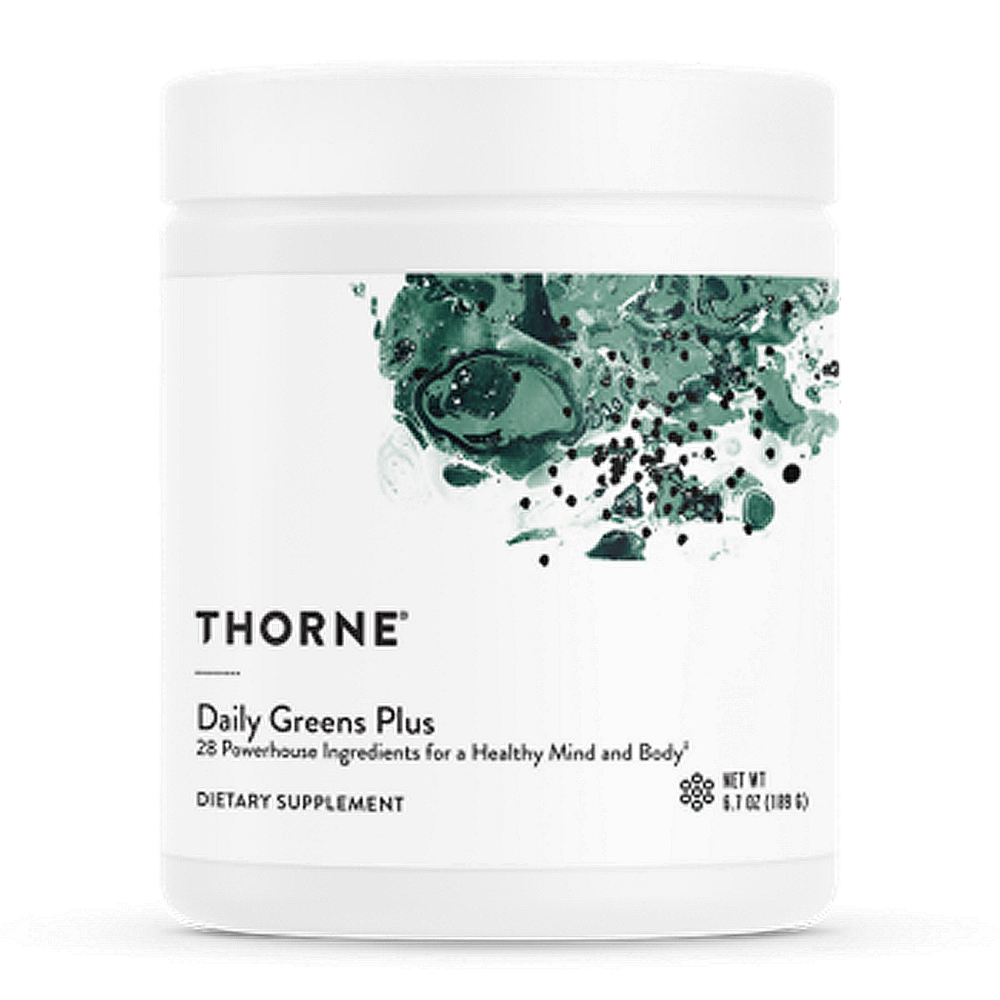
Daily Greens Plus
Thorne
204 grams
$72.00$64.80 with Subscribe & Save
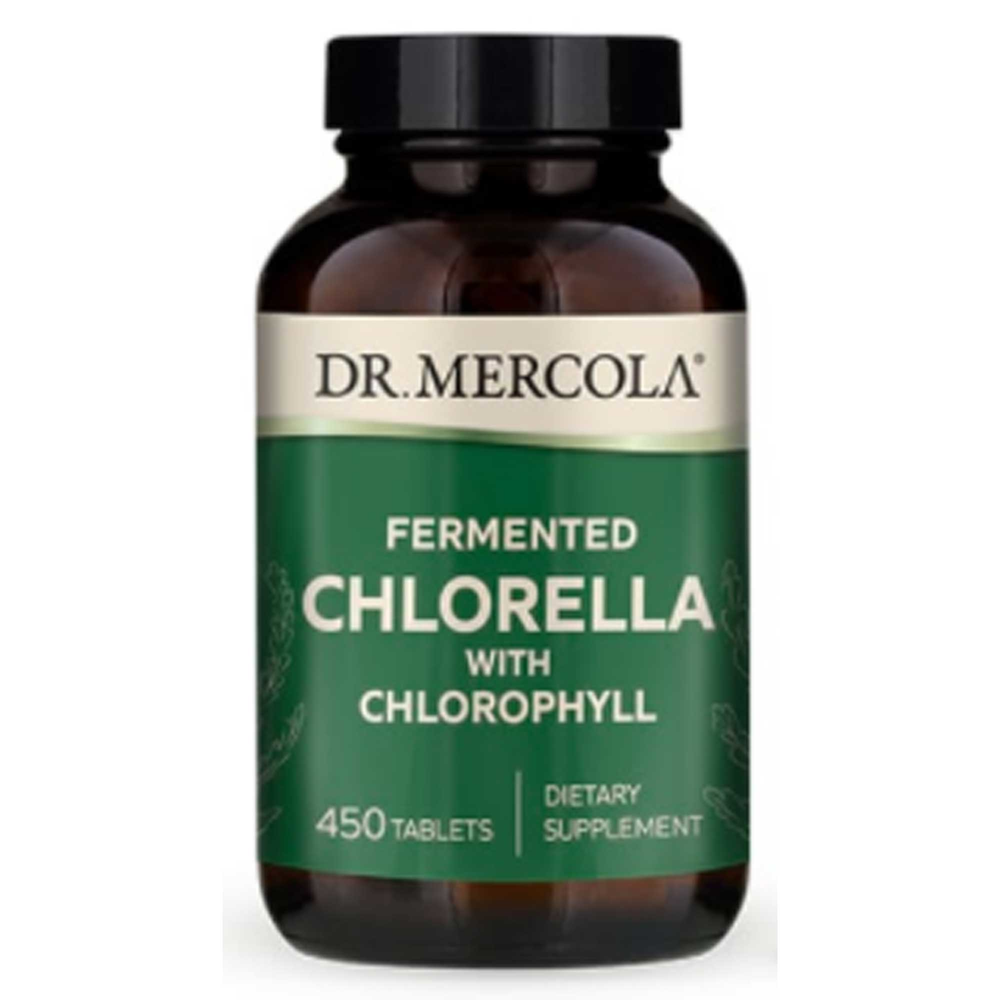
Fermented Chlorella with Chlorophyll
Dr. Mercola
450 tablets
$22.99$17.99 with Subscribe & Save
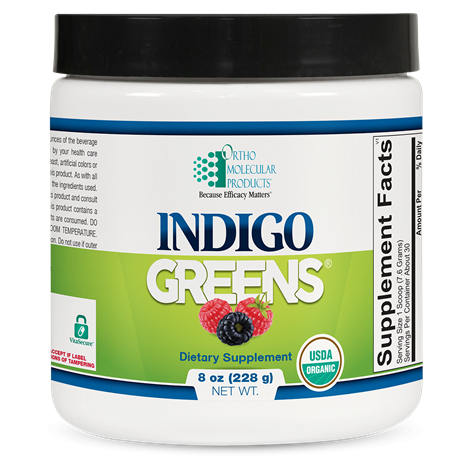
Indigo Greens Powder
Ortho Molecular Products
228 grams
$83.42$75.15 with Subscribe & Save
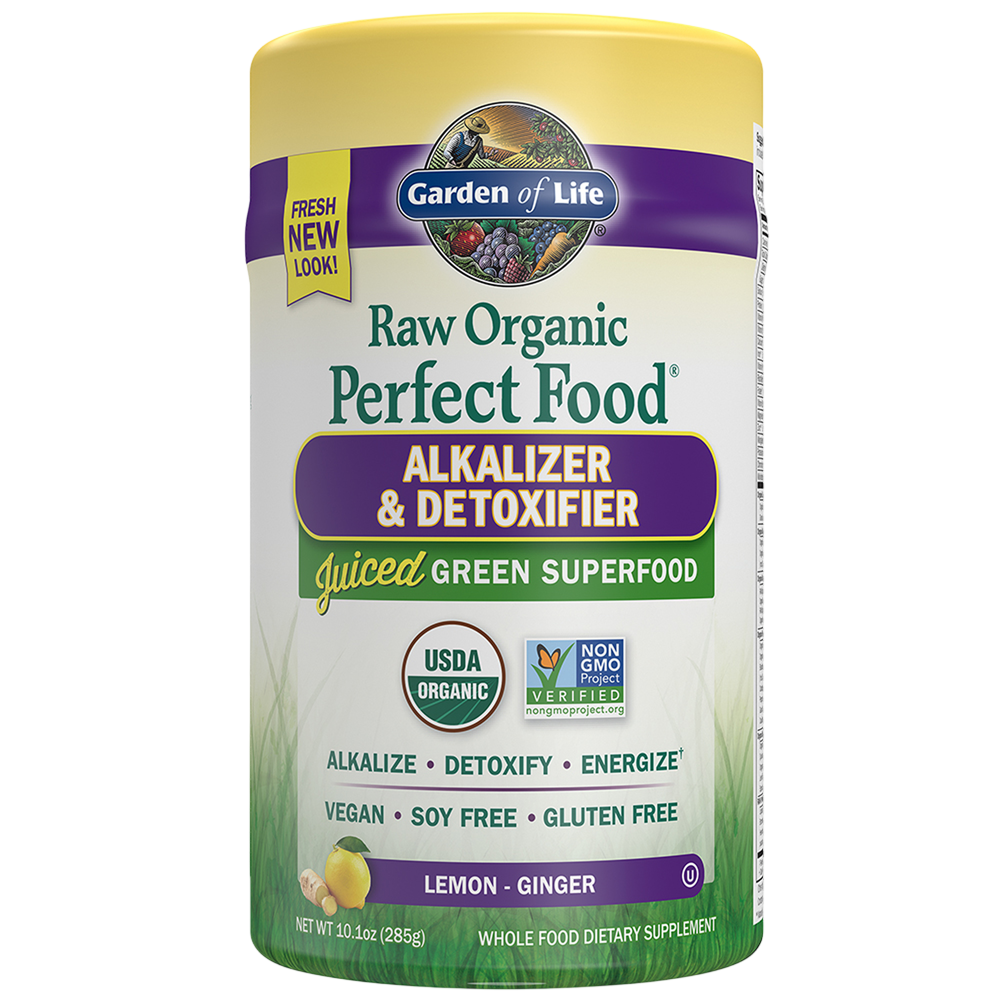
RAW Organic Perfect Food Alkalizer & Detoxifier
Garden of Life
285 grams
$48.99$38.99 with Subscribe & Save