 Instalab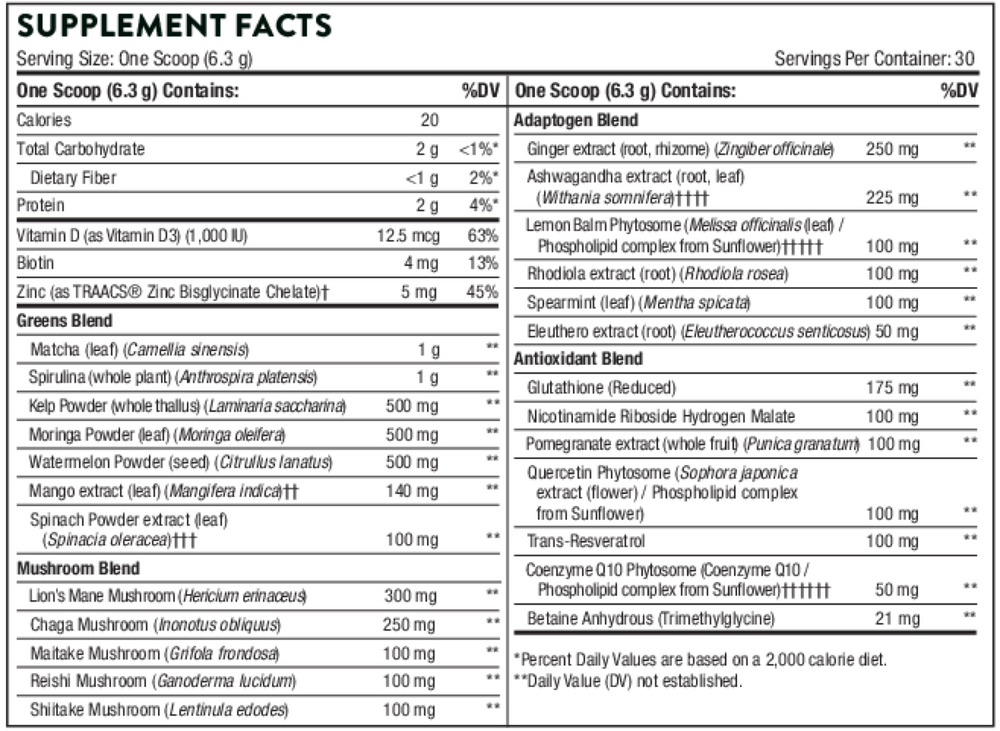

Thorne
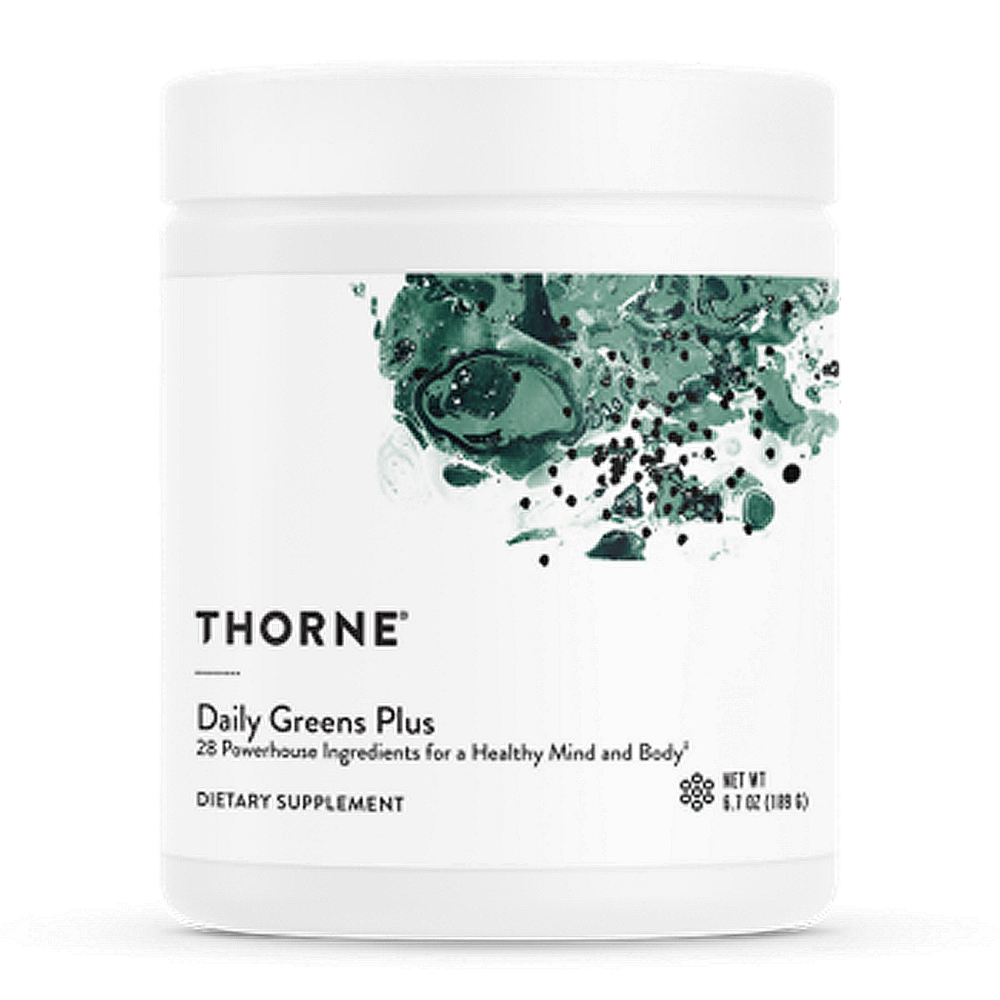
Daily Greens Plus by Thorne
204 grams
Daily Greens Powder with Adaptogens, Mushrooms, and Antioxidants$72.00
Purchase options
Practitioner-grade brand3rd-party testedFree shipping $50+
Gluten Free
Thorne Daily Greens Plus overview
This greens powder suits adults who want a broad serving of plant and mushroom nutrients in one daily scoop. It fits busy schedules, light eaters, and travelers who want more polyphenols and phytonutrients in their day without extra meal prep. The formula combines a greens blend, a five-mushroom blend, an adaptogen blend, and an antioxidant blend, so the daily routine covers a wide range of ingredients in a single mix.
Each scoop delivers matcha (1 g) and spirulina (1 g) alongside kelp, moringa, watermelon seed, mango leaf, and spinach in the greens blend. The mushroom blend provides lions mane, chaga, maitake, reishi, and shiitake. The adaptogen blend includes ashwagandha (225 mg), ginger, lemon balm phytosome, rhodiola, spearmint, and eleuthero, plant ingredients traditionally used to support the body's response to everyday stress. The antioxidant blend rounds out the formula with reduced glutathione (175 mg), trans-resveratrol (100 mg), quercetin phytosome (100 mg), pomegranate, CoQ10 phytosome (50 mg), nicotinamide riboside, and betaine anhydrous, alongside 1,000 IU of vitamin D3, biotin, and zinc.
Mix one level scoop with at least 12 ounces of water or a beverage of your choice, once daily. Take it with a meal to help with general tolerance and to spread absorption alongside food. Morning or early afternoon tends to fit most routines, since some adults find the adaptogen and green tea ingredients lightly energizing. Shake or stir well before each use.
If you take prescription medications, are pregnant or breastfeeding, or are managing a health condition with a clinician, talk to your care team before starting and review the warnings below.
Frequently asked questions
Is a greens powder a replacement for vegetables?
No. It provides a concentrated source of plant ingredients, but it does not match the fiber and chewing of whole produce. Use it as a daily routine alongside meals, not in place of them.
Does this greens powder have caffeine?
It contains matcha, which is a source of caffeine. The exact amount per scoop is not listed on the label, but matcha is generally lower in caffeine than a cup of coffee. If you are caffeine sensitive, take it earlier in the day.
How do I take it?
Mix one level scoop with at least 12 ounces of water or a beverage of your choice, once daily. Shake or stir before each use. Taking it with a meal can help with general tolerance.
Can I take it with thyroid medication?
Separate the scoop from your thyroid medication dose by at least 4 hours, since minerals, fiber, and polyphenols can reduce levothyroxine absorption. Because kelp adds iodine, talk to your clinician if you have a thyroid condition.
Is it vegan?
The vitamin D3 in this formula is typically lanolin derived rather than from a plant source, so this product is not labeled vegan. Check the current Thorne packaging if vegan sourcing is important to you.
How long until I notice a difference?
Subjective changes vary. Some adults notice steadier daily energy or routine consistency within 1 to 2 weeks. Take it daily with food for the most predictable experience.
Can I take it while intermittent fasting?
The scoop contains calories and protein, so it ends a strict fast. If you fast for specific reasons, take it with your first meal of the day instead.
How to take it & ingredients
Suggested use: Shake before use. Mix 1 level scoop with at least 12 ounces of water or preferred beverage daily or as recommended by your health care practitioner.
Active ingredients
1 scoop per serving
Vitamin D3
Cholecalciferol
Cholecalciferol
25 mcg
Zinc
TRAACS Zinc Bisglycinate Chelate
TRAACS Zinc Bisglycinate Chelate
5 mg
Biotin
4000 mcg
Green Tea Extract
Camellia sinensis
Camellia sinensis
1000 mg
Spirulina
Anthrospira platensis
Anthrospira platensis
1000 mg
Moringa oleifera Leaf Extract
Leaf extract
Leaf extract
500 mg
Watermelon powder
Seed powder
Seed powder
500 mg
Kelp
Laminaria saccharina whole thallus
Laminaria saccharina whole thallus
500 mg
Lion's Mane Mushroom
Hericium erinaceus
Hericium erinaceus
300 mg
Chaga Mushroom
Inonotus obliquus
Inonotus obliquus
250 mg
Ashwagandha Extract
Withania somnifera root and leaf
Withania somnifera root and leaf
225 mg
Ginger root extract
Zingiber officinale
Zingiber officinale
250 mg
Lemon Balm Phytosome
Melissa officinalis leaf complexed with sunflower phospholipids
Melissa officinalis leaf complexed with sunflower phospholipids
100 mg
Rhodiola rosea Root Extract
Root extract
Root extract
100 mg
Quercetin Phytosome
Sophora japonica extract with sunflower phospholipids
Sophora japonica extract with sunflower phospholipids
100 mg
Trans Resveratrol
Trans resveratrol
Trans resveratrol
100 mg
Coenzyme Q10 Phytosome
CoQ10 complexed with sunflower phospholipids
CoQ10 complexed with sunflower phospholipids
50 mg
L Glutathione
Reduced glutathione
Reduced glutathione
175 mg
Other ingredients: Mint flavor, Monk fruit concentrate
Certifications
Benefits
Warnings
Customers also considered
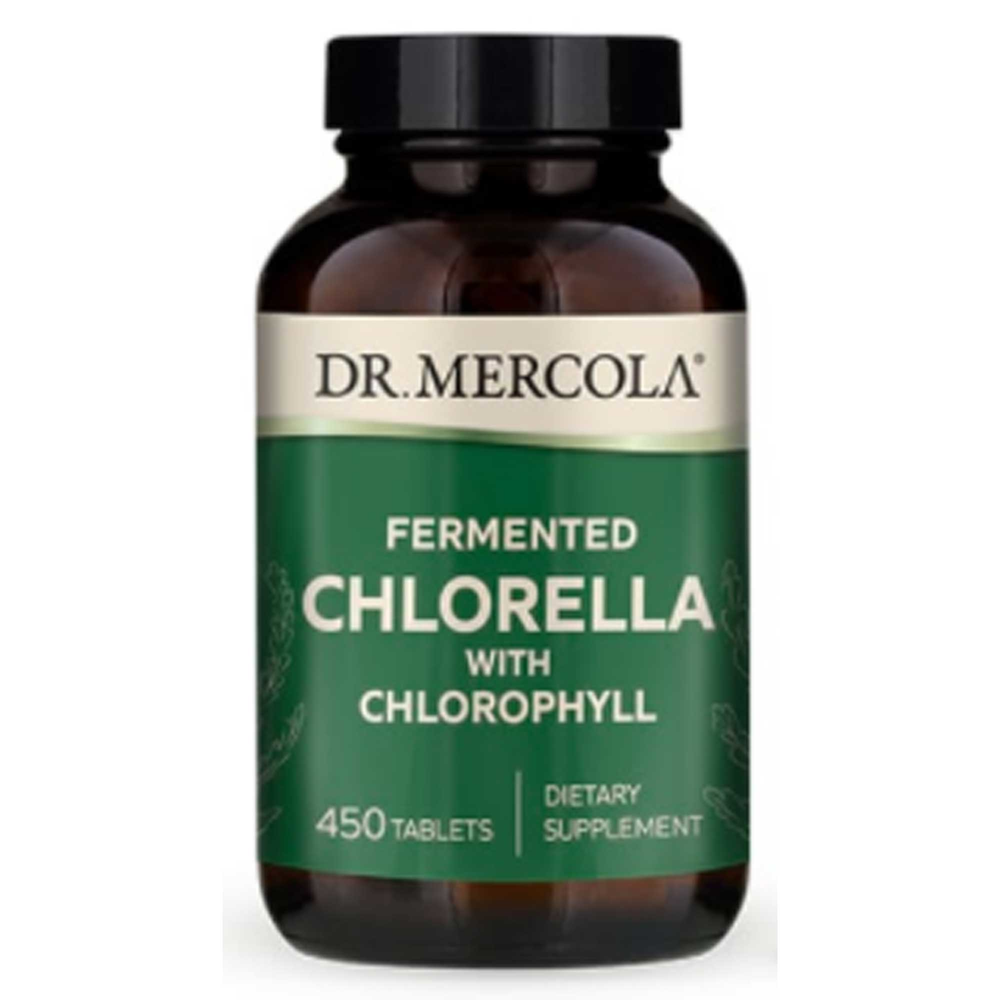
Fermented Chlorella with Chlorophyll
Dr. Mercola
450 tablets
$22.99$17.99 with Subscribe & Save
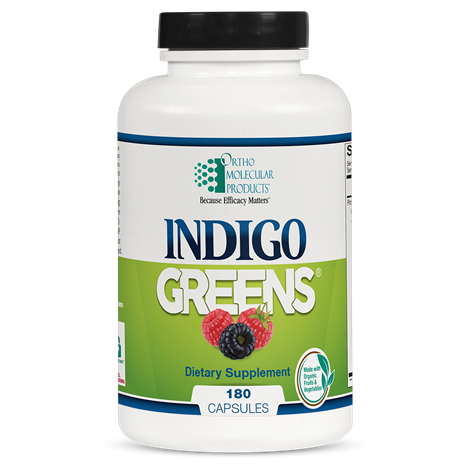
Indigo Greens Capsules
Ortho Molecular Products
180 capsules
$94.85$85.45 with Subscribe & Save
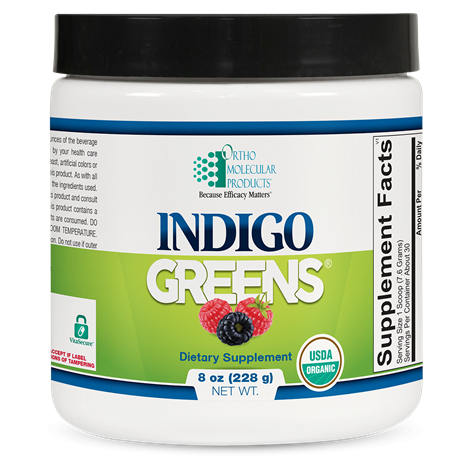
Indigo Greens Powder
Ortho Molecular Products
228 grams
$83.42$75.15 with Subscribe & Save
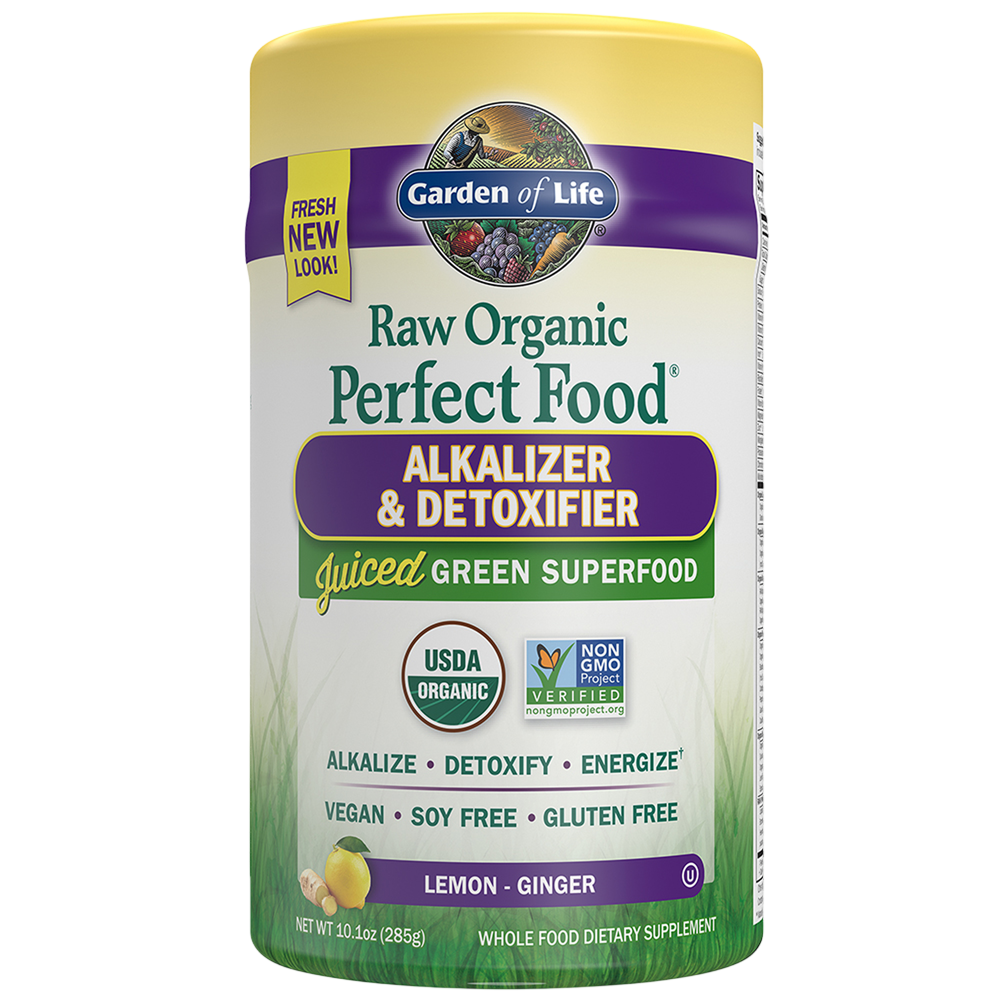
RAW Organic Perfect Food Alkalizer & Detoxifier
Garden of Life
285 grams
$48.99$38.99 with Subscribe & Save