 Instalab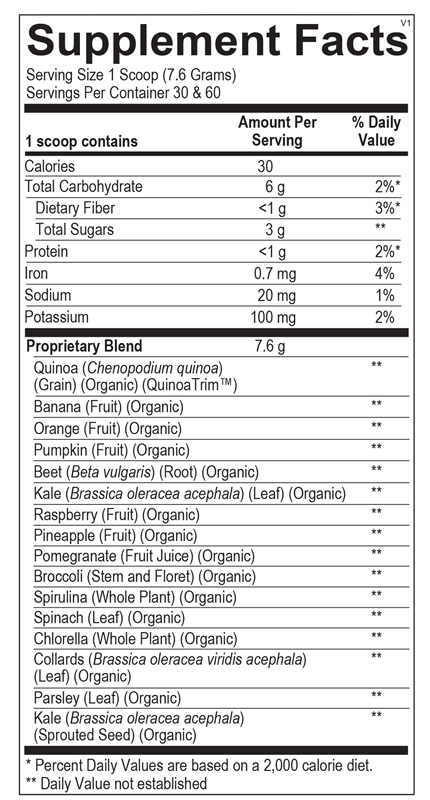

Ortho Molecular Products
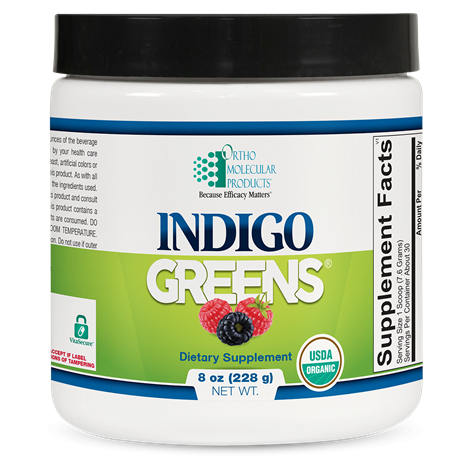
Indigo Greens Powder 7.2 g by Ortho Molecular Products
228 grams · 30-day supply
Nutrient-Dense SuperGreens for Daily Vitality and Wellness$83.42
Purchase options
Practitioner-grade brand3rd-party testedFree shipping $50+
Vegan·Vegetarian·Gluten Free·Corn Free·Yeast Free·Artificial Color Free·
Ortho Molecular Products Indigo Greens Powder overview
If you routinely miss 5+ servings of produce, a greens powder is a practical backstop. It suits frequent travelers, busy professionals who skip salads, and picky eaters who want more polyphenols and fiber without a full kitchen. It’s also useful if your Vitamin D, 25-Hydroxy and Omega-3 Index are fine but your diet quality is the weak link. For weight loss programs with fewer vegetables, it helps keep micronutrient and phytonutrient intake steadier.
A greens powder concentrates plant polyphenols (the colorful compounds in fruits and vegetables) and small amounts of prebiotic fibers that feed gut bacteria. Those bacteria ferment fiber into short-chain fatty acids, which help the gut barrier and influence inflammation markers like hs-CRP (a blood test for systemic inflammation). Antioxidants also help recycle cellular defenses. Expect subtle nutrition insurance, not a cure-all; effects on fasting insulin, A1C, or ALT (a liver enzyme) are modest and depend on your baseline diet.
Mix one scoop with 8–10 oz of water or a smoothie once daily as directed. Most people do best in the morning with breakfast or post-workout. If you’re sensitive to fiber, start with half a scoop for a week, then increase. Consistency matters more than timing; steady use for 4 to 8 weeks is when changes in regularity, energy stability, or hs-CRP trends, if any, tend to show up.
If you use warfarin (a blood thinner), large or variable vitamin K intake from greens can affect dosing; either keep intake consistent and coordinate with your clinician or skip it. Recurrent calcium oxalate kidney stones warrant caution with high-oxalate greens; take with a calcium-containing meal and hydrate. Low-FODMAP eaters and IBS should start with a small dose to avoid gas or bloating. Pregnancy and nursing: review the full label for herb content with your clinician.
Frequently asked questions
Can a greens powder replace vegetables?
No. It’s nutrition insurance for days you fall short, not a full replacement for whole vegetables’ water, fiber bulk, and chewing benefits. Keep aiming for real produce, and use the powder to cover gaps.
How long does a greens powder take to work?
Give it 4 to 8 weeks of daily use. Digestive regularity may improve sooner, but changes in energy stability or hs-CRP trends show up on that timeline if your baseline intake was low.
Is a greens powder good for gut health?
It can help by adding prebiotic fibers that feed beneficial bacteria. If you’re sensitive to FODMAPs, start with half a scoop to reduce gas or bloating and increase as tolerated.
Does greens powder affect blood thinners like warfarin?
It can. Greens often contain vitamin K, which interacts with warfarin. Keep intake consistent and coordinate INR testing with your prescriber, or avoid it if dosing is hard to stabilize.
Should I take greens powder with food or on an empty stomach?
Either is fine. Many prefer it with a meal to reduce any mild nausea or bloating. If you’re sensitive, pair it with breakfast or a smoothie and start with a smaller serving.
Which labs can I track with a greens powder?
If you’re curious, track hs-CRP for inflammation and metabolic labs like fasting insulin, A1C, and ALT. Expect small changes, and interpret results in the context of your overall diet.
Will a greens powder break a fast?
Yes for most fasting definitions. It contains calories and can trigger an insulin response. If you practice time-restricted eating, take it within your eating window.
What side effects should I expect?
The most common are mild gas, bloating, or stool color changes. These usually ease with a half-scoop start and adequate hydration. Stop and check the label if you notice hives or itching.
How to take it & ingredients
Suggested use: Mix 1 scoop (7.6 grams) of Indigo Greens with 8-10 ounces of the beverage of your choice to the desired thickness, once daily or as recommended by your health care professional.
Active ingredients
7.6 grams per serving · 30 servings
▼
Proprietary Blend
7.2 g
Quinoa (Chenopodium quinoa) (Grain) (Organic) (QuinoaTrim™)
-
Banana (Fruit) (Organic)
-
Orange (Fruit) (Organic)
-
Pumpkin (Fruit) (Organic)
-
Beet (Beta vulgaris) (Root) (Organic)
-
Kale (Brassica oleracea acephala) (Leaf) (Organic)
-
Pineapple (Fruit) (Organic)
-
Raspberry (Fruit) (Organic)
-
Pomegranate (Whole Fruit Juice) (Organic)
-
Broccoli (Stem and Floret) (Organic)
-
Spirulina (Whole Plant) (Organic)
-
Spinach (Leaf) (Organic)
-
Chlorella (Whole Plant) (Organic)
-
Collards (Brassica oleracea viridis acephala) (Leaf) (Organic)
-
Parsley (Leaf) (Organic)
-
Kale (Brassica oleracea acephala) (Sprouted Seed) (Organic)
-
Other ingredients: Rice Maltodextrin (Organic), Natural Flavor (Organic), Rice Flour (Organic), Rebaudioside A (Organic)
Certifications
Benefits
Warnings
Customers also considered
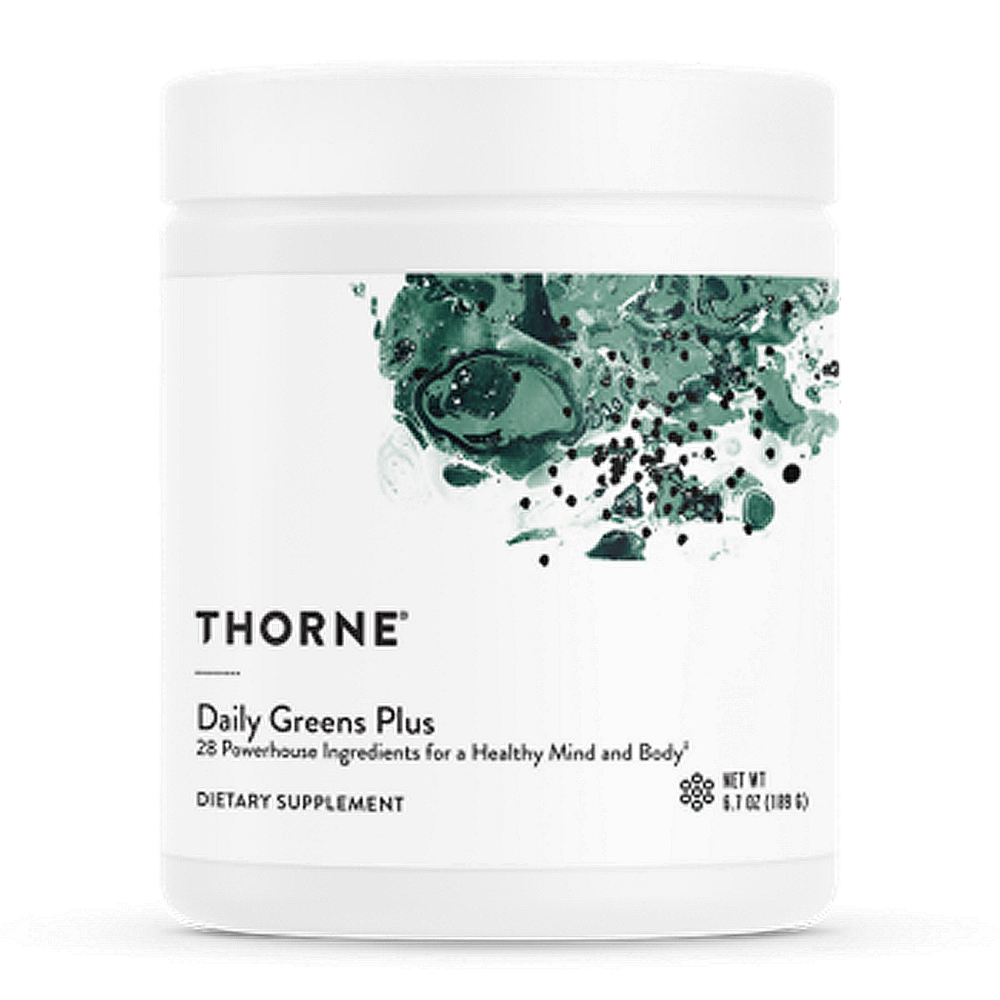
Daily Greens Plus
Thorne
204 grams
$72.00$64.80 with Subscribe & Save
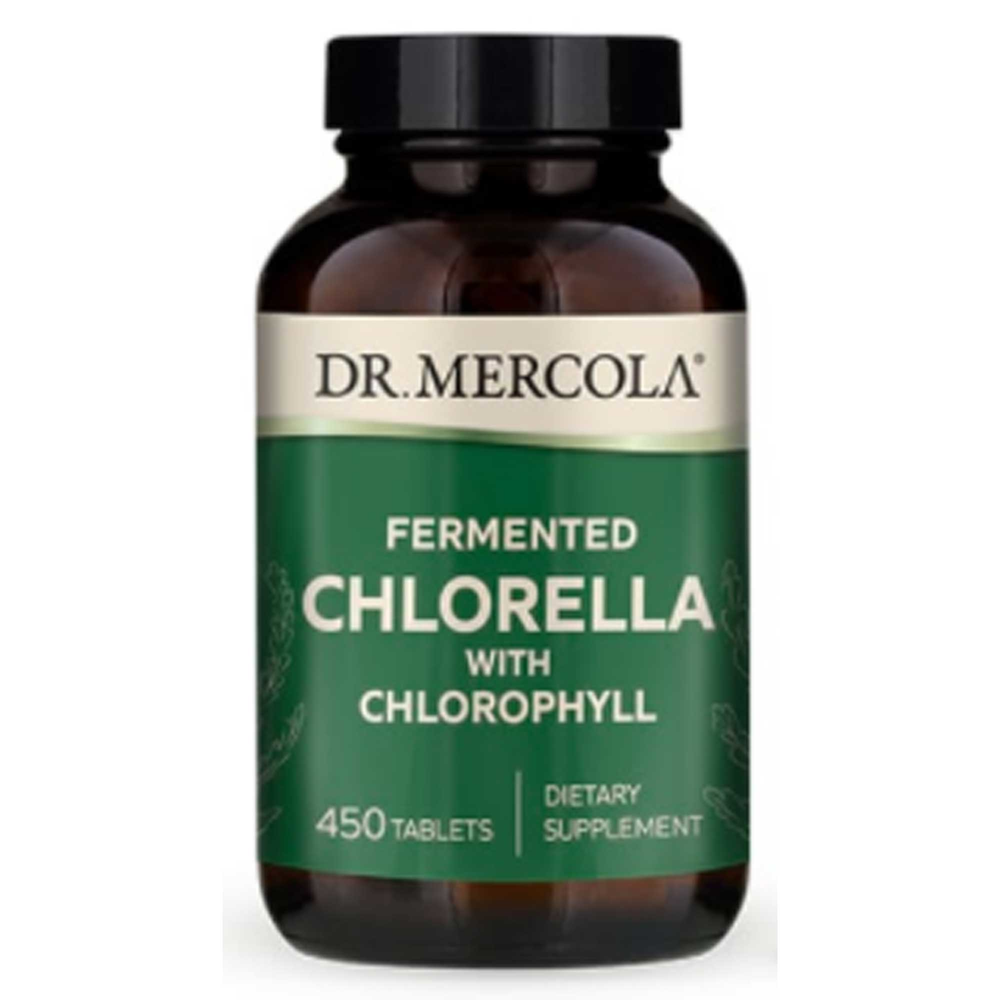
Fermented Chlorella with Chlorophyll
Dr. Mercola
450 tablets
$22.99$17.99 with Subscribe & Save
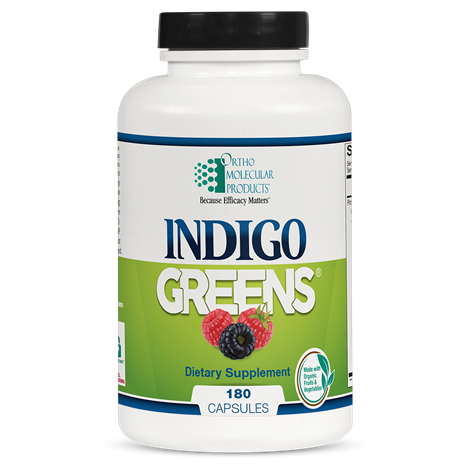
Indigo Greens Capsules
Ortho Molecular Products
180 capsules
$94.85$85.45 with Subscribe & Save
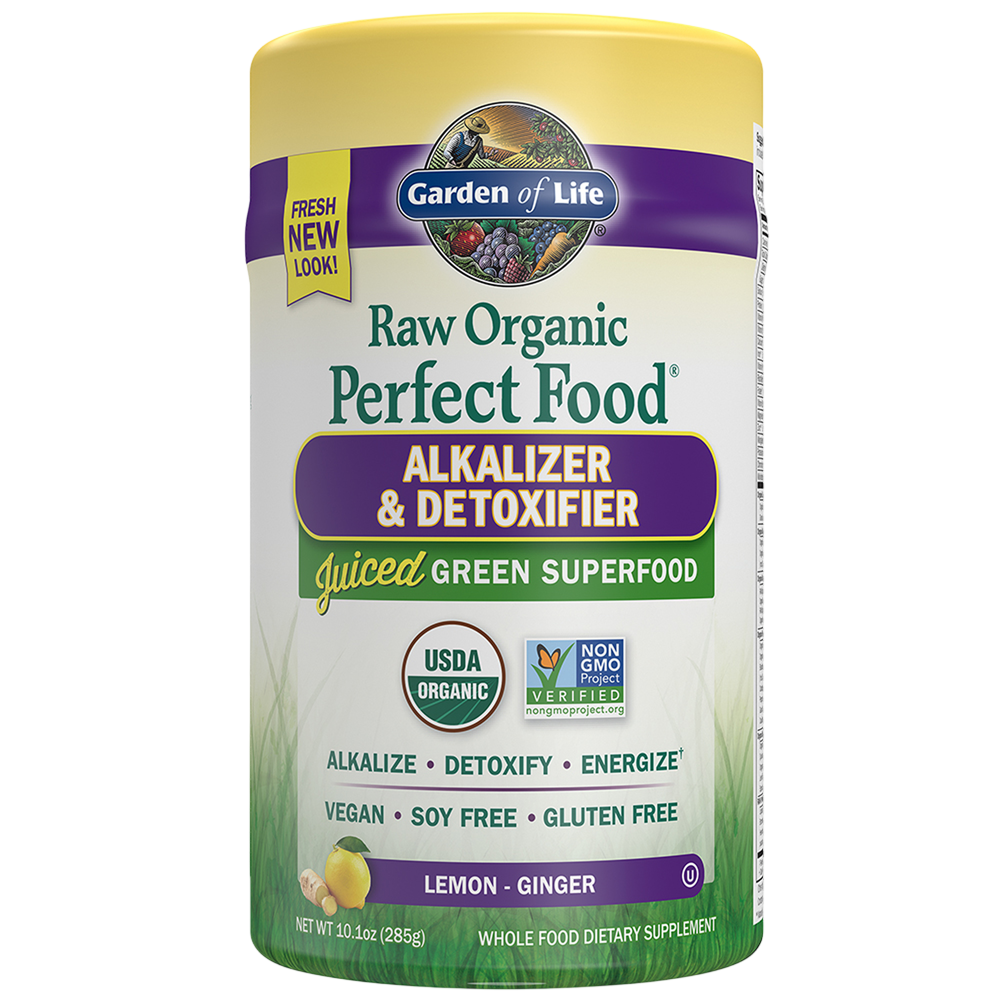
RAW Organic Perfect Food Alkalizer & Detoxifier
Garden of Life
285 grams
$48.99$38.99 with Subscribe & Save