 Instalab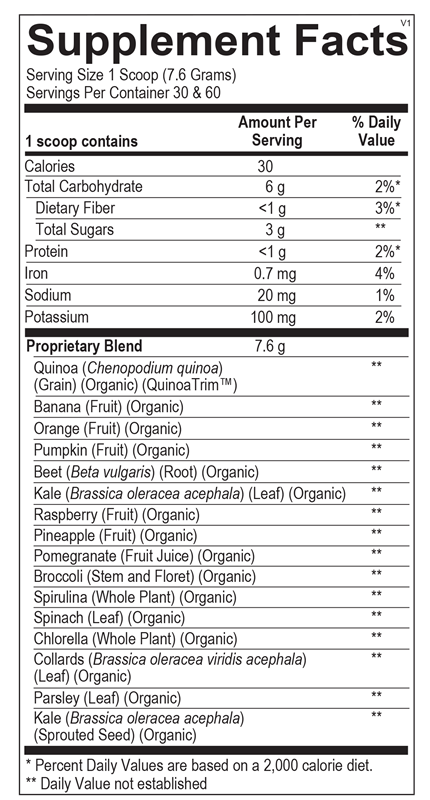
Ortho Molecular Products
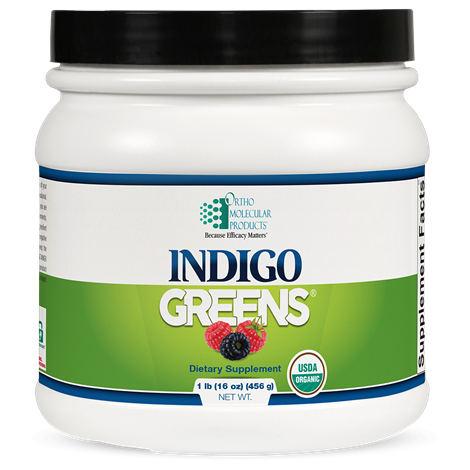
Indigo Greens Powder 7.2 g by Ortho Molecular Products
456 grams · 60-day supply
Nutrient-Dense SuperGreens for Daily Vitality and Wellness$138.81
Purchase options
Practitioner-grade brand3rd-party testedFree shipping $50+
Vegan·Vegetarian·Gluten Free·Corn Free·Yeast Free·Artificial Color Free·
Ortho Molecular Products Indigo Greens Powder overview
Busy weeks with skimpy produce intake are the main reason to use a greens powder. If your food log shows few colorful plants, or you travel often, a daily scoop gives you concentrated polyphenols (the color compounds in plants), minerals, and phytonutrients. It is a backstop, not a replacement for salads and cruciferous vegetables. If your hs-CRP (a blood marker of inflammation) runs high, or your Omega-3 Index is low, prioritize whole-food changes first and use this as an easy add-on.
Plant concentrates in a greens powder deliver polyphenols that act as antioxidants, meaning they help neutralize reactive byproducts of metabolism before they damage cells. Many blends include brassica and berry extracts that upregulate detox enzymes in the liver, which your labs reflect indirectly through steady ALT and AST (liver enzymes) over time. Nitrate-rich greens can also support nitric oxide production, a short-lived signal that relaxes blood vessels and makes exercise feel easier at a given effort.
Mix one scoop with 8 to 10 ounces of water or a smoothie once daily, as Ortho Molecular Products suggests. Morning or early afternoon is easiest to remember. Take with a meal if you notice stomach rumbling on an empty stomach. If you are new to greens powders, start with half a scoop for 3 to 4 days, then move to a full scoop. Give it 2 to 4 weeks to judge digestion and energy.
If you take warfarin, keep your daily vitamin K intake steady; a greens powder can shift it, so loop in your clinician and monitor INR (a blood-thinning test). Those sensitive to FODMAPs (fermentable carbs that can bloat) can start with a smaller serving. If you use thyroid hormone in the morning, separate by at least 4 hours to avoid binders or fiber interfering with absorption.
Skip this if you expect it to fix elevated fasting insulin or triglycerides on its own; diet pattern and exercise drive those markers. If you have a history of kidney stones, especially oxalate stones, emphasize whole-food produce choices known to be lower in oxalate and use caution with concentrated plant powders. Pregnancy and breastfeeding: ingredient lists in proprietary blends vary, so confirm with your obstetric clinician.
Frequently asked questions
Does a greens powder replace eating vegetables?
No. It adds concentrated plant compounds but lacks the water, fiber structure, and fullness of whole vegetables. Use it for coverage on low-produce days while you work toward multiple cups of real vegetables and fruit.
When is the best time to take a greens powder?
Any time you’ll be consistent. Many people take it in the morning. If you get mild bloating on an empty stomach, take it with a meal or split the scoop into two smaller servings.
How long until I notice benefits from a greens powder?
Digestive comfort and regularity changes show up within 1 to 2 weeks. Subtler effects like exercise ease or skin quality often take 3 to 4 weeks. For lab trends like hs-CRP or liver enzymes, reassess after 8 to 12 weeks.
Can I take a greens powder with coffee or protein shakes?
Yes. It mixes well with water, coffee smoothies, or protein shakes. If caffeine upsets your stomach when combined with powders, take the greens with water and have coffee later.
Is a greens powder safe with blood thinners like warfarin?
Be careful. Greens can change vitamin K intake, which affects warfarin dosing. Keep intake consistent and coordinate with your clinician to monitor INR and adjust medication if needed.
Will a greens powder upset my stomach?
Some people get gas or bloating, especially if the blend includes prebiotic fibers. Start with half a scoop for several days, take it with food, and hydrate well. If symptoms persist, discontinue.
Is a greens powder helpful for gut health?
It can help by adding polyphenols that your gut bacteria use as fuel, which can improve regularity and stool form. If you need targeted support for IBS or reflux, choose products studied for those conditions.
How to take it & ingredients
Suggested use: Mix 1 scoop (7.6 grams) of Indigo Greens with 8-10 ounces of the beverage of your choice to the desired thickness, once daily or as recommended by your health care professional.
Active ingredients
7.6 grams per serving · 60 servings
▼
Proprietary Blend
7.2 g
Quinoa (Chenopodium quinoa) (Grain) (Organic) (QuinoaTrim™)
-
Banana (Fruit) (Organic)
-
Orange (Fruit) (Organic)
-
Pumpkin (Fruit) (Organic)
-
Beet (Beta vulgaris) (Root) (Organic)
-
Kale (Brassica oleracea acephala) (Leaf) (Organic)
-
Pineapple (Fruit) (Organic)
-
Raspberry (Fruit) (Organic)
-
Pomegranate (Whole Fruit Juice) (Organic)
-
Broccoli (Stem and Floret) (Organic)
-
Spirulina (Whole Plant) (Organic)
-
Spinach (Leaf) (Organic)
-
Chlorella (Whole Plant) (Organic)
-
Collards (Brassica oleracea viridis acephala) (Leaf) (Organic)
-
Parsley (Leaf) (Organic)
-
Kale (Brassica oleracea acephala) (Sprouted Seed) (Organic)
-
Other ingredients: Rice Maltodextrin (Organic), Natural Flavor (Organic), Rice Flour (Organic), Rebaudioside A (Organic)
Certifications
Benefits
Warnings
Customers also considered
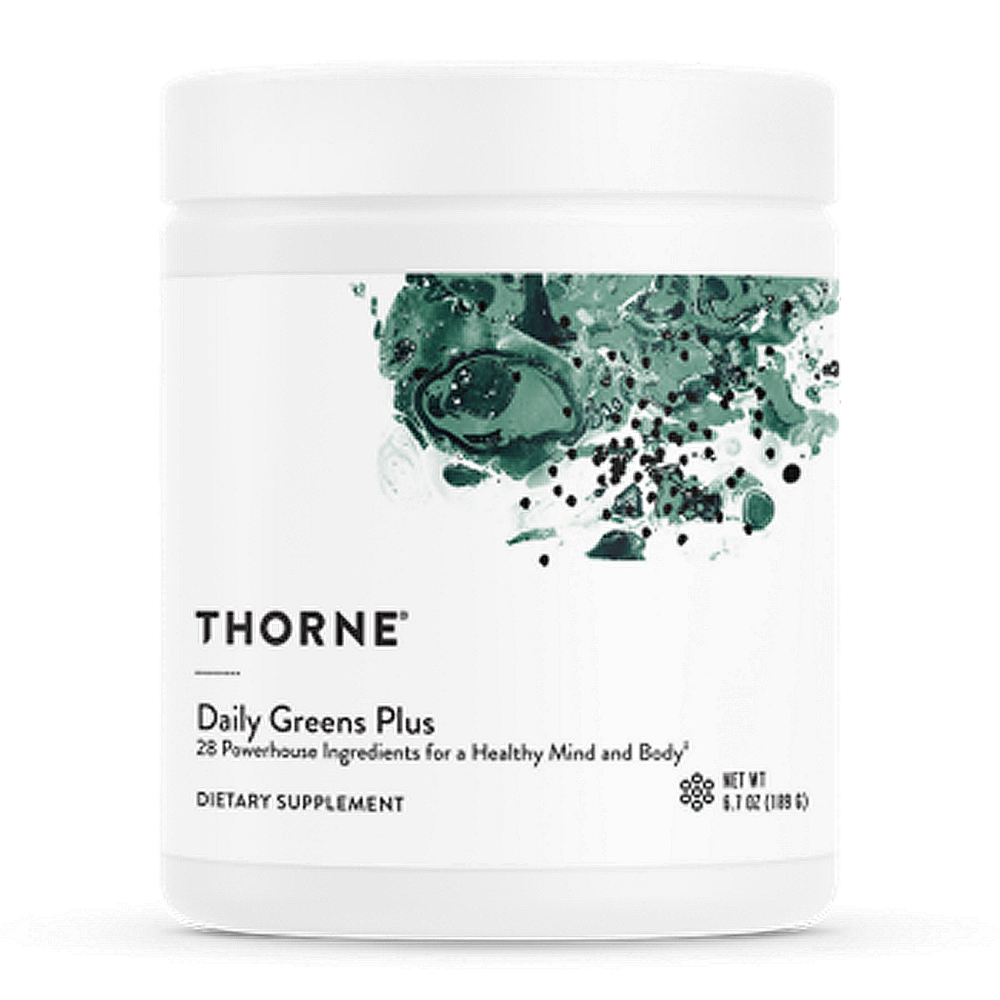
Daily Greens Plus
Thorne
204 grams
$72.00$64.80 with Subscribe & Save
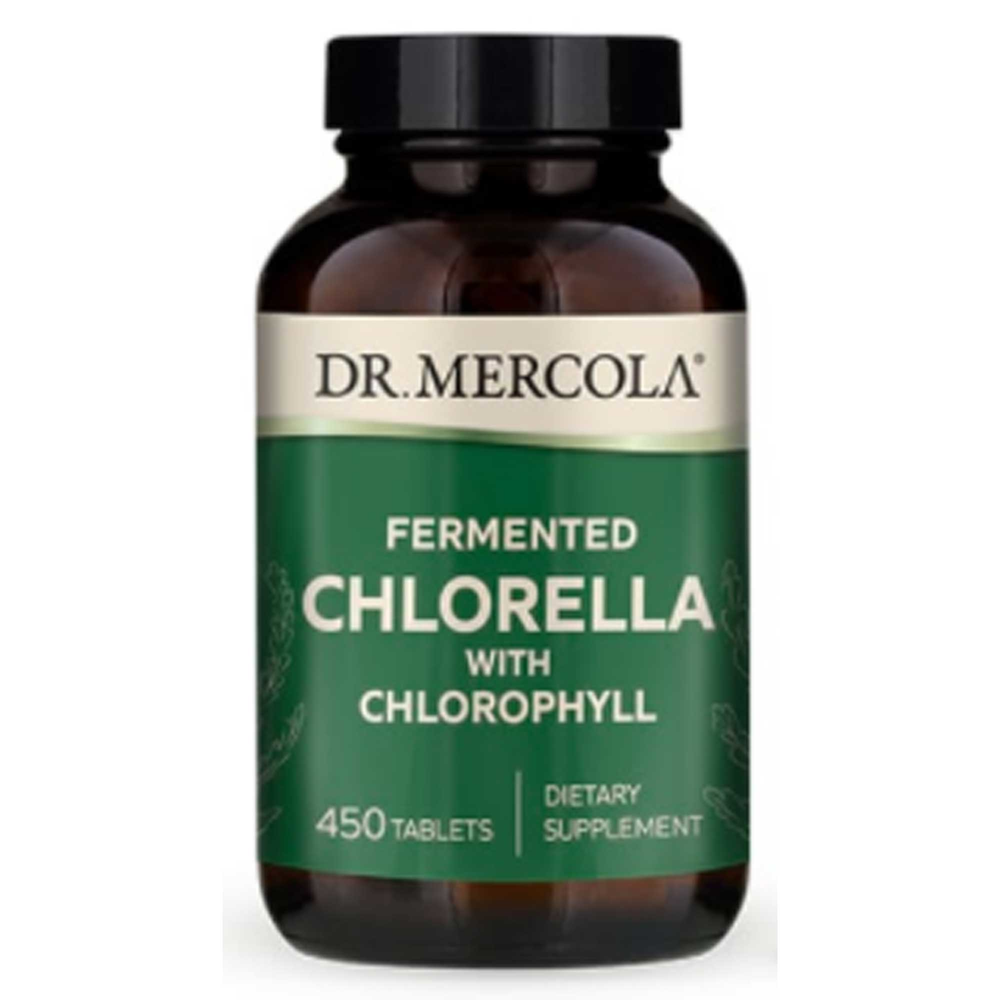
Fermented Chlorella with Chlorophyll
Dr. Mercola
450 tablets
$22.99$17.99 with Subscribe & Save
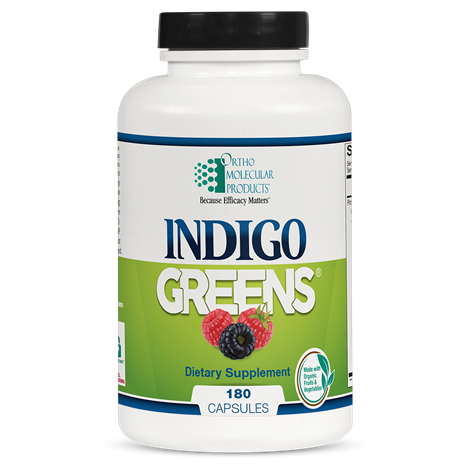
Indigo Greens Capsules
Ortho Molecular Products
180 capsules
$94.85$85.45 with Subscribe & Save
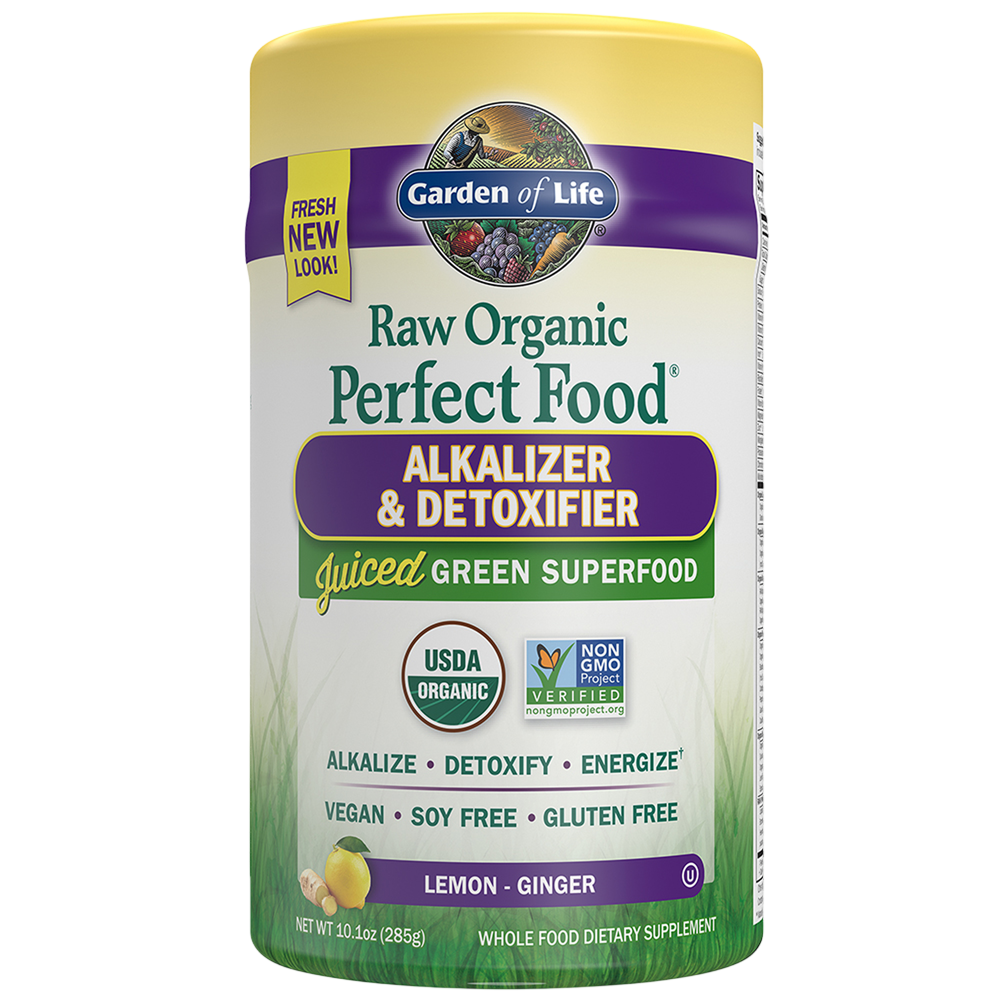
RAW Organic Perfect Food Alkalizer & Detoxifier
Garden of Life
285 grams
$48.99$38.99 with Subscribe & Save