 Instalab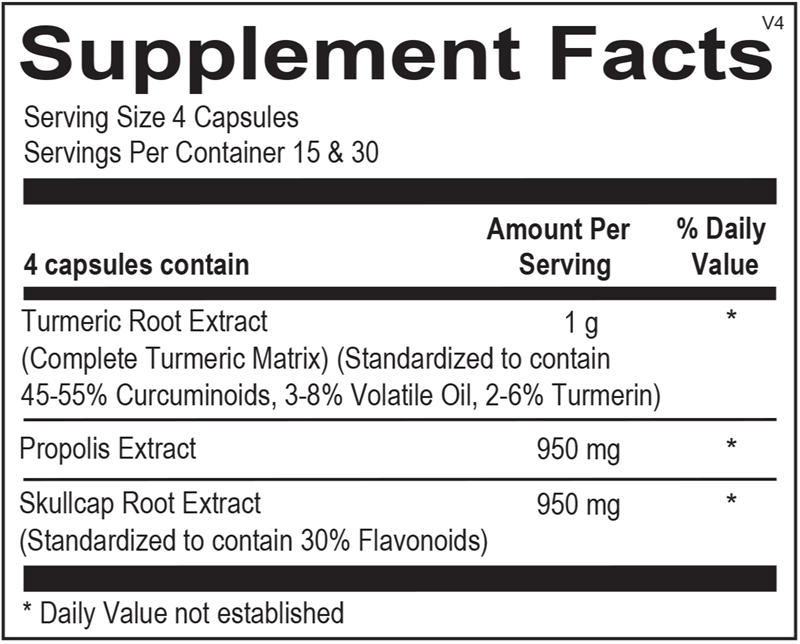
Ortho Molecular Products
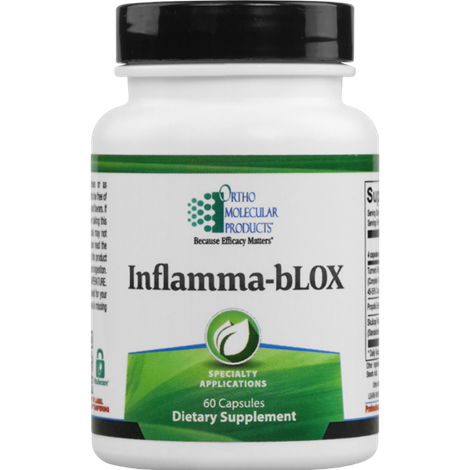
Inflamma-bLOX by Ortho Molecular Products
120 capsules · 30-day supply
Comprehensive Support for Inflammation and Overall Wellness$94.85
Purchase options
Practitioner-grade brand3rd-party testedFree shipping $50+
Ortho Molecular Products Inflamma-bLOX overview
If your hs-CRP (a blood marker of whole‑body inflammation) runs high or your joints feel achy after training or long workdays, this anti-inflammatory blend is a practical fit. It pairs turmeric/curcumin with skullcap (Scutellaria baicalensis) and bee propolis, aiming for measurable changes within 4 to 12 weeks. It’s most useful for adults with diet- or exercise-related inflammation, or those with metabolic strain like elevated Triglycerides. If you need fast pain relief, stay with your clinician’s plan; botanicals work more gradually.
Turmeric extract here is a “complete matrix,” supplying curcuminoids plus volatile oils and turmerin protein, which helps absorption compared to plain powder. Curcuminoids dial down NF‑κB (a master switch for inflammatory genes) and temper COX‑2 and 5‑LOX (enzymes that make pain-signaling fats). Skullcap’s baicalin and baicalein add complementary calming of cytokines (immune signals that drive swelling). Bee propolis brings polyphenols that nudge the same pathways. In responders, hs-CRP and joint stiffness often ease modestly over weeks, not days.
Use 4 capsules daily in divided doses with meals, per the label. Taking with food that contains some fat helps curcumin absorption and reduces stomach upset. Many start with half the dose for a week, then increase. Expect steady effects after 2 to 8 weeks; hold the routine for at least one refill before judging. You can pair it with omega‑3 or magnesium if those are part of your plan.
Skip if you’re allergic to bees or propolis, or if you have gallstones or bile duct blockage, since turmeric can stimulate bile flow. Use caution with anticoagulants or antiplatelet drugs, as turmeric and propolis have mild blood‑thinning effects; discuss with your clinician before combining. Rare liver injury has been reported with concentrated turmeric extracts; stop and check liver enzymes (ALT, AST) if you notice dark urine, itching, or right‑upper abdominal pain. Pregnancy and breastfeeding: avoid unless your obstetric clinician approves.
Frequently asked questions
How long does turmeric for inflammation take to work?
Most people need 2–8 weeks for joint comfort changes and 4–12 weeks to see shifts in hs-CRP. It’s not a same-day effect like an NSAID. Take it consistently with meals.
Can I take this with ibuprofen or other NSAIDs?
Often yes, but check with your clinician. Turmeric, skullcap, and propolis have mild blood‑thinning effects, which can add to NSAID bleeding risk, especially at higher doses.
Should I take turmeric with food or on an empty stomach?
With food. Curcumin is fat‑soluble, so a meal with some fat improves absorption and lowers the chance of stomach upset.
Which labs can I track to see if it’s working?
hs-CRP is the most practical inflammation marker to follow. Some also track Triglycerides if metabolic inflammation is a concern. Recheck after 8–12 weeks of steady dosing.
Is bee propolis safe if I have allergies?
Avoid it if you’re allergic to bees, bee products, or balsam of Peru. Propolis can trigger contact or systemic reactions in sensitized people.
Does turmeric affect blood thinners like warfarin?
It can. Turmeric and propolis have mild antiplatelet effects, and case reports note interactions with warfarin. Speak with your prescriber and monitor INR if you proceed.
Is there a risk to my liver with curcumin supplements?
Rare cases of liver injury have been reported with concentrated turmeric extracts. If you develop dark urine, itching, or right‑upper abdominal pain, stop and get liver tests (ALT, AST).
Can I use this during pregnancy or breastfeeding?
Best to avoid unless your obstetric clinician approves. Data in pregnancy and lactation are limited, and propolis and high-dose curcumin are usually paused.
How to take it & ingredients
Suggested use: 4 capsules per day in divided doses or as recommended by your health care professional.
Active ingredients
4 capsules per serving · 30 servings
Skullcap Root Extract
An extract of the root of Scutellaria baicalensis
An extract of the root of Scutellaria baicalensis
950 mg
Bee Propolis Extract
950 mg
Turmeric Root Extract (Complete Turmeric Matrix)
Standardized to contain 45%-55% curcuminoids, 2%-6% turmerin protein and 3%-8% volatile oil
Standardized to contain 45%-55% curcuminoids, 2%-6% turmerin protein and 3%-8% volatile oil
1000 mg
Benefits
Warnings
Customers also considered
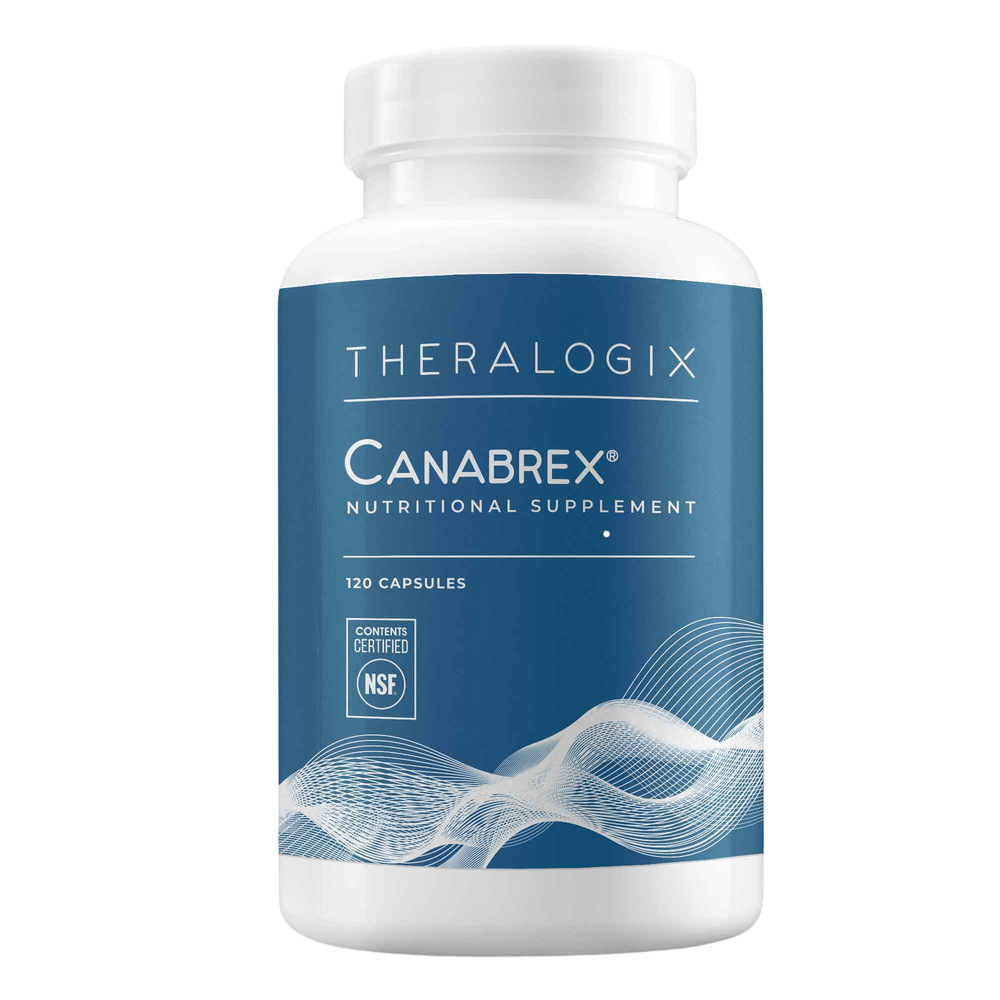
Canabrex
Theralogix
120 capsules
$92.99$73.99 with Subscribe & Save
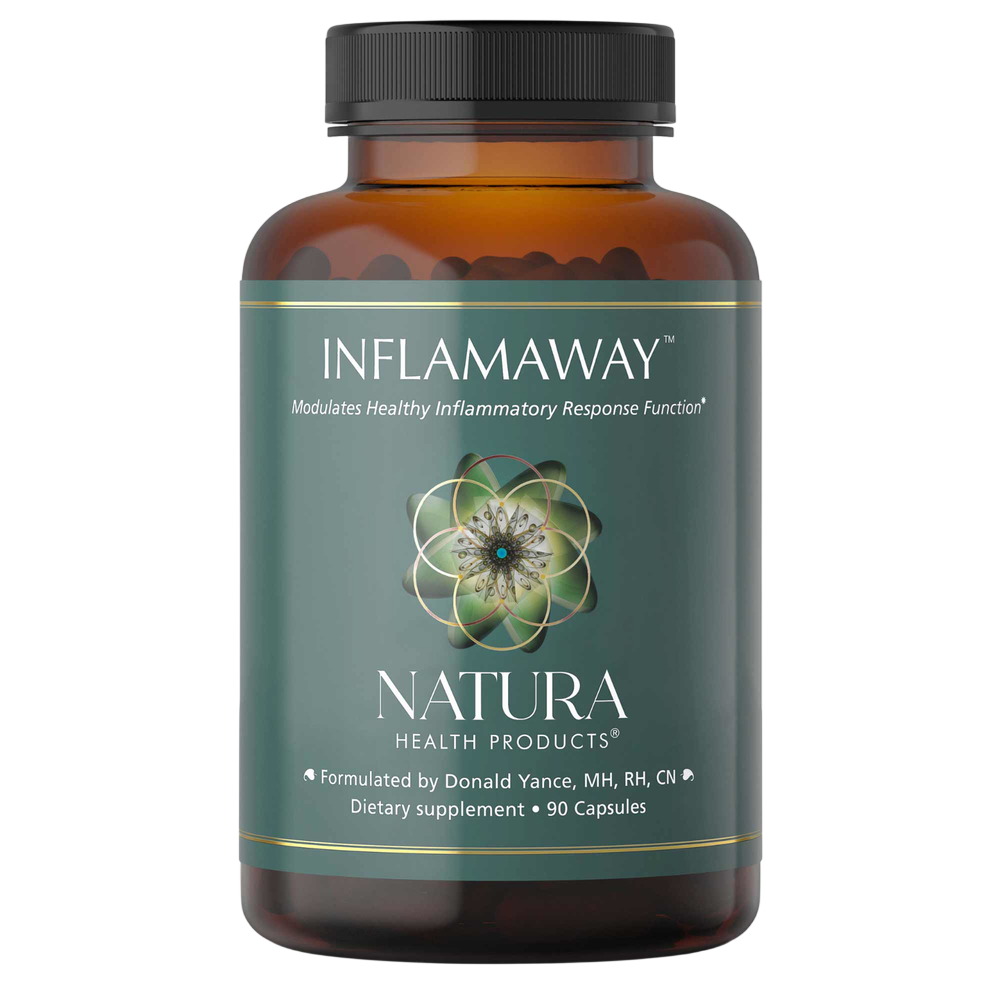
INFLAMAWAY
Natura Health Products
90 capsules
$67.99$53.99 with Subscribe & Save
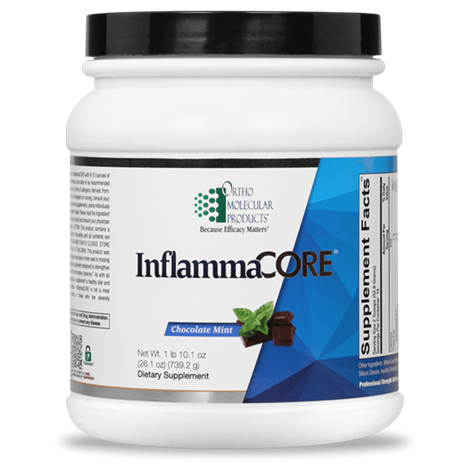
InflammaCORE® Chocolate Mint
Ortho Molecular Products
739.2 grams
$105.39$94.95 with Subscribe & Save
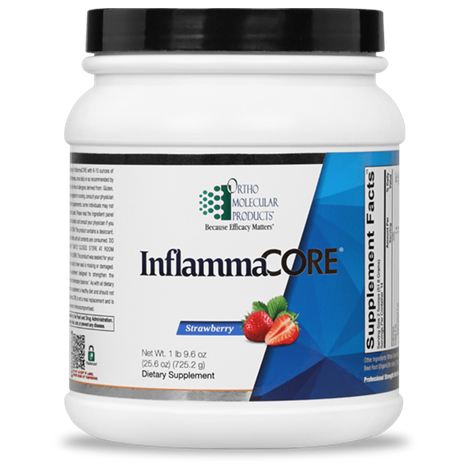
InflammaCORE® Strawberry
Ortho Molecular Products
725.2 grams
$105.39$94.95 with Subscribe & Save