 Instalab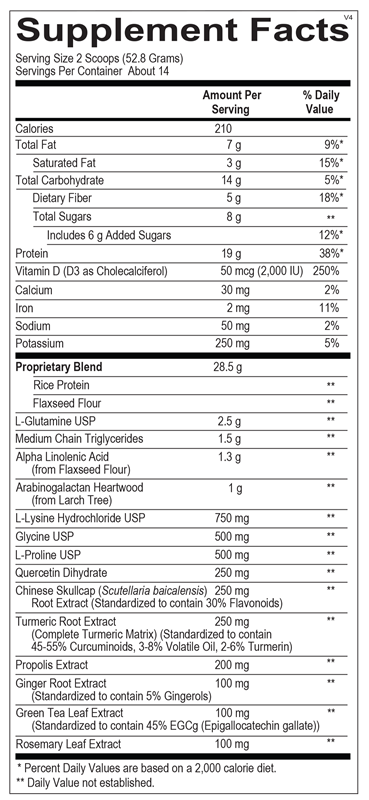
Ortho Molecular Products
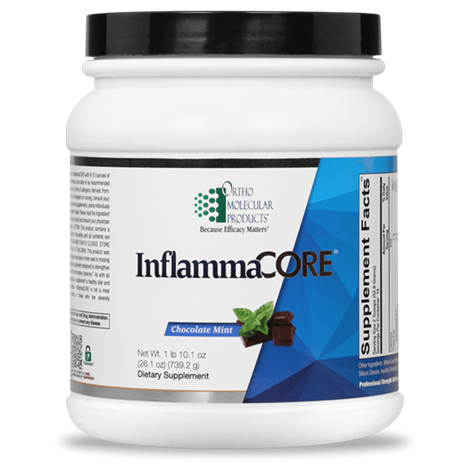
InflammaCORE® Chocolate Mint by Ortho Molecular Products
739.2 grams · 14-day supply
Delicious Chocolate Mint Blend for Inflammation Support and Recovery$105.39
Purchase options
Practitioner-grade brand3rd-party testedFree shipping $50+
Gluten Free·Yeast Free·Artificial Color Free·Artificial Flavor Free
Ortho Molecular Products InflammaCORE® Chocolate Mint overview
This is a fit if you want an anti-inflammatory protein powder that also covers daily micronutrients and gut support. It suits elimination-diet phases, athletes with nagging joint soreness, or anyone tracking hs-CRP (a blood marker of systemic inflammation) who wants a food-like approach. The included vitamin D3 is a maintenance-level 2,000 IU; if your Vitamin D, 25-Hydroxy is meaningfully low, you’ll usually need a higher repletion dose under clinician guidance, then step down.
Curcumin, ginger, skullcap flavonoids, quercetin, and green tea EGCG act on NF-kB (a cellular switch that turns on inflammatory genes), which explains modest drops in hs-CRP and improvements in joint comfort seen in responders over 4 to 12 weeks. L-glutamine fuels intestinal cells and can strengthen the gut barrier, while arabinogalactan is a prebiotic fiber that feeds beneficial microbes. MCTs provide easy-to-burn energy, and flax alpha-linolenic acid adds plant omega-3 precursors.
Mix two scoops with 8–10 oz of water or milk of choice once daily. Take with food, which also improves vitamin D3 absorption. If sensitive to green tea extracts, use earlier in the day. As a light meal, add extra calories from fruit, nut butter, or yogurt. Use daily for 4 to 12 weeks, then re-check hs-CRP and Vitamin D, 25-Hydroxy to see if you’re on target.
If you take blood thinners (warfarin, apixaban, rivaroxaban) or daily aspirin/clopidogrel, ask your clinician first; turmeric, ginger, and EGCG can increase bleeding risk. History of gallstones or bile duct blockage, avoid turmeric-heavy blends. Prior liver issues with green tea extracts, take with food and stop if you notice dark urine or jaundice. Bee-product allergy, skip due to propolis. Pregnancy or breastfeeding, avoid concentrated herb blends unless cleared by your clinician.
Frequently asked questions
How long until I notice less joint soreness?
Most people who respond notice a difference within 4–12 weeks. That timeline matches how long it usually takes for changes in hs-CRP and for curcumin- and quercetin-rich formulas to affect symptoms.
Can this be a meal replacement?
It can stand in for a light meal, but 19 g protein is often not filling alone. Add fruit, oats, or nut butter for carbs and fats if you use it as a full meal, especially around training.
Does it contain caffeine from green tea extract?
Green tea extracts standardized for EGCG are typically very low in caffeine. Most users do not feel stimulant effects, but if you’re sensitive, take it earlier in the day.
Is anti-inflammatory protein powder safe with blood thinners?
Use caution. Turmeric, ginger, and EGCG can increase bleeding risk when combined with warfarin or antiplatelets. Check with your prescriber before starting and monitor for bruising or bleeding.
Any common side effects to watch for?
Mild bloating, nausea, or loose stools can occur, especially if taken on an empty stomach. Rarely, green tea extracts can irritate the liver; take with food and stop if you feel unwell or notice dark urine.
When should I take it around workouts?
Pre or post-workout both work. Many take it after training with carbs for recovery. If you’re sensitive to green tea extracts, avoid taking it right before evening workouts.
Is this vegan or dairy-free?
It contains propolis, a bee-derived ingredient, so it is not vegan. For dairy or soy concerns, check the allergen panel on your tub, since protein sources can vary by lot.
Will this raise my vitamin D level?
It provides 2,000 IU of vitamin D3, which is a common maintenance dose. If your Vitamin D, 25-Hydroxy is low, you may need a higher short-term dose from a separate D3 supplement.
How to take it & ingredients
Suggested use: Mix 2 scoops of InflammaCORE with 8-10 ounces of the beverage of your choice to the desired thickness, once daily or as recommended by your health care professional.
Active ingredients
52.8 grams per serving · 14 servings
Protein
19 g
Vitamin D
D3 as Cholecalciferol
D3 as Cholecalciferol
50 mcg, 2000 IU
Calcium
30 mg
Iron
2 mg
Sodium
50 mg
Potassium
250 mg
▼
Proprietary Blend
28.5 g
Rice Protein
-
Flaxseed Flour
-
L-Glutamine USP
2.5 g
Medium Chain Triglycerides
1.5 g
Alpha Linolenic Acid (from Flaxseed Flour)
1.3 g
Arabinogalactan Heartwood (from Larch Tree)
1 g
L-Lysine Hydrochloride USP
750 mg
Glycine USP
500 mg
L-Proline USP
500 mg
Quercetin Dihydrate
250 mg
Chinese Skullcap (Scutellaria baicalensis) Root Extract
Standardized to contain 30% Flavonoids
Standardized to contain 30% Flavonoids
250 mg
Turmeric Root Extract (Complete Turmeric Matrix)
Standardized to contain 45-55% Curcuminoids, 3-8% Volatile Oil, 2-6% Turmerin
Standardized to contain 45-55% Curcuminoids, 3-8% Volatile Oil, 2-6% Turmerin
250 mg
Propolis Extract
200 mg
Ginger Root Extract
Standardized to contain 5% Gingerols
Standardized to contain 5% Gingerols
100 mg
Green Tea Leaf Extract
Standardized to contain 45% EGCg (Epigallocatechin gallate)
Standardized to contain 45% EGCg (Epigallocatechin gallate)
100 mg
Rosemary Leaf Extract
100 mg
Other ingredients: Whole Grain Brown Rice Sweetener (Oryza™), Cocoa processed with alkali, Natural Flavors, Silicon Dioxide, Guar Gum, Ascorbyl Palmitate, Gum Acacia, Xanthan Gum, Rebaudioside A (Organic)
Certifications
Benefits
Warnings
Customers also considered
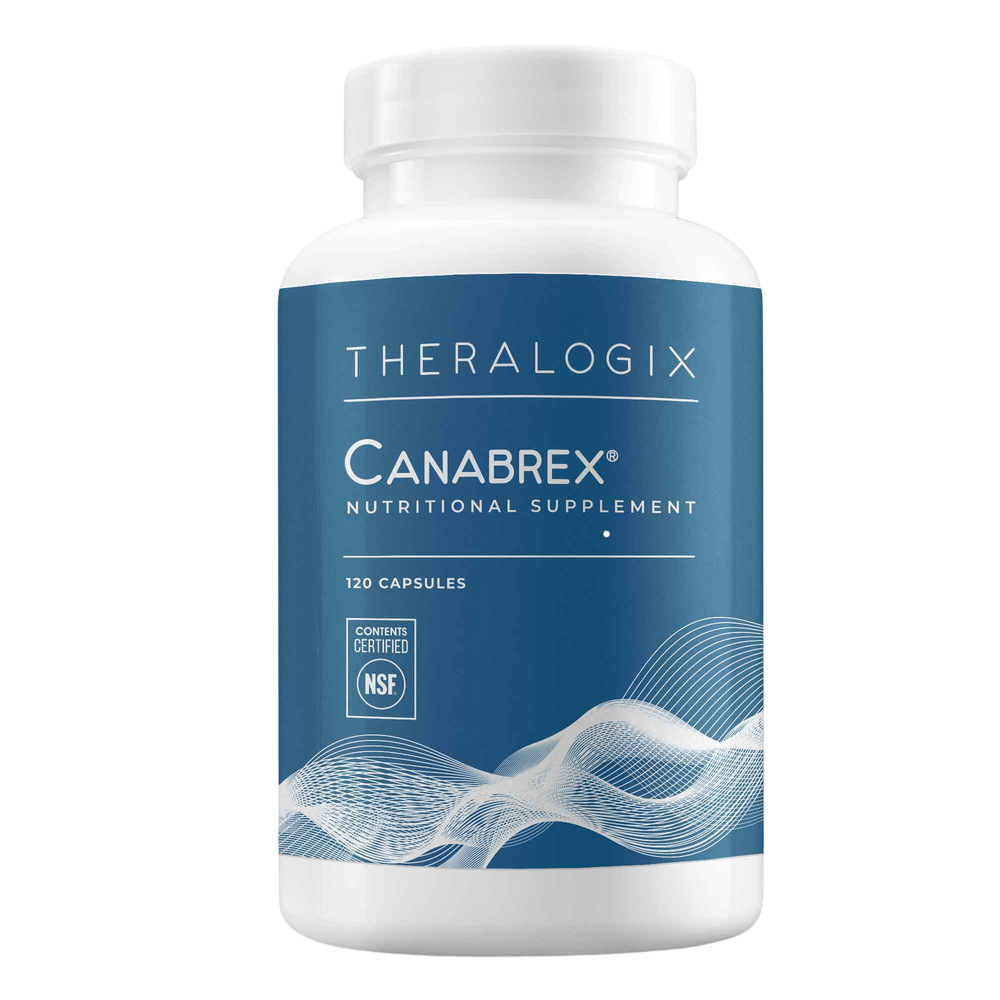
Canabrex
Theralogix
120 capsules
$92.99$73.99 with Subscribe & Save
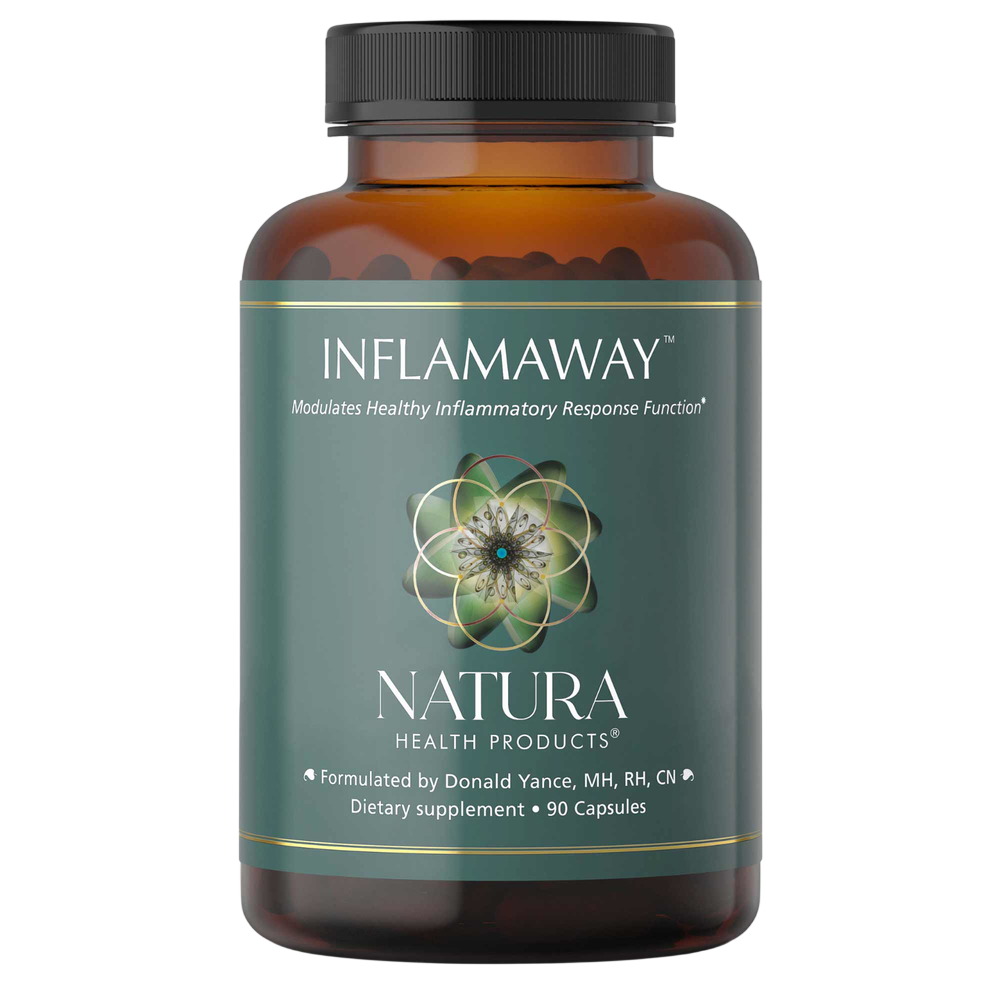
INFLAMAWAY
Natura Health Products
90 capsules
$67.99$53.99 with Subscribe & Save
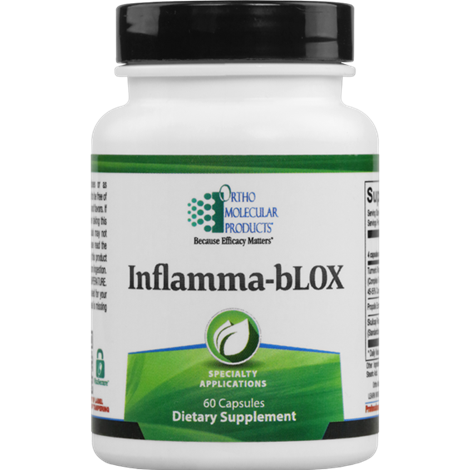
Inflamma-bLOX
Ortho Molecular Products
60 capsules
$58.89$53.05 with Subscribe & Save
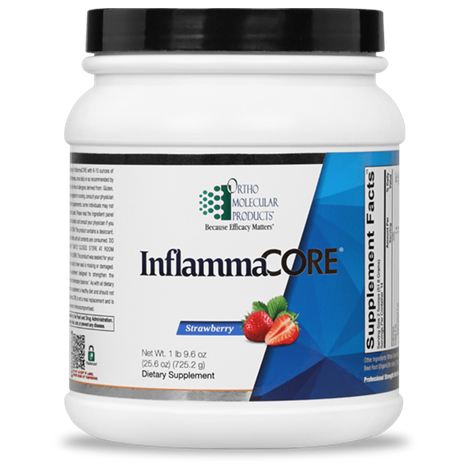
InflammaCORE® Strawberry
Ortho Molecular Products
725.2 grams
$105.39$94.95 with Subscribe & Save