 Instalab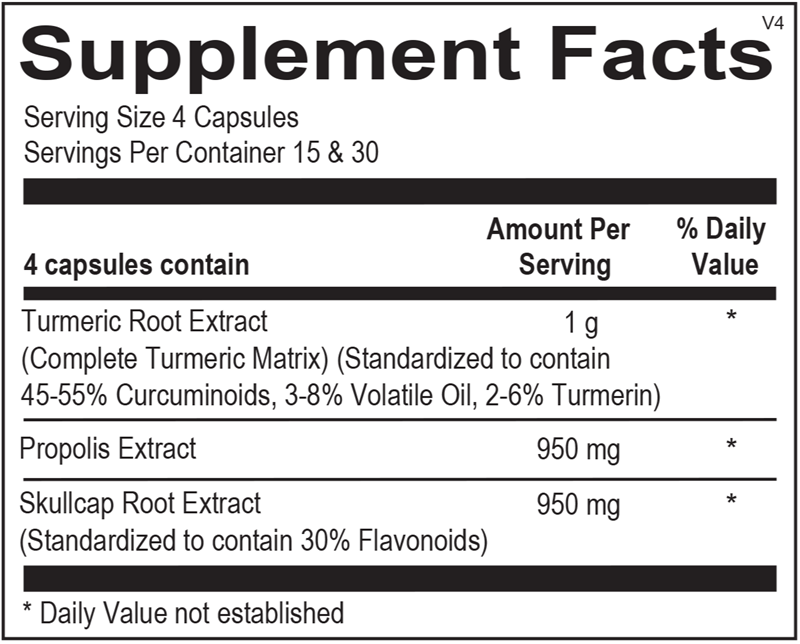
Ortho Molecular Products
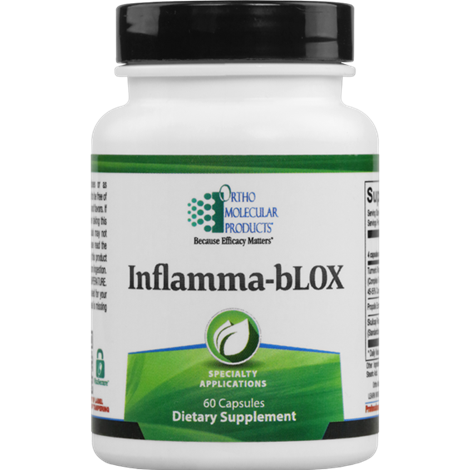
Inflamma-bLOX by Ortho Molecular Products
60 capsules · 15-day supply
Comprehensive Support for Inflammation and Overall Wellness$58.89
Purchase options
Practitioner-grade brand3rd-party testedFree shipping $50+
Ortho Molecular Products Inflamma-bLOX overview
If your hs-CRP (a blood marker of systemic inflammation) runs high or your joints feel achy after workouts or long days at a desk, a turmeric-based anti-inflammatory can be a practical next step. This blend fits people who do not tolerate frequent NSAIDs and those with sore knees, hands, or a stiff back. Vegans and non-fish eaters who are not using omega-3s may also notice benefit, since turmeric works on different pathways than fish oil. If pain is severe or progressive, see a clinician first to rule out structural problems.
The turmeric extract here supplies curcuminoids, which downshift the cell signals that drive inflammatory cytokines (the chemical messengers that amplify inflammation) and nudge COX and LOX enzymes, the makers of prostaglandins and leukotrienes that sensitize pain. The “complete turmeric matrix” includes native oils and turmerin protein for better absorption than plain curcumin powder, without relying on piperine. Skullcap root (rich in baicalin) adds additional COX/LOX quieting and antioxidant activity. Bee propolis brings polyphenols that modulate immune activity and may calm throat and airway irritation during cold season.
Take four capsules per day in divided doses with meals, as the manufacturer suggests. Fat from food improves turmeric uptake and reduces stomach upset. Most people notice easier joint movement within 1 to 2 weeks, with fuller effects by 4 to 8 weeks. If you already use omega-3 or glucosamine, they can be taken alongside this. For stubborn morning stiffness, split breakfast and dinner. If you miss a dose, do not double up.
Curcuminoids can have mild blood-thinning effects, so use caution with warfarin, apixaban, clopidogrel, or daily aspirin, and pause 1 week before surgery unless your surgeon approves. Avoid if you have a known allergy to bees, honey, or propolis. People with gallstones or bile duct issues should check with a clinician because turmeric can increase bile flow. Rare liver injury has been reported with some skullcap products, often from adulteration; avoid if you have active liver disease and monitor ALT and AST (liver enzymes) if you are concerned. Not for pregnancy or nursing without medical advice.
Frequently asked questions
How long does turmeric for inflammation take to work?
Most people feel less stiffness within 1–2 weeks. Blood markers like hs-CRP often take 4–8 weeks to shift. Take it consistently with meals for best absorption.
Does turmeric thin your blood?
Turmeric and curcumin can have mild antiplatelet effects. If you take blood thinners like warfarin, apixaban, clopidogrel, or daily aspirin, talk to your clinician first.
Can I take this with ibuprofen or naproxen?
They can be combined short term, but both influence bleeding risk and stomach lining. Use the lowest effective NSAID dose, take with food, and discuss regular combined use.
Is propolis safe if I’m allergic to bees or honey?
No. Avoid propolis if you have a bee, bee-product, or propolis allergy. It can trigger mouth, skin, or airway reactions in sensitized individuals.
Is skullcap safe for the liver?
Quality matters. Rare liver injury reports were often due to adulteration with unrelated herbs. If you have liver disease, avoid or monitor ALT and AST with your clinician.
Should I take turmeric with food or on an empty stomach?
With food. Dietary fat improves absorption of curcuminoids and reduces the chance of nausea or reflux compared with taking it on an empty stomach.
Will this help my lab tests?
In responders, hs-CRP can trend down over 4–8 weeks. If you track labs, recheck hs-CRP on a stable routine. Pain scores and morning stiffness often improve sooner.
Is this turmeric formula safe in pregnancy or while breastfeeding?
Data are limited for high-dose turmeric, skullcap, and propolis in pregnancy and lactation. Avoid unless your obstetric clinician specifically recommends it.
How to take it & ingredients
Suggested use: 4 capsules per day in divided doses or as recommended by your health care professional.
Active ingredients
4 capsules per serving · 15 servings
Skullcap Root Extract
An extract of the root of Scutellaria baicalensis
An extract of the root of Scutellaria baicalensis
950 mg
Bee Propolis Extract
950 mg
Turmeric Root Extract (Complete Turmeric Matrix)
Standardized to contain 45%-55% curcuminoids, 2%-6% turmerin protein and 3%-8% volatile oil
Standardized to contain 45%-55% curcuminoids, 2%-6% turmerin protein and 3%-8% volatile oil
1000 mg
Benefits
Warnings
Customers also considered
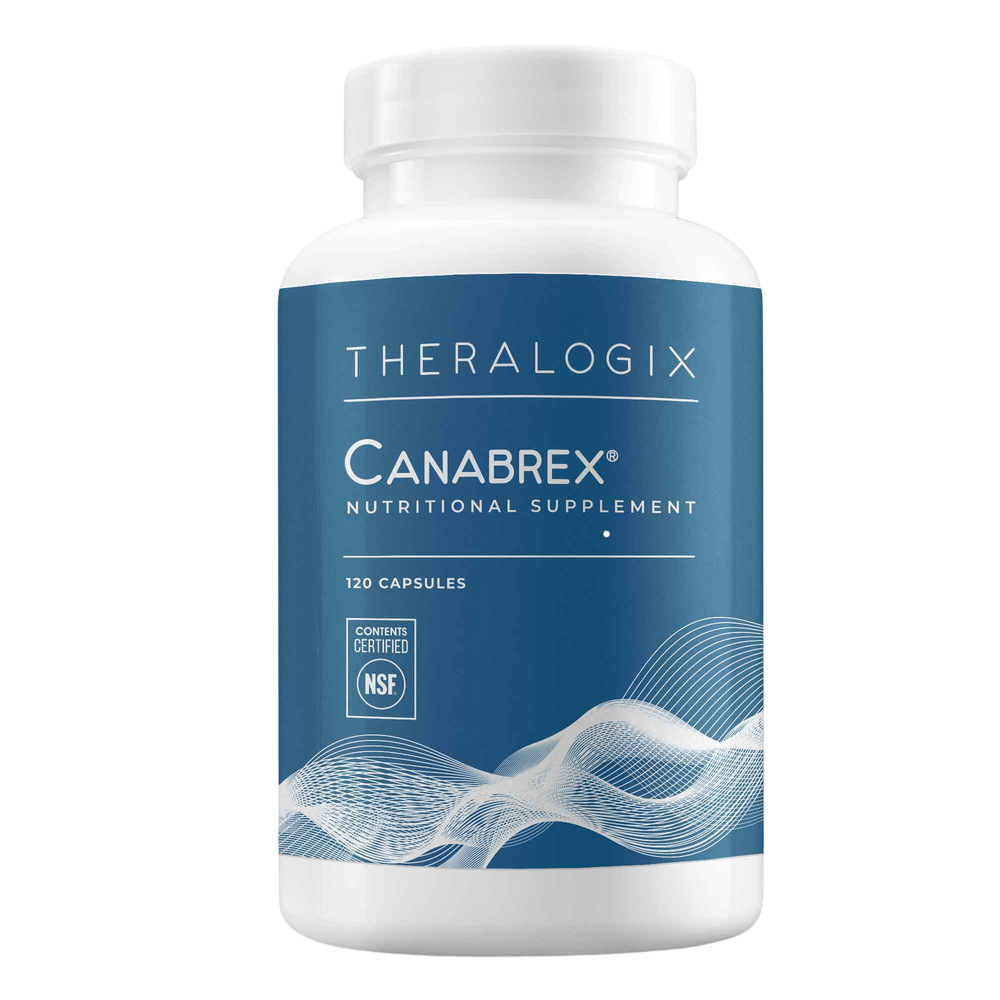
Canabrex
Theralogix
120 capsules
$92.99$73.99 with Subscribe & Save
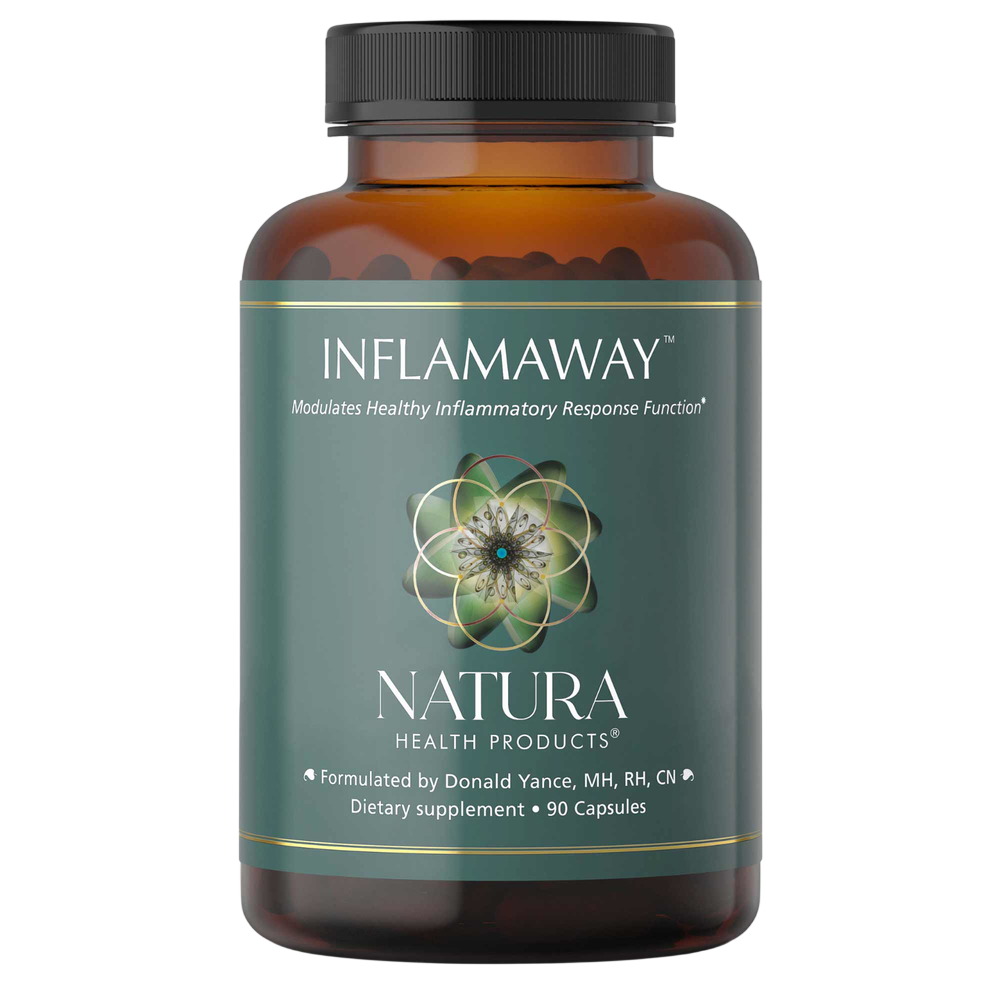
INFLAMAWAY
Natura Health Products
90 capsules
$67.99$53.99 with Subscribe & Save
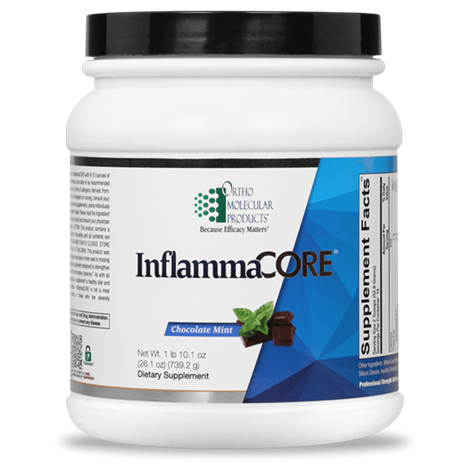
InflammaCORE® Chocolate Mint
Ortho Molecular Products
739.2 grams
$105.39$94.95 with Subscribe & Save
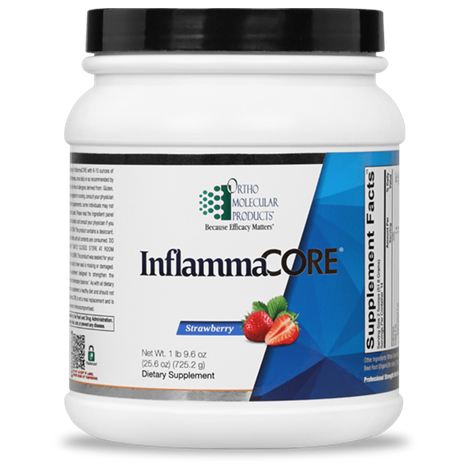
InflammaCORE® Strawberry
Ortho Molecular Products
725.2 grams
$105.39$94.95 with Subscribe & Save