 Instalab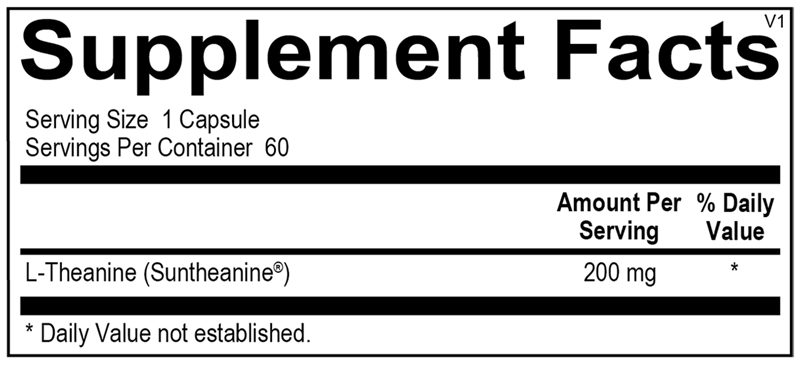
Ortho Molecular Products
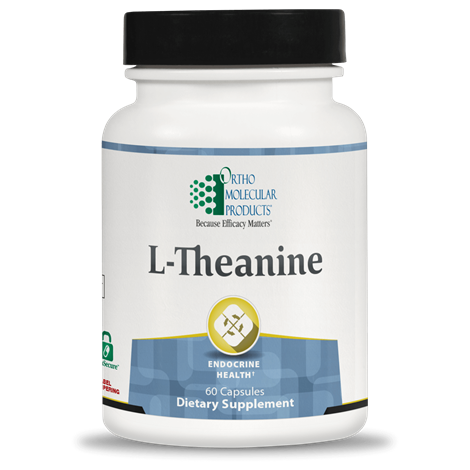
L-Theanine 200 mg by Ortho Molecular Products
60 capsules · 60-day supply
Promotes Relaxation and Mental Clarity for Everyday Calm$XX.XX$58.44retail
Purchase option
10% below MSRP3rd-party tested for purity & potencyFree shipping $50+
Vegan·Vegetarian·Gluten Free·Corn Free·Yeast Free·Artificial Color Free·
Ortho Molecular Products L-Theanine overview
If you’re considering L-theanine for anxiety, this 200 mg dose fits people who want calm without sedation and who still need to think clearly. It’s useful if coffee makes you jittery, during high-focus work, or before presentations. Effects are felt within an hour, with steadier stress scores in 2–4 weeks. Severe or persistent anxiety deserves clinician care, not a supplement-first plan.
L-theanine crosses into the brain and modulates glutamate (the main excitatory signal) while nudging GABA (the main calming signal) and dopamine (motivation and reward). That combination produces more alpha brain waves (the relaxed-alert pattern seen on EEG, a brain activity test). In practice, people describe feeling calmer but mentally clear, and caffeine feels smoother with fewer palpitations.
Take one capsule daily, with or without food. For situational stress, use 30–60 minutes before the event. For focus, pair L-theanine 200 mg with a modest caffeine dose (about 50–150 mg), as studied in attention tasks. For sleep, take in the early evening; it’s calming rather than sedating. If once daily wears off, some adults use 200 mg twice daily.
L-theanine can mildly lower blood pressure; if you’re on antihypertensives, check home readings and discuss with your clinician. It can blunt stimulant “edge,” which some people on prescription stimulants notice. It’s generally compatible with SSRIs (antidepressants), but anyone under treatment for anxiety, bipolar disorder, or seizures should clear it with their prescriber first. Pregnancy and breastfeeding: avoid due to limited data.
Skip this for panic attacks, severe depression, or alcohol withdrawal; you need medical treatment plans, not nutraceuticals. If you feel lightheaded with low-normal blood pressure, L-theanine can worsen that. Green tea extract concerns don’t apply here, but if you’ve had liver issues from supplements, introduce any new product carefully and monitor symptoms.
Frequently asked questions
How long does L-theanine take to work?
Most people feel calmer within 30–60 minutes of a dose. For steadier benefits on stress and attention, take it daily and reassess in 2–4 weeks.
Does L-theanine make you sleepy?
No, it relaxes without sedation for most users. Many take it during the day for clear-headed calm. For sleep, use in the evening to ease wind-down.
Can I take L-theanine with caffeine?
Yes. L-theanine plus caffeine often improves focus and reduces jitters. Common pairings are 200 mg theanine with 50–150 mg caffeine from coffee or tea.
What’s the best L-theanine dosage?
200 mg is the standard single dose. Some adults use 100–200 mg up to twice daily. Higher intakes aren’t clearly better; titrate to the lowest effective dose.
Is L-theanine safe to take every day?
Generally yes, and it’s considered GRAS (safe) by the FDA. Side effects are uncommon and mild: headache, lightheadedness, or stomach upset in some users.
Can I take L-theanine with antidepressants or anxiety meds?
Usually, but check with your prescriber. It’s commonly combined with SSRIs or benzodiazepines, though monitoring is wise if your regimen is being adjusted.
Does L-theanine lower blood pressure?
It can slightly lower blood pressure. If you take antihypertensive medication or tend to run low, monitor readings and watch for dizziness when standing.
Is L-theanine safe in pregnancy or breastfeeding?
Safety data are limited, so avoid during pregnancy and breastfeeding unless your clinician specifically recommends it for you.
How to take it & ingredients
Suggested use: Take 1 capsule per day or as recommended by your health care professional.
Active ingredients
1 capsule per serving · 60 servings
L-Theanine
Suntheanine®
Suntheanine®
200 mg
Other ingredients: Microcrystalline Cellulose, Hypromellose (Natural Vegetable Capsules), Magnesium Stearate, Silicon Dioxide
Certifications
Benefits
Warnings
Customers also considered
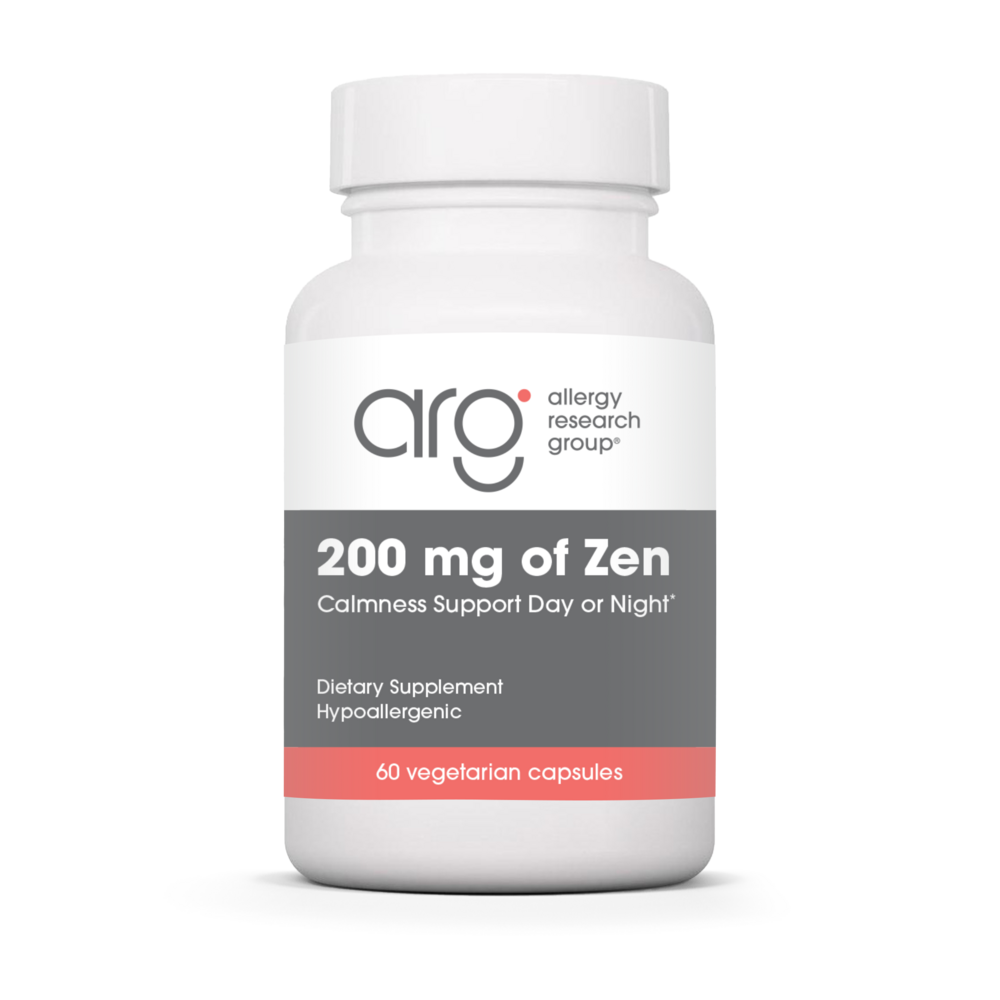
Allergy Research Group
200 mg of Zen Stress Support
60 capsules
$44.99
Add to cart for lower price
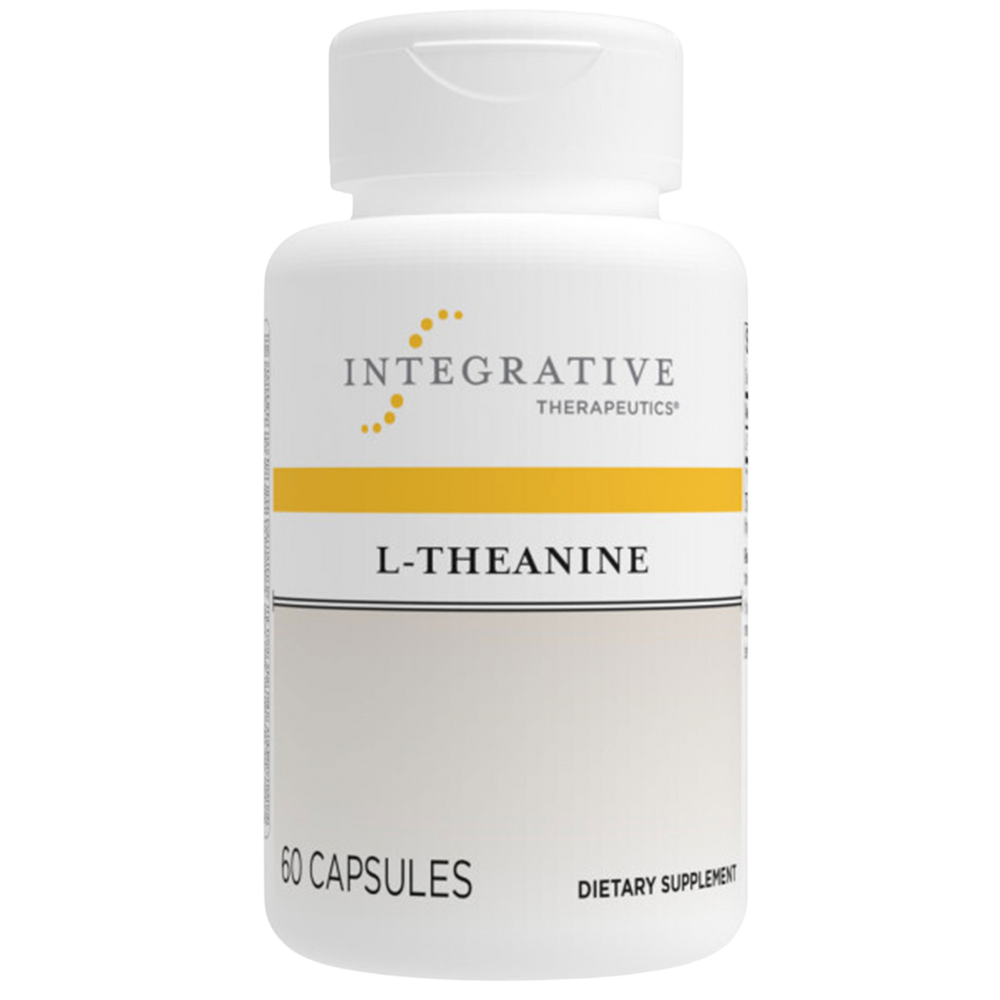
Integrative Therapeutics
L-Theanine
60 capsules
$21.99
Add to cart for lower price
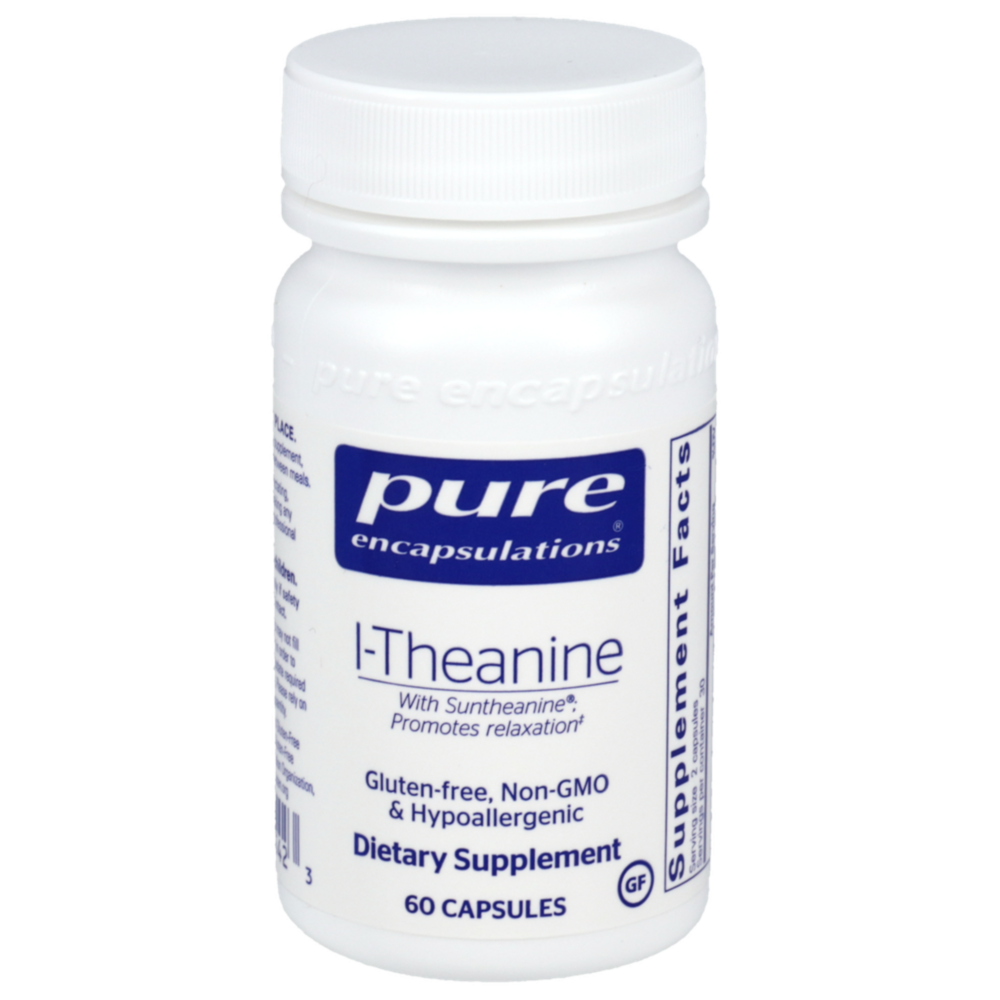
Pure Encapsulations
L-Theanine
60 capsules
$65.50
Add to cart for lower price
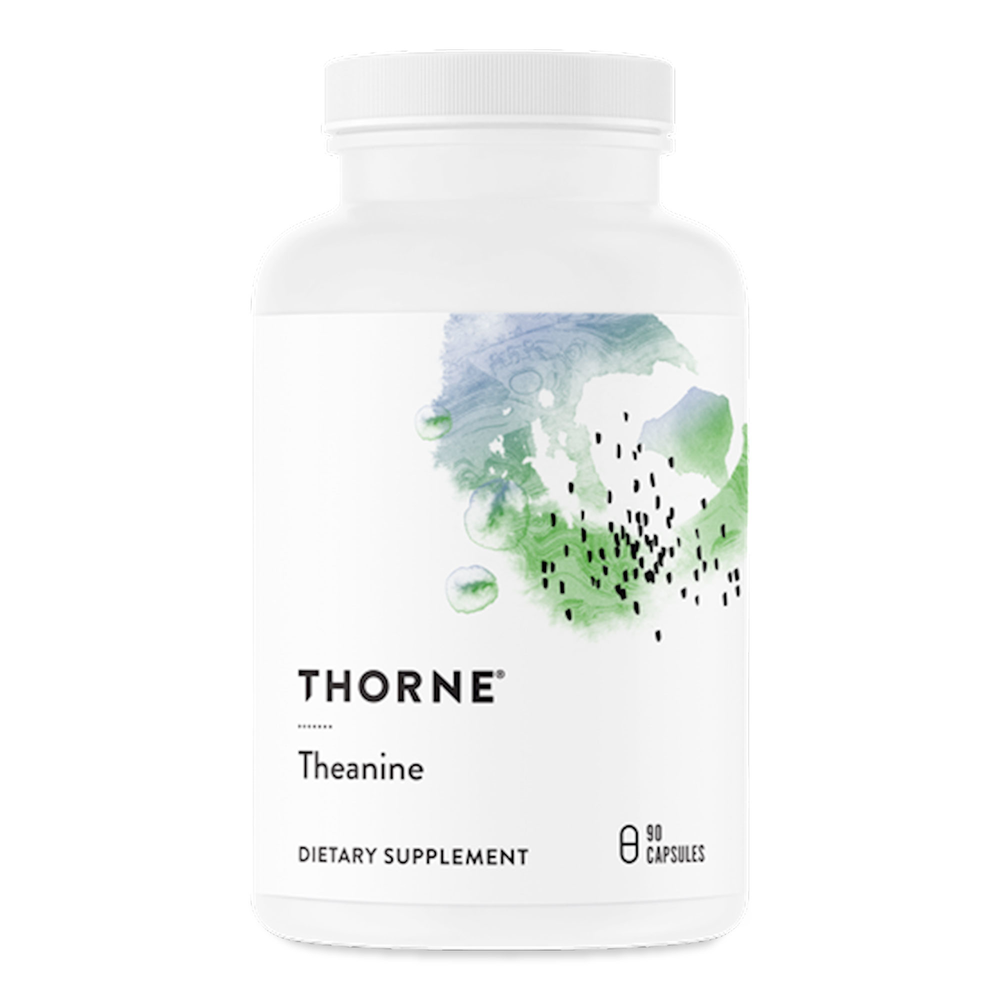
Thorne
Theanine
90 capsules
$68.00
Add to cart for lower price