 Instalab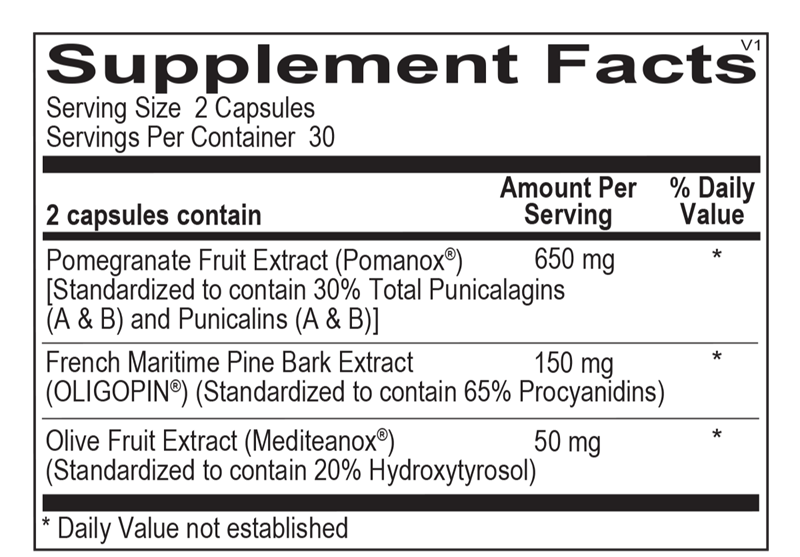
Ortho Molecular Products
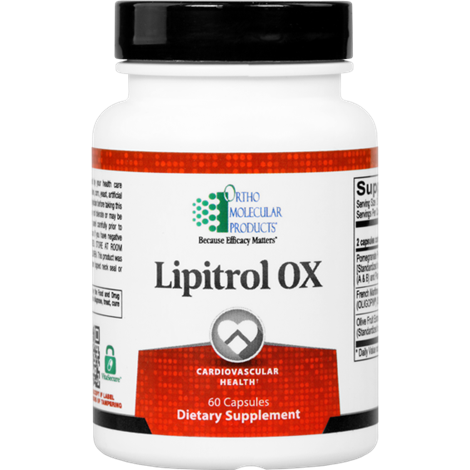
Lipitrol OX by Ortho Molecular Products
60 capsules · 30-day supply
Triple-Action Formula for Heart Health and Cholesterol Support$61.77
Purchase options
Practitioner-grade brand3rd-party testedFree shipping $50+
Gluten Free·Yeast Free·Artificial Color Free·Artificial Flavor Free
Ortho Molecular Products Lipitrol OX overview
If your Oxidized LDL is high on testing, or your hs-CRP (inflammation marker) runs up with a normal LDL Cholesterol but elevated ApoB (the protein count of LDL particles), you’re the target for polyphenol-focused support. This blend fits adults who want to lower oxidized LDL without changing statin therapy, those with endothelial dysfunction on vascular studies, and people with a family history of early heart disease despite decent LDL-C. It’s not a triglyceride fix; fish oil suits high Triglycerides better.
Pomegranate punicalagins and punicalins (plant antioxidants found in the rind) neutralize free radicals before they modify LDL, which is what turns LDL into oxidized LDL that the artery wall reacts to. Olive hydroxytyrosol protects blood lipids from oxidation and preserves nitric oxide (the signal that relaxes blood vessels), improving endothelial function. French maritime pine bark procyanidins strengthen antioxidant recycling and can modestly lower hs-CRP. Together, they favor less LDL oxidation and better vessel tone within 4 to 12 weeks.
Take 2 capsules daily with a meal, ideally one that contains some fat to aid absorption of these polyphenols. Most people take the full dose at breakfast or split it morning and evening if they’re prone to stomach upset. Re‑test Oxidized LDL and, if tracked, hs-CRP and ApoB after 8 to 12 weeks. You can pair this with a statin or ezetimibe if LDL Cholesterol or ApoB also need work.
Skip or clear with your clinician if you use blood thinners or antiplatelet drugs like warfarin, apixaban, clopidogrel, or high-dose aspirin, since pine bark and olive polyphenols have mild antiplatelet effects. Use caution if you have low blood pressure on medication. Pomegranate can interact with liver enzymes that process drugs, so check in if you’re on narrow-therapeutic-index meds. Pregnancy and breastfeeding: data are limited, avoid unless your OB agrees.
Frequently asked questions
Will this lower my LDL cholesterol number?
It mainly targets oxidized LDL and endothelial function, not the LDL Cholesterol number itself. For lowering LDL-C or ApoB, statins, ezetimibe, or red yeast rice are more direct. You can use this alongside those if oxidation is the issue.
How long does it take to reduce oxidized LDL?
Most responders see changes within 8 to 12 weeks. Plan to recheck Oxidized LDL then, and consider tracking hs-CRP and ApoB. Continue longer if you’re trending down but not yet where you want to be.
Can I combine this with a statin or fish oil?
Yes. It pairs well with a statin or ezetimibe for LDL-C/ApoB and with fish oil for high Triglycerides. They work on different levers: this focuses on oxidation and vessel function rather than lipid production.
What side effects should I watch for?
Most people tolerate it well. Occasional stomach upset or reflux can occur; taking with food helps. Because these are mild antiplatelet polyphenols, watch for easy bruising if you’re on blood thinners and speak with your clinician.
Does it thin the blood?
It isn’t a blood thinner, but pine bark and olive polyphenols can have mild antiplatelet effects. If you use warfarin, apixaban, rivaroxaban, clopidogrel, or high-dose aspirin, get medical guidance and monitor as advised.
When should I take it, morning or night?
Timing is flexible. Take with a meal for best tolerance and absorption. If you’re sensitive, split the dose between breakfast and dinner rather than taking both capsules at once.
Is this a replacement for CoQ10 or niacin?
No. CoQ10 replenishes a mitochondrial antioxidant often lowered by statins, and niacin affects HDL and lipoprotein(a) in some people. This formula is aimed at oxidized LDL reduction and endothelial support.
How to take it & ingredients
Suggested use: 2 capsules per day or as recommended by your health care professional.
Active ingredients
2 capsules per serving · 30 servings
Pomegranate Fruit Extract (Pomanox®)
Standardized to contain 30% Total Punicalagins (A & B) and Punicalins (A & B)
Standardized to contain 30% Total Punicalagins (A & B) and Punicalins (A & B)
650 mg
French Maritime Pine Bark Extract (OLIGOPIN®)
Standardized to contain 65% Procyanidins
Standardized to contain 65% Procyanidins
150 mg
Olive Fruit Extract (Mediteanox®)
Standardized to contain 20% Hydroxytyrosol
Standardized to contain 20% Hydroxytyrosol
50 mg
Certifications
Benefits
Warnings
Customers also considered
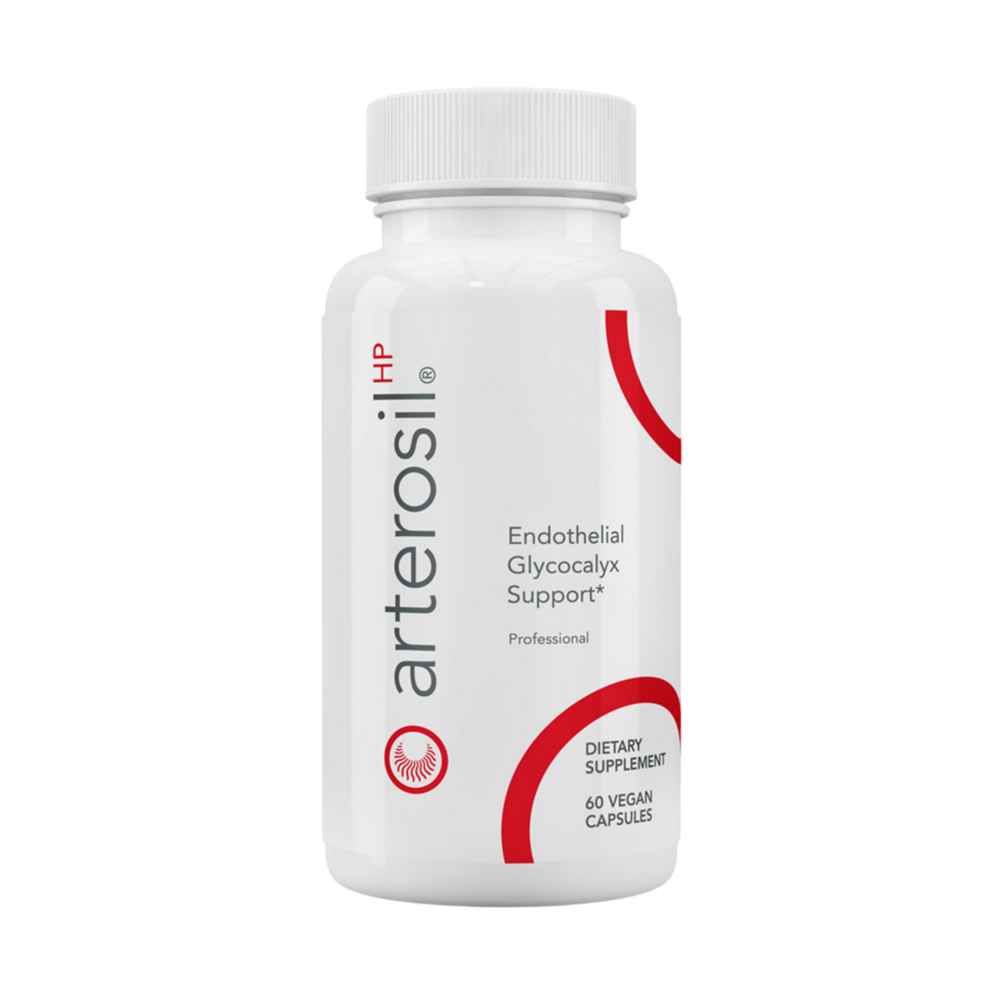
Arterosil HP
Calroy Health Sciences
60 capsules
$99.99$79.99 with Subscribe & Save
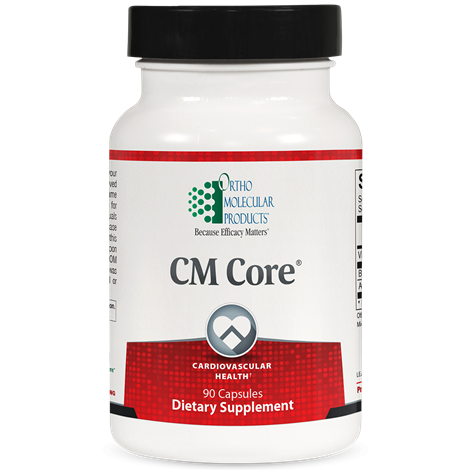
CM Core
Ortho Molecular Products
90 capsules
$70.32$63.35 with Subscribe & Save
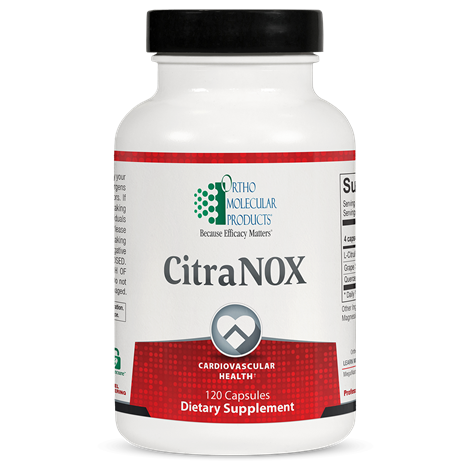
CitraNOX
Ortho Molecular Products
120 capsules
$70.32$63.35 with Subscribe & Save
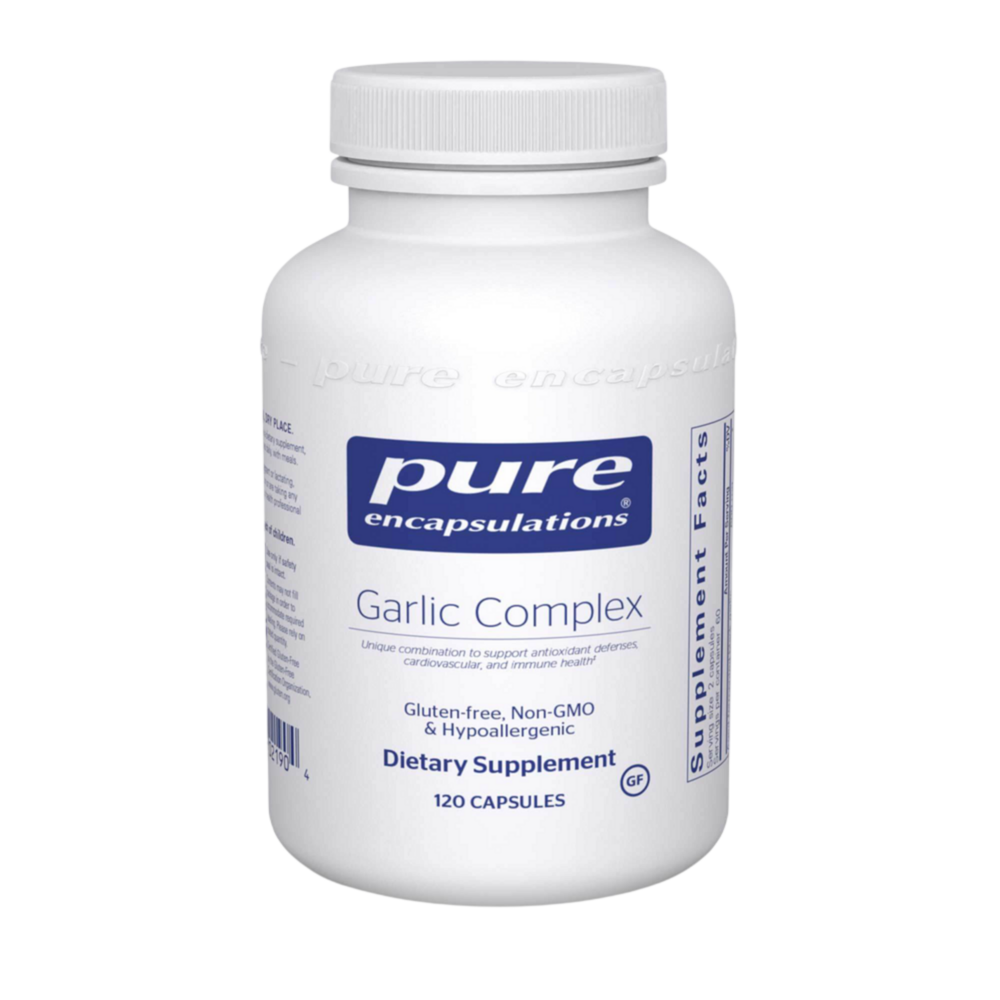
Garlic Complex
Pure Encapsulations
120 capsules
$59.50$47.99 with Subscribe & Save