 Instalab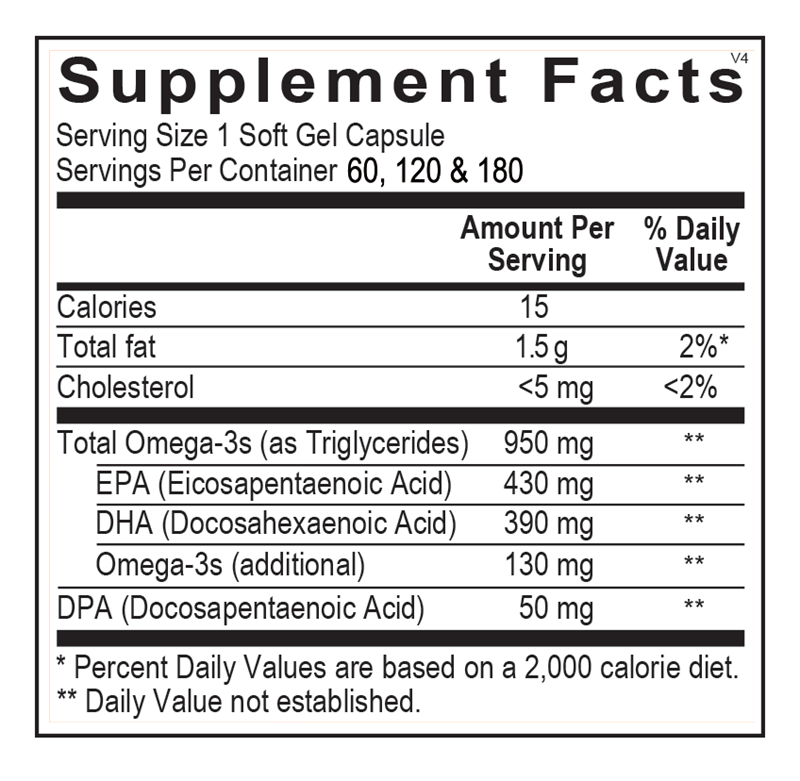

Ortho Molecular Products
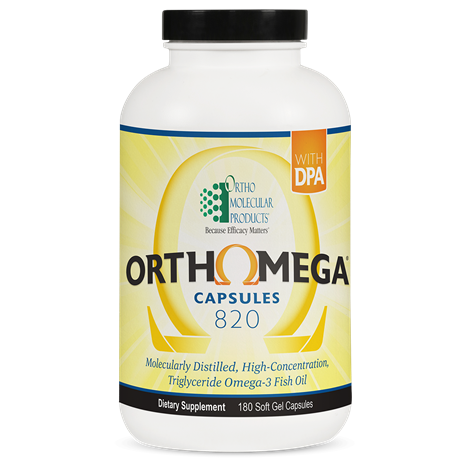
Orthomega® 820 by Ortho Molecular Products
180 capsules
High-Potency Omega-3s for Heart, Brain, and Joint Health$115.50
Purchase options
Practitioner-grade brand3rd-party testedFree shipping $50+
Gluten Free·Corn Free·Yeast Free·Artificial Color Free·Artificial Flavor Free
Ortho Molecular Products Orthomega® 820 overview
If you’re searching for fish oil for triglycerides, this is a practical one-capsule-per-day option. It fits adults with a low Omega-3 Index, those who rarely eat oily fish, and anyone maintaining gains after a higher-dose phase. If your triglycerides are elevated, a single softgel is usually maintenance-level; larger effects typically require multiple capsules or prescription omega-3. It’s also reasonable during pregnancy planning when seafood intake is low.
EPA and DHA (the long-chain omega-3s in fish oil) reduce how much fat your liver packages into VLDL particles (the form that shows up as triglycerides) and nudge cells to burn fatty acids faster for energy. Many responders see triglycerides drop 20–30% within 4 to 12 weeks. They also shift cell-membrane signaling toward less inflammatory molecules, which is why modest reductions in hs-CRP (a blood marker of inflammation) appear in some people. This formula also includes DPA (an EPA/DHA intermediate) that may further enrich cell membranes.
Take one softgel with a meal that contains fat for better absorption and fewer fishy burps. The time of day doesn’t matter. For triglyceride reduction, clinical trials use much higher totals of EPA+DHA than one capsule provides; consider 2–4 capsules daily or discuss prescription-strength omega-3 with your clinician, then step down to this for upkeep. Recheck your Omega-3 Index and lipid panel after 8–12 weeks.
Standard omega-3 doses have a small effect on clotting, but use caution if you take warfarin, apixaban, rivaroxaban, clopidogrel, or aspirin, or if surgery is planned. Combine safely with statins; the pair often improves triglycerides and non-HDL cholesterol. If you have a fish or shellfish allergy, review with your allergist. Mild gastrointestinal upset or reflux can occur; taking with food or at bedtime helps.
Frequently asked questions
How long does fish oil take to lower triglycerides?
Most responders see changes within 4–12 weeks. Recheck a lipid panel after two to three months. If there’s little movement, you likely need a higher total of EPA+DHA or prescription-strength omega-3.
Does fish oil thin your blood?
At typical doses, the effect on bleeding is small. Even so, talk to your clinician if you’re on warfarin, a direct oral anticoagulant, clopidogrel, or aspirin, or if you have surgery scheduled.
How many capsules should I take for high triglycerides?
One capsule is a maintenance dose. Triglyceride lowering usually needs higher totals of EPA+DHA than one softgel provides. Discuss 2–4 capsules daily or prescription omega-3 with your clinician.
Is fish oil safe in pregnancy?
Yes, purified fish oil supplying DHA is commonly used in pregnancy. Avoid products with added vitamin A (retinol). If you have nausea or reflux, take with food or at night.
What’s the difference between EPA, DHA, and DPA?
EPA primarily drives triglyceride lowering; DHA is key for brain and eye tissues. DPA sits between EPA and DHA in metabolism and may add membrane benefits. A balanced fish oil provides all three.
Can I take fish oil with a statin?
Yes. They work by different mechanisms and are often paired in practice, especially when triglycerides stay elevated. Let your clinician know you’re taking omega-3 when labs are checked.
How do I avoid fishy burps from fish oil?
Take it with a meal, keep the bottle tightly closed, and consider refrigerating the capsules. If reflux persists, split the dose or switch to smaller capsules taken twice daily.
How to take it & ingredients
Suggested use: Take 1 soft gel capsule per day with food or as recommended by your health care professional.
Active ingredients
1 soft gel capsule per serving
▼
Total Omega-3 Fatty Acids
Fish Oil Triglycerides
Fish Oil Triglycerides
950 mg
EPA
Eicosapentaenoic Acid
Eicosapentaenoic Acid
430 mg
DHA
Docosahexaenoic Acid
Docosahexaenoic Acid
390 mg
Omega-3s (additional)
130 mg
DPA
Docosapentaenoic Acid
Docosapentaenoic Acid
50 mg
Other ingredients: Gelatin (capsule shell), Glycerin, Purified Water, Natural Flavors, Mixed Tocopherols (Vitamin E), Rosemary Extract, Ascorbyl Palmitate
Certifications
Benefits
Warnings
Customers also considered
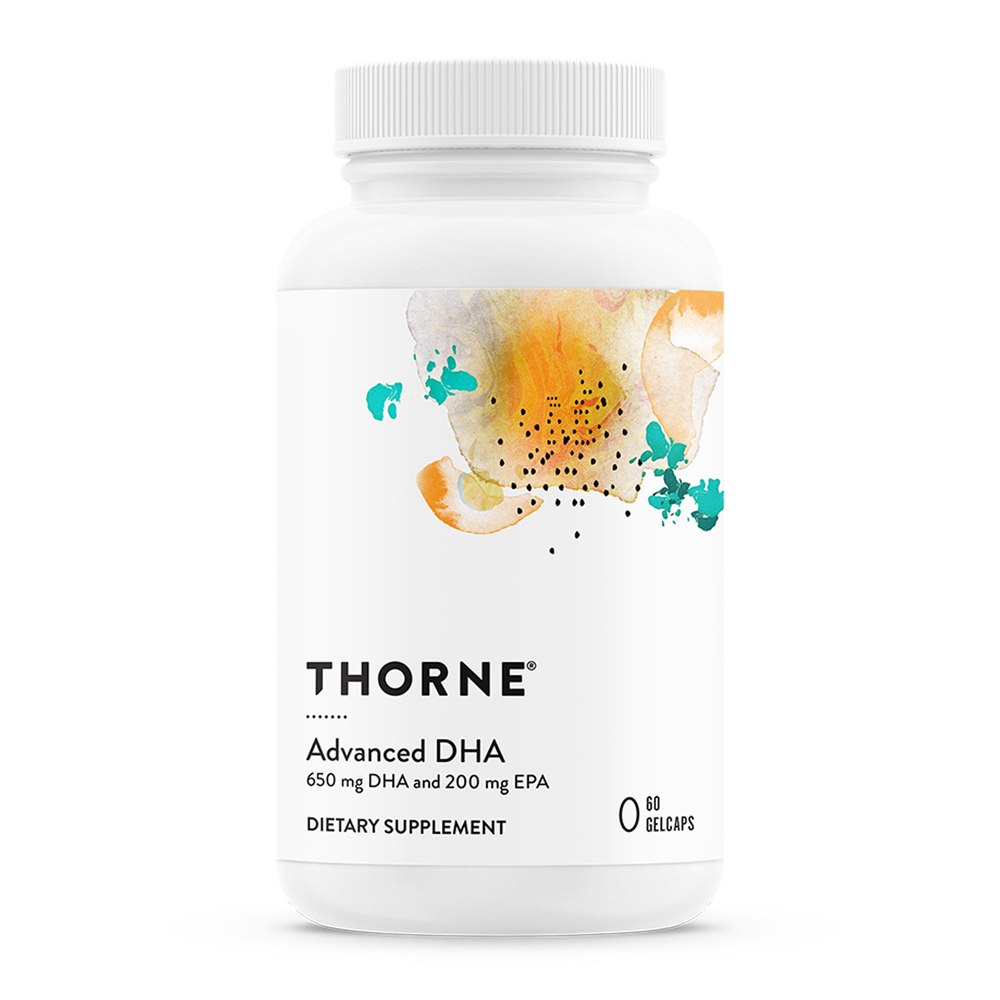
Advanced DHA
Thorne
60 gelcaps
$30.00$27.00 with Subscribe & Save
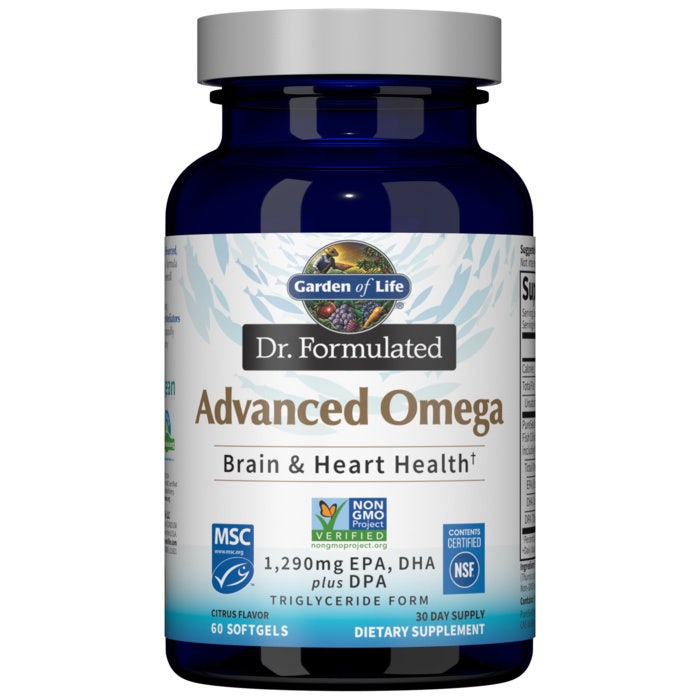
Dr. Formulated Advanced Omega
Garden of Life
60 softgels
$31.99$25.99 with Subscribe & Save
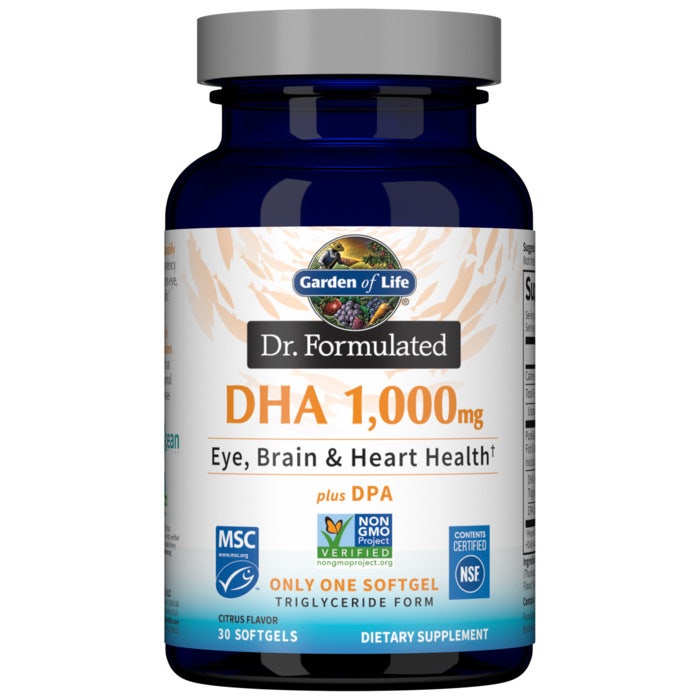
Dr. Formulated DHA 1g
Garden of Life
30 softgels
$31.99$25.99 with Subscribe & Save

Dr. Formulated Prenatal DHA
Garden of Life
30 softgels
$29.99$23.99 with Subscribe & Save