 Instalab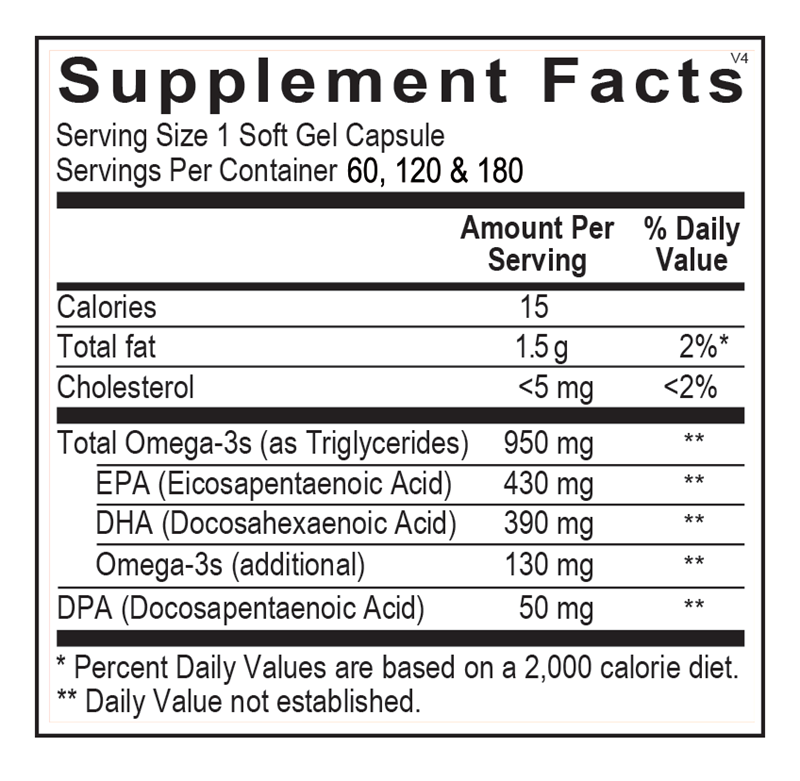

Ortho Molecular Products
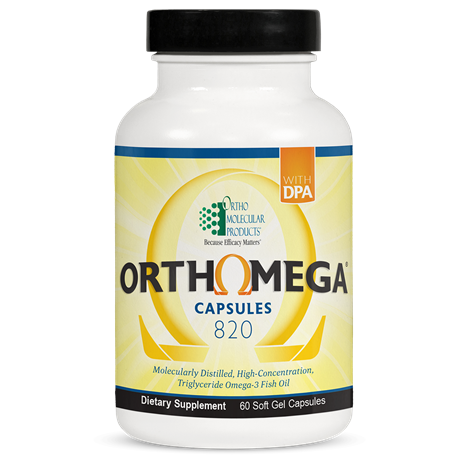
Orthomega® 820 by Ortho Molecular Products
60 capsules
High-Potency Omega-3s for Heart, Brain, and Joint Health$55.44
Purchase options
Practitioner-grade brand3rd-party testedFree shipping $50+
Gluten Free·Corn Free·Yeast Free·Artificial Color Free·Artificial Flavor Free
Ortho Molecular Products Orthomega® 820 overview
If you’re looking for fish oil for triglycerides, this one matches what most clinicians use for a single–softgel daily dose. It suits adults who eat little seafood and have a low Omega-3 Index, or those with elevated triglycerides on a lipid panel. It’s also practical for joint stiffness or athletes with high training loads tracking hs-CRP (a blood marker of inflammation). Pregnancy planning without regular fish intake is another common use.
EPA and DHA reduce how much fat your liver packages into VLDL particles (the carriers that show up as triglycerides), and they nudge cells to burn fatty acids for energy faster. Most responders see triglycerides fall 20–30% within 4 to 12 weeks. These fats also shift cell-membrane signaling toward fewer inflammatory compounds, which helps explain modest hs-CRP drops in some people. The added DPA (a third long-chain omega-3) acts as a reserve that can convert to EPA or DHA when needed.
Take one softgel with a meal that has some fat, which improves absorption and reduces fishy burps. Evening with your largest meal is a common routine. If you’re using fish oil specifically to lower triglycerides and your level is high, clinicians often escalate total EPA+DHA toward 2–4 grams per day; that higher range usually needs multiple softgels or a concentrated liquid under guidance.
Fish oil can slightly increase bleeding tendency, so use caution with anticoagulants or antiplatelet drugs and pause before elective surgery if your surgeon requests it. A subset sees LDL cholesterol rise even as triglycerides drop; track ApoB (the particle count) and non-HDL cholesterol to see the net effect. Skip if you have a true fish allergy. At very high doses, omega-3s have been linked to more atrial fibrillation (irregular heartbeat); this single-softgel dose is modest.
Frequently asked questions
How long does fish oil take to lower triglycerides?
Most people who respond see triglycerides start to drop within 4 to 12 weeks. Retest a fasting lipid panel after 8 to 12 weeks to confirm, and adjust the dose if needed.
Should I take fish oil with food or on an empty stomach?
With food. Taking fish oil with a meal that contains fat improves absorption and reduces reflux or fishy burps. Consistent timing matters less than taking it daily.
How much EPA and DHA do I need for high triglycerides?
For meaningful triglyceride reduction, clinicians often target 2–4 grams per day of combined EPA+DHA. This product is a maintenance-level softgel; higher targets need multiple capsules or a concentrate.
Does fish oil raise LDL cholesterol?
It can in a minority of users, even while triglycerides fall. Check ApoB and non-HDL cholesterol to see if particle burden improved despite an LDL-C bump.
Is fish oil safe with blood thinners?
Use caution. Fish oil can increase bleeding risk slightly. If you’re on warfarin, a direct oral anticoagulant, or daily aspirin, discuss dosing and monitoring with your clinician.
Can I take fish oil if I’m planning pregnancy?
Yes, omega-3s are commonly used during pregnancy planning and pregnancy. Choose a purified product and review total daily omega-3 intake with your obstetric clinician.
What labs should I track on fish oil?
Track a fasting lipid panel (especially triglycerides), the Omega-3 Index to confirm tissue levels, and hs-CRP if you’re following inflammation. Recheck after 8–12 weeks.
How to take it & ingredients
Suggested use: Take 1 soft gel capsule per day with food or as recommended by your health care professional.
Active ingredients
1 soft gel capsule per serving
▼
Total Omega-3 Fatty Acids
Fish Oil Triglycerides
Fish Oil Triglycerides
950 mg
EPA
Eicosapentaenoic Acid
Eicosapentaenoic Acid
430 mg
DHA
Docosahexaenoic Acid
Docosahexaenoic Acid
390 mg
Omega-3s (additional)
130 mg
DPA
Docosapentaenoic Acid
Docosapentaenoic Acid
50 mg
Other ingredients: Gelatin (capsule shell), Glycerin, Purified Water, Natural Flavors, Mixed Tocopherols (Vitamin E), Rosemary Extract, Ascorbyl Palmitate
Certifications
Benefits
Warnings
Customers also considered
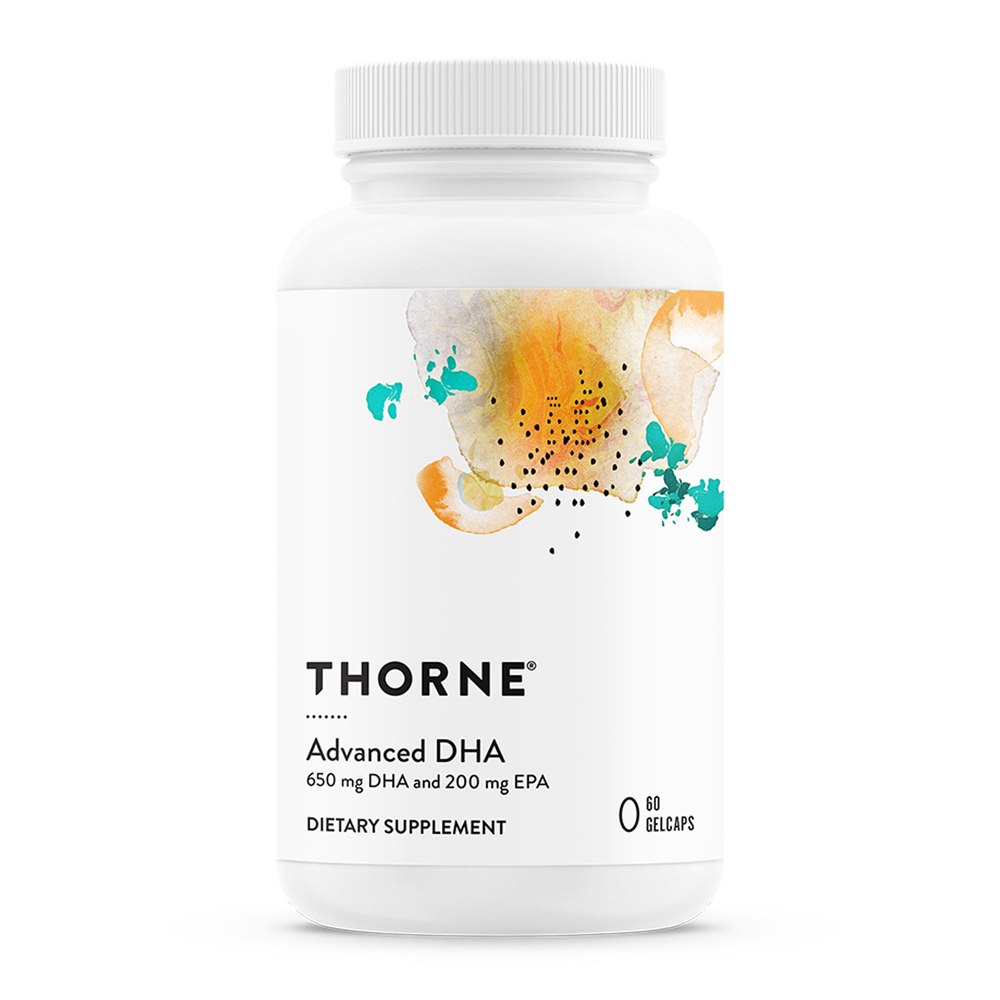
Advanced DHA
Thorne
60 gelcaps
$30.00$27.00 with Subscribe & Save
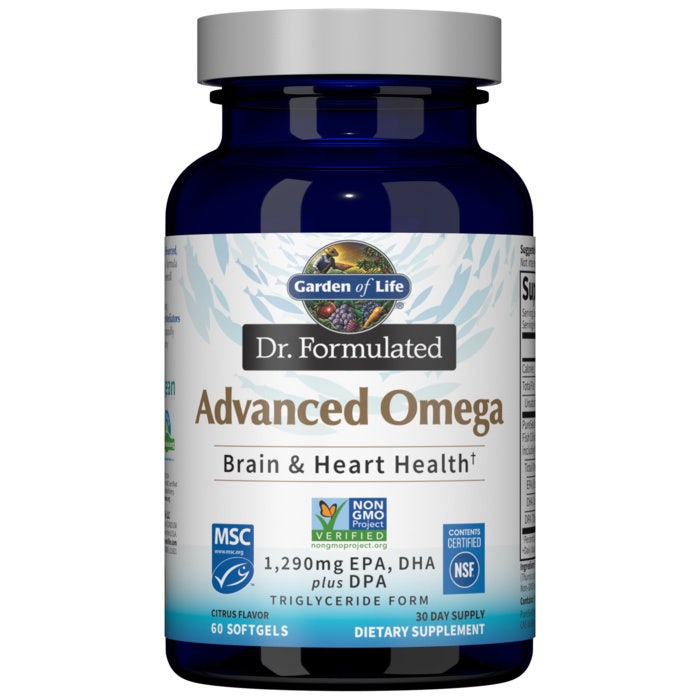
Dr. Formulated Advanced Omega
Garden of Life
60 softgels
$31.99$25.99 with Subscribe & Save
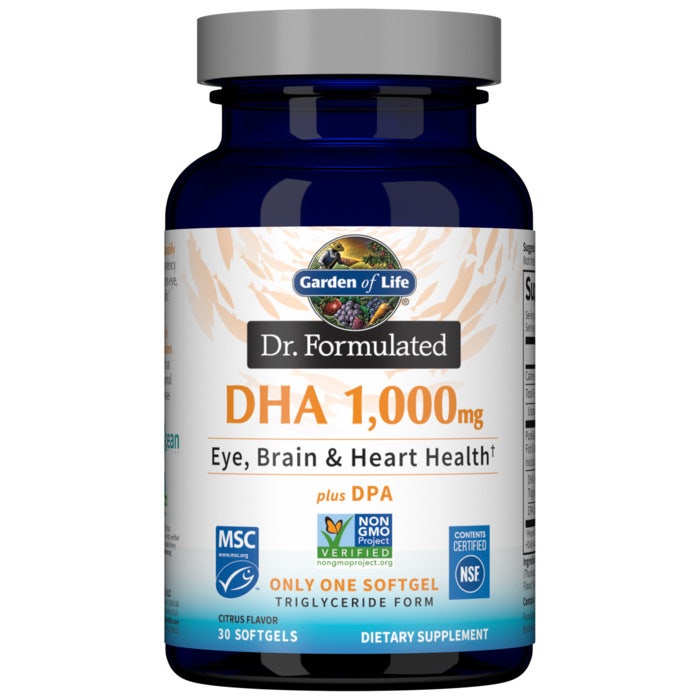
Dr. Formulated DHA 1g
Garden of Life
30 softgels
$31.99$25.99 with Subscribe & Save

Dr. Formulated Prenatal DHA
Garden of Life
30 softgels
$29.99$23.99 with Subscribe & Save