 Instalab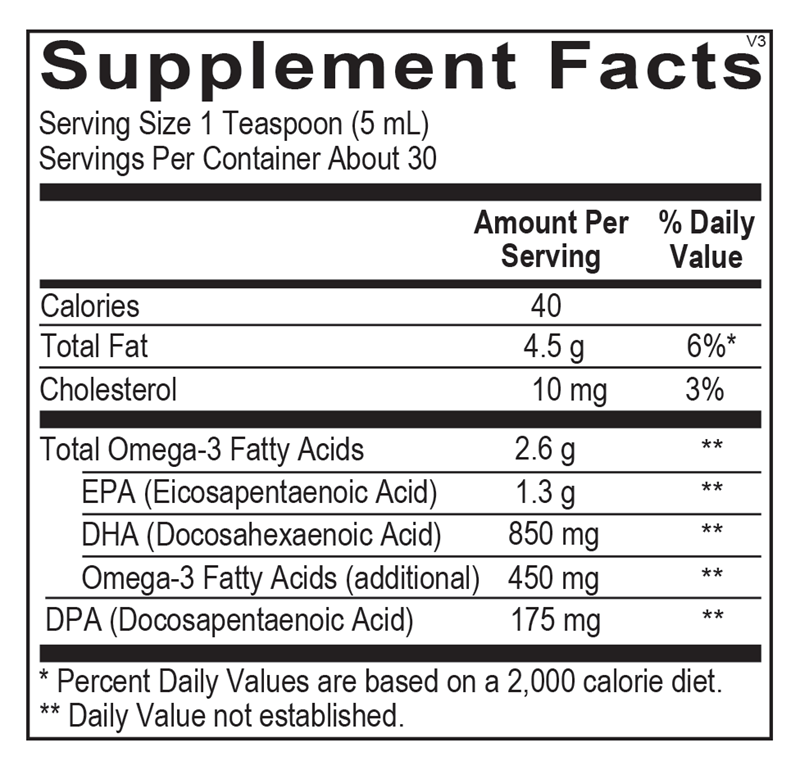

Ortho Molecular Products
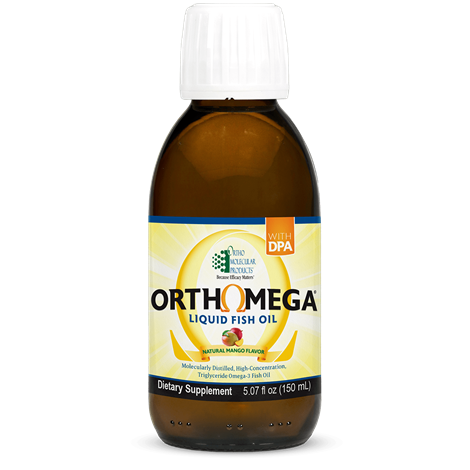
Orthomega® Liquid Fish Oil- Mango 2.6 g by Ortho Molecular Products
150 milliliters · 30-day supply
Delicious Mango-Flavored Omega-3 for Heart and Brain Health$67.77
Purchase options
Practitioner-grade brand3rd-party testedFree shipping $50+
Gluten Free·Corn Free·Yeast Free·Artificial Color Free·Artificial Flavor Free
Ortho Molecular Products Orthomega® Liquid Fish Oil- Mango overview
If you’re aiming to use fish oil for high triglycerides, this liquid provides a clinically relevant dose in one teaspoon. It fits adults with elevated Triglycerides on a lipid panel, those with a low Omega-3 Index, or people who rarely eat seafood. It’s also practical for statin users whose triglycerides remain high, and for patients tracking inflammation where hs-CRP (a blood marker of systemic inflammation) is above their usual baseline.
EPA and DHA are long-chain omega-3s your body uses to change how the liver handles fat. They reduce how much fat the liver packages into VLDL particles (the carriers that show up as triglycerides) and nudge cells to burn fatty acids for energy. In most responders, triglycerides fall 20–30% within 4 to 12 weeks. These fats also shift cell-membrane signaling, which explains modest hs-CRP reductions seen in some patients.
Take one teaspoon daily with a meal to limit reflux. The mango flavor mixes well in a smoothie or yogurt; keep the bottle refrigerated after opening. If your Triglycerides are markedly high, clinicians sometimes use higher total omega-3 doses, but titrate only with guidance. Recheck your Omega-3 Index and lipid panel after 8–12 weeks to confirm effect and adjust.
If you take blood thinners (warfarin, apixaban, rivaroxaban) or daily aspirin, discuss dosing to reduce bleeding risk. A small LDL cholesterol rise can occur in some people using DHA-containing fish oil, so track LDL and ApoB. History of irregular heart rhythm managed by a clinician warrants a conversation before high doses. Fish or shellfish allergy: avoid. Pre-op: stop 7 days prior unless your surgeon advises otherwise.
Frequently asked questions
How long does fish oil take to lower triglycerides?
Most responders see triglycerides drop within 4 to 12 weeks at clinically dosed omega-3 intake. Take it daily with food and recheck your lipid panel after about 8–12 weeks to confirm your personal response.
Does fish oil thin your blood?
At higher intakes, omega-3s have a mild blood-thinning effect. If you use warfarin, apixaban, rivaroxaban, clopidogrel, or daily aspirin, speak with your clinician and monitor for easy bruising or nosebleeds.
Can I take liquid fish oil without food?
You can, but it’s better absorbed and less likely to cause fishy burps when taken with a meal that contains fat. Chilling the oil and mixing it into yogurt or a smoothie also reduces aftertaste.
Can fish oil raise LDL cholesterol?
In some people, DHA-containing fish oil slightly raises LDL cholesterol even while lowering triglycerides. Track LDL and ApoB alongside Triglycerides to see the full picture, and adjust dose if needed.
Is fish oil safe in pregnancy?
Omega-3s, especially DHA, are important in pregnancy, but discuss dosing with your obstetric clinician. Many prefer prenatal-targeted DHA or algal oil. Avoid if you have a fish allergy.
What are common fish oil side effects?
The most common are fishy aftertaste, mild nausea, or loose stools at higher doses. Taking with food, starting at a half-teaspoon, and keeping the bottle cold usually solves these issues.
Can vegans use this omega-3?
No. This is fish-derived. Vegans should choose algal oil to get preformed DHA and EPA, then track changes with an Omega-3 Index test after 8–12 weeks.
Does fish oil help with inflammation?
Omega-3s can modestly lower inflammation in some people. Small reductions in hs-CRP are seen in responders, though the effect is variable and not a substitute for treating an underlying cause.
How to take it & ingredients
Suggested use: 1 teaspoon (5 mL) per day or as recommended by your health care professional.
Active ingredients
1 teaspoon = 5 mL per serving · 30 servings
▼
Total Omega-3 Fatty Acids
2.6 g
EPA (Eicosapentaenoic Acid)
1.3 g
DHA (Docosahexaenoic Acid)
850 mg
DPA (Docosapentaenoic Acid)
175 mg
Other ingredients: Natural Mango Flavor, Mixed Tocopherols, Rosemary Extract (Leaf), Sunflower Oil, Sunflower Lecithin, Ascorbyl Palmitate
Certifications
Benefits
Warnings
Customers also considered
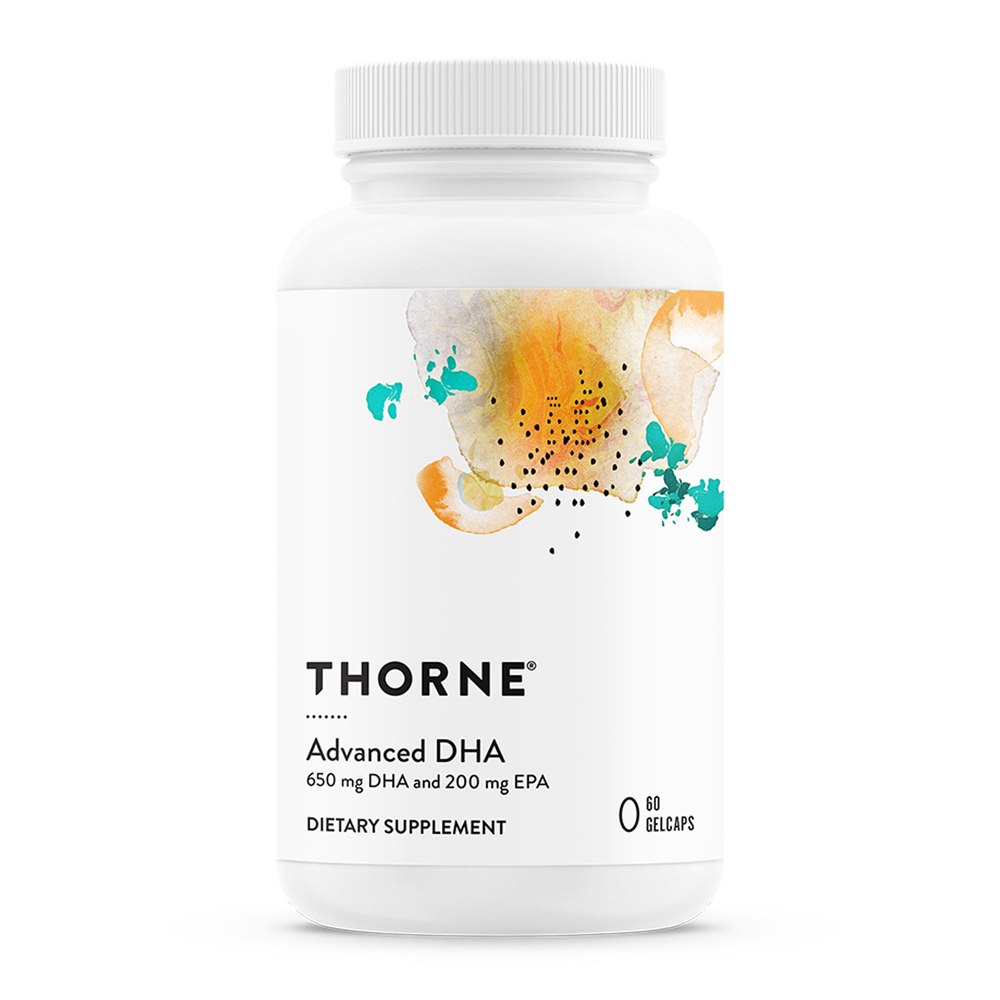
Advanced DHA
Thorne
60 gelcaps
$30.00$27.00 with Subscribe & Save
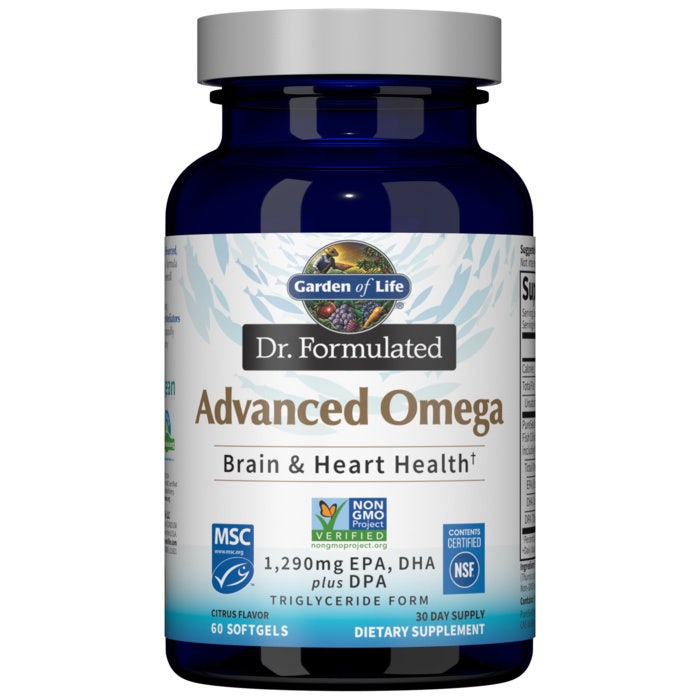
Dr. Formulated Advanced Omega
Garden of Life
60 softgels
$31.99$25.99 with Subscribe & Save
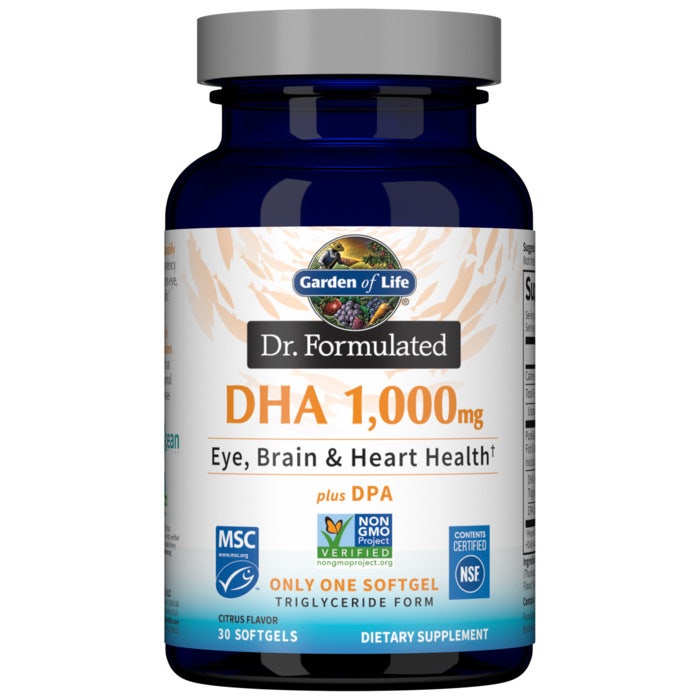
Dr. Formulated DHA 1g
Garden of Life
30 softgels
$31.99$25.99 with Subscribe & Save

Dr. Formulated Prenatal DHA
Garden of Life
30 softgels
$29.99$23.99 with Subscribe & Save