 Instalab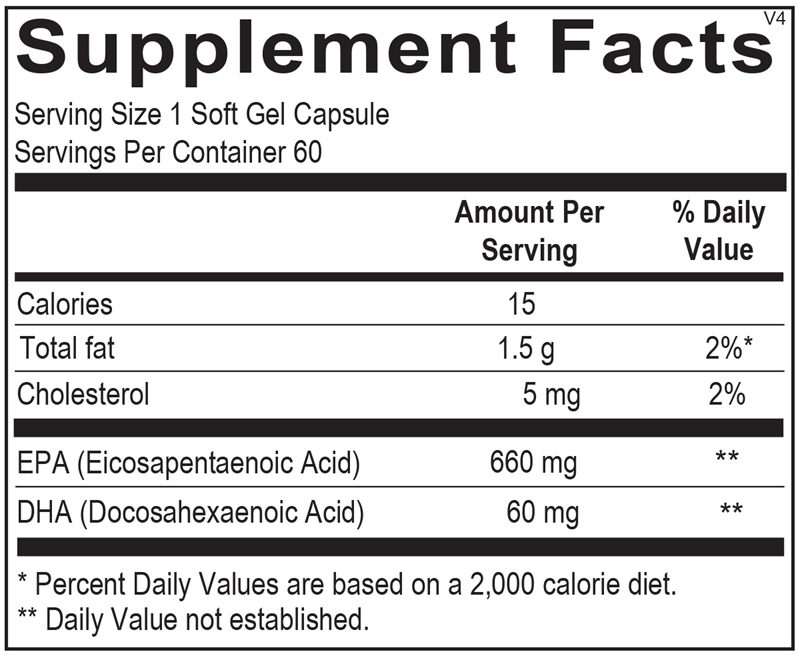

Ortho Molecular Products
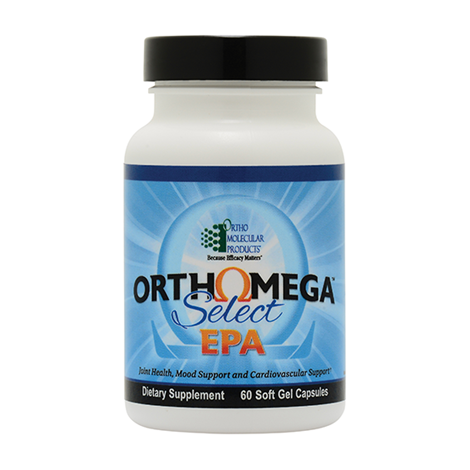
Orthomega® Select EPA by Ortho Molecular Products
60 capsules · 60-day supply
Premium EPA & DHA for Heart, Brain, and Joint Health$68.43
Purchase options
Practitioner-grade brand3rd-party testedFree shipping $50+
Gluten Free·Corn Free·Yeast Free·Artificial Color Free·Artificial Flavor Free
Ortho Molecular Products Orthomega® Select EPA overview
This is a fit if you want a high EPA fish oil for mood and inflammation with minimal DHA. One softgel delivers 660 mg EPA and 60 mg DHA, a ratio often used alongside therapy for low mood and for joint comfort. It’s also practical if your Omega-3 Index is low and you want an EPA-leaning bump without a large DHA load, which some people prefer if their LDL-cholesterol tends to rise on standard fish oil. If your triglycerides are elevated, meaningful reductions usually need higher total omega-3 intake than one softgel.
EPA and DHA are long-chain omega-3s. EPA shifts cell-membrane signaling toward fewer inflammatory eicosanoids (hormone-like messengers), which is why some see small drops in hs-CRP (a blood marker of inflammation). In the liver, these fats reduce how much fat is packaged into VLDL particles (the form that appears on a lipid panel as triglycerides). High EPA, low DHA blends are also the formulation most studied as an add-on for depressive symptoms. This product is in the natural triglyceride form, which is well absorbed when taken with a meal containing fat.
Take one softgel daily with a meal that contains fat, as the manufacturer suggests. For mood or general maintenance when the Omega-3 Index is low-normal, one daily is reasonable for 8 to 12 weeks before rechecking labs. For triglyceride lowering, most responders need grams, not milligrams, of EPA+DHA per day, so discuss 2 to 4 softgels or a higher-strength option with your clinician. Splitting doses with meals and storing capsules in the freezer can reduce fishy burps.
Use caution if you take warfarin, high-dose aspirin, or antiplatelet drugs like clopidogrel; bleeding risk is low at typical doses but coordinate dosing and any pre-op holds with your team. Skip if you have a fish allergy. Planning pregnancy or pregnant? A DHA-rich omega-3 is usually preferred for fetal brain needs. If you have bipolar disorder, only use omega-3s for mood under your psychiatrist’s guidance.
Frequently asked questions
How long does high EPA fish oil take to work?
Most people see changes in triglycerides and the Omega-3 Index within 4 to 12 weeks. For mood, studies often assess benefit by 2 to 6 weeks when EPA is used alongside standard care.
Does fish oil thin your blood?
At common supplement doses, omega-3s have a mild antiplatelet effect. Serious bleeding is uncommon, but if you’re on warfarin or antiplatelet drugs, coordinate dosing and surgery timing with your clinician.
What dose of EPA fish oil lowers triglycerides?
Clinically meaningful triglyceride reductions usually require 2 to 4 grams per day of combined EPA+DHA. One softgel here is a maintenance dose; discuss higher dosing or a stronger product with your clinician.
Is high EPA better than DHA for mood?
For depressive symptoms, trials often favor EPA-predominant formulas. DHA is still important for brain structure, but EPA-heavy blends are the ones most tied to mood outcomes as an add-on to therapy.
Should I take EPA fish oil with food?
Yes. Take with a meal containing fat to improve absorption and reduce fishy aftertaste. Splitting the dose with breakfast and dinner can also help tolerability.
Will EPA fish oil raise my LDL cholesterol?
EPA-predominant oils are less likely to raise LDL-cholesterol than DHA-heavy products. Monitor your lipid panel after 8 to 12 weeks to see your individual response.
Is this safe in pregnancy or while trying to conceive?
Omega-3s are generally considered safe, but pregnancy typically benefits from a DHA-rich formula. Choose a prenatal omega-3 with more DHA unless your clinician advises otherwise.
What labs should I check with fish oil?
Useful markers include the Omega-3 Index to gauge tissue levels, triglycerides on a lipid panel, and hs-CRP if you’re tracking inflammation. Recheck after 8 to 12 weeks of a stable dose.
How to take it & ingredients
Suggested use: 1 soft gel capsule per day or as recommended by your health care professional.
Active ingredients
1 capsule per serving · 60 servings
EPA (Eicosapentaenoic Acid)
Natural triglyceride form
Natural triglyceride form
660 mg
DHA (Docosahexaenoic Acid)
60 mg
Other ingredients: Gelatin, Glycerin, Water (Purified), Natural Flavors, Natural Tocopherols, Rosemary Extract (Leaf), Ascorbyl Palmitate
Certifications
Benefits
Warnings
Customers also considered
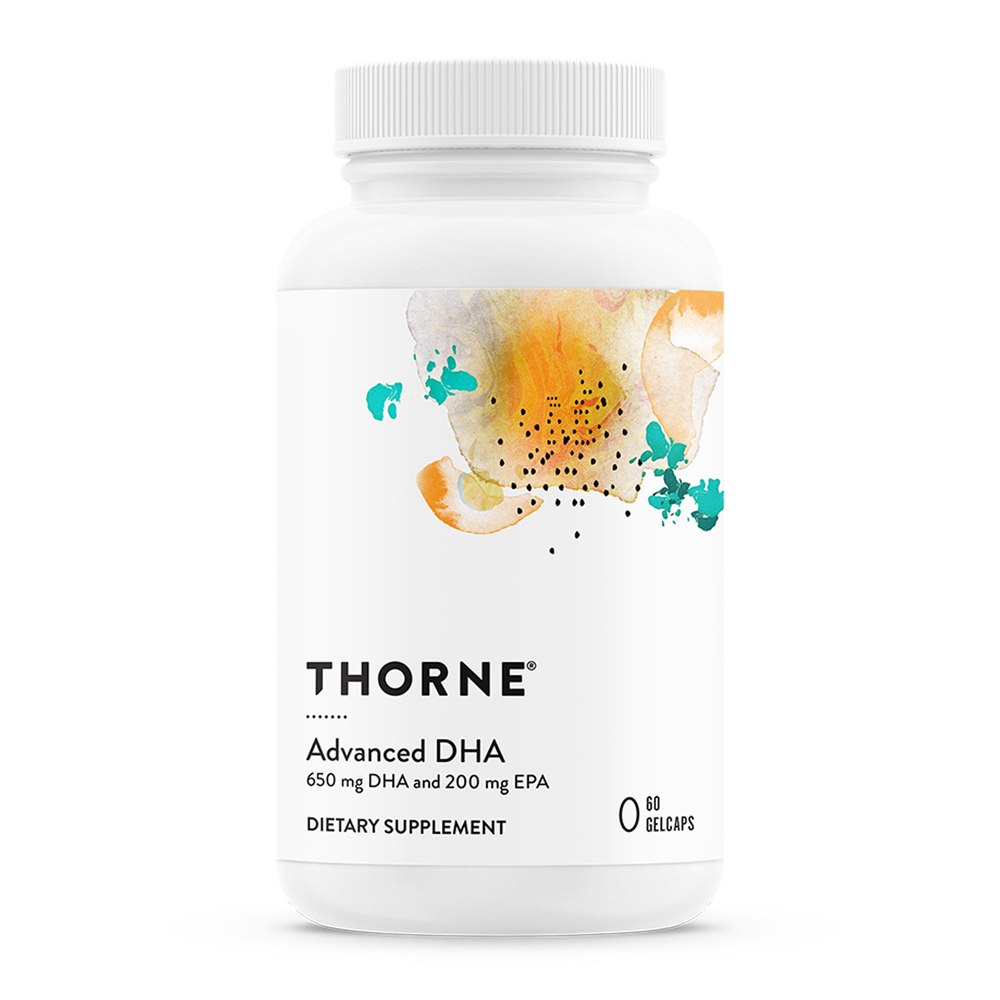
Advanced DHA
Thorne
60 gelcaps
$30.00$27.00 with Subscribe & Save
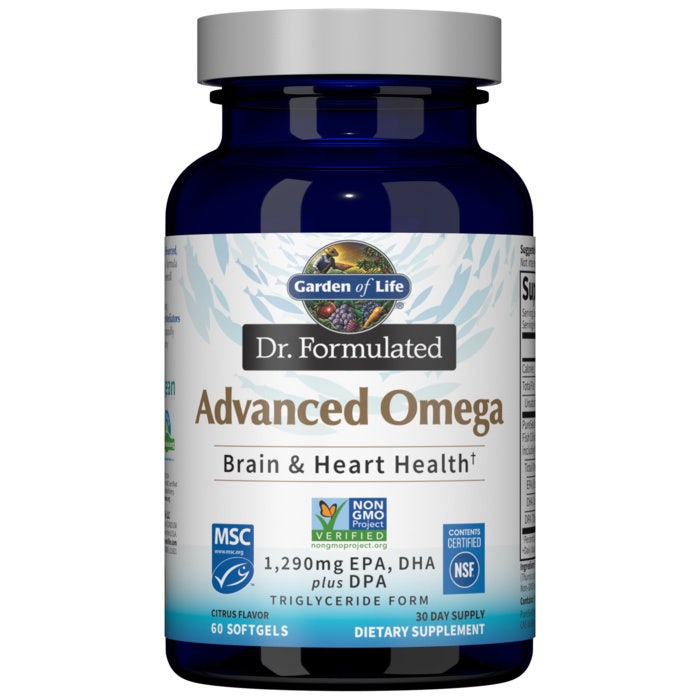
Dr. Formulated Advanced Omega
Garden of Life
60 softgels
$31.99$25.99 with Subscribe & Save
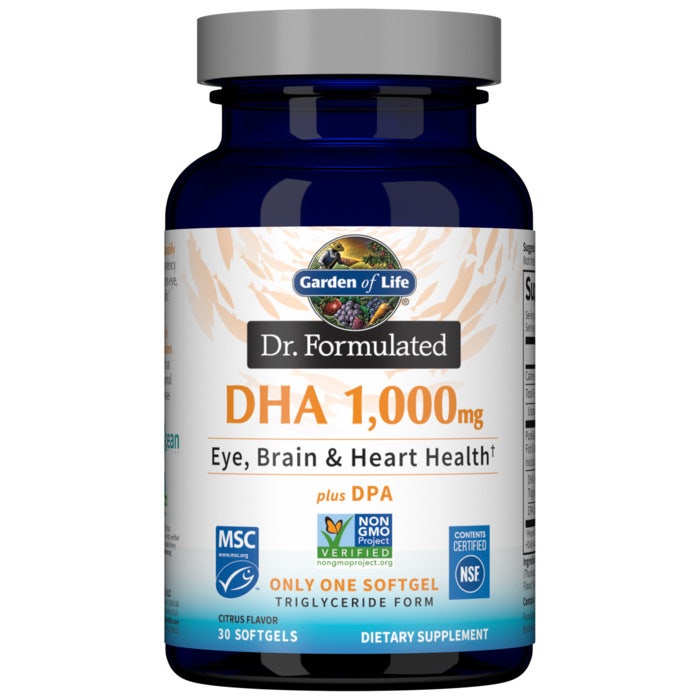
Dr. Formulated DHA 1g
Garden of Life
30 softgels
$31.99$25.99 with Subscribe & Save

Dr. Formulated Prenatal DHA
Garden of Life
30 softgels
$29.99$23.99 with Subscribe & Save