 Instalab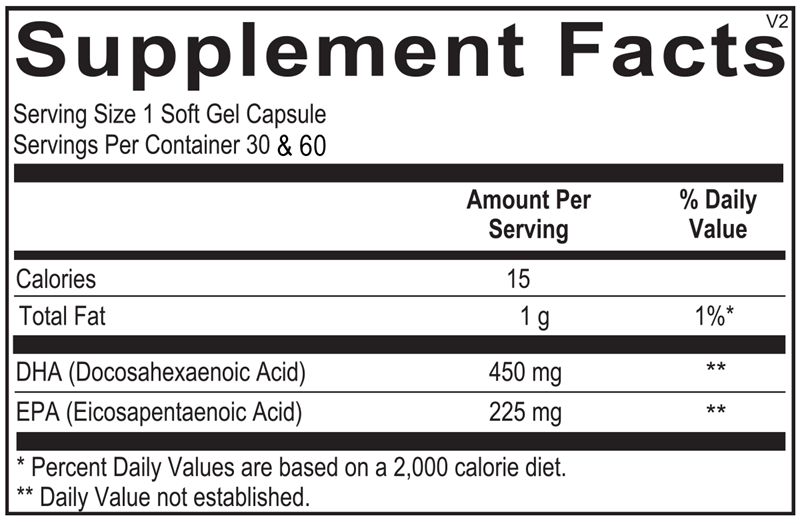

Ortho Molecular Products
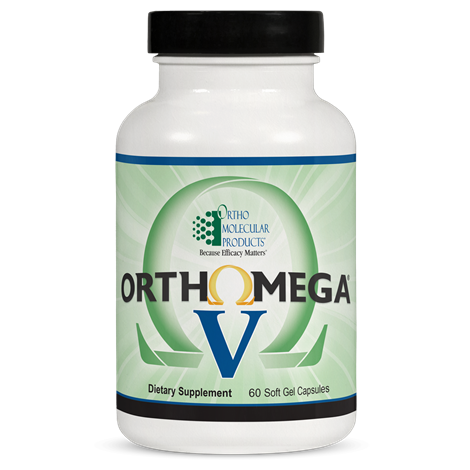
Orthomega® V 675 mg by Ortho Molecular Products
60 capsules · 60-day supply
Vegan Omega-3s for Heart, Brain, and Joint Health$94.96
Purchase options
Practitioner-grade brand3rd-party testedFree shipping $50+
Vegan·Vegetarian·Gluten Free·Fish Free·Crustacean Shellfish Free·Yeast Free·
Ortho Molecular Products Orthomega® V overview
Plant-based eaters who want EPA and DHA without fish do well with this vegan omega-3. If your Omega-3 Index is low or in the lower-normal range, 675 mg total from algal oil is a maintenance-level dose to nudge it up over 8–12 weeks. It’s a fit during pregnancy planning when seafood intake is low, for people with fish or shellfish allergy, and for anyone who dislikes fish oil burps. If your triglycerides are elevated, this amount is usually too low to move them meaningfully.
EPA and DHA from algae integrate into cell membranes and change how your liver handles fat, lowering how much it packs into VLDL particles (the form your liver uses to ship triglycerides). They also shift membrane signaling molecules toward a less pro-inflammatory pattern, which explains modest drops in hs-CRP (a blood marker of inflammation) in some responders. This formula uses re-esterified triglyceride oil, a form closer to natural food fats, which is typically better absorbed than ethyl ester fish oils when taken with a meal containing fat.
Take one softgel daily with a meal that contains fat to improve absorption and reduce aftertaste. Expect changes in the Omega-3 Index within 8–12 weeks, then recheck to decide if you need to adjust. For triglyceride reduction, clinical trials generally use 2–4 grams per day of combined EPA+DHA; consider a higher-dose omega-3 if that’s your goal. Algal oil tends to have fewer fishy burps and is suitable for those avoiding marine allergens.
If you’re targeting high triglycerides, this dose is a maintenance choice, not a treatment-level regimen. Use caution if you’re on prescription blood thinners like warfarin or apixaban, or if you have a bleeding disorder—discuss dosing with your clinician. Pause before elective surgery unless your surgeon says otherwise. Pregnant or breastfeeding users often benefit from DHA, but coordinate dosing with your obstetric clinician, especially if you’re already taking a prenatal with omega-3.
Frequently asked questions
Is vegan omega-3 as good as fish oil?
Yes for raising the Omega-3 Index, as long as you get enough EPA and DHA. This softgel provides 675 mg total, which is solid for maintenance. For triglyceride lowering, trials typically use higher-dose fish or algal oils at 2–4 grams per day.
Will this lower my triglycerides?
Not at this dose for most people. Meaningful triglyceride reductions usually require 2–4 grams per day of EPA+DHA. Use this for upkeep or to raise a low Omega-3 Index; pick a higher-dose omega-3 if triglyceride reduction is your main goal.
How long does vegan omega-3 take to work?
For blood levels, expect changes in the Omega-3 Index within 8–12 weeks. Triglyceride changes, when using higher doses, are usually seen in a similar timeframe. Re-test after three months to see if your dose is adequate.
Do I need to take algal oil with food?
Yes. Taking omega-3 with a meal that contains fat improves absorption and reduces aftertaste. Morning or evening doesn’t matter; consistency does. If you’re sensitive, start with food and plenty of water.
Does omega-3 thin your blood?
At typical supplement doses, the effect on bleeding is small. If you take prescription anticoagulants (like warfarin or apixaban) or have a bleeding disorder, talk with your clinician about dose and monitoring before starting.
Is algal omega-3 safe in pregnancy?
Generally yes, and DHA is often encouraged. Many prenatals include DHA already, so check labels to avoid doubling up. Coordinate total EPA+DHA intake with your obstetric clinician for personalized dosing.
Will I get fishy burps from algal oil?
It’s less common with algal oil, especially when taken with food. If you’re sensitive, take the softgel mid‑meal or try refrigerating it to further reduce aftertaste.
What’s the difference between EPA and DHA here?
Both are long-chain omega-3s. EPA is more linked to triglyceride lowering and inflammation balance, while DHA is a major structural fat in the brain and retina. Algal oil provides both, useful for overall omega-3 status.
How to take it & ingredients
Suggested use: Take 1 soft gel capsule per day or as recommended by your health care professional.
Active ingredients
1 capsule per serving · 60 servings
▼
Total Omega-3 Fatty Acids
Algal oil, re-esterified triglyceride
Algal oil, re-esterified triglyceride
675 mg
Docosahexaenoic Acid
DHA (from algal oil, re-esterified triglyceride)
DHA (from algal oil, re-esterified triglyceride)
450 mg
Eicosapentaenoic Acid
EPA (from algal oil, re-esterified triglyceride)
EPA (from algal oil, re-esterified triglyceride)
225 mg
Other ingredients: Marine Algae Oil (from Schizochytrium sp.), Vegan Soft Gel Capsule (Glycerin, Modified Corn Starch, Carrageenan, Water), Natural Mixed Tocopherols, Sunflower Lecithin, Rosemary Extract (Leaf)
Certifications
Benefits
Warnings
Customers also considered
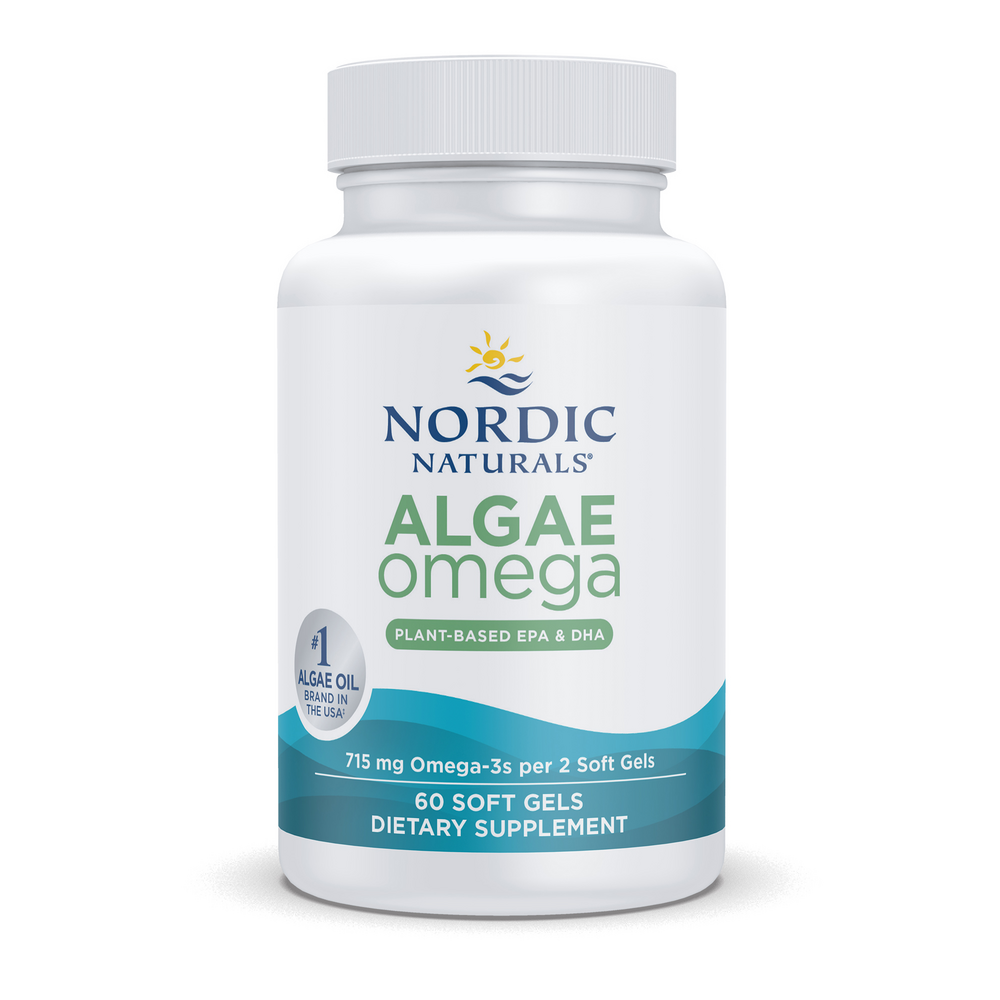
Nordic Naturals
Algae Omega
60 softgels
$30.99extra 19% off with Subscribe & Save
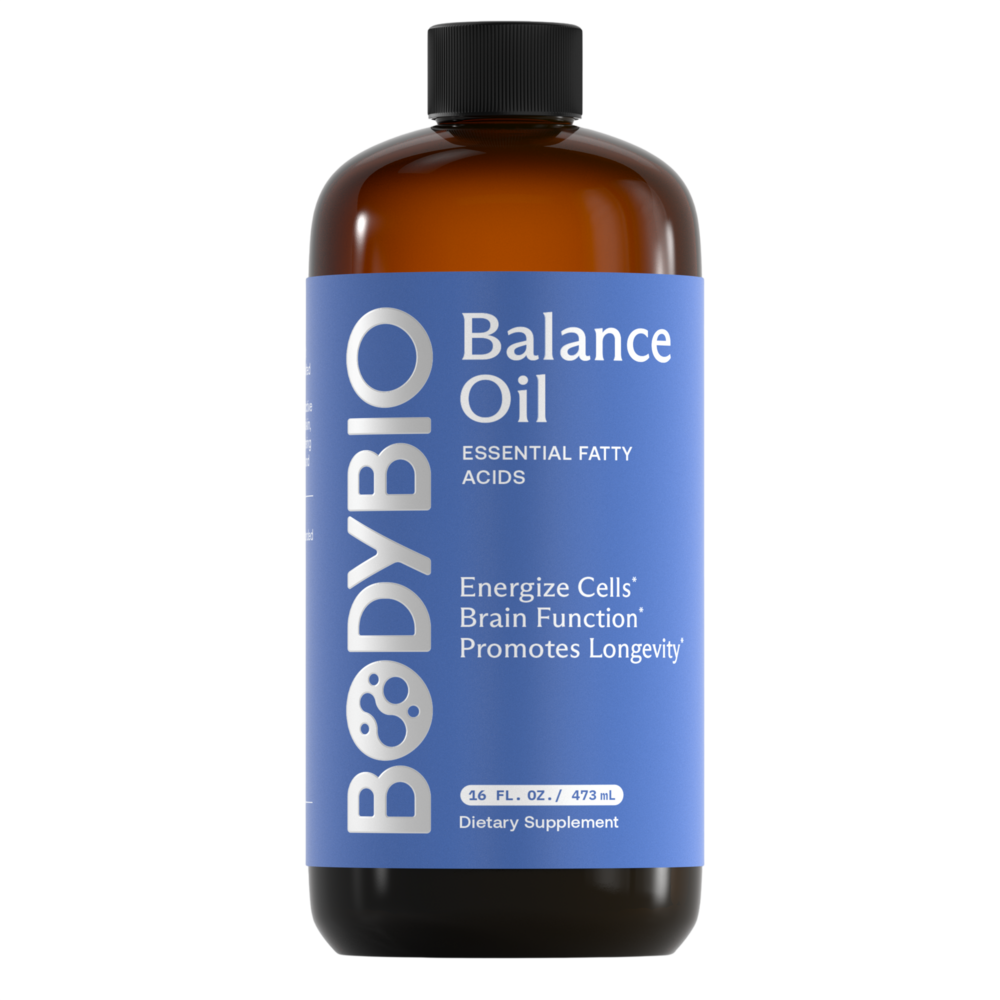
Body Bio
BodyBio Balance Oil
473 milliliters
$36.99extra 19% off with Subscribe & Save
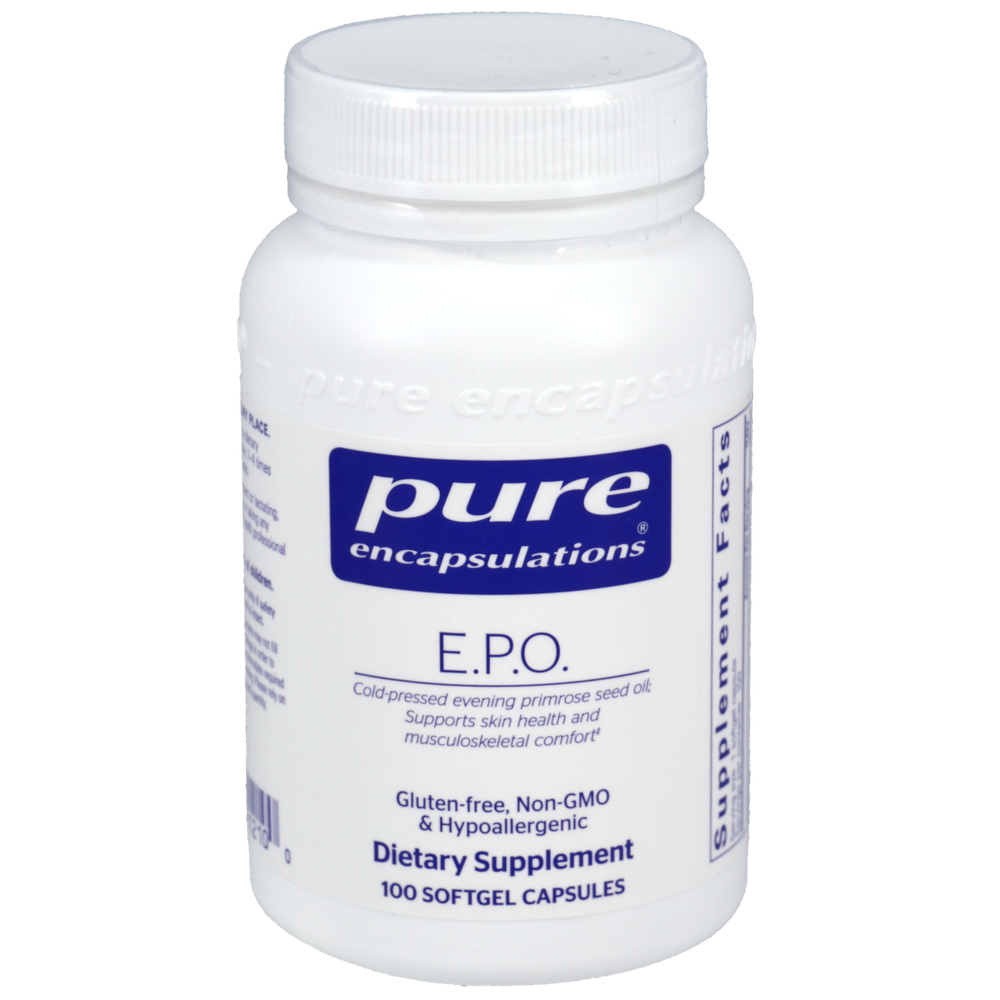
Pure Encapsulations
EPO
100 softgels
$33.00extra 21% off with Subscribe & Save
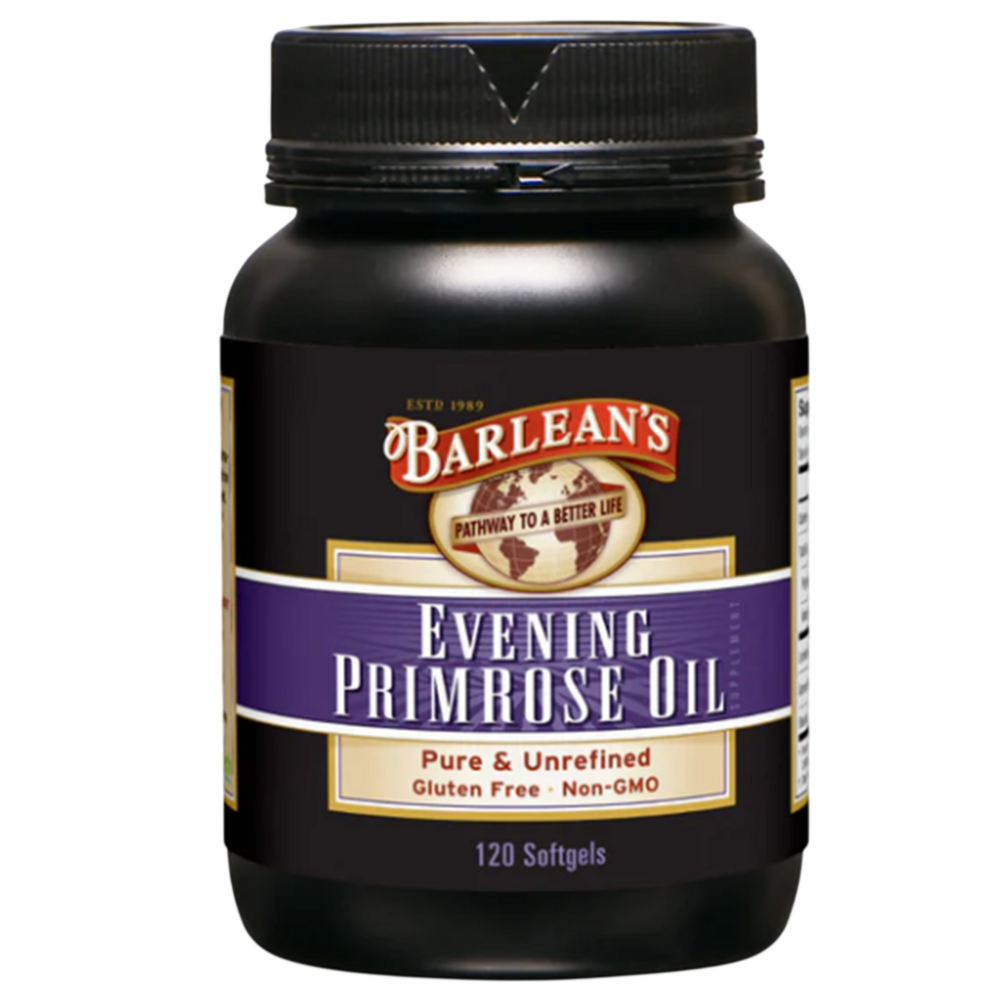
Barlean's Organic Oils
Evening Primrose Oil
120 softgels
$39.99extra 20% off with Subscribe & Save