 Instalab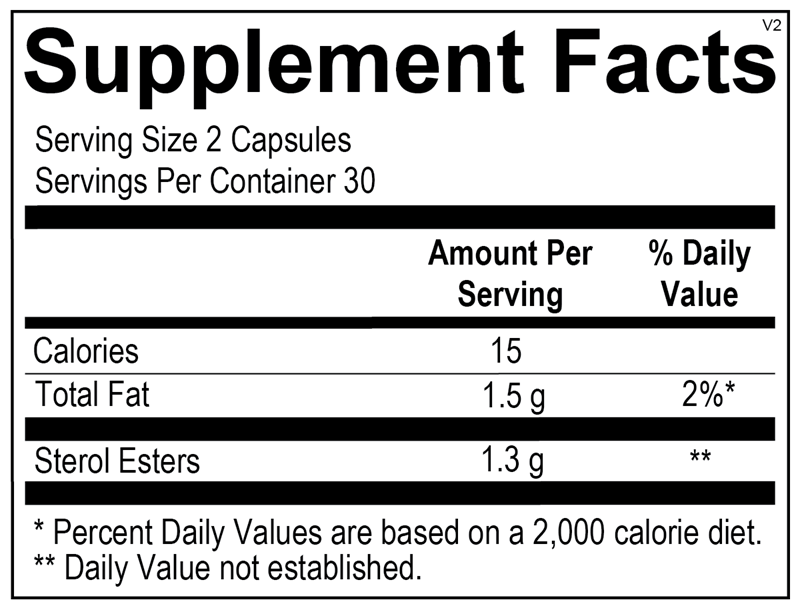
Ortho Molecular Products
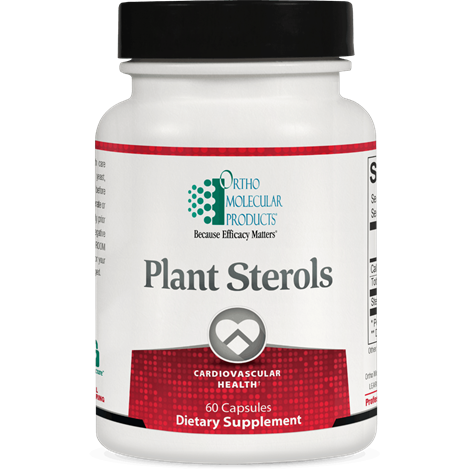
Plant Sterols 1.3 g by Ortho Molecular Products
60 capsules · 30-day supply
Support Healthy Cholesterol Levels with Plant Sterol Esters$48.67
Purchase options
Practitioner-grade brand3rd-party testedFree shipping $50+
Gluten Free·Wheat Free·Corn Free·Yeast Free·Artificial Color Free·Artificial Flavor Free
Ortho Molecular Products Plant Sterols overview
If your LDL Cholesterol is higher than you want on a standard lipid panel, plant sterols for cholesterol are a practical first add-on. They’re also useful if your ApoB (the count of atherogenic particles) or non-HDL Cholesterol runs high despite diet. People who prefer non-fish options, or who tolerate only low-dose statins, often see an extra 8–12% LDL drop within 4 to 8 weeks.
Plant sterol esters look like cholesterol, so they compete with it in the small intestine and reduce how much you absorb from food and bile. Your liver senses less incoming cholesterol and pulls more LDL particles out of circulation, which lowers LDL Cholesterol and modestly lowers ApoB. HDL Cholesterol and Triglycerides are usually unchanged. This form is the dose used in regulatory health claims.
Take the suggested daily amount with a meal that contains some fat, once or split twice daily. This formula provides 1.3 g of plant sterol esters per day, the clinically used amount for LDL reduction. If you’re also on a statin, take with meals you normally eat, then recheck your lipid panel or ApoB after 4 to 12 weeks to gauge response.
Plant sterols can lower absorption of fat‑soluble carotenoids (beta-carotene, lycopene) and vitamins A, D, E, and K; take multivitamins several hours apart and emphasize colorful produce. They layer well with statins and bile acid binders, and add to ezetimibe’s effect. Do not use if you have sitosterolemia (a rare genetic disorder). In pregnancy and breastfeeding, use only under clinician guidance.
Frequently asked questions
Do plant sterols really lower LDL?
Yes. At about 1.3–2 g per day of plant sterol esters with meals, most people see LDL Cholesterol fall 8–12%. The effect is additive with diet changes and usually neutral on HDL and triglycerides.
How long do plant sterols take to work?
Expect changes within 4 to 8 weeks, with full effect by 12 weeks if you take them consistently with meals that contain some fat. Recheck your lipid panel or ApoB after that window.
Should I take plant sterols with food or on an empty stomach?
With food. They need dietary fat present to mix into micelles (the fat droplets that carry cholesterol) and block absorption effectively. Taking them without a meal blunts the effect.
Can I take plant sterols with a statin or ezetimibe?
Yes. They work by reducing intestinal cholesterol absorption, so they add to statins, which reduce liver production. They also add to ezetimibe, though both act in the gut, so expect diminishing returns at high doses.
Do plant sterols affect vitamin absorption?
They can lower absorption of carotenoids (like beta-carotene and lycopene) and fat‑soluble vitamins A, D, E, and K. Take your multivitamin a few hours apart and eat colorful fruits and vegetables.
Who should not take plant sterols?
Avoid if you have sitosterolemia, a rare condition causing high absorption of plant sterols. In pregnancy and breastfeeding, use only if your clinician recommends it. Otherwise, they’re generally well tolerated.
Will plant sterols help triglycerides or HDL?
They primarily lower LDL Cholesterol and ApoB. Triglycerides and HDL Cholesterol typically change little. For high triglycerides, fish oil (EPA/DHA) is more effective, often within 4 to 12 weeks.
How to take it & ingredients
Suggested use: 1-2 capsules per day or as recommended by your health care professional.
Active ingredients
2 capsules per serving · 30 servings
Plant Sterol Esters
From purified plant sterols (campesterol, stigmasterol, β-sitosterol)
From purified plant sterols (campesterol, stigmasterol, β-sitosterol)
1.3 g
Other ingredients: Gelatin, Natural Mixed Tocopherols
Certifications
Benefits
Warnings
Customers also considered
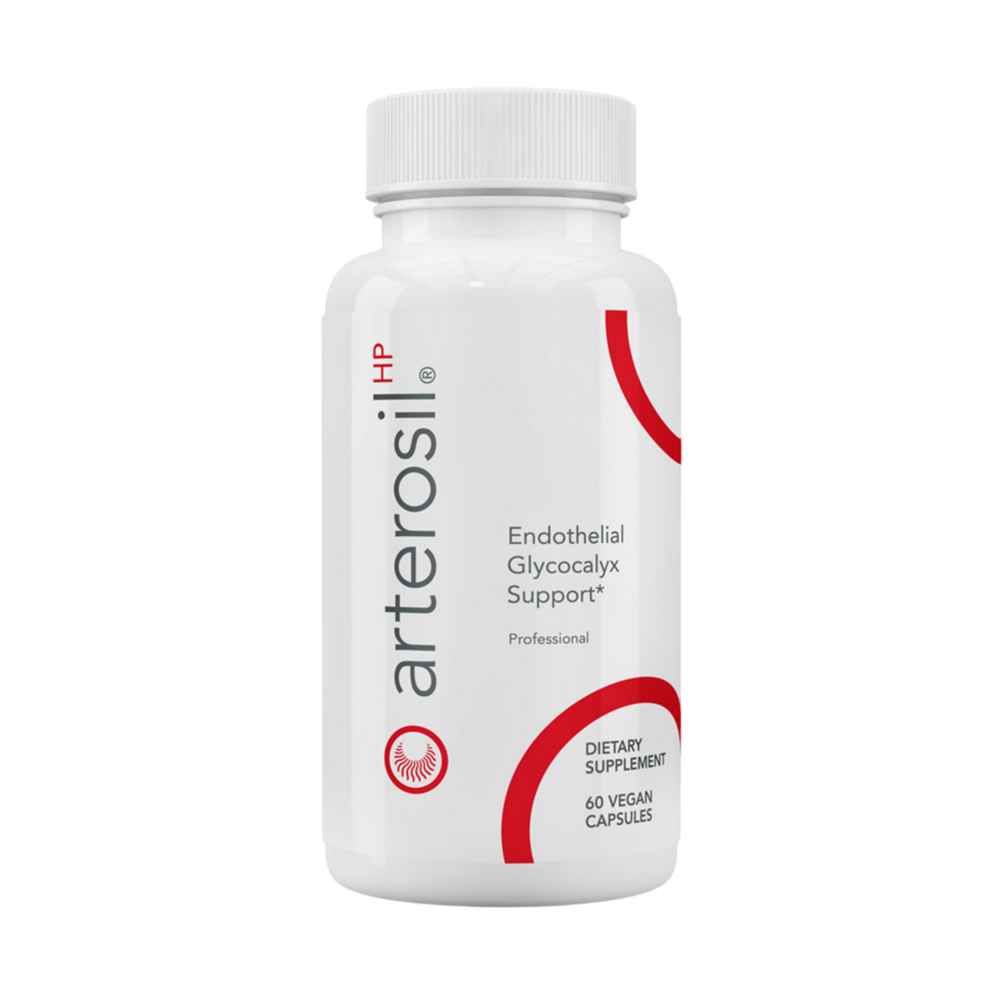
Arterosil HP
Calroy Health Sciences
60 capsules
$99.99$79.99 with Subscribe & Save
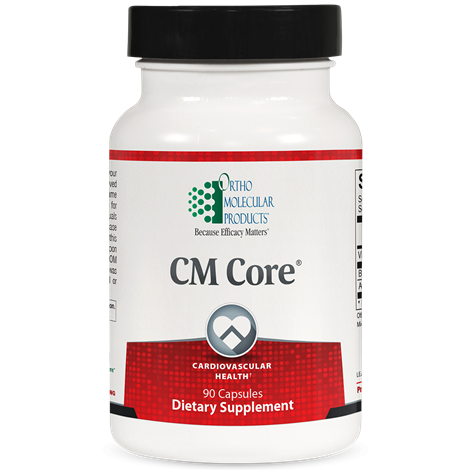
CM Core
Ortho Molecular Products
90 capsules
$70.32$63.35 with Subscribe & Save
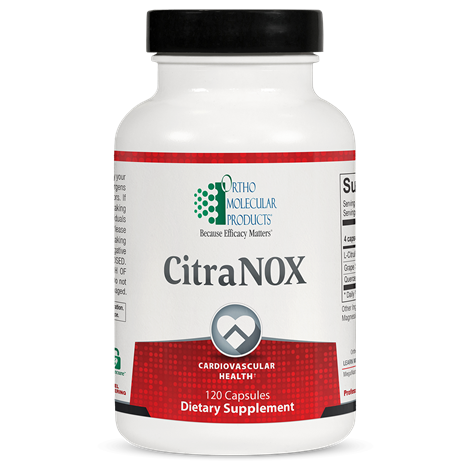
CitraNOX
Ortho Molecular Products
120 capsules
$70.32$63.35 with Subscribe & Save
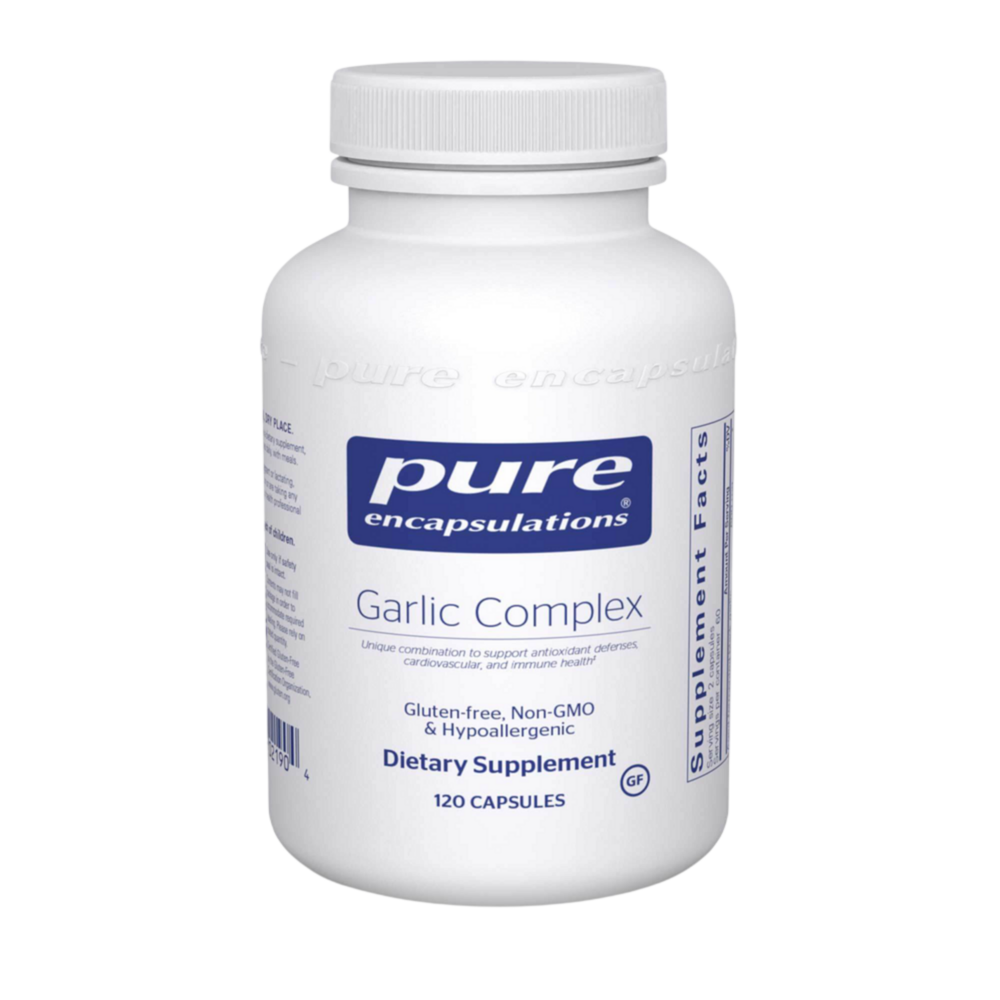
Garlic Complex
Pure Encapsulations
120 capsules
$59.50$47.99 with Subscribe & Save