 Instalab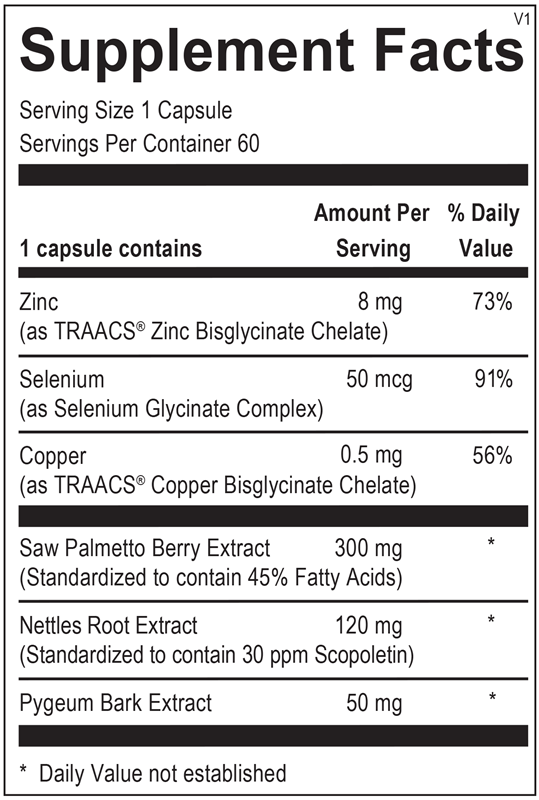
Ortho Molecular Products
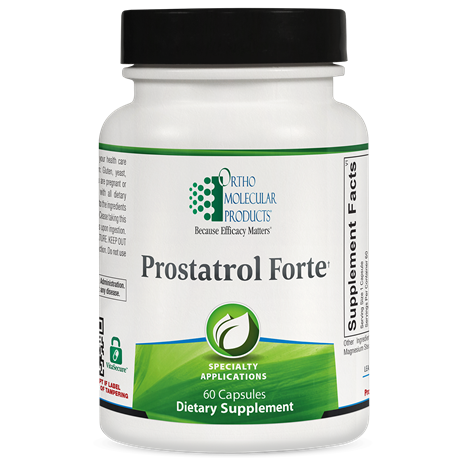
Prostatrol Forte by Ortho Molecular Products
60 capsules · 60-day supply
Comprehensive Support for Prostate Health and Urinary Function$69.21
Purchase options
Practitioner-grade brand3rd-party testedFree shipping $50+
Gluten Free·Wheat Free·Yeast Free·Artificial Color Free·Artificial Flavor Free
Ortho Molecular Products Prostatrol Forte overview
If nighttime bathroom trips and a weak stream are new annoyances, a saw palmetto prostate supplement is often worth a trial. This blend fits men with mild to moderate lower urinary symptoms who want a non‑drug option while tracking PSA (prostate-specific antigen, the screening blood test). It’s practical if your urinalysis is clear, you’re not in retention, and you prefer an herbal approach before or alongside a urology visit.
Saw palmetto limits 5‑alpha‑reductase (the enzyme that turns testosterone into DHT, a stronger hormone that drives prostate growth). Pygeum bark calms prostate and bladder signaling, which can ease nocturia and hesitancy. Nettle root may reduce binding to SHBG (the protein that carries sex hormones), and it has anti‑inflammatory effects in prostate tissue. Zinc, selenium, and copper back enzyme systems that manage oxidative stress. Together, these aim for a modest improvement in flow and urgency.
Take 1 capsule daily with a meal that contains some fat, which improves absorption of these lipophilic extracts. Most responders notice steadier flow and fewer night wakings within 4 to 8 weeks; give it up to 12 weeks before judging. This is a maintenance‑level dose; if symptoms are significant or worsening, see a clinician to discuss prescription options and to review PSA and a post‑void residual measurement.
Skip herbal self‑treatment if you have urinary retention, recurrent urinary infections, blood in urine, fevers, or back/side pain—those need evaluation. Avoid around surgery and use caution if you bruise easily. Do not combine casually with warfarin, clopidogrel, apixaban, rivaroxaban, dabigatran, or edoxaban due to bleeding risk. If you have or are being worked up for prostate cancer, coordinate any supplement use with your urologist.
Herbal 5‑alpha‑reductase effects overlap with finasteride or dutasteride, and symptom effects can overlap with tamsulosin; tell your prescriber if you use this. Unlike finasteride, saw palmetto has not reliably lowered PSA in studies, so keep routine PSA testing on schedule. Track symptom change alongside labs: PSA, urinalysis, and, if indicated, a bladder scan for post‑void residual.
Frequently asked questions
Does saw palmetto actually shrink the prostate?
It does not consistently shrink prostate size. Its benefit is mainly symptom relief—fewer night trips and improved flow—in some men with mild to moderate symptoms.
How long does saw palmetto take to work?
Expect a trial of 4–8 weeks, with full assessment at 12 weeks. If there’s no meaningful change by then, reconsider the plan with your clinician.
Can I take this with finasteride or tamsulosin?
It can overlap in effect. Combining with finasteride/dutasteride (hormone blockers) or tamsulosin (muscle relaxer) should be supervised to avoid side effects like dizziness.
Does saw palmetto affect PSA blood tests?
Unlike finasteride, saw palmetto hasn’t consistently lowered PSA. Keep regular PSA testing and share all supplements with your clinician interpreting results.
What side effects should I watch for?
Most tolerate it well. Possible issues include stomach upset, headache, or dizziness. Rarely, it can increase bleeding risk, especially if combined with blood thinners.
Should I take it with food or at night?
Take with a meal that contains some fat to improve absorption. Timing is flexible; choose a time you can take it consistently.
Is this safe for women or during pregnancy?
No. Saw palmetto and hormone‑active botanicals aren’t recommended in pregnancy, breastfeeding, or for women without clinician guidance.
Which labs should I monitor while using it?
Track PSA and symptoms, and get a urinalysis if infection is suspected. If symptoms persist, ask about a post‑void residual bladder scan.
How to take it & ingredients
Suggested use: 1 capsule per day or as recommended by your health care professional.
Active ingredients
1 capsule per serving · 60 servings
Zinc
As TRAACS® Zinc Bisglycinate Chelate
As TRAACS® Zinc Bisglycinate Chelate
8 mg
Selenium
As Selenium Glycinate Complex
As Selenium Glycinate Complex
50 mcg
Copper
As TRAACS® Copper Bisglycinate Chelate
As TRAACS® Copper Bisglycinate Chelate
0.5 mg
Saw Palmetto Berry Extract
Standardized to contain 45% Fatty Acids
Standardized to contain 45% Fatty Acids
300 mg
Nettles Root Extract
16:1 extract standardized to contain 30 ppm Scopoletin
16:1 extract standardized to contain 30 ppm Scopoletin
120 mg
Pygeum Bark Extract
From Pygeum africanum (standardized dried extract)
From Pygeum africanum (standardized dried extract)
50 mg
Other ingredients: Natural Vegetable Capsules (Hypromellose), Microcrystalline Cellulose, Magnesium Stearate, Silicon Dioxide
Certifications
Benefits
Warnings
Customers also considered
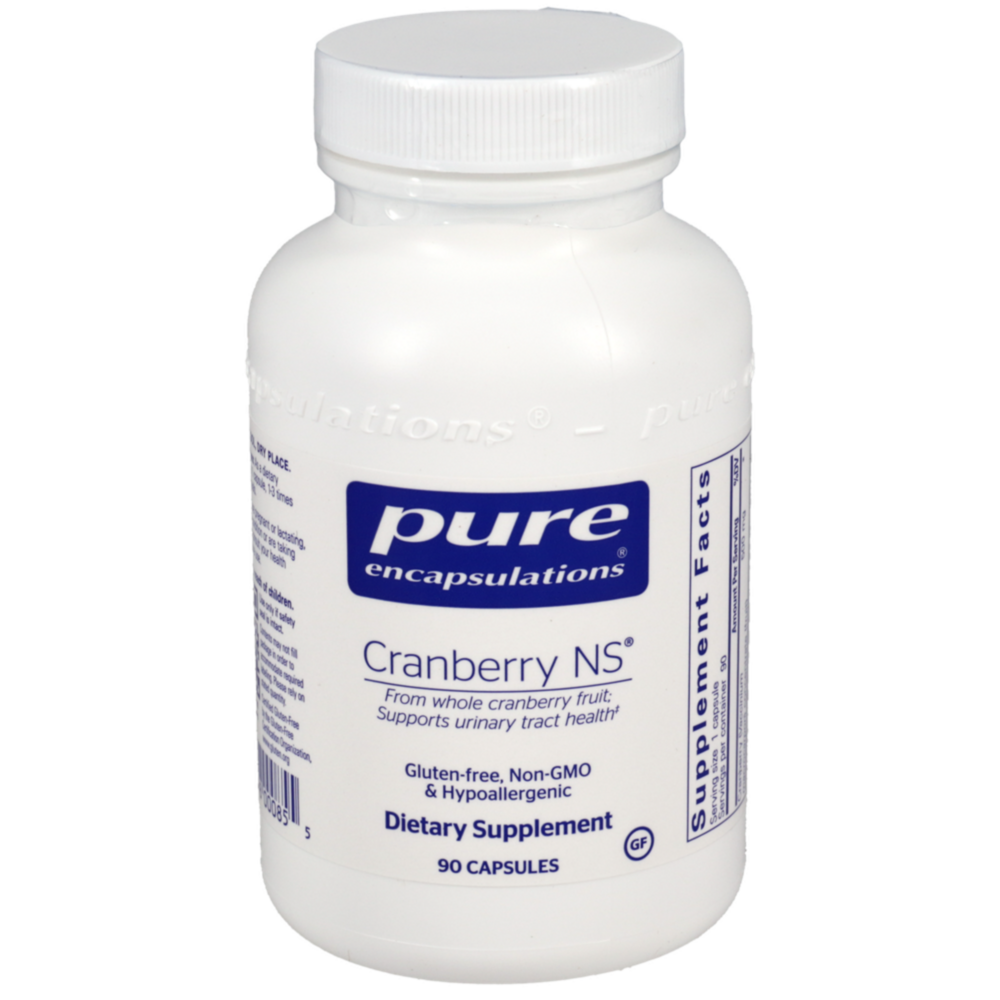
Cranberry NS
Pure Encapsulations
90 capsules
$41.50$32.99 with Subscribe & Save
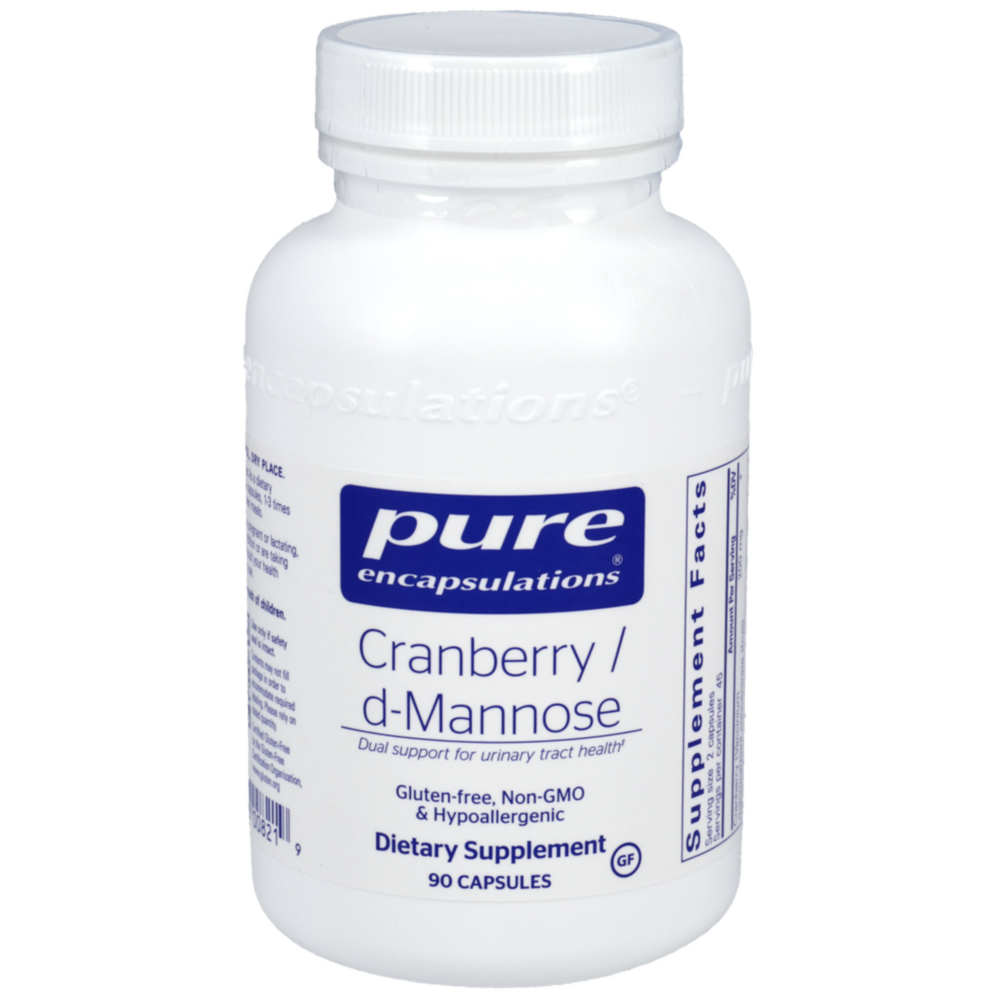
Cranberry/D-Mannose
Pure Encapsulations
90 capsules
$59.00$46.99 with Subscribe & Save
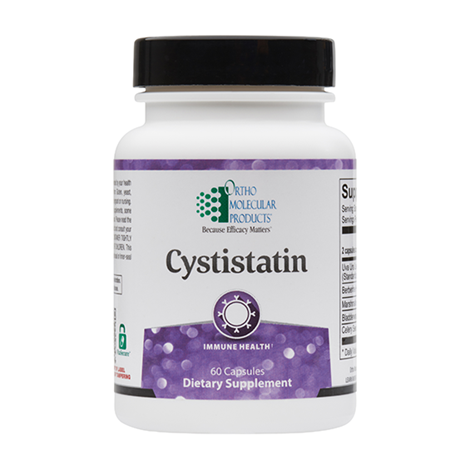
Cystistatin
Ortho Molecular Products
60 capsules
$69.21$62.35 with Subscribe & Save
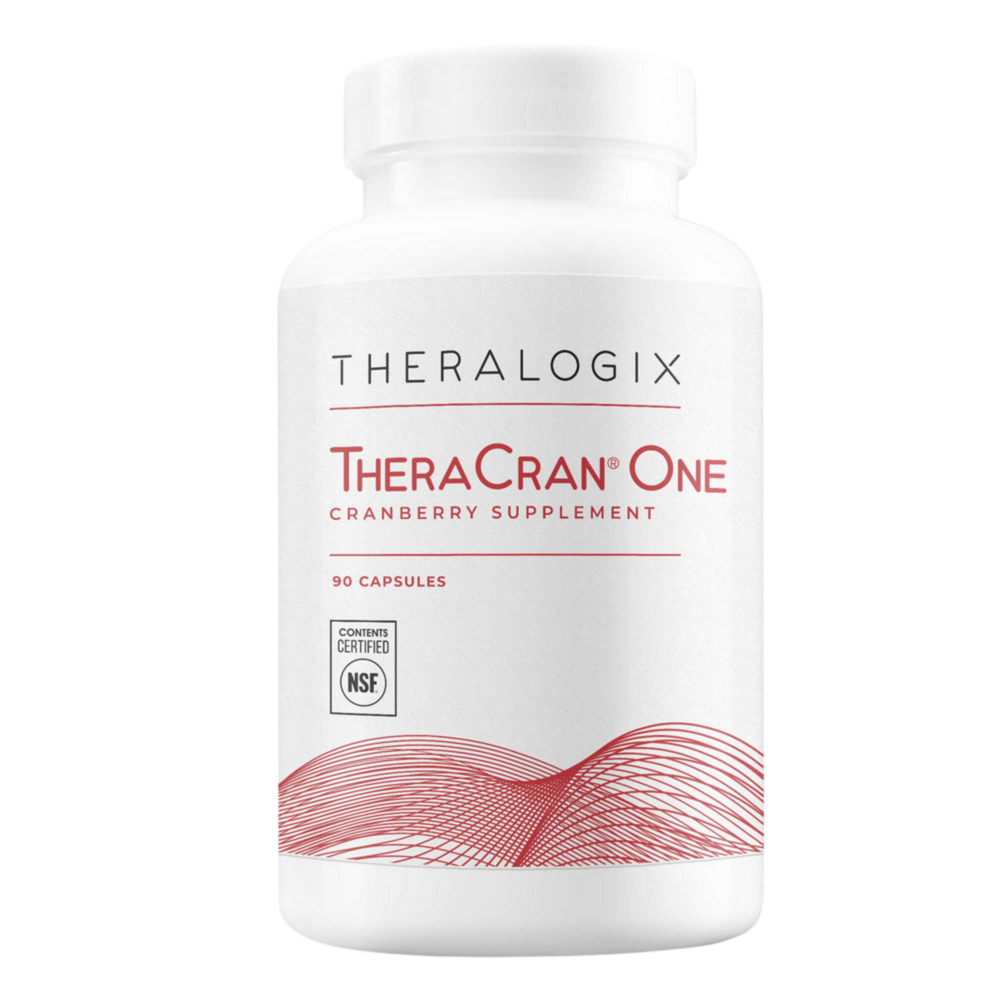
TheraCran One
Theralogix
90 capsules
$95.99$76.99 with Subscribe & Save