 Instalab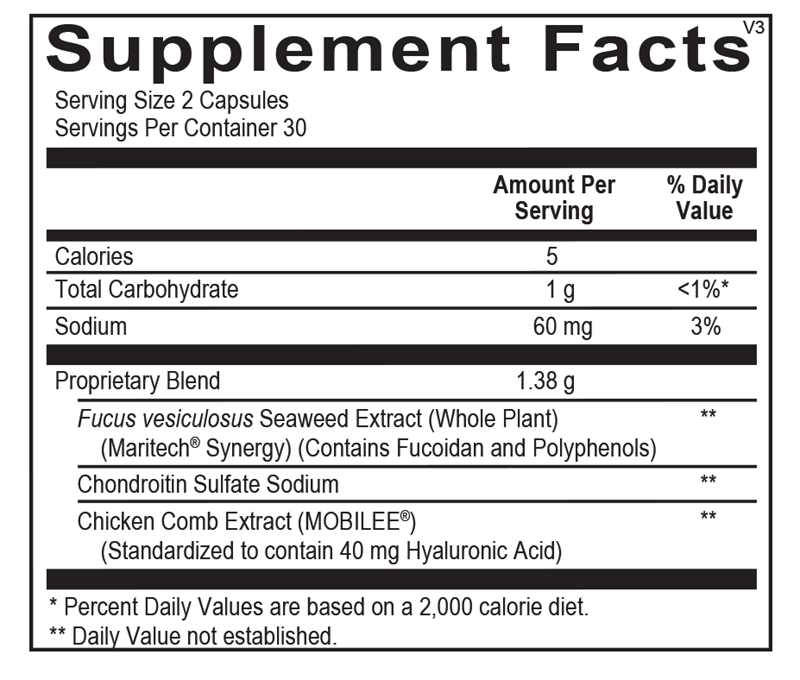

Ortho Molecular Products
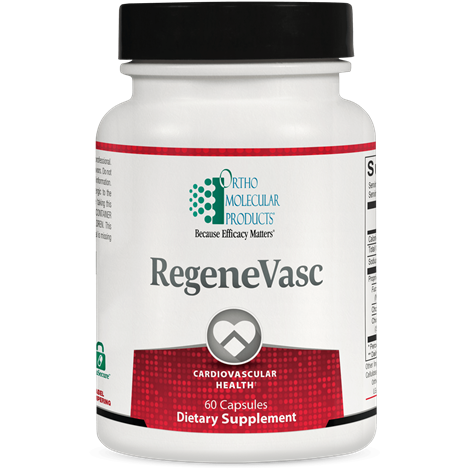
RegeneVasc by Ortho Molecular Products
60 capsules · 30-day supply
Comprehensive Support for Joint and Cardiovascular Health$131.37
Purchase options
Practitioner-grade brand3rd-party testedFree shipping $50+
Gluten Free·Wheat Free·Yeast Free·Artificial Color Free·Artificial Flavor Free
Ortho Molecular Products RegeneVasc overview
If you’re watching vascular health and joint comfort together, this glycocalyx supplement is built for that overlap. It’s a fit if your hs-CRP (an inflammation marker) runs high-normal, if fasting glucose or A1c are creeping up, or if endurance training leaves your legs feeling heavy after hard efforts. Aging adults with stiff joints who also care about artery lining integrity, and people with low seafood intake, are common responders.
Your endothelial glycocalyx is the sugar-rich protective lining on blood vessels. Hyaluronic acid and chondroitin (glycosaminoglycans that act like hydrated scaffolding) help rebuild that barrier so fewer particles stick to the vessel wall. The Fucus vesiculosus extract provides fucoidan, a sulfated polysaccharide that dampens white-blood-cell and platelet adhesion, and supports nitric oxide signaling for smoother blood flow. Clinically, these inputs align with modest reductions in hs-CRP and improvements in joint comfort within 4 to 12 weeks.
Take 2 capsules daily, with food if you’re sensitive. Consistency matters for rebuilding the glycocalyx, which turns over slowly, so give it at least 8 weeks before judging. This is a maintenance-to-therapeutic range for vascular lining nutrients; if joint pain is the primary issue, pairing with a separate glucosamine/chondroitin or adding fish oil is reasonable. Re-check hs-CRP or a lipid panel after 8 to 12 weeks to gauge trend.
Seaweed extracts can contain iodine, so use caution if you have thyroid disease or take levothyroxine; keep iodine intake steady and monitor labs. Fucoidan can have mild blood-thinning effects, so talk to your clinician if you use warfarin, apixaban, clopidogrel, or high-dose fish oil. Avoid if you’re allergic to chicken (the hyaluronic acid is avian-sourced). Pregnancy and breastfeeding: defer unless your clinician is on board.
Frequently asked questions
What is the endothelial glycocalyx and why does it matter?
It’s the sugar-rich protective lining on your blood vessels. It controls what sticks to the vessel wall and how blood cells interact. A healthier glycocalyx is linked to better microcirculation and less inflammatory adhesion, which can show up as easier exercise recovery and better vascular labs over time.
How long does it take to see results from hyaluronic acid and fucoidan?
Most people who respond notice changes in 4–12 weeks. The glycocalyx and joint cartilage remodel slowly, so give it two to three months of daily use, then reassess symptoms and labs like hs-CRP or your lipid panel trend.
Does fucoidan thin your blood?
It has mild anti-adhesive effects on platelets and white cells. It isn’t a drug-level blood thinner, but if you’re on warfarin, apixaban, rivaroxaban, or clopidogrel, talk with your clinician and monitor for bruising or bleeding.
Can I take this with statins or blood pressure medication?
Generally yes. There’s no known direct interaction with statins or common antihypertensives. Still, check with your clinician and keep your regimen stable when you plan lab follow-up, so changes are attributable.
Is the iodine in Fucus seaweed a concern for thyroid?
Seaweed naturally contains iodine. If you have thyroid disease or take levothyroxine, keep iodine intake consistent and have TSH and free T4 checked as usual. If you’re iodine-sensitive, discuss alternatives with your clinician.
Is oral hyaluronic acid actually absorbed?
Yes, small fragments are absorbed and larger ones influence gut-immune signaling. Human trials of oral hyaluronic acid show joint-comfort benefits over 2–3 months, and it’s a structural component of the vascular glycocalyx.
Should I take it with or without food?
Either works. Taking it with a meal can improve tolerance if you have a sensitive stomach. The key is daily consistency at the same time to build the habit.
Who should avoid RegeneVasc?
Skip it if you’re allergic to chicken or advised to avoid seaweed/iodine. Use caution with anticoagulants or antiplatelets, and pause 1 week before elective surgery unless your surgeon says otherwise.
How to take it & ingredients
Suggested use: 2 capsules per day or as recommended by your health care professional.
Active ingredients
2 capsules per serving · 30 servings
Hyaluronic Acid
From Chicken Comb Extract (Mobilee®)
From Chicken Comb Extract (Mobilee®)
40 mg
Proprietary Blend
Chondroitin Sulfate Sodium, Chicken Comb Extract (Mobilee®), Fucus vesiculosus Seaweed Extract (Maritech® Synergy)
Chondroitin Sulfate Sodium, Chicken Comb Extract (Mobilee®), Fucus vesiculosus Seaweed Extract (Maritech® Synergy)
1.38 g
Other ingredients: Hypromellose (Natural Vegetable Capsules), Microcrystalline Cellulose, Magnesium Stearate, Silicon Dioxide
Certifications
Benefits
Warnings
Customers also considered
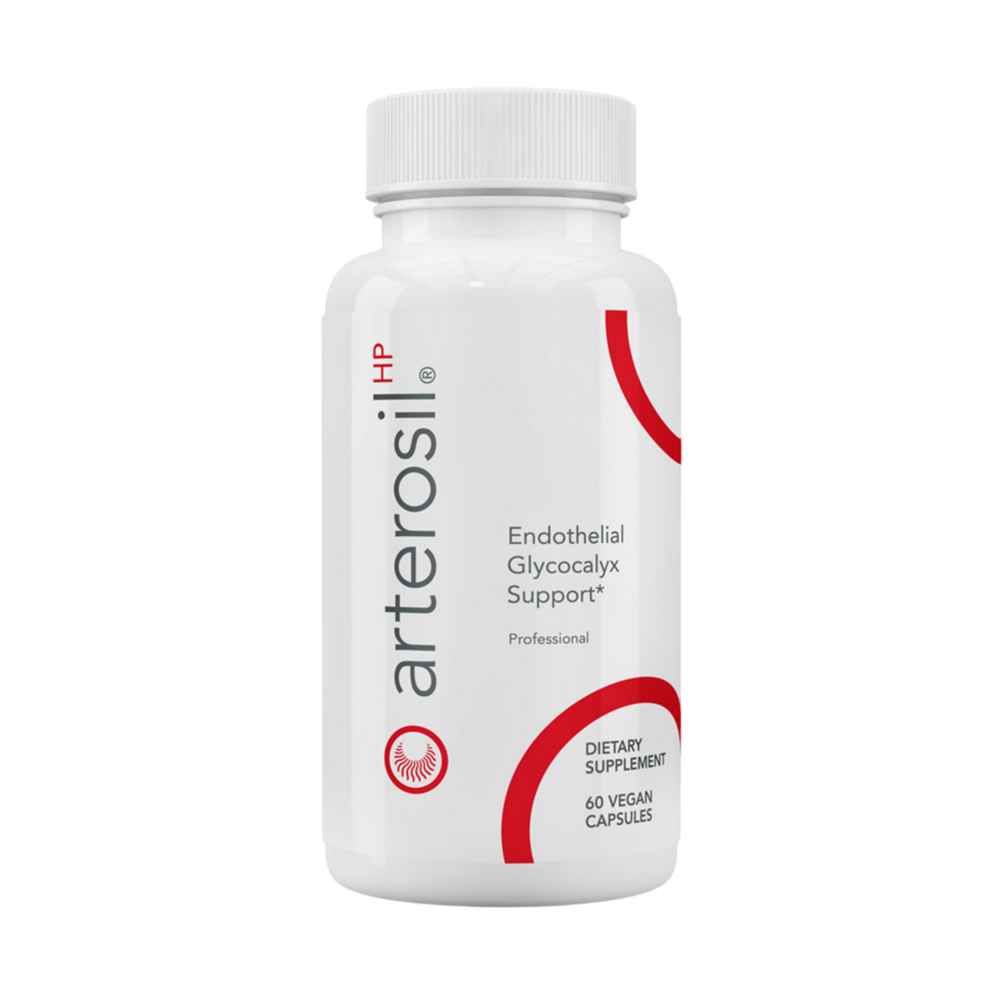
Arterosil HP
Calroy Health Sciences
60 capsules
$99.99$79.99 with Subscribe & Save
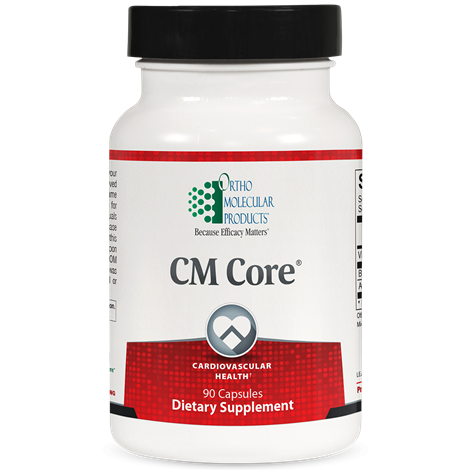
CM Core
Ortho Molecular Products
90 capsules
$70.32$63.35 with Subscribe & Save
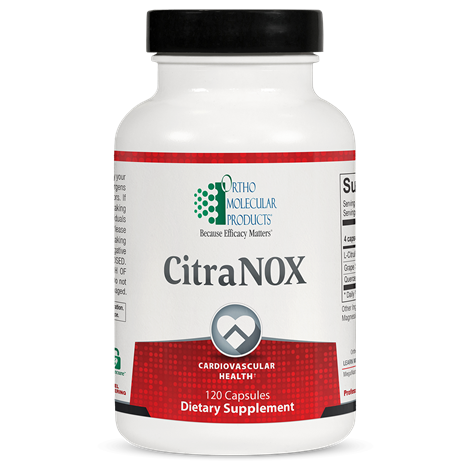
CitraNOX
Ortho Molecular Products
120 capsules
$70.32$63.35 with Subscribe & Save
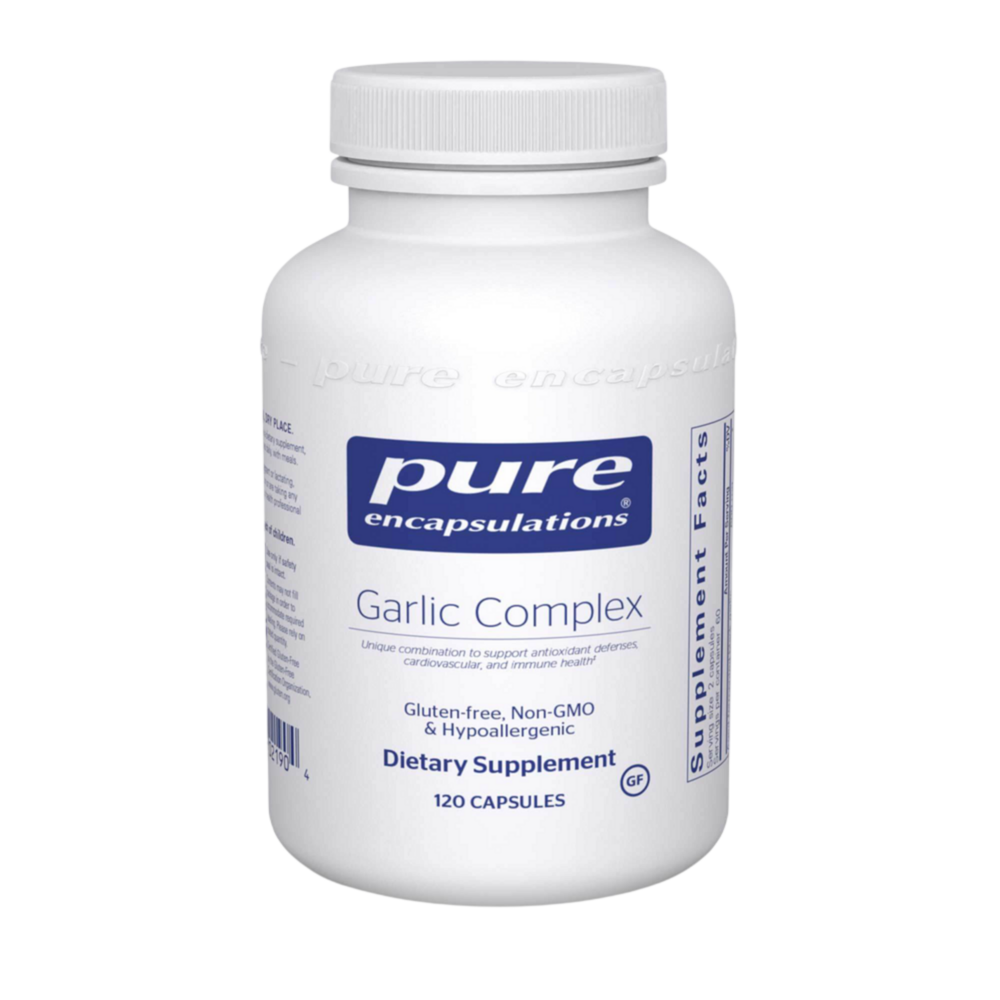
Garlic Complex
Pure Encapsulations
120 capsules
$59.50$47.99 with Subscribe & Save