 Instalab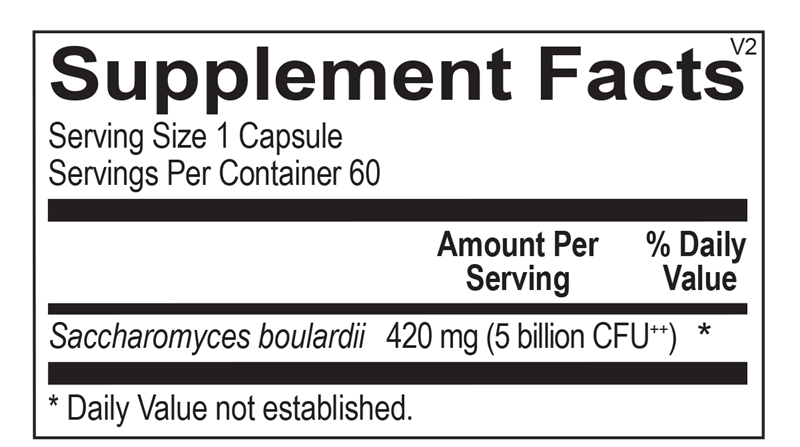

Ortho Molecular Products
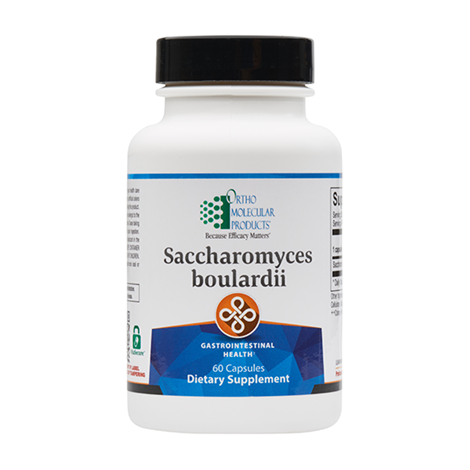
Saccharomyces Boulardii 5 billion CFU by Ortho Molecular Products
60 capsules · 60-day supply
Supports Digestive Health and Gut Balance with 5 Billion CFU$62.10
Purchase options
Practitioner-grade brand3rd-party testedFree shipping $50+
Ortho Molecular Products Saccharomyces Boulardii overview
If you’re starting antibiotics or heading to places with uncertain food and water, Saccharomyces boulardii probiotic is one of the few with consistent data for loose stools. It’s useful if you’ve had antibiotic‑associated diarrhea before or a history of C. difficile (a toxin‑producing bacterium that can recur). People with low fecal sIgA (secretory IgA, the first‑line antibody in the gut) on stool testing, and those who don’t tolerate bacterial probiotics, also tend to do well with this yeast.
This probiotic is a non‑colonizing yeast that passes through, shaping the gut environment while you take it. It increases secretory IgA (the antibody that coats the gut lining), helps block pathogen adhesion, and can bind and neutralize bacterial toxins, including those from C. difficile. It also supports digestive enzymes at the brush border (the gut’s absorptive surface) and helps tighten leaky junctions, which explains why stool frequency and consistency often improve within days.
The suggested use is 1 capsule twice daily, providing 10 billion CFU per day. Take with or without food. If you’re on antibiotics, start the same day and separate doses by at least 2–3 hours. For travel, begin 3–5 days before departure and continue through the trip. Most people notice steadier stools within 3–7 days; give it up to 2 weeks in tougher cases.
Antifungal drugs like fluconazole or nystatin will inactivate this probiotic; use a different strategy if you need those medicines. Rare bloodstream infections have been reported in critically ill or profoundly immunocompromised patients and in those with central venous catheters, so avoid in those settings. If you have recurrent invasive fungal infections, discuss with your clinician first.
Frequently asked questions
Does Saccharomyces boulardii survive antibiotics?
Yes. It’s a yeast, not a bacterium, so antibiotics don’t kill it. Take it 2–3 hours away from your antibiotic dose. Many trials show reduced antibiotic‑associated diarrhea and fewer C. difficile recurrences when it’s used during antibiotic courses.
How long does Saccharomyces boulardii take to work?
Many people see steadier stools within 3–7 days. For recurrent issues, give it up to 2 weeks. It does not permanently colonize, so benefits persist while you’re taking it and a short period after.
Can I take Saccharomyces boulardii with other probiotics?
Yes. It plays well with bacterial probiotics like Lactobacillus and Bifidobacterium. If you’re taking several, you can take them together or split across the day. Watch for mild gas as your gut adjusts.
Do I need to refrigerate Saccharomyces boulardii?
No. This yeast is heat‑stable at room temperature. Store it cool and dry, away from direct heat. Avoid leaving it in a hot car or steamy bathroom for best potency over time.
Can Saccharomyces boulardii cause yeast infections?
Vaginal or oral yeast infections are not typical with this strain. It stays in the gut and is non‑colonizing. If you’re immunocompromised or have active invasive fungal disease, avoid it unless your clinician advises otherwise.
Is Saccharomyces boulardii safe long term?
For most healthy adults, it’s well tolerated for weeks to a few months. Common effects are mild gas or bloating early on. If you need longer use, check in with your clinician and consider tracking stool markers like fecal sIgA or calprotectin.
Can I take Saccharomyces boulardii with antifungals?
No. Antifungals like fluconazole, itraconazole, and nystatin will kill this yeast and negate the benefit. Wait until antifungal therapy is complete, or choose a bacterial probiotic instead.
How to take it & ingredients
Suggested use: 1 capsule two times per day or as recommended by your health care professional.
Active ingredients
1 capsule per serving · 60 servings
Saccharomyces boulardii
Freeze-dried, strain-verified through genetic typing
Freeze-dried, strain-verified through genetic typing
5 billion CFU
Other ingredients: Hypromellose (Natural Vegetable Capsules), Microcrystalline Cellulose, Magnesium Stearate, Silicon Dioxide
Certifications
Benefits
Warnings
Customers also considered
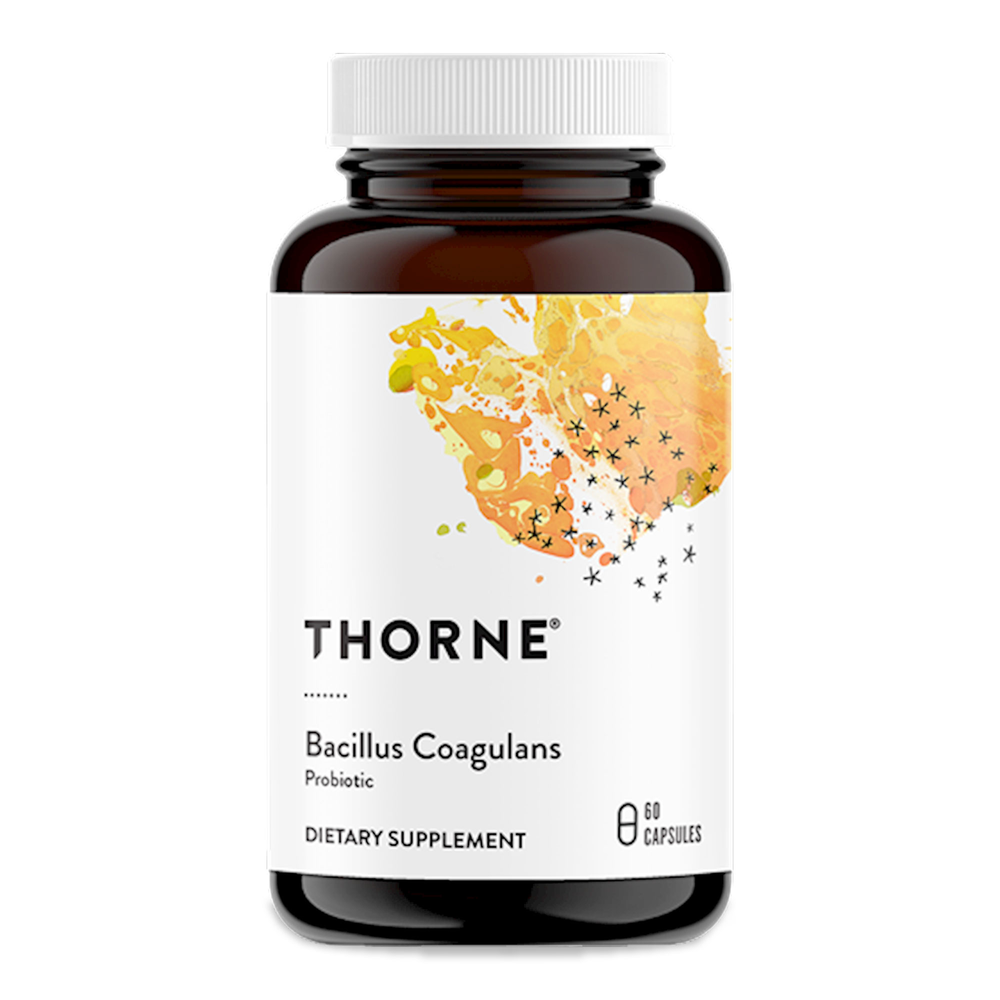
Bacillus Coagulans
Thorne
60 capsules
$33.00$29.70 with Subscribe & Save
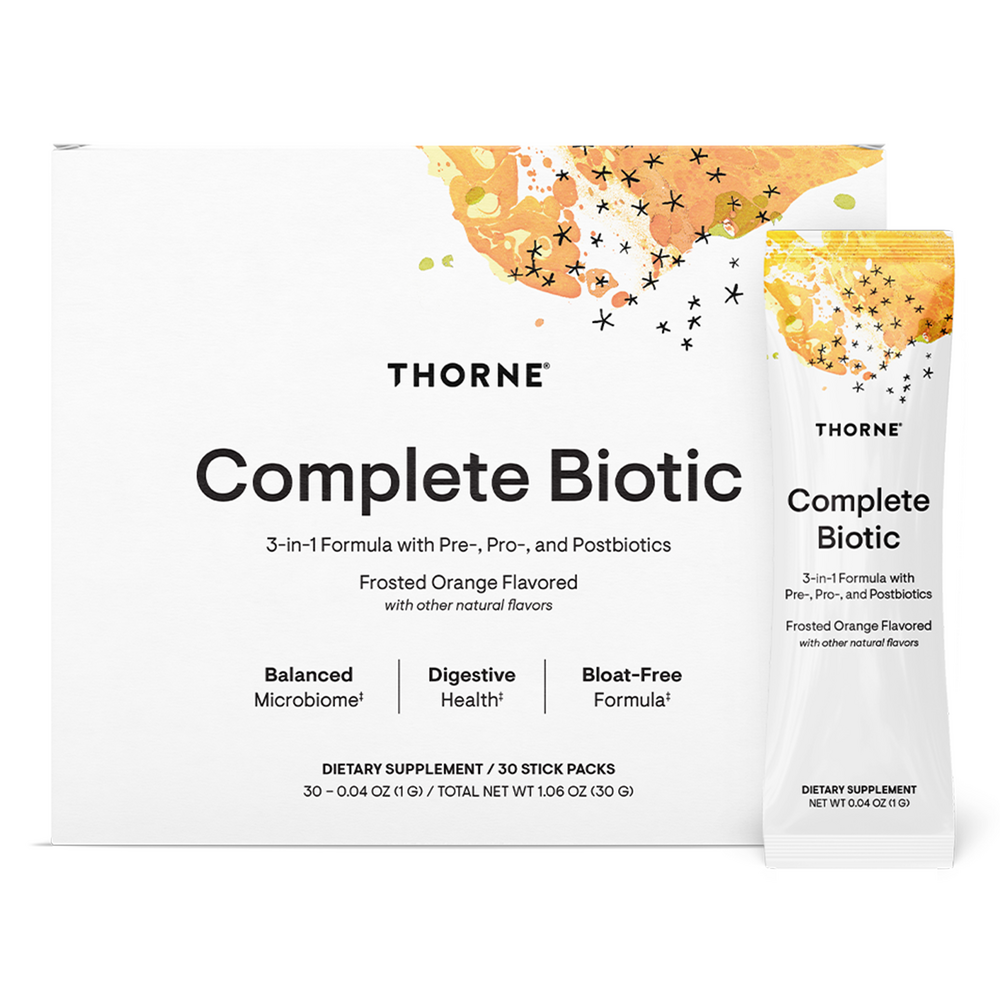
Complete Biotic
Thorne
30 packets
$46.00$41.40 with Subscribe & Save
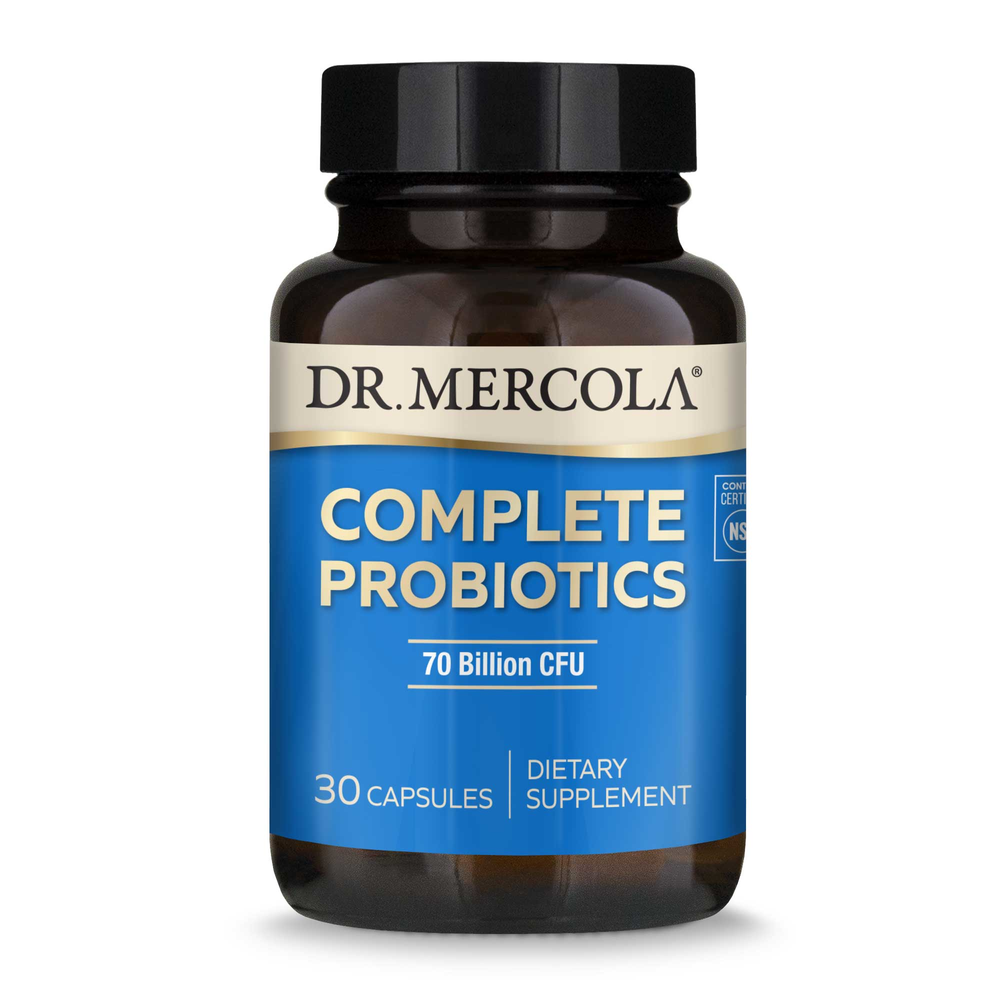
Complete Probiotics 70 Billion CFU
Dr. Mercola
30 capsules
$46.99$37.99 with Subscribe & Save
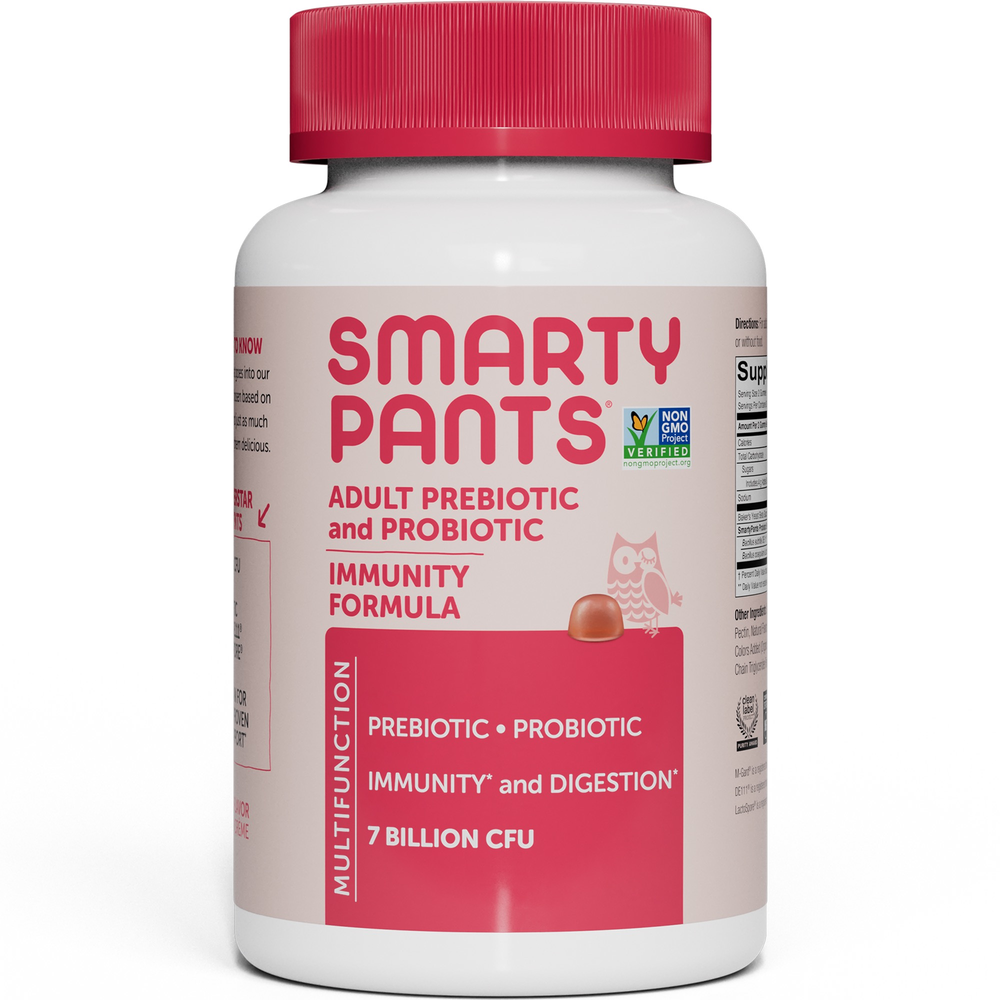
Digestive Probiotic & Prebiotic Grape
SmartyPants
60 gummies
$36.99$29.99 with Subscribe & Save