 Instalab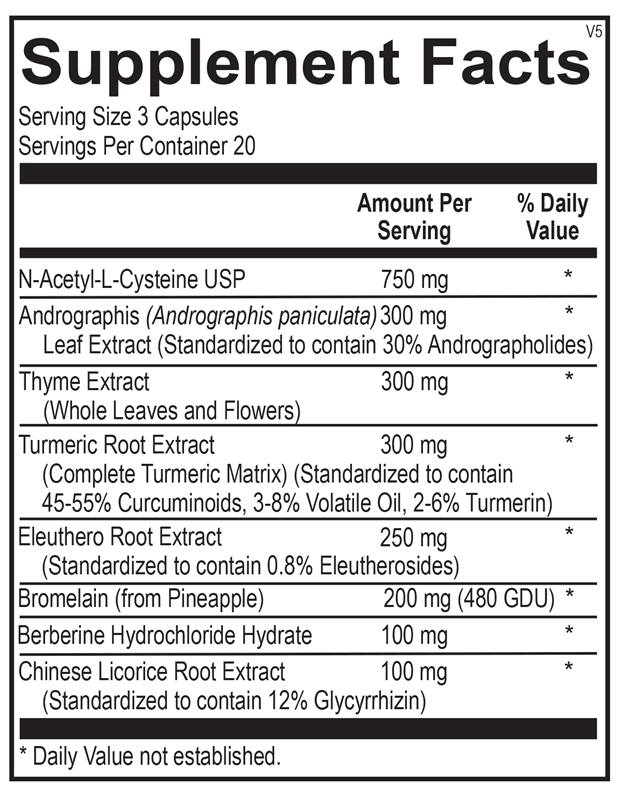
Ortho Molecular Products
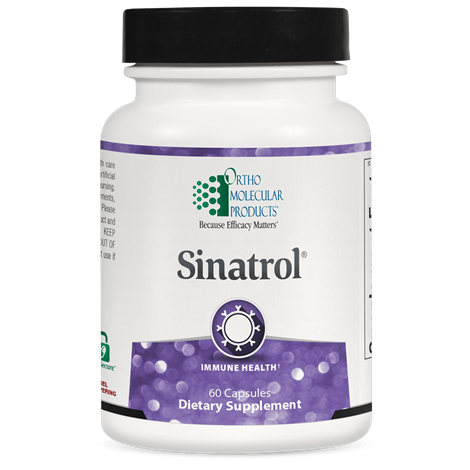
Sinatrol® by Ortho Molecular Products
60 capsules · 20-day supply
Comprehensive Immune Support with Powerful Herbal and Nutrient Blend$54.22
Purchase options
Practitioner-grade brand3rd-party testedFree shipping $50+
Gluten Free·Yeast Free·Artificial Color Free·Artificial Flavor Free
Ortho Molecular Products Sinatrol® overview
This fits adults with recurrent congestion, pressure, or thick post‑nasal drip who want a non-drowsy sinus supplement they can take during flares or travel. It’s a practical choice if decongestants wire you or antihistamines dry you out. If your hs-CRP (an inflammation marker) tends to run high during flares or your Total IgE (allergy signal) is up in allergy season, the anti-inflammatory and mucus-thinning mix here is often noticeable within a week.
NAC (N-acetylcysteine) breaks disulfide bonds in mucus, making it thinner and easier for cilia, the tiny hairs lining your nose, to move out. Bromelain (a pineapple enzyme) and turmeric extract temper local swelling, while andrographis, thyme, and berberine provide antimicrobial pressure and ease throat and bronchial irritation. Licorice extract soothes irritated tissue, and eleuthero helps with the energy dip that often accompanies head colds. Together, people usually feel less pressure and easier drainage in 2–7 days.
Take 3 capsules daily with food, ideally earlier in the day; eleuthero can feel a bit stimulating for some at night. During an acute flare, keep the full dose for 7–14 days, then taper as symptoms settle. NAC can cause mild nausea on an empty stomach, so pair with a snack. If you need long-term support for chronic congestion, consider pulsing 2–4 weeks on, 1–2 weeks off, and track symptoms.
Berberine can lower blood sugar; use caution with diabetes meds and monitor fasting glucose or A1c. Licorice (glycyrrhizin) can raise blood pressure and lower potassium, so avoid with uncontrolled hypertension, diuretics, or digoxin, and check potassium if you use it longer than a few weeks. Bromelain and turmeric can increase bleeding risk; pause before procedures and be careful with blood thinners. Pregnancy and nursing: avoid due to andrographis, berberine, and licorice.
Frequently asked questions
How fast does this help sinus congestion?
Most people notice easier drainage and less pressure within 2–7 days. The mucus-thinning (from NAC) can start sooner, while anti-inflammatory effects from bromelain and turmeric build over several days.
Can I take it with antihistamines or a decongestant?
Yes, they work by different mechanisms. This thins mucus and calms tissue, while antihistamines and decongestants target allergy signals or blood vessel swelling. If you feel jittery on combos, scale back the decongestant first.
Does bromelain or turmeric thin the blood?
They can modestly increase bleeding risk. If you take warfarin, DOACs, high-dose fish oil, or aspirin, talk with your clinician and watch for easy bruising or nosebleeds. Stop 5–7 days before surgery.
Is licorice safe if I have high blood pressure?
Not typically. Glycyrrhizin in licorice can raise blood pressure and lower potassium. If your blood pressure runs high or you use diuretics, choose a licorice-free sinus option instead.
Will berberine affect my blood sugar?
It can lower glucose and improve insulin sensitivity. If you use diabetes medications or a continuous glucose monitor, watch for lows and consider dose adjustments with your clinician.
Can I open the capsules?
You can open them and mix with a small amount of applesauce or yogurt. The taste is bitter (andrographis and berberine), so mix well and take with food to reduce nausea.
How long can I take it?
Use the full dose for 1–2 weeks during flares. For frequent issues, many rotate it 2–4 weeks on and 1–2 weeks off. Long stretches beyond a month call for clinician input, especially with licorice and berberine.
Who should avoid this supplement?
Avoid in pregnancy or breastfeeding, with gallbladder blockage, uncontrolled hypertension, low potassium, active peptic ulcers, or if you’ve had allergic reactions to pineapple or turmeric.
How to take it & ingredients
Suggested use: 3 capsules per day or as recommended by your health care professional.
Active ingredients
3 capsules per serving · 20 servings
N-Acetyl-L-Cysteine
USP
USP
750 mg
Andrographis paniculata Leaf Extract
Standardized to contain 30% Andrographolides
Standardized to contain 30% Andrographolides
300 mg
Thyme Extract
Whole Leaves and Flowers
Whole Leaves and Flowers
300 mg
Turmeric Root Extract
Complete Turmeric Matrix (Standardized to contain 45–55% Curcuminoids, 3–8% Volatile Oil, 2–6% Turmerin)
Complete Turmeric Matrix (Standardized to contain 45–55% Curcuminoids, 3–8% Volatile Oil, 2–6% Turmerin)
300 mg
Eleuthero Root Extract
Standardized to contain 0.8% Eleutherosides
Standardized to contain 0.8% Eleutherosides
250 mg
Bromelain
From Pineapple (480 GDU)
From Pineapple (480 GDU)
200 mg
Berberine Hydrochloride Hydrate
From Oregon grape root / barberry
From Oregon grape root / barberry
100 mg
Chinese Licorice Root Extract
Standardized to contain 12% Glycyrrhizin
Standardized to contain 12% Glycyrrhizin
100 mg
Other ingredients: Hypromellose (Natural Vegetable Capsules), Magnesium Stearate, Silicon Dioxide
Certifications
Benefits
Warnings
Customers also considered
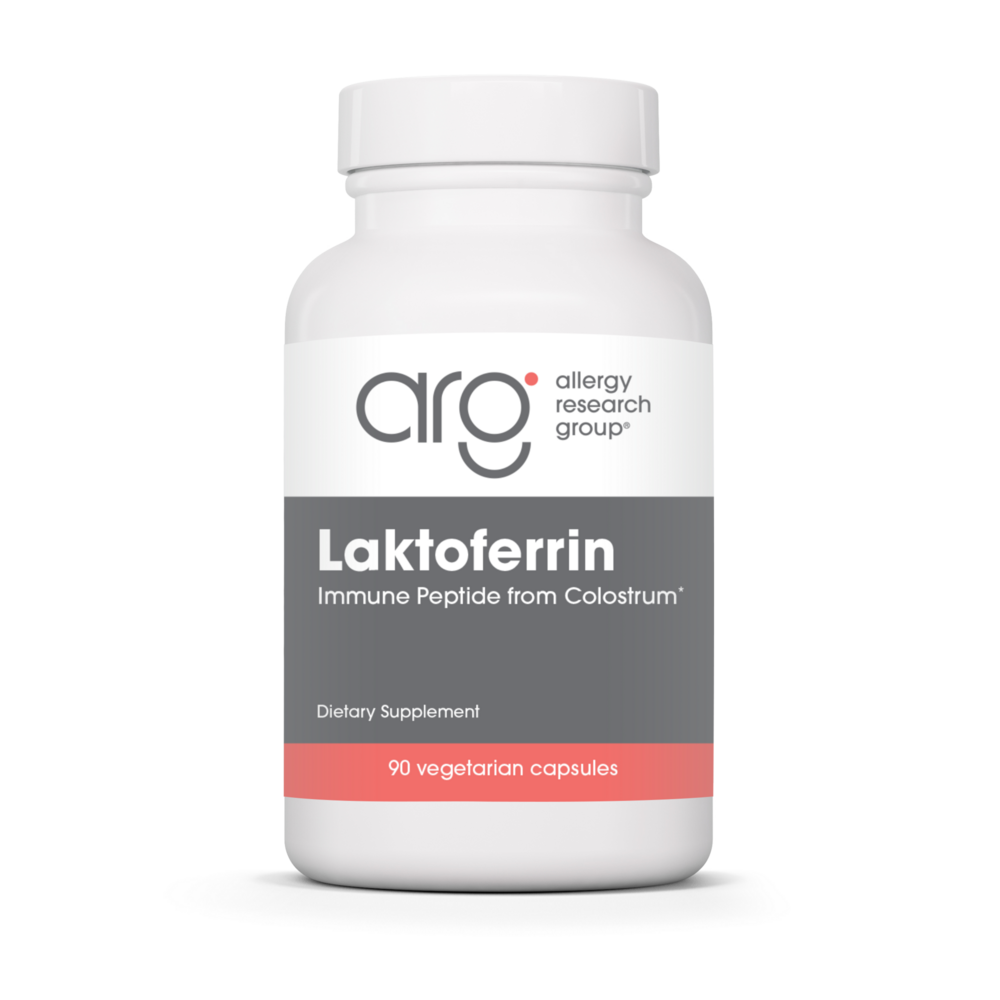
Laktoferrin 350mg
Allergy Research Group
90 capsules
$131.99$105.99 with Subscribe & Save
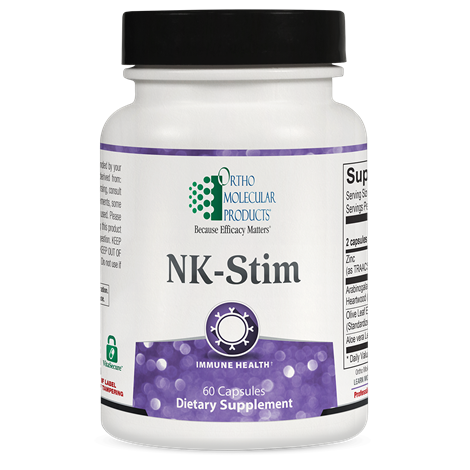
NK-Stim
Ortho Molecular Products
60 capsules
$72.54$65.35 with Subscribe & Save
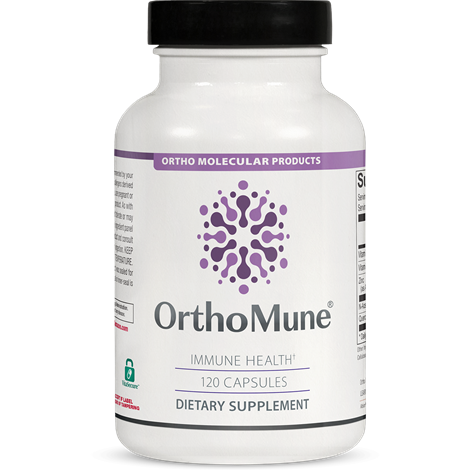
OrthoMune®
Ortho Molecular Products
120 capsules
$67.10$60.45 with Subscribe & Save
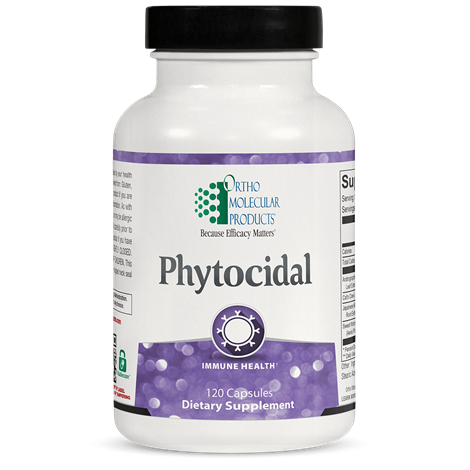
Phytocidal
Ortho Molecular Products
120 capsules
$100.07$90.15 with Subscribe & Save