 Instalab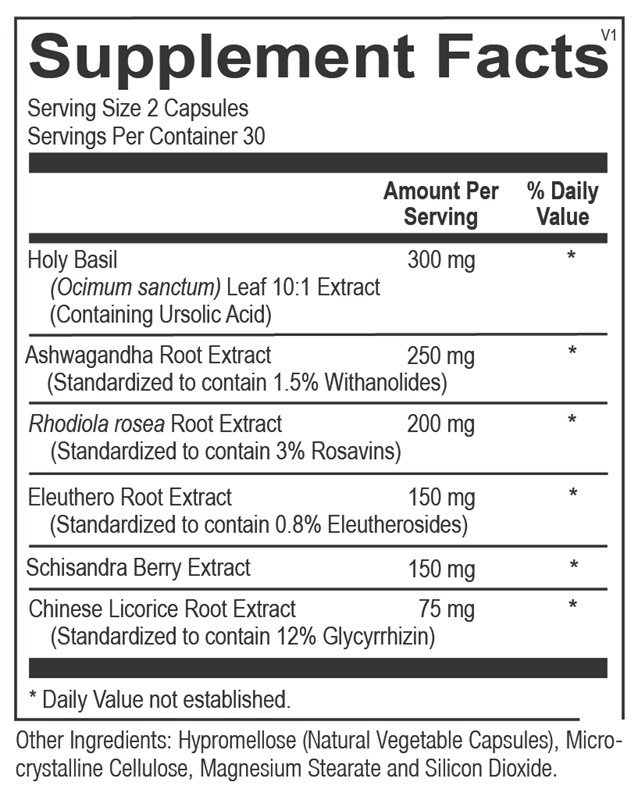
Ortho Molecular Products
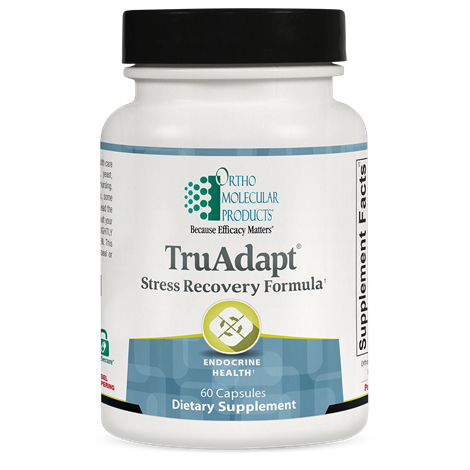
TruAdapt by Ortho Molecular Products
60 capsules · 30-day supply
Adaptogenic Blend for Stress Relief and Resilience$56.78
Purchase options
Practitioner-grade brand3rd-party testedFree shipping $50+
Gluten Free·Wheat Free·Yeast Free·Artificial Color Free·Artificial Flavor Free
Ortho Molecular Products TruAdapt overview
This fits high-stress professionals, new parents, and shift workers who feel wired-and-tired and want an adaptogen supplement for stress without stimulants. It’s also useful if your morning Cortisol (blood or saliva cortisol level) runs high and DHEA-S (an adrenal hormone that buffers stress) is low-normal. If you’re overtraining or recovering from an illness with lingering fatigue, this blend can help steady energy and focus without caffeine.
Ashwagandha can modestly lower perceived stress and bring down elevated cortisol by nudging the HPA axis (the brain-to-adrenal stress circuit) toward balance. Rhodiola improves mental fatigue and attention within 1 to 2 weeks. Holy basil and schisandra add calm focus, while eleuthero supports stamina. Licorice slows cortisol breakdown (via the 11β-HSD2 enzyme that inactivates cortisol), which can feel energizing but may raise blood pressure in sensitive people.
Start with 2 capsules in the morning with food for 5 to 7 days. If afternoon fatigue persists, add 2 capsules at lunch. Avoid taking late in the day if you’re sensitive to stimulation. Most notice steadier energy in 1 to 2 weeks, with fuller effects by 4 to 6 weeks. If you also use coffee, trial the morning dose without caffeine first to gauge response.
Skip or get clinician guidance if you have uncontrolled high blood pressure, low potassium history, kidney disease, or you take diuretics or corticosteroids, because licorice can amplify cortisol action and deplete potassium. Avoid in pregnancy and breastfeeding. Use caution with hyperthyroidism or thyroid medication, bipolar spectrum conditions, or if you’ve had unexplained liver issues; rare liver injury has been reported with ashwagandha.
Licorice can counteract antihypertensives and interact with diuretics. Rhodiola and ashwagandha may increase stimulation with SSRIs/SNRIs or other serotonergic drugs; discuss with your prescriber. Monitor morning Cortisol and DHEA-S if you’re tracking the HPA axis, and consider TSH (thyroid-stimulating hormone) if you notice heat intolerance, palpitations, or new anxiety after starting.
Frequently asked questions
How long do adaptogens take to work?
Many feel calmer focus and less fatigue within 1 to 2 weeks. Stress resilience and sleep quality usually build over 4 to 6 weeks. If nothing changes by week 4, reassess dose, timing, or fit.
Can I take this adaptogen supplement with coffee?
Yes, but try the morning dose without caffeine first. Rhodiola and licorice can feel activating, so adding coffee may cause jitters in some people. Add caffeine back once you know your response.
Does licorice in adaptogens raise blood pressure?
It can. Glycyrrhizin in licorice slows cortisol breakdown, which may raise blood pressure and lower potassium in sensitive people. If you have hypertension, monitor closely or choose a licorice-free formula.
Are adaptogens safe with antidepressants?
Caution is warranted. Rhodiola has mild serotonergic activity and can feel stimulating, which may compound effects of SSRIs/SNRIs. Discuss with your prescriber and start low if approved.
Should I take adaptogens at night?
Generally no. Rhodiola and eleuthero can be energizing, which may disrupt sleep. Morning or early afternoon is best. If sleep is your main issue, consider separate sleep-focused options at night.
Can I use this while pregnant or breastfeeding?
No. Ashwagandha and licorice are not recommended in pregnancy, and safety in breastfeeding isn’t well established. Work with your obstetric clinician for stress and sleep strategies instead.
What labs can I track with adaptogens?
Morning Cortisol and DHEA-S are the most relevant. If symptoms suggest thyroid changes, check TSH. If using licorice long term, consider blood pressure and a basic metabolic panel for potassium.
What side effects should I watch for?
Possible effects include jitteriness, headache, nausea, or higher blood pressure from licorice. Rarely, ashwagandha has been linked to liver irritation; stop and seek care if you develop jaundice or dark urine.
How to take it & ingredients
Suggested use: 2 capsules taken one or two times per day, or as recommended by your health care professional.
Active ingredients
2 capsules per serving · 30 servings
Holy Basil Leaf Extract
Ocimum sanctum (10:1 Extract)
Ocimum sanctum (10:1 Extract)
300 mg
Ashwagandha Root Extract
Standardized to contain 1.5% Withanolides
Standardized to contain 1.5% Withanolides
250 mg
Rhodiola rosea Root Extract
Standardized to contain 3% Rosavins
Standardized to contain 3% Rosavins
200 mg
Eleuthero Root Extract
Eleutherococcus senticosus (Standardized to contain 0.8% Eleutherosides)
Eleutherococcus senticosus (Standardized to contain 0.8% Eleutherosides)
150 mg
Schisandra Berry Extract
Schisandra chinensis
Schisandra chinensis
150 mg
Licorice Root Extract
Standardized to contain 12% Glycyrrhizin
Standardized to contain 12% Glycyrrhizin
75 mg
Other ingredients: Hypromellose (Natural Vegetable Capsules), Microcrystalline Cellulose, Magnesium Stearate, Silicon Dioxide
Certifications
Benefits
Warnings
Customers also considered
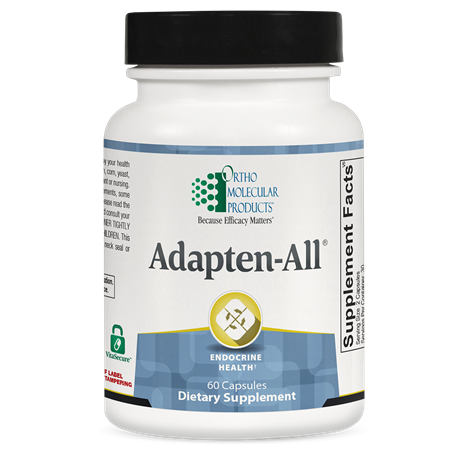
Adapten-All
Ortho Molecular Products
60 capsules
$48.34$43.55 with Subscribe & Save
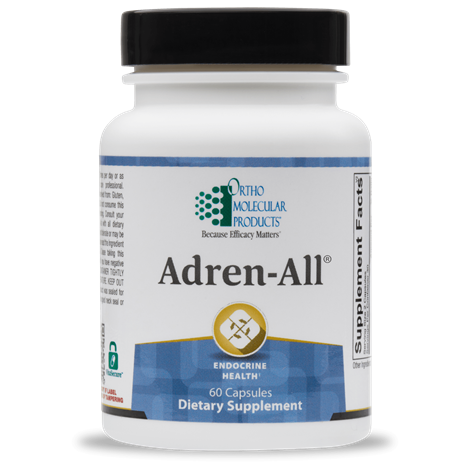
Adren-All
Ortho Molecular Products
60 capsules
$48.34$43.55 with Subscribe & Save
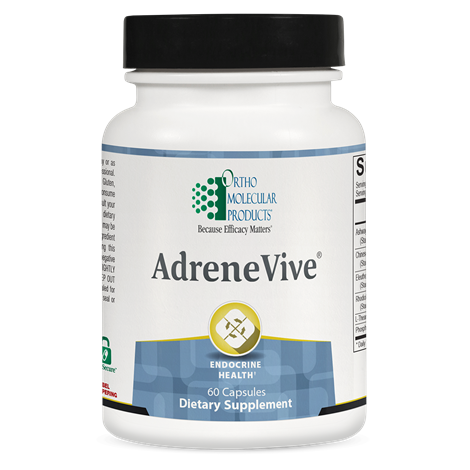
AdreneVive
Ortho Molecular Products
60 capsules
$73.32$66.05 with Subscribe & Save
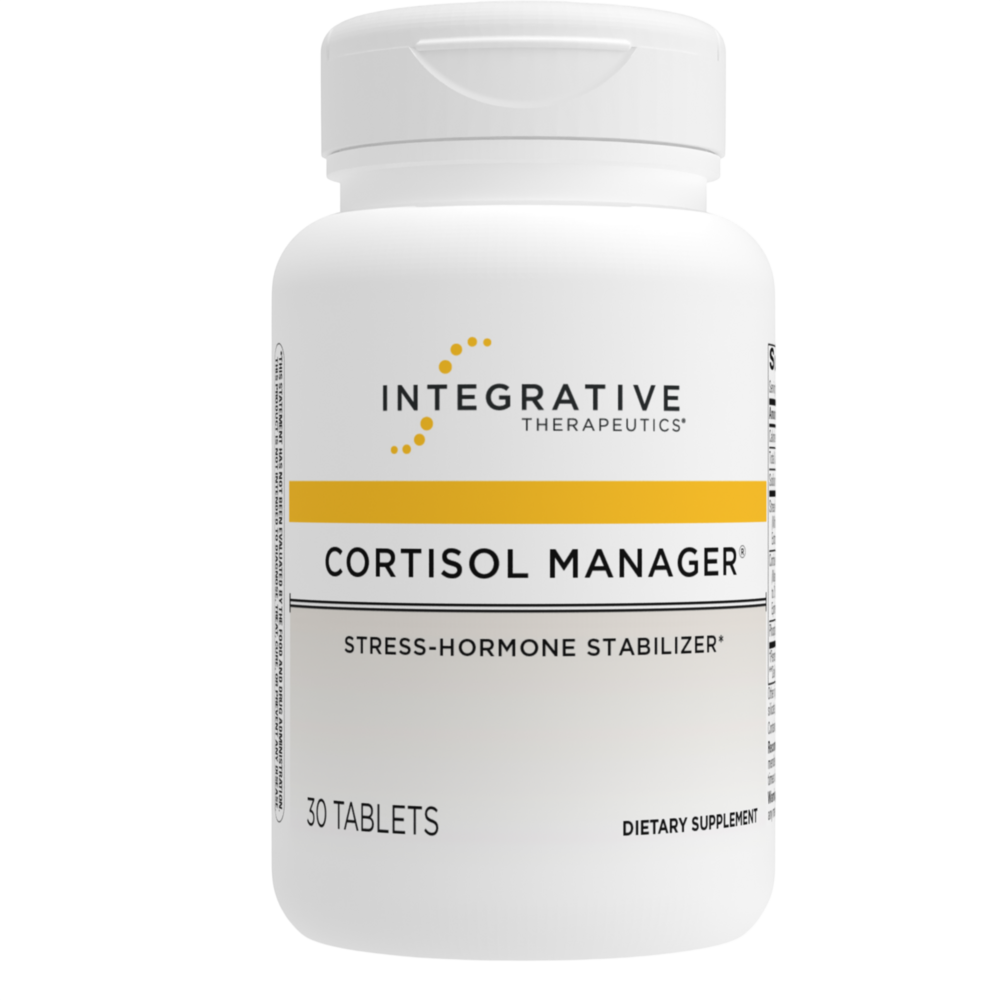
Cortisol Manager
Integrative Therapeutics
30 tablets
$26.99$21.99 with Subscribe & Save