 Instalab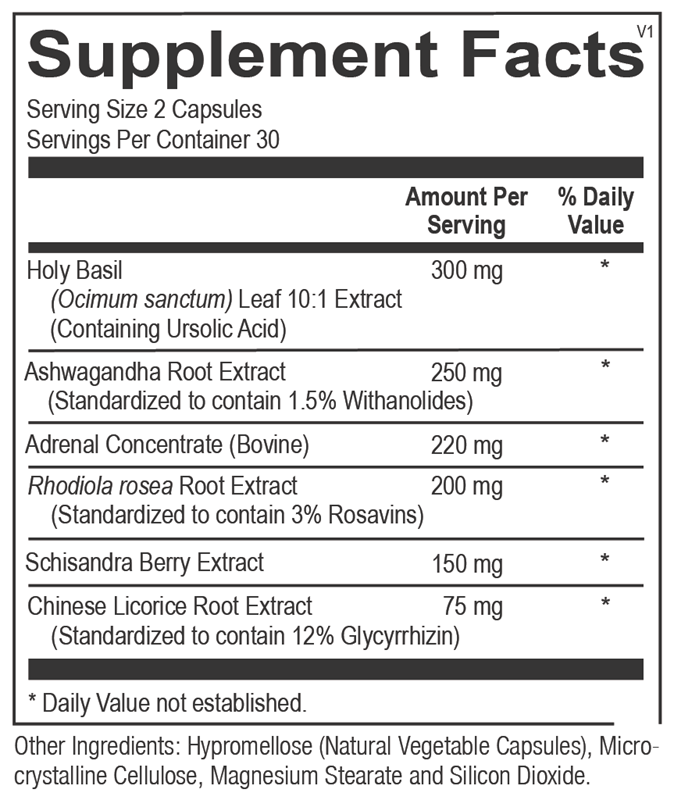
Ortho Molecular Products
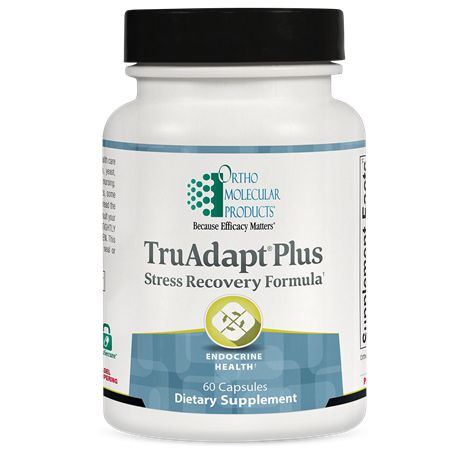
TruAdapt Plus by Ortho Molecular Products
120 capsules · 60-day supply
Comprehensive Adaptogen Blend for Stress Relief and Resilience$91.96
Purchase options
Practitioner-grade brand3rd-party testedFree shipping $50+
Gluten Free·Wheat Free·Yeast Free·Artificial Color Free·Artificial Flavor Free
Ortho Molecular Products TruAdapt Plus overview
If your days are long, sleep is inconsistent, and your energy dips mid‑afternoon, an adaptogen for stress can help you feel steadier. This blend fits adults with high perceived stress or “wired and tired” patterns, shift workers, and overtrained exercisers. It’s most useful if your Cortisol, AM is high-normal or erratic and DHEA-S (your adrenal androgen reserve) is trending low. If fatigue tracks with low Ferritin or thyroid labs, address those first; adaptogens won’t fix iron or thyroid deficits.
Ashwagandha and holy basil help calm the hypothalamic-pituitary-adrenal axis (the brain-to-adrenal stress circuit), with trials showing modest drops in cortisol and anxiety scores within 4 to 8 weeks. Rhodiola often lifts mental fatigue in 1 to 2 weeks. Schisandra supports focus under stress. Licorice (glycyrrhizin inhibits 11β‑HSD2, the enzyme that inactivates cortisol) can extend cortisol’s effect, which perks up some people but can raise blood pressure. The adrenal glandular is traditional, but evidence in modern trials is limited; consider it a mild co-factor rather than the driver.
Start with 1 capsule in the morning for 3 to 5 days, then increase to the suggested 2 capsules once or twice daily as needed. Take with breakfast and, if using a second dose, early afternoon to avoid sleep disruption. Expect mental stamina to improve in 1 to 2 weeks; calmer stress reactivity and steadier energy usually show by 4 to 8 weeks. Reassess with Cortisol, AM and DHEA-S at 8 to 12 weeks to judge fit and whether to taper.
Licorice can raise blood pressure and lower potassium; avoid if you have hypertension, edema, kidney or heart disease, or take diuretics, digoxin, or corticosteroids. Ashwagandha has rare liver injury reports; stop if you develop jaundice or dark urine and check ALT/AST (liver enzymes). Use caution with hyperthyroidism, since ashwagandha can nudge thyroid hormones up. Rhodiola can feel stimulating; reduce dose if anxious or if sleep worsens. Pregnancy and breastfeeding: avoid unless your clinician specifically recommends it.
Frequently asked questions
How long do adaptogens take to work?
Rhodiola’s anti-fatigue effect is often felt in 1–2 weeks. Calmer mood and modest cortisol changes from ashwagandha and holy basil usually take 4–8 weeks. Recheck Cortisol, AM and DHEA-S around 8–12 weeks to decide on continuing or tapering.
What time of day should I take adaptogens?
Morning is best. If you take a second dose, use early afternoon. Rhodiola and licorice can be stimulating late in the day and may delay sleep. Take with food if you notice stomach upset.
Do adaptogens interact with antidepressants or ADHD meds?
Caution is reasonable. Rhodiola has mild effects on brain enzymes involved in neurotransmitters and may feel activating with stimulants. If you use SSRIs, SNRIs, or stimulant medications, involve your clinician and start low, monitoring sleep and anxiety.
Does licorice in adaptogens raise blood pressure?
It can. Glycyrrhizin in licorice slows cortisol breakdown, which may increase blood pressure and lower potassium. Avoid if you have hypertension or are on diuretics, digoxin, or steroids. Monitor home blood pressure during the first month.
Is ashwagandha safe for the thyroid?
Ashwagandha can slightly increase thyroid hormone output in some people. If you’re on thyroid medication or have hyperthyroidism, use with clinician oversight and repeat TSH and Free T4 after 6–8 weeks. Stop if you feel hyper (palpitations, heat intolerance).
Can I take this while pregnant or breastfeeding?
No. Ashwagandha and licorice are generally avoided in pregnancy and lactation due to limited safety data and potential blood pressure effects. Choose pregnancy-specific options with your obstetric clinician.
What side effects should I watch for?
Common: mild stomach upset, jitteriness, or insomnia if taken late. Less common: headaches or elevated blood pressure (from licorice). Rare: liver irritation with ashwagandha—seek care if you develop jaundice, dark urine, or severe fatigue.
Can I use coffee with this adaptogen blend?
Yes, but keep caffeine moderate. Rhodiola and licorice can add stimulation; pairing with high caffeine may increase jitters or impair sleep. If you feel wired, cut caffeine in half or move doses earlier.
How to take it & ingredients
Suggested use: 2 capsules taken one or two times per day, or as recommended by your health care professional.
Active ingredients
2 capsules per serving · 60 servings
Holy Basil Leaf Extract
Ocimum sanctum (10:1 Extract)
Ocimum sanctum (10:1 Extract)
300 mg
Ashwagandha Root Extract
Standardized to contain 1.5% Withanolides
Standardized to contain 1.5% Withanolides
250 mg
Rhodiola rosea Root Extract
Standardized to contain 3% Rosavins
Standardized to contain 3% Rosavins
200 mg
Schisandra Berry Extract
Schisandra chinensis
Schisandra chinensis
150 mg
Chinese Licorice Root Extract
Standardized to contain 12% Glycyrrhizin
Standardized to contain 12% Glycyrrhizin
75 mg
Adrenal Concentrate
Bovine
Bovine
220 mg
Other ingredients: Hypromellose (Natural Vegetable Capsules), Microcrystalline Cellulose, Magnesium Stearate, Silicon Dioxide
Certifications
Benefits
Warnings
Customers also considered
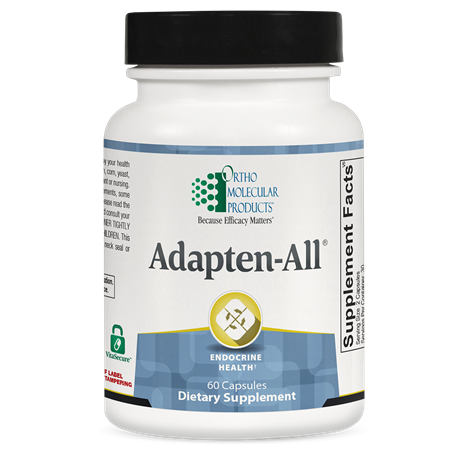
Adapten-All
Ortho Molecular Products
60 capsules
$48.34$43.55 with Subscribe & Save
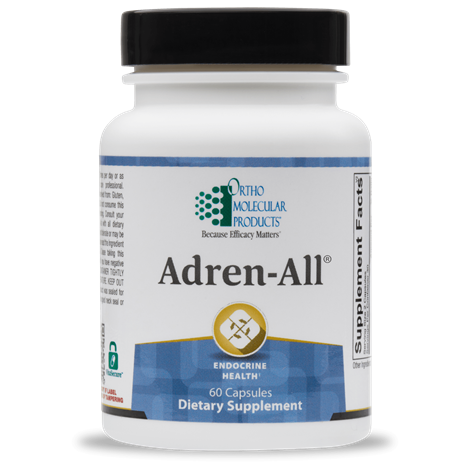
Adren-All
Ortho Molecular Products
60 capsules
$48.34$43.55 with Subscribe & Save
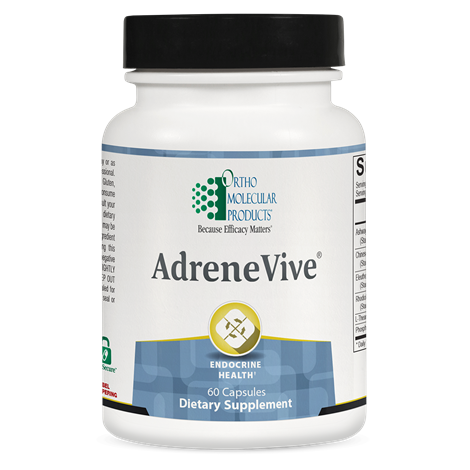
AdreneVive
Ortho Molecular Products
60 capsules
$73.32$66.05 with Subscribe & Save
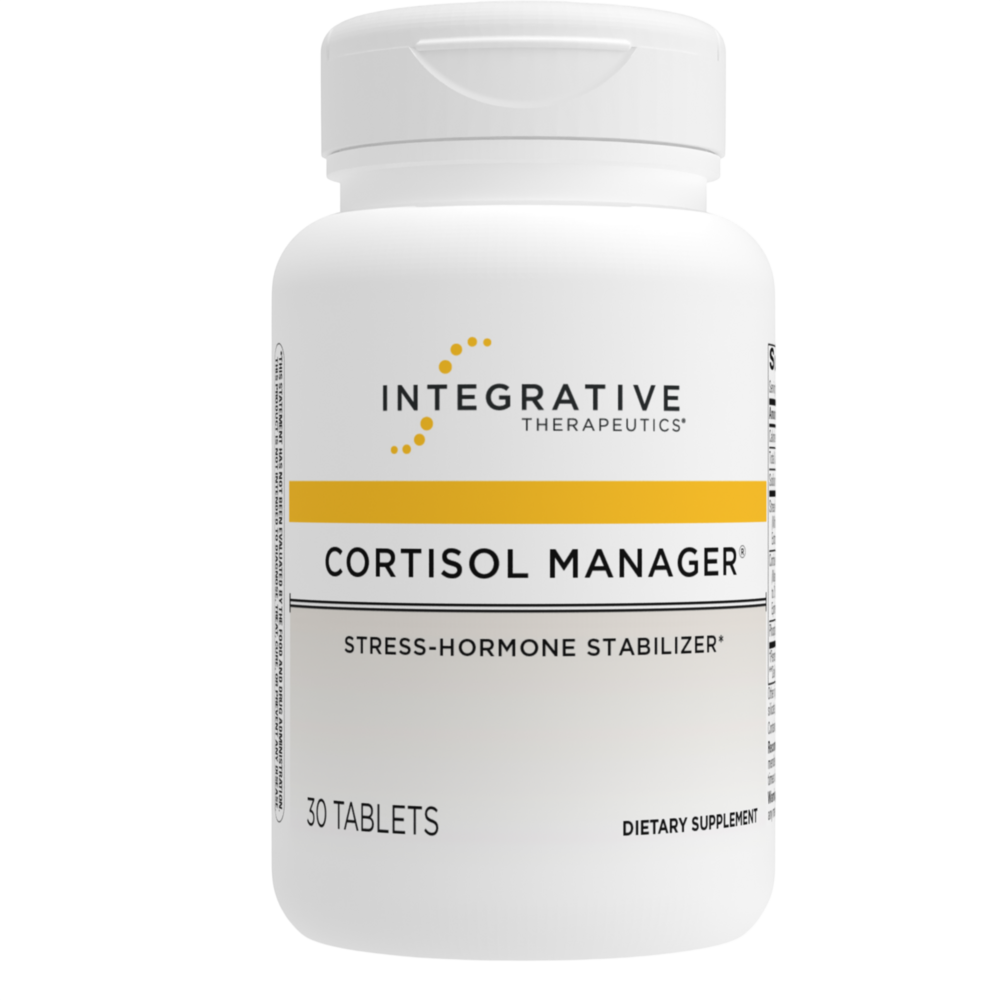
Cortisol Manager
Integrative Therapeutics
30 tablets
$26.99$21.99 with Subscribe & Save