 Instalab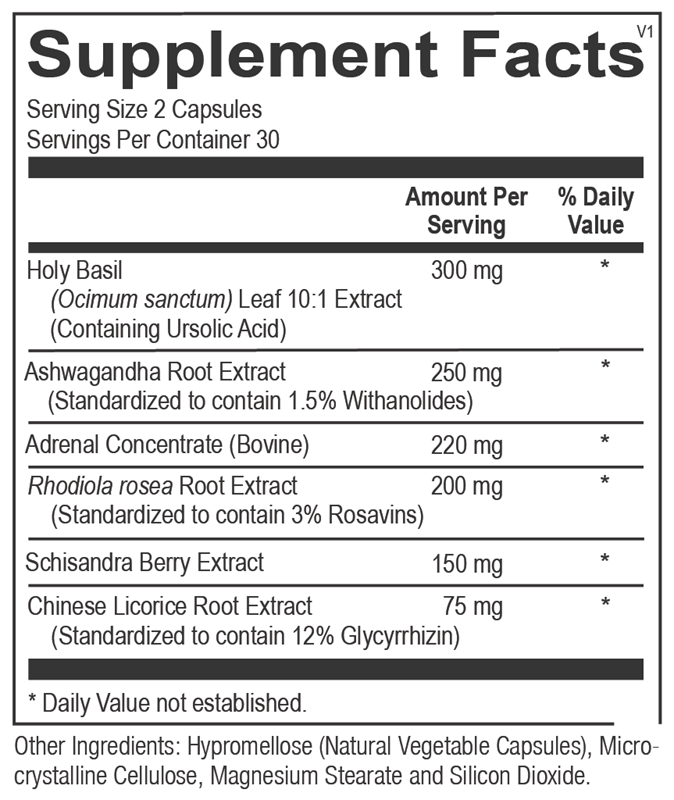
Ortho Molecular Products
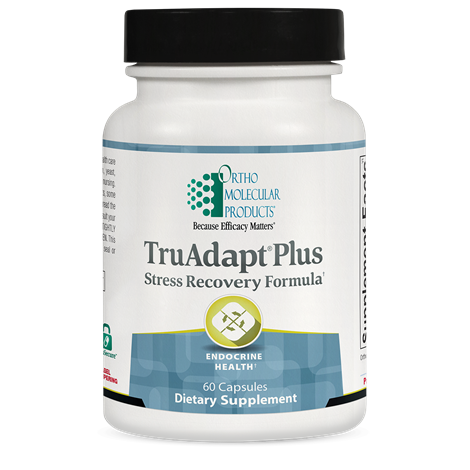
TruAdapt Plus by Ortho Molecular Products
60 capsules · 30-day supply
Adaptogenic Support for Stress Resilience and Balanced Energy$56.78
Purchase options
Practitioner-grade brand3rd-party testedFree shipping $50+
Gluten Free·Wheat Free·Yeast Free·Artificial Color Free·Artificial Flavor Free
Ortho Molecular Products TruAdapt Plus overview
This adaptogen supplement fits adults with fatigue, wired-and-tired evenings, or stress-related focus dips whose Cortisol (especially morning Cortisol) or DHEA-S are off on labs. It’s a good trial if sleep is choppy and caffeine no longer helps. If your Ferritin (iron stores) or TSH (thyroid-stimulating hormone) are low or high, fix those first; adaptogens won’t override anemia or thyroid disease.
Ashwagandha, rhodiola, holy basil, and schisandra are adaptogens that modulate the HPA axis, the brain-to-adrenal stress signaling system. Rhodiola can lift mental energy under strain, while ashwagandha often lowers perceived stress and improves sleep quality. Licorice root here is standardized to glycyrrhizin, which slows cortisol breakdown (via the 11β-HSD2 enzyme), so cortisol signals last longer. The bovine adrenal concentrate is a traditional glandular; evidence is limited, but some patients report steadier morning energy.
The suggested use is 2 capsules once or twice daily. In practice, start with 1 capsule with breakfast for 3 to 5 days, then add a second dose at lunch if needed. Avoid late afternoon or evening to protect sleep. Most notice calmer energy within 1 to 2 weeks; stress ratings and concentration typically improve over 4 to 6 weeks. Reassess with Cortisol and DHEA-S after 6 to 8 weeks.
Licorice with glycyrrhizin can raise blood pressure and lower potassium. Avoid if you have hypertension, kidney disease, swelling, or use diuretics, digoxin, or corticosteroids. Ashwagandha has rare liver injury reports; stop and check ALT/AST if you develop itching, dark urine, or jaundice. Use caution with thyroid medication and hyperthyroidism, and skip in pregnancy or if you avoid animal products due to the adrenal glandular.
Frequently asked questions
How long do adaptogens take to work?
Most people feel steadier energy or less reactivity within 1 to 2 weeks. More durable changes in sleep quality, focus, and perceived stress usually show up by 4 to 6 weeks. Recheck Cortisol or DHEA-S after 6 to 8 weeks if you’re tracking labs.
Should I take an adaptogen supplement in the morning or at night?
Morning and early afternoon are best. These herbs can be gently stimulating, especially rhodiola and licorice, which may disrupt sleep if taken late. Take with breakfast, then consider a second dose at lunch if you need it.
Does licorice in adaptogens raise blood pressure?
Yes, licorice with glycyrrhizin can increase blood pressure and lower potassium by slowing cortisol breakdown. Avoid if you have hypertension, kidney disease, or are on diuretics, digoxin, or corticosteroids. Deglycyrrhizinated licorice (DGL) does not have this effect, but this formula is not DGL.
Is this adaptogen blend safe with antidepressants like SSRIs?
Generally, yes, but monitor for jitteriness or sleep changes. Rhodiola can feel activating in some people. If you’re on MAO inhibitors, stimulants, or multiple psychiatric meds, coordinate with your clinician and start low.
Is ashwagandha bad for the liver or thyroid?
Serious liver injury is rare but reported; stop if you notice itching, dark urine, or jaundice. Ashwagandha can nudge thyroid hormones; use caution if you have hyperthyroidism or take thyroid medication, and monitor TSH and free T4 if concerned.
Can I take this with coffee or pre-workout?
You can, but start on a non-training morning to gauge your response. Rhodiola and licorice can add to stimulation, and too much caffeine may cause jitters or sleep disruption. Adjust your caffeine down if you feel overstimulated.
Is this formula vegetarian or vegan?
No. It contains bovine adrenal concentrate, so it isn’t suitable for vegetarians or vegans. If you avoid animal products, look for an adaptogen supplement without glandular ingredients.
Which labs should I track with adaptogens?
Cortisol (morning or a diurnal panel) and DHEA-S are the most relevant. If fatigue is prominent, also consider TSH and Ferritin. If you use this long term and have risk factors, checking potassium and blood pressure is sensible due to licorice.
How to take it & ingredients
Suggested use: 2 capsules taken one or two times per day, or as recommended by your health care professional.
Active ingredients
2 capsules per serving · 30 servings
Holy Basil Leaf Extract
Ocimum sanctum (10:1 Extract)
Ocimum sanctum (10:1 Extract)
300 mg
Ashwagandha Root Extract
Standardized to contain 1.5% Withanolides
Standardized to contain 1.5% Withanolides
250 mg
Rhodiola rosea Root Extract
Standardized to contain 3% Rosavins
Standardized to contain 3% Rosavins
200 mg
Schisandra Berry Extract
Schisandra chinensis
Schisandra chinensis
150 mg
Chinese Licorice Root Extract
Standardized to contain 12% Glycyrrhizin
Standardized to contain 12% Glycyrrhizin
75 mg
Adrenal Concentrate
Bovine
Bovine
220 mg
Other ingredients: Hypromellose (Natural Vegetable Capsules), Microcrystalline Cellulose, Magnesium Stearate, Silicon Dioxide
Certifications
Benefits
Warnings
Customers also considered
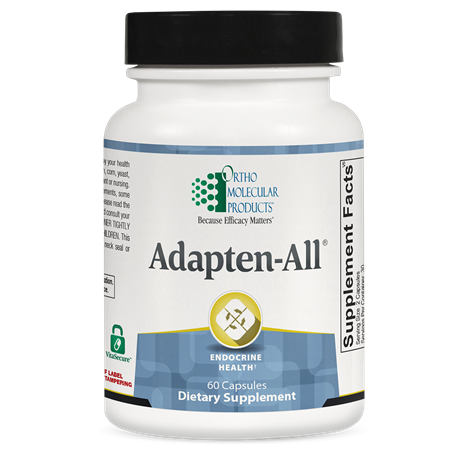
Adapten-All
Ortho Molecular Products
60 capsules
$48.34$43.55 with Subscribe & Save
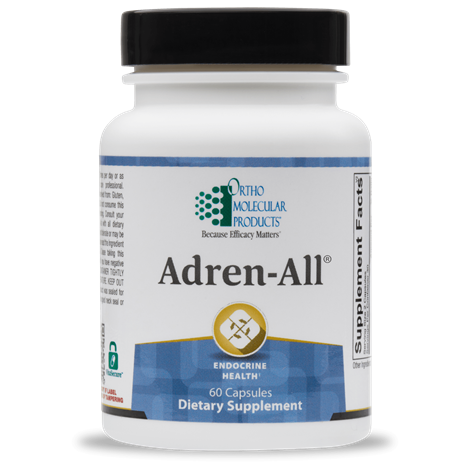
Adren-All
Ortho Molecular Products
60 capsules
$48.34$43.55 with Subscribe & Save
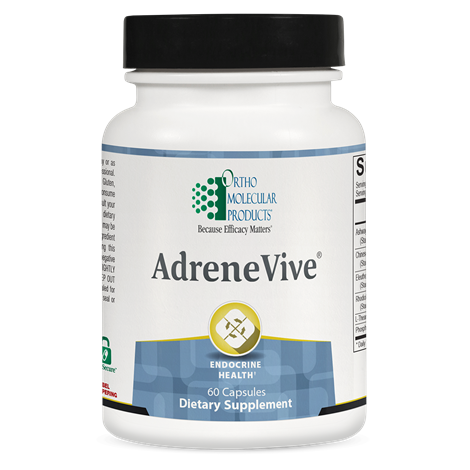
AdreneVive
Ortho Molecular Products
60 capsules
$73.32$66.05 with Subscribe & Save
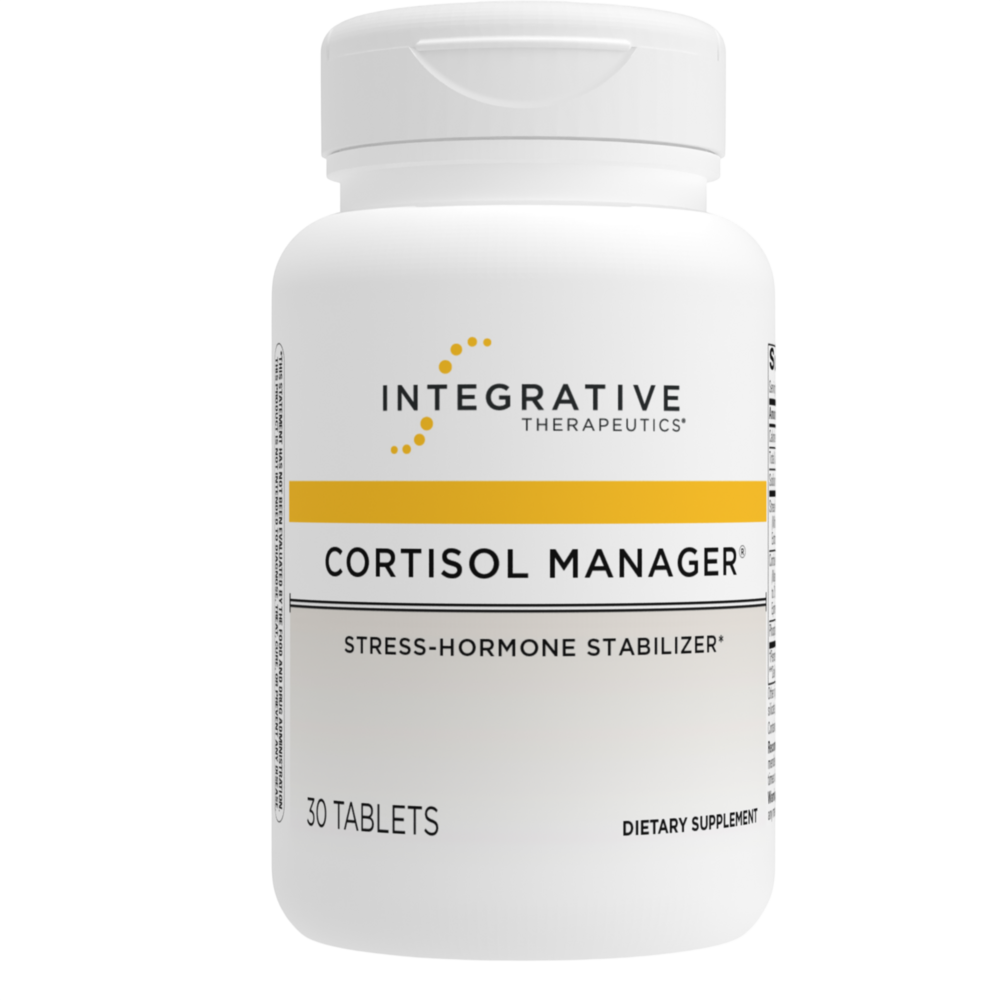
Cortisol Manager
Integrative Therapeutics
30 tablets
$26.99$21.99 with Subscribe & Save